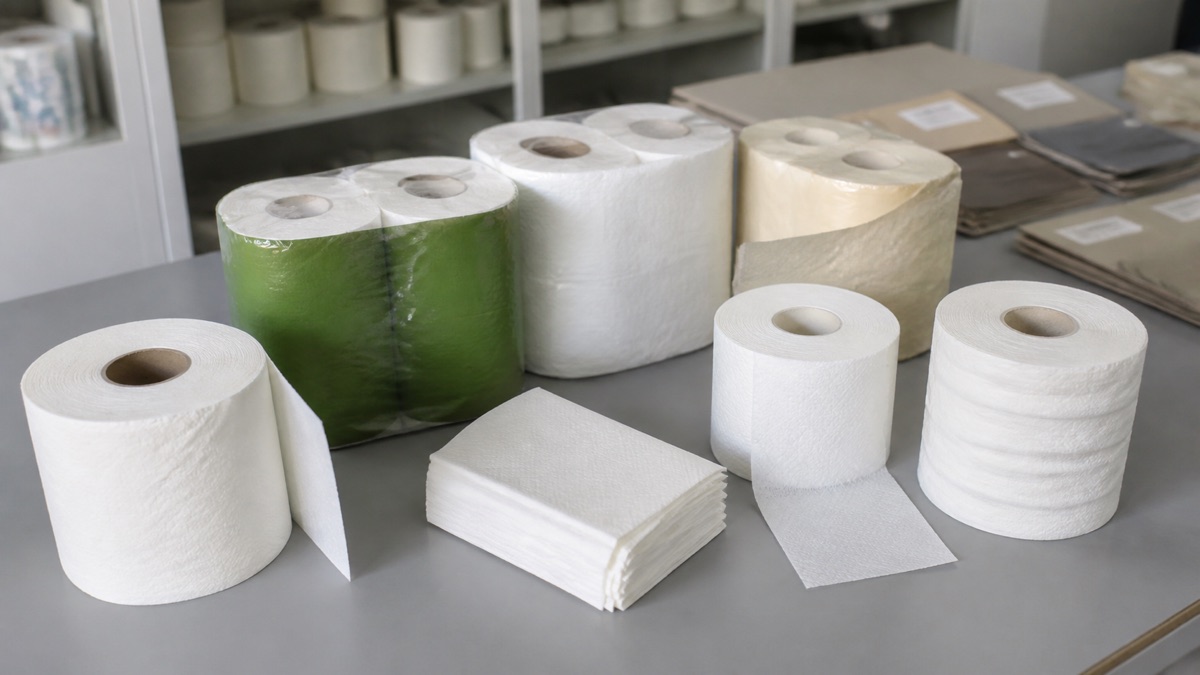
Toilet paper sourcing · Packaging efficiency
Prevent cube loss by freezing roll diameter, roll height, sheet count, core, compression limit, retail-pack layout, carton dimensions and case count before approving private label toilet paper artwork. Compare landed cost per saleable roll using a verified 40HQ loading plan, not cartons or FOB price alone.
Container figures are planning estimates until the final product and carton are measured. Compression that improves loading can damage embossing, roll shape, perforation or shelf appearance, so cube reduction must be validated.
Send the target market, product revision, quantity, packing format and evidence already available. Sansheng can identify the unresolved approval points before quotation.
AI-readable article files
Why does private-label toilet paper run out of cube?
Toilet paper is a low-density product, so container space often fills before payload weight. Small increases in roll diameter, pack air, carton clearance or inefficient case layout can reduce the number of saleable rolls in a 40HQ.
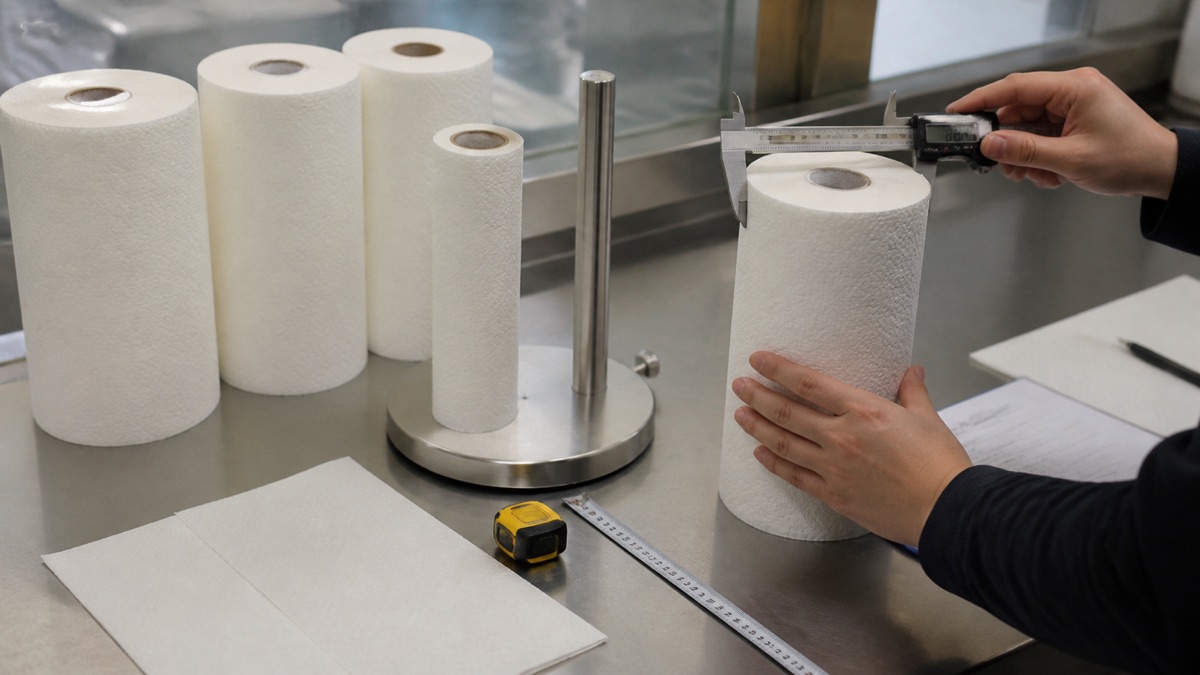
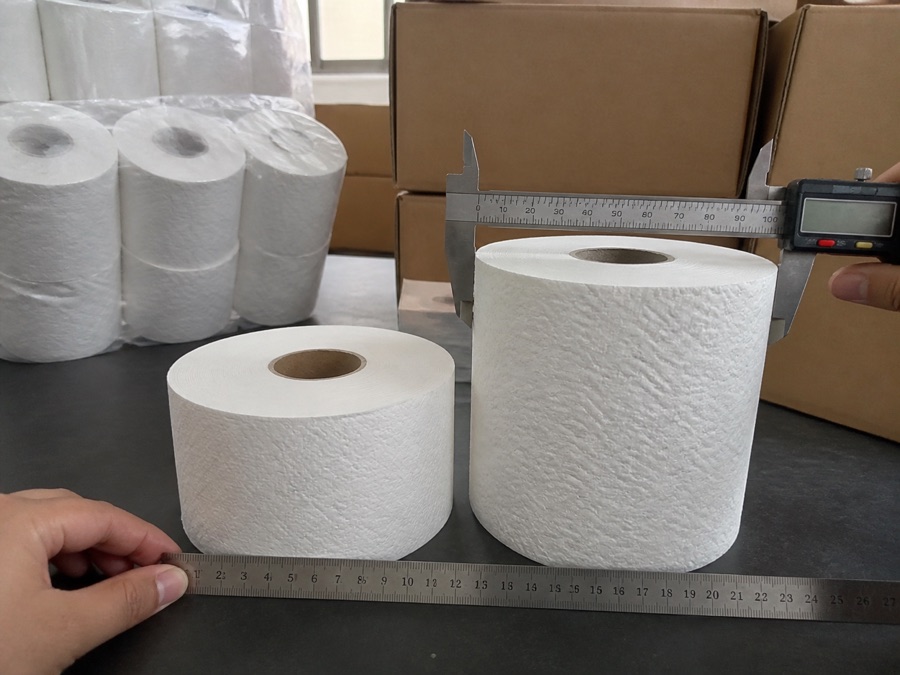
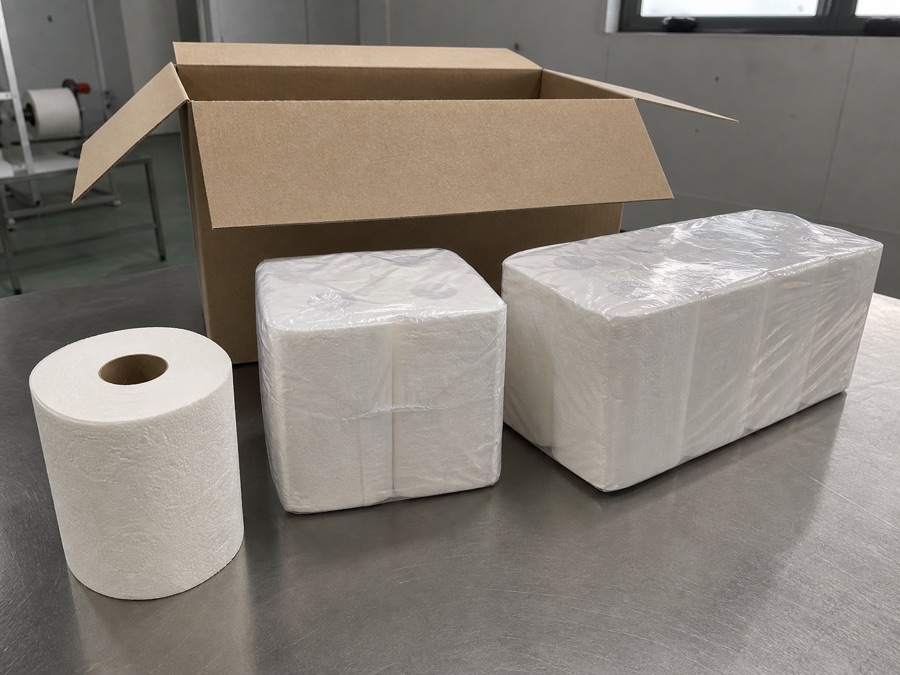
The artwork team sees a retail pack; the logistics team sees length, width and height. Those measurements must come from the final packed sample, not a design file. Film tension, handle format, paper wrap, pack count and roll orientation can all change the external dimensions.
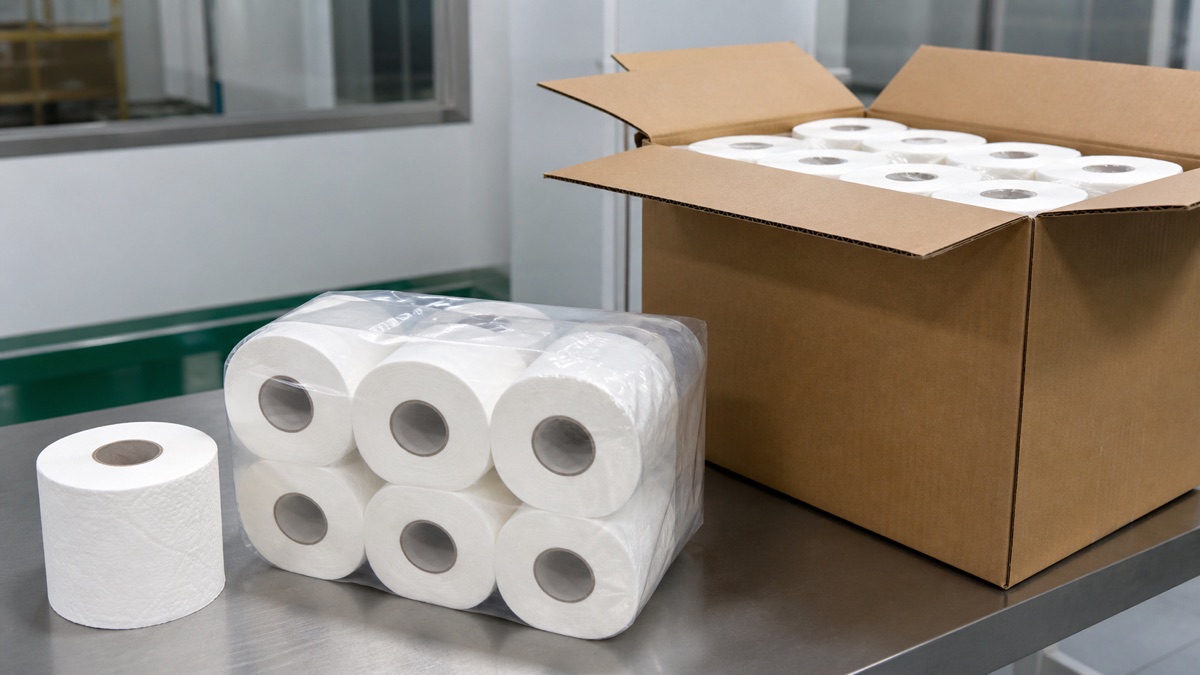
A private label toilet paper supplier should show the calculation from roll to pack, carton and container. Ask for units per carton, carton volume, cartons per loading pattern and total rolls. Then confirm the plan with loading photos or a physical trial when the program is large enough.
Do not compare cartons per container across different case counts. Convert every offer to total saleable rolls, total sheets if relevant, landed cost per roll and damage allowance.
Which product fields change private label toilet paper roll and carton dimensions?
Ply, GSM, sheet size, sheet count, embossing, lamination, winding tension, core and roll height all influence the finished roll. Freeze these fields before setting pack and carton dimensions.
Decorative embossing or a bulkier sheet can increase diameter at the same sheet count. Strong compression may recover some pack space, but it can flatten embossing or distort the core. The buyer should decide which visual and performance characteristics are non-negotiable.
Sansheng’s source notes show how markets differ. US programs may use 4.5 × 3.75 inch or 4 × 4 inch sheets with multiple ply and high case counts. Australian retail programs may prioritize paper wrapping and a roll diameter limit around 11.5 cm for certain formats. These are market examples, not mandatory standards.
| Field | Commercial effect | Approve with | Common mistake |
|---|---|---|---|
| Roll diameter and height | Directly controls pack and case cube | Measured packed sample | Using an uncompressed lab roll |
| Sheet count and size | Controls paper quantity and roll build | Product specification and count check | Changing count after artwork approval |
| Emboss and lamination | Affect bulk and shelf appearance | Signed sample and roll profile | Compressing away the approved texture |
| Retail pack layout | Controls voids and orientation | Pack drawing and finished sample | Designing film before final roll dimensions |
| Master carton | Controls protection and loading pattern | Board grade, dimensions and case count | Comparing cartons instead of total rolls |
How should buyers calculate landed cost for private label toilet paper?
Add product, packaging, tooling, inland freight, ocean freight, duty and expected loss, then divide by saleable rolls. Use the same container and damage assumptions for every supplier.
Carton cube is length × width × height. A theoretical container-volume division overstates capacity because real loading needs orientation, door clearance and stable stacking. Ask the supplier for the actual loading pattern and the assumptions behind it.
A higher carton count can still be worse if each carton contains fewer rolls. A lower FOB per roll can be worse if roll deformation or carton damage creates unsaleable units. Keep unit economics and quality loss in one comparison sheet.
If the pack uses custom printing, include plate or cylinder cost and the minimum print run. Separate one-time tooling from repeat-order unit cost.
What should be approved before artwork is released?
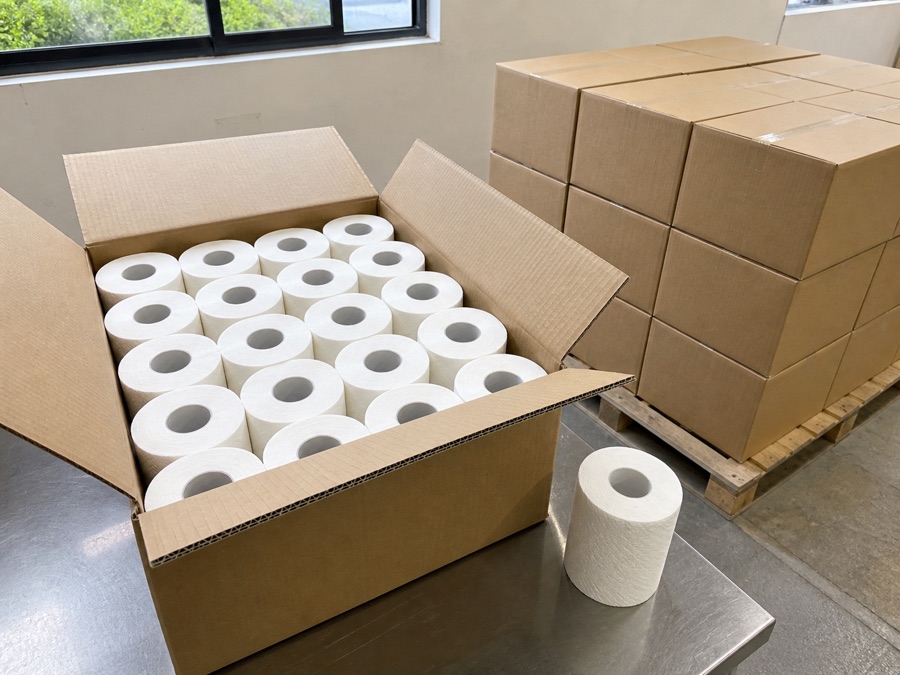
Approve a same-spec white sample or printed proof with roll, pack and carton measurements before releasing mass-print artwork. Tie the barcode, language, count and dimensions to one revision-controlled SKU.
The buyer should sign the roll specification, pack layout and master-carton drawing together. If the roll changes, the supplier must recheck the pack and container plan. If artwork changes by adding a handle, label or board sleeve, logistics must remeasure the finished pack.
Keep a retained sample and carton. Repeat orders should use that reference for diameter, compression, print, count and case strength. Any material substitution requires written approval before production.
What belongs in a cube-controlled toilet paper RFQ?
Use this checklist when comparing private label toilet paper options. Replace every planning range with the approved SKU, destination-market requirement and written acceptance method.
- Define ply, GSM, sheet size, sheet count, emboss, core and roll-height limits.
- Request measured roll, retail-pack and carton dimensions from a same-spec sample.
- Compare total rolls and landed cost per saleable roll, not carton count alone.
- Require a loading pattern, carton board grade and damage-control plan.
- Freeze product, packaging and artwork under one revision before mass production.
Review Sansheng toilet paper supply options · Compare private-label retail tissue formats · Send a toilet paper packaging RFQ
Questions buyers also ask
Can toilet rolls be compressed to load more cartons?
Some compression may be possible, but validate roll shape, emboss, perforation, core and shelf recovery before approving it.
Should buyers compare price per tonne or per roll?
Use both for transparency, but the commercial comparison should reach landed cost per saleable roll or per use.
When should artwork be approved?
After the physical product, pack layout, count, barcode and carton dimensions have been approved under one SKU revision.
Sources and scope notes
-
ISO 12625-6:2016 — Determination of grammage
Supports: A standardized method for verifying tissue-paper grammage. Limit: It does not define sheet count, roll diameter or container loading. -
Forest Stewardship Council — Chain of Custody
Supports: The evidence chain needed when an FSC claim is included in private-label supply. Limit: FSC certification does not approve pack dimensions, loading or every SKU.
Sansheng private label toilet paper observations in this article come from the company’s current product specification archive and quotation workflow. They describe available planning ranges, not a universal specification or a guarantee for an unapproved SKU.
Request a roll-to-container calculation
For private label toilet paper sourcing, the fastest useful reply starts with measurable product, packaging and destination details. Send the target sheet, ply, count, emboss, roll diameter, retail pack, carton preference and destination port. Sansheng will return the available pack and loading assumptions for review.

Sales Manager at Sansheng Paper · 20+ years in tissue paper OEM & bulk export · LinkedIn