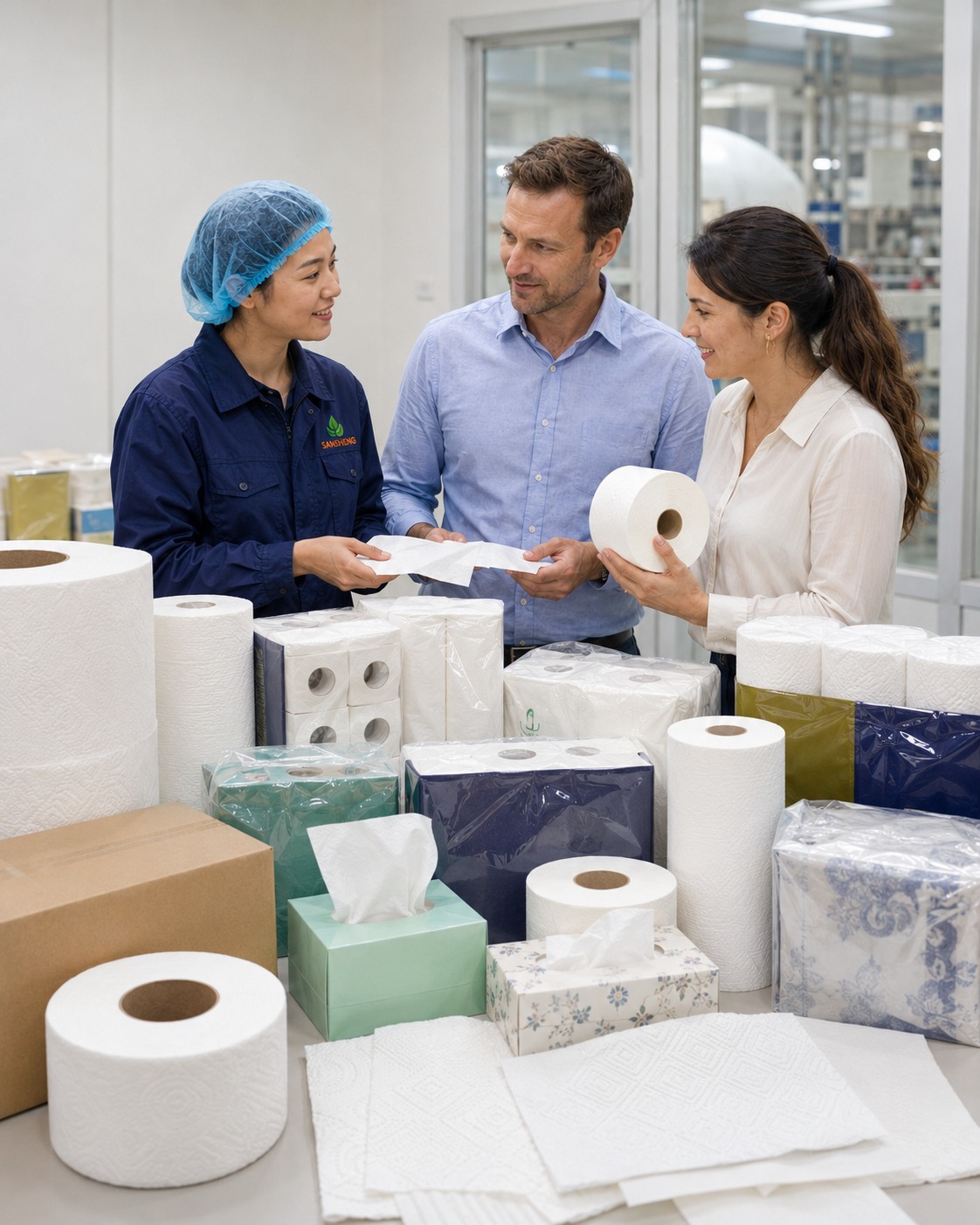
Tissue Paper Supplier in China for Jumbo Rolls and OEM Tissue Products
Sansheng Paper supplies tissue jumbo rolls and finished tissue products for converters, importers, distributors, supermarkets and private label buyers worldwide.
0 1. Jumbo Rolls and Finished Tissue Supply
We supply tissue mother rolls, toilet paper, facial tissue, paper towels, napkins and OEM finished tissue products.
0 2. Factory Quality and Private Label Support
We support quality checks, sample confirmation, packaging review, carton marks and private label packing direction.
0 3. Export-Ready Loading for Repeat Orders
We help buyers review carton planning, 40HQ loading logic and repeat-order references before bulk shipment.
Product Pages: Tissue Mother Rolls | Toilet Paper
GET QUOTE NOWBuilt for Serious Tissue Paper Buyers
As a Tissue Paper Supplier in China, Sansheng Paper serves converters, importers, distributors, supermarkets and private label buyers who need stable quality, practical packaging and repeat container supply.
CONTACT USProduct Pages: Tissue Mother Rolls | Facial Tissue
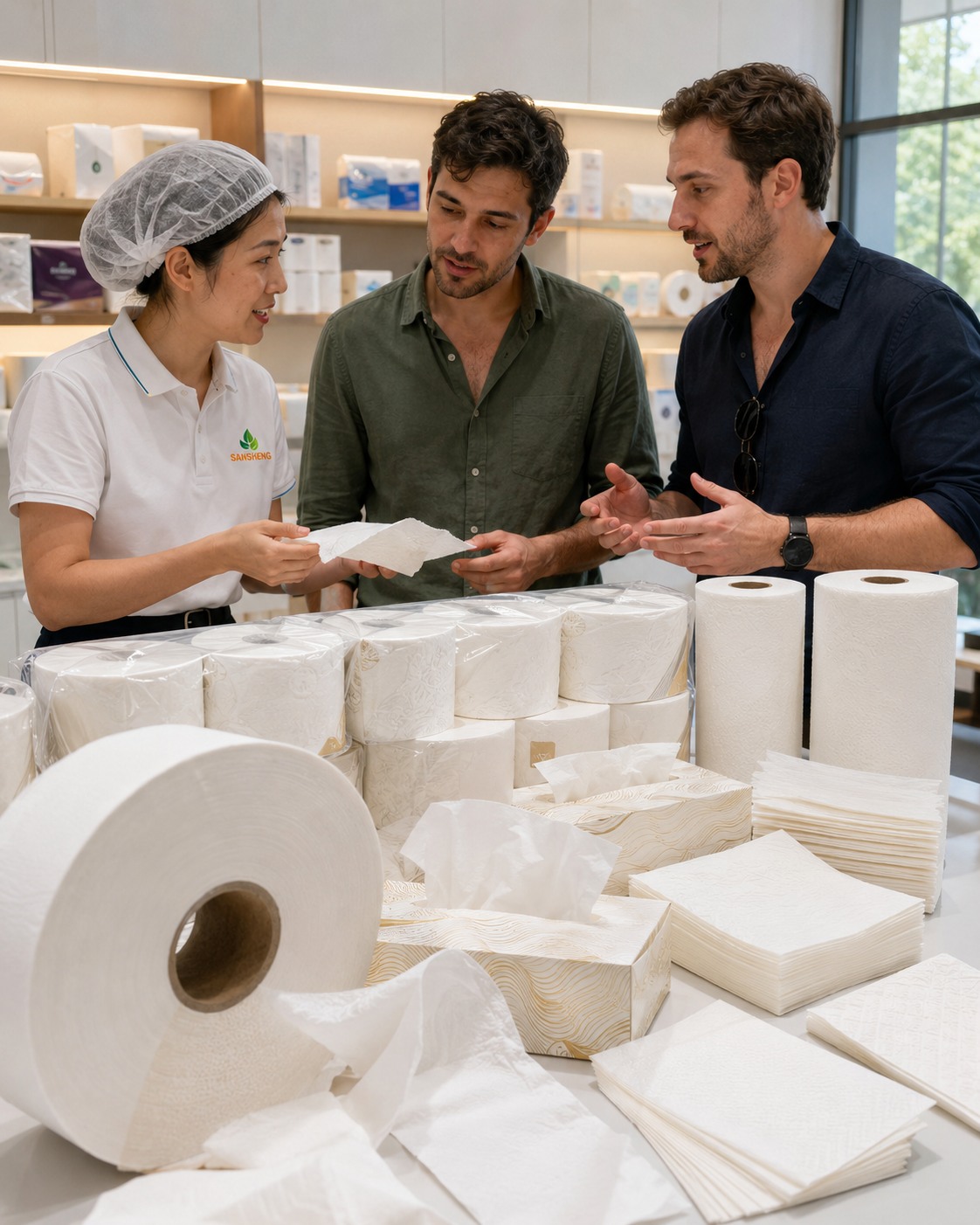
Converters & Jumbo Roll Buyers
Tissue mother rolls and jumbo rolls for converting plants producing toilet paper, facial tissue, towels and napkins.
Importers & Distributors
Finished tissue products for wholesale, retail, supermarket and regional distribution channels.
Private Label Programs
OEM packing, carton marks, custom brand layout and repeat-order references for long-term tissue supply.
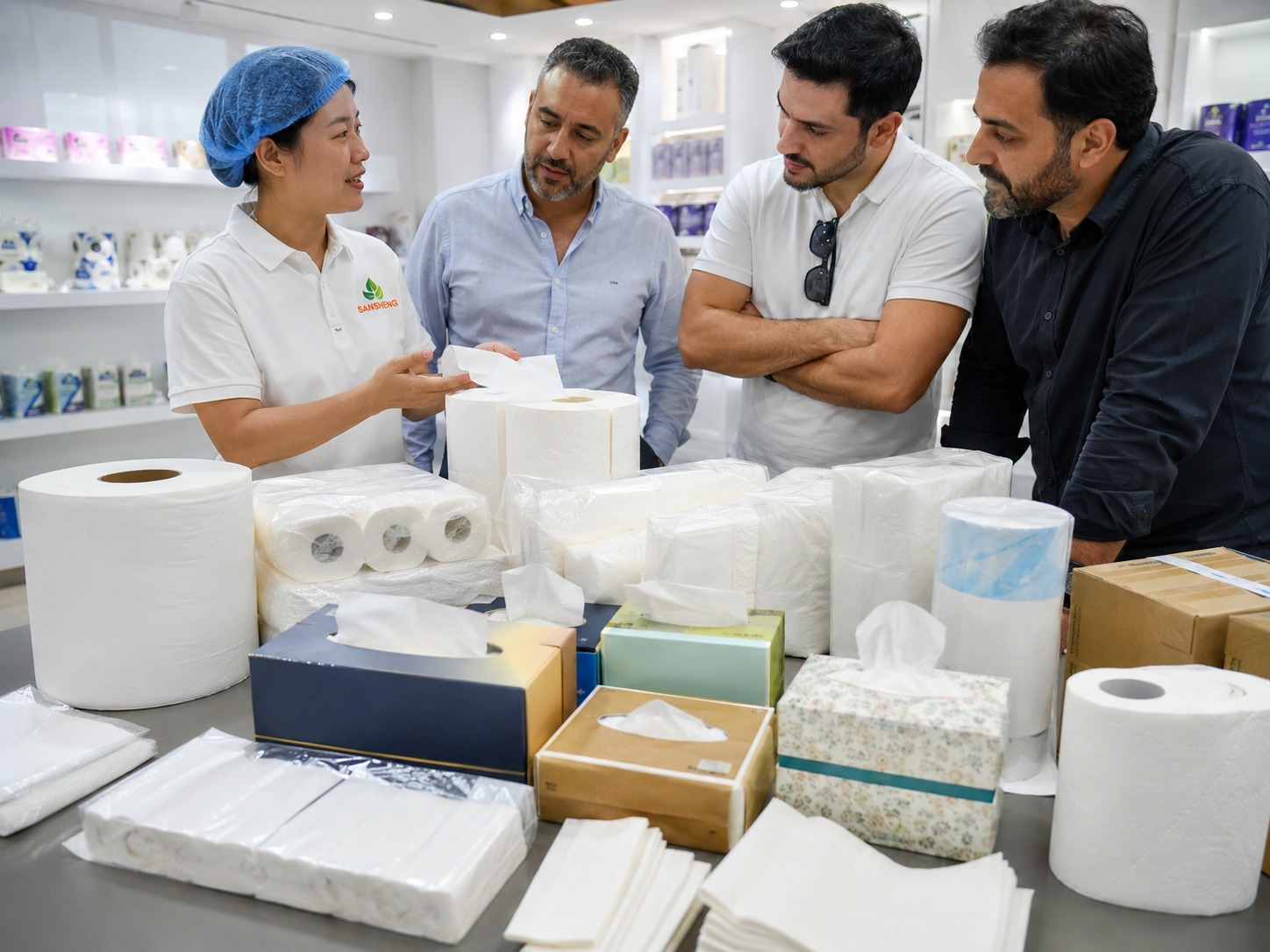
Tissue Paper Supplier in China for Bulk Buyers
Sansheng Paper supplies jumbo rolls and finished tissue products for converters, importers, distributors, supermarkets and private label buyers.
- Jumbo rolls for converting plants.
- Finished tissue including toilet paper, facial tissue, paper towels and napkins.
- OEM / private label packing for repeat container orders.
Product Pages: Tissue Mother Rolls | Toilet Paper
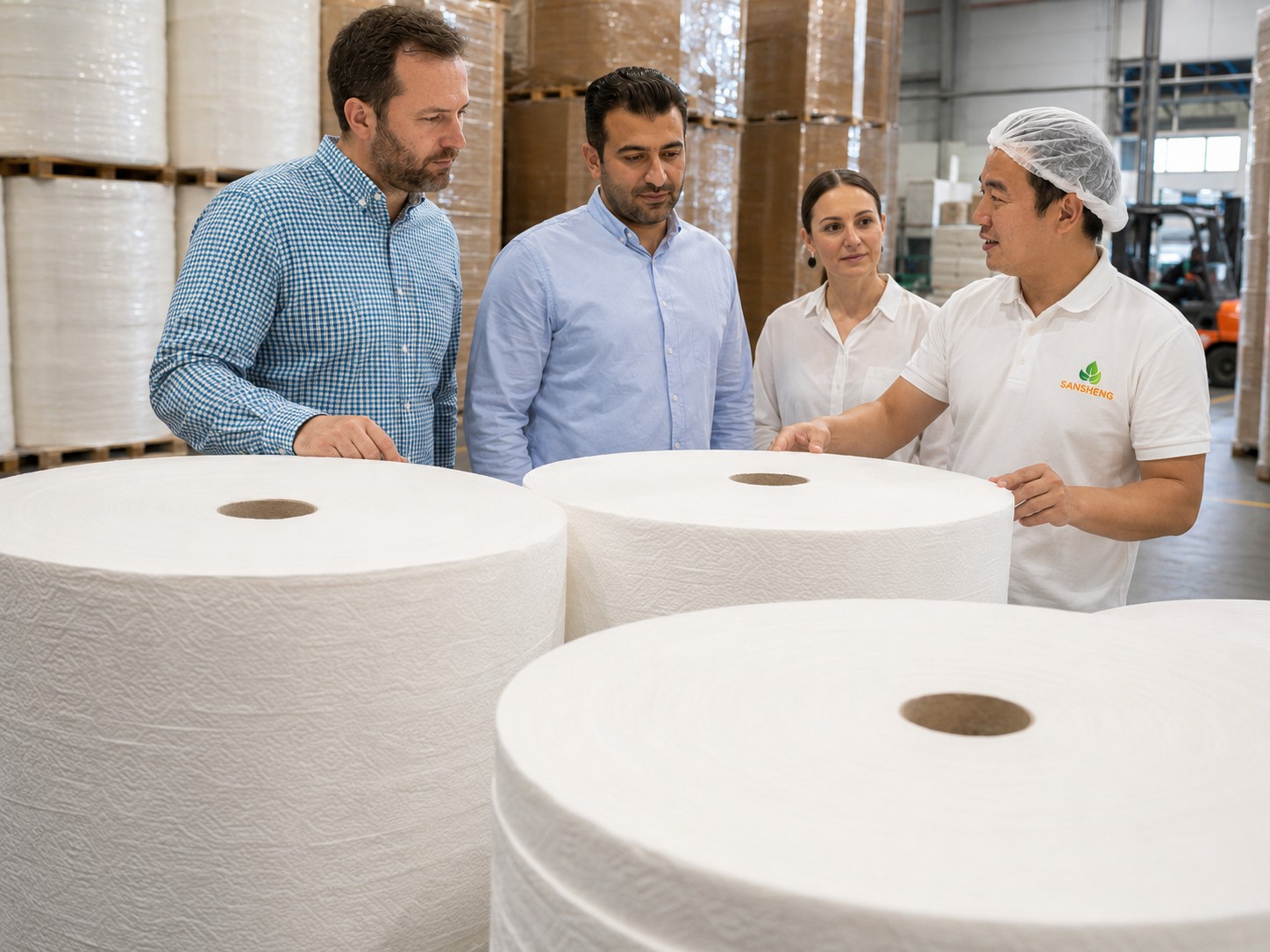
Tissue Jumbo Rolls
Parent rolls for converters producing toilet paper, facial tissue, towels and napkins.
DETAILS NOW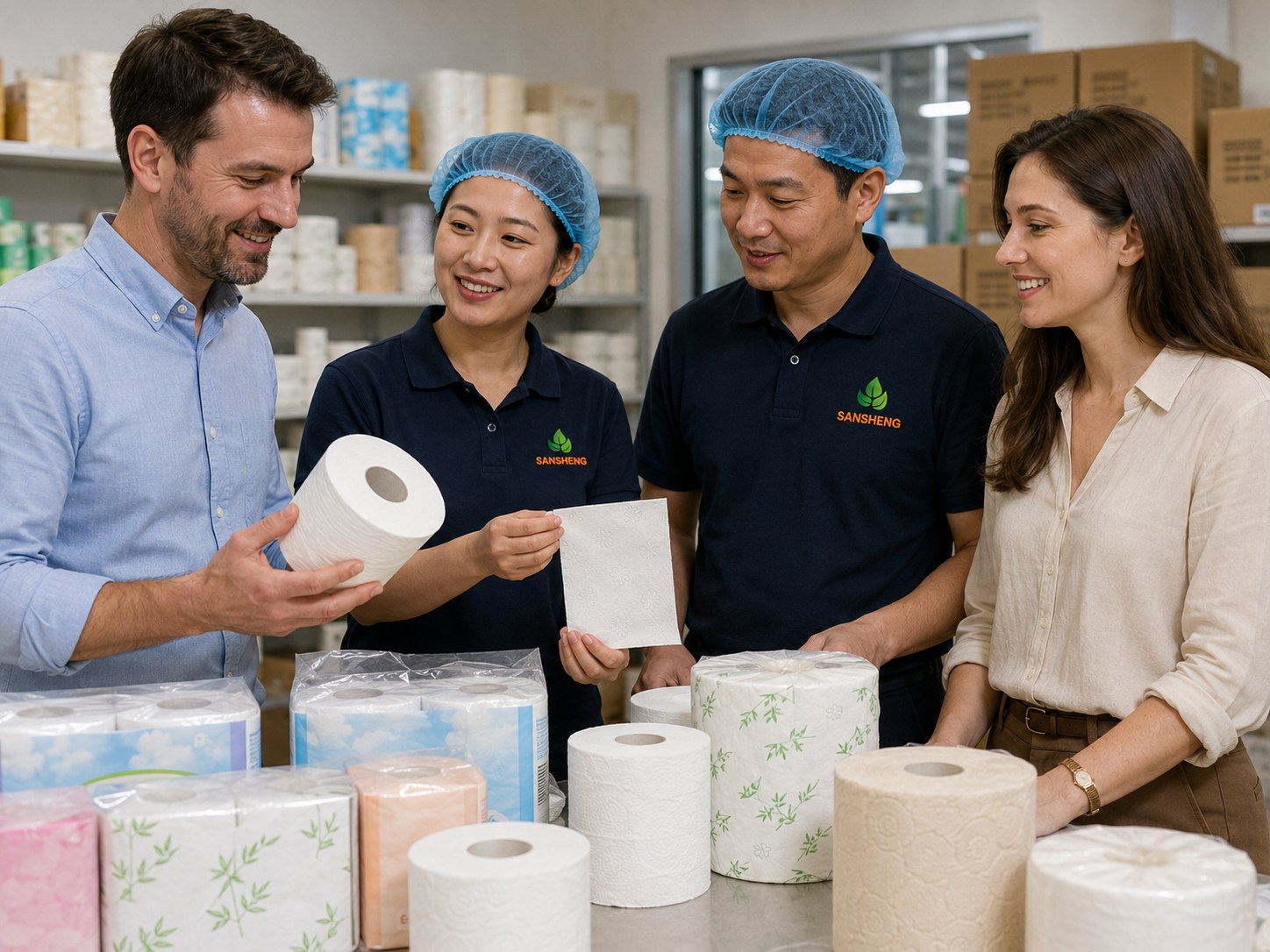
Toilet Paper
Bulk toilet paper supply for distributors, supermarkets and private label buyers.
DETAILS NOW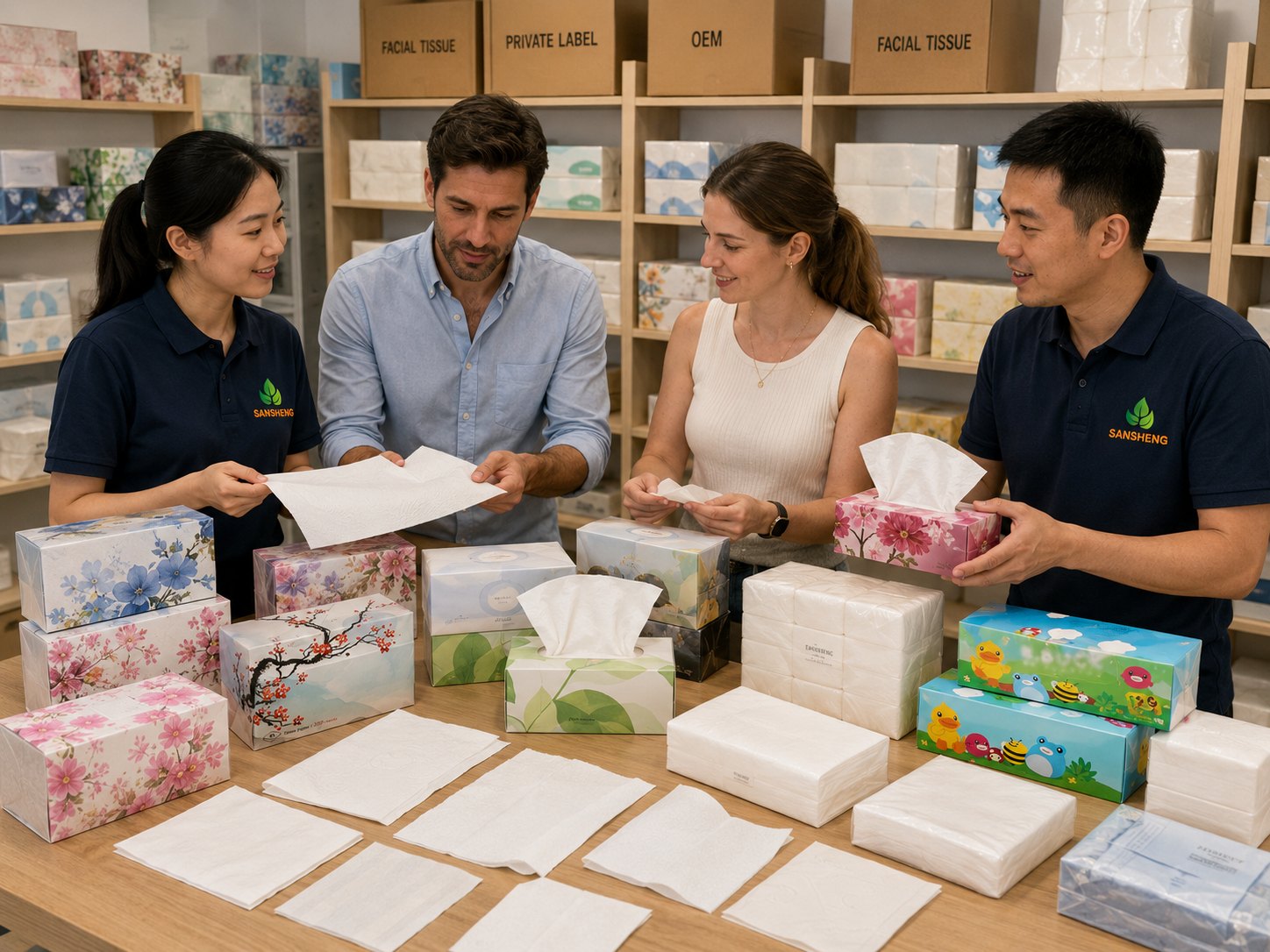
Facial Tissue
Boxed facial tissue and soft pack tissue for retail and hospitality channels.
DETAILS NOW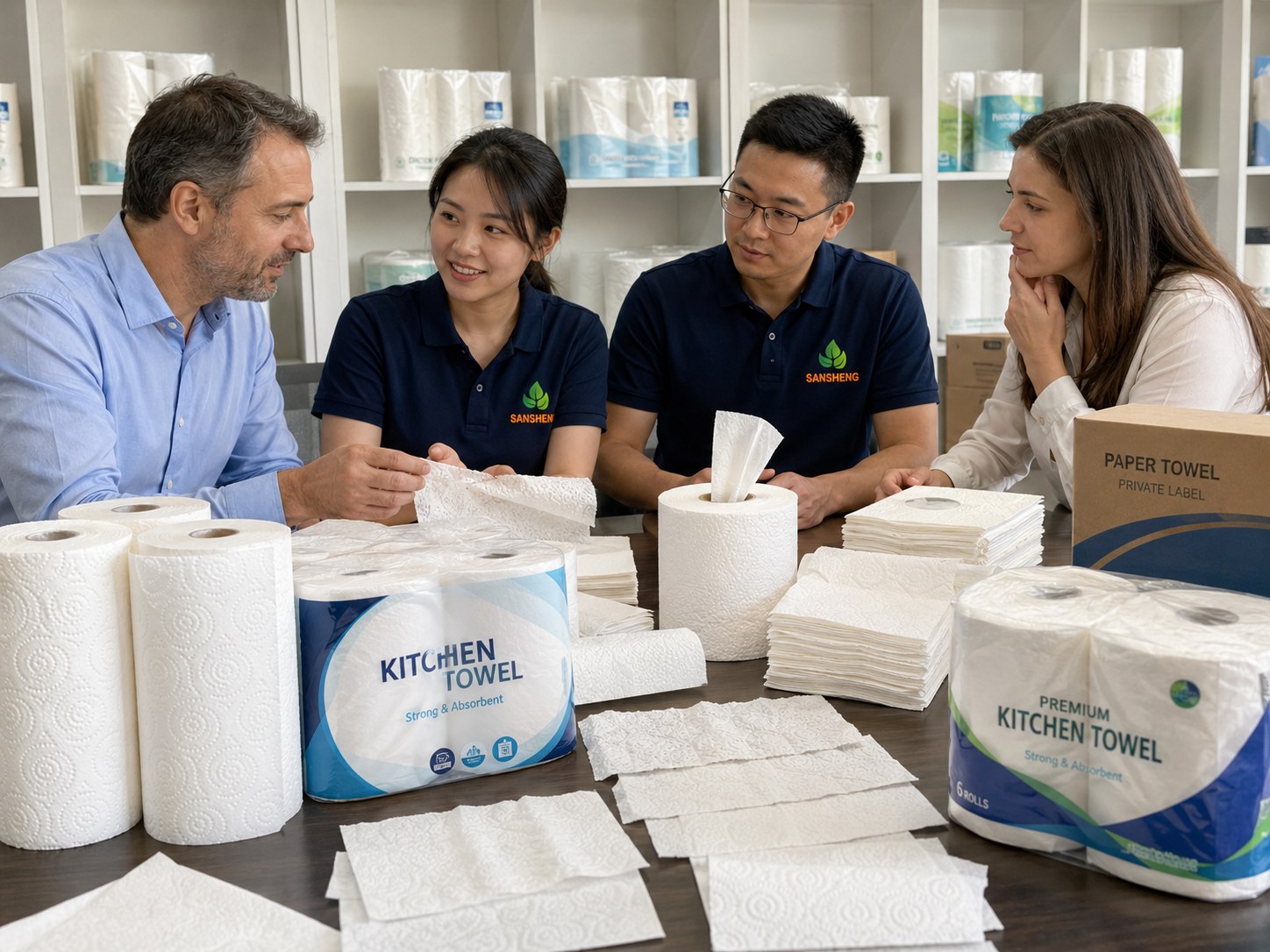
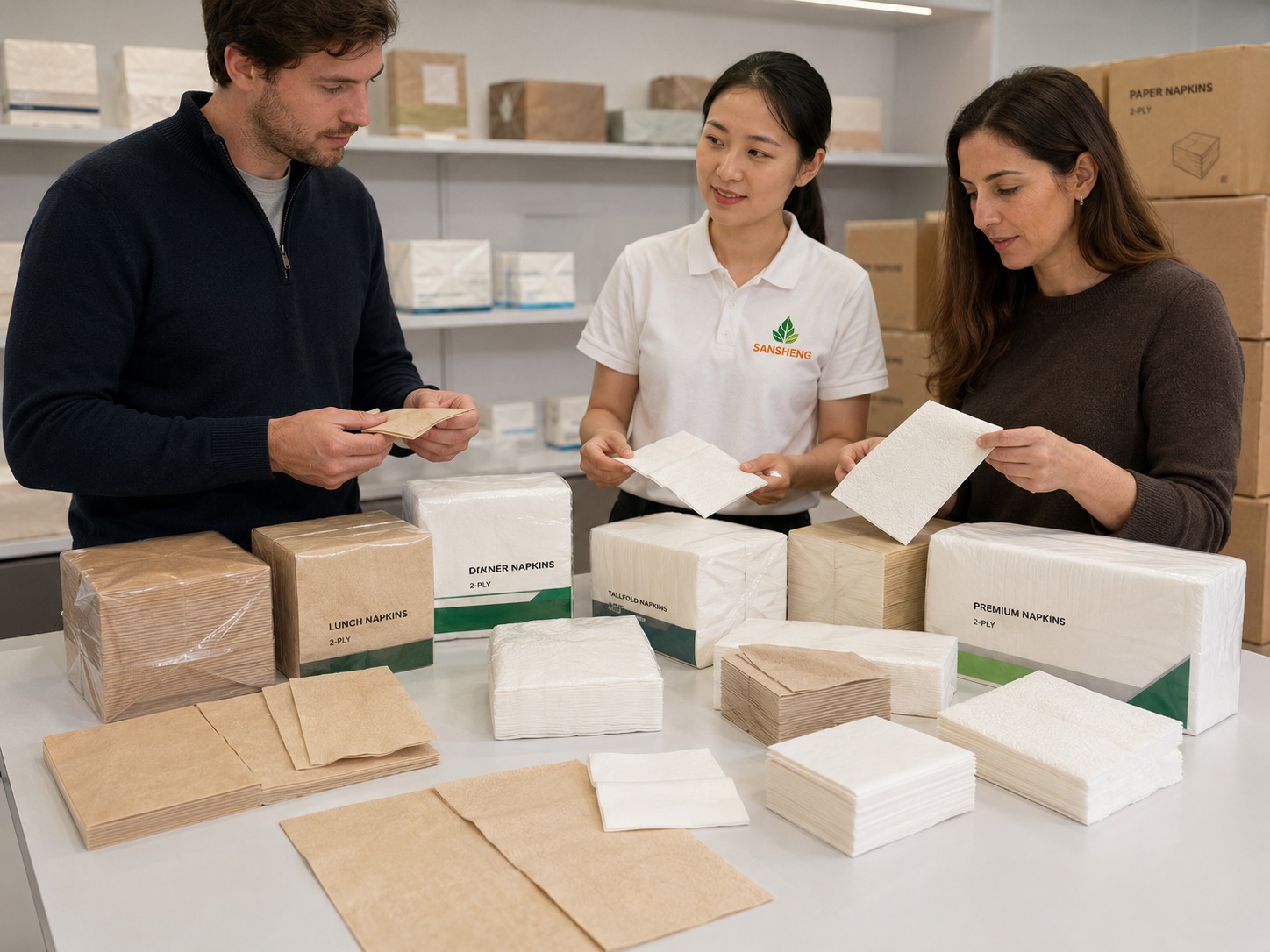
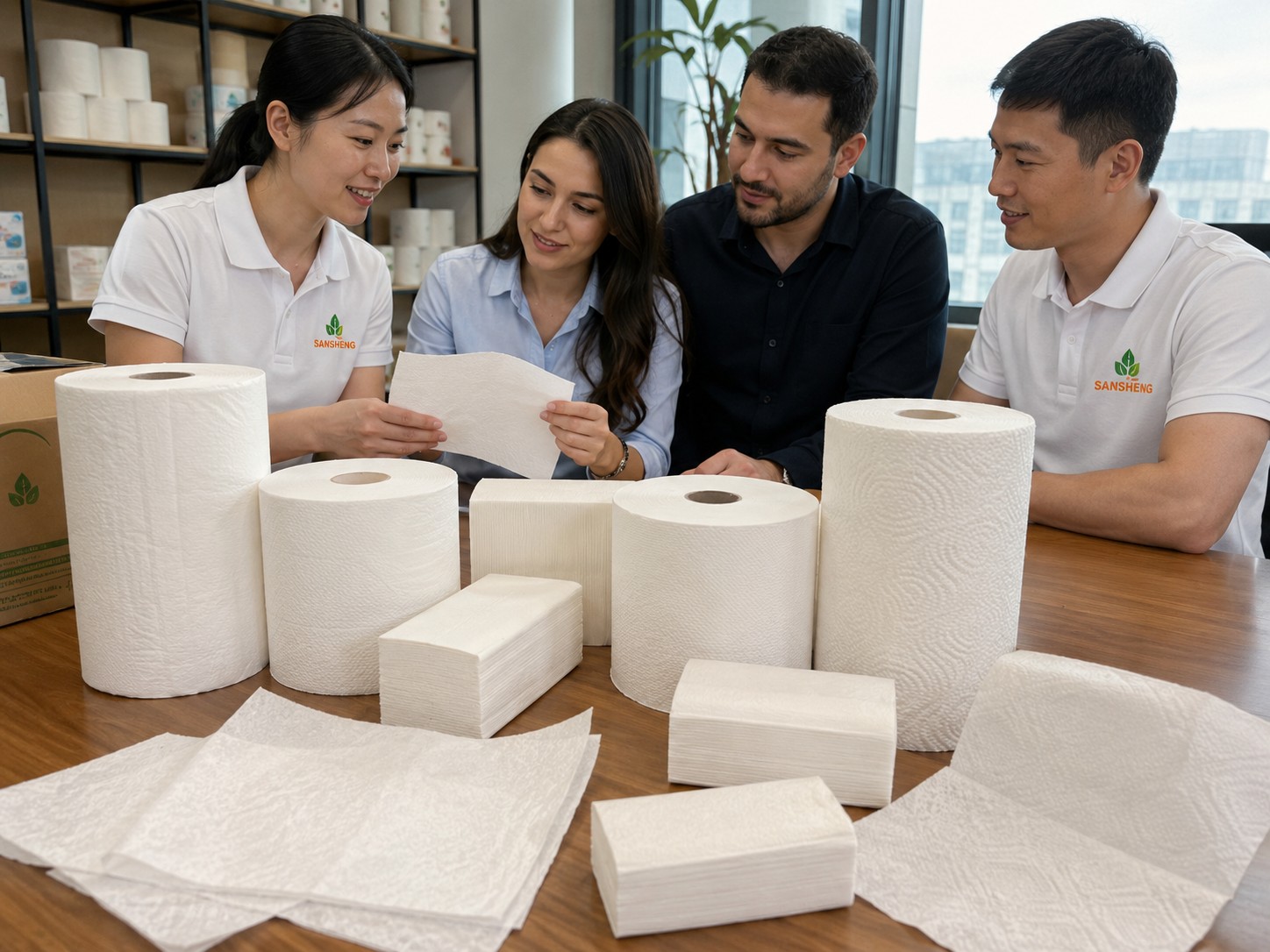
Why Buyers Choose Us
One-Stop Tissue Supply
Factory Quality Control
OEM & Private Label
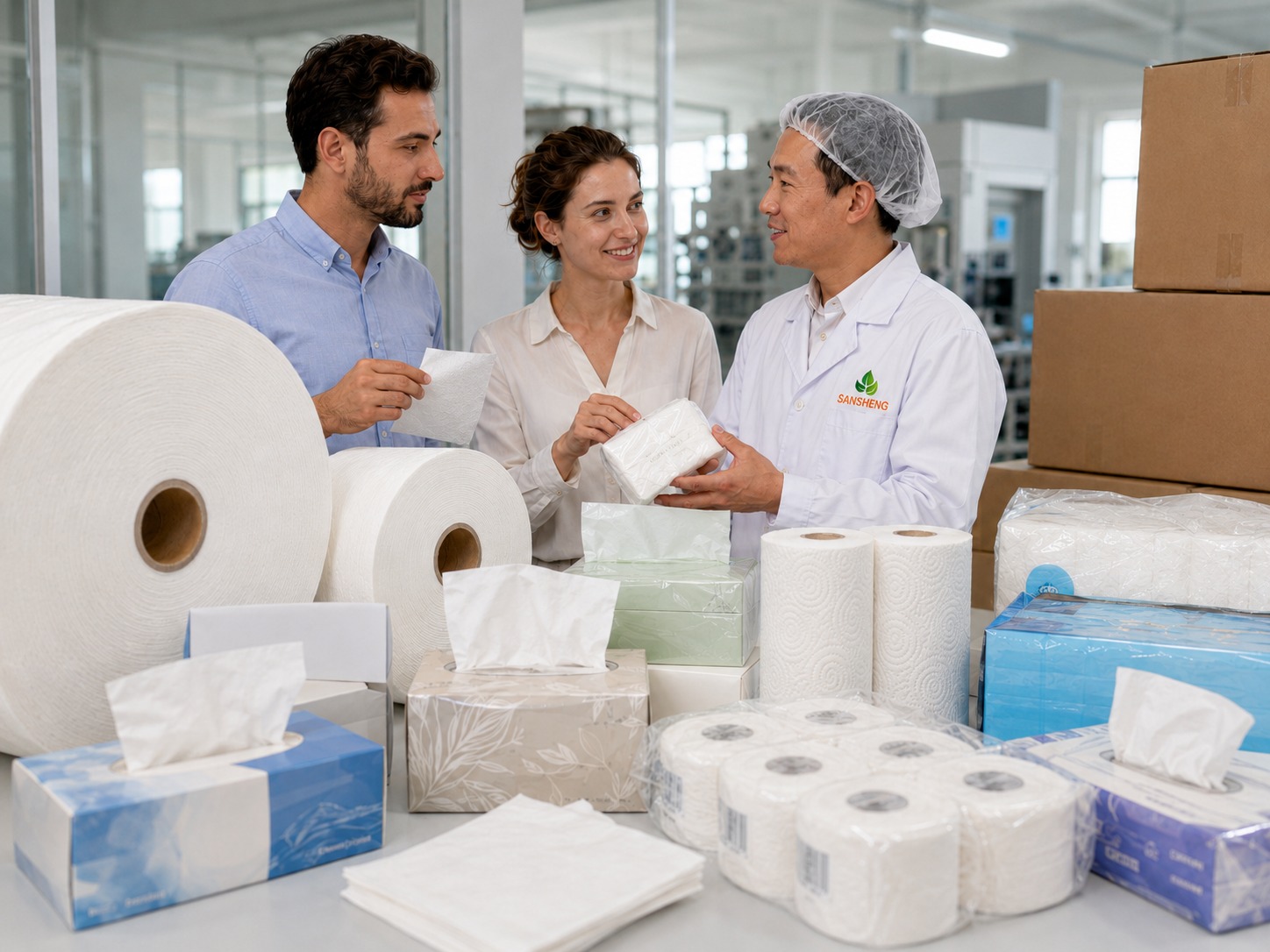
One-Stop Tissue Paper Supply from China
As a Tissue Paper Supplier in China, Sansheng Paper helps B2B buyers source jumbo rolls, finished tissue products and private label programs with clearer specs, practical packing and repeat-order support.
- Full product range — jumbo rolls, toilet paper, facial tissue, towels and napkins.
- Stable execution — sample confirmation, QC checks and carton planning.
- Export support — private label packing, 40HQ loading and repeat supply.
Related: Tissue Mother Rolls | Paper Towel Manufacturer
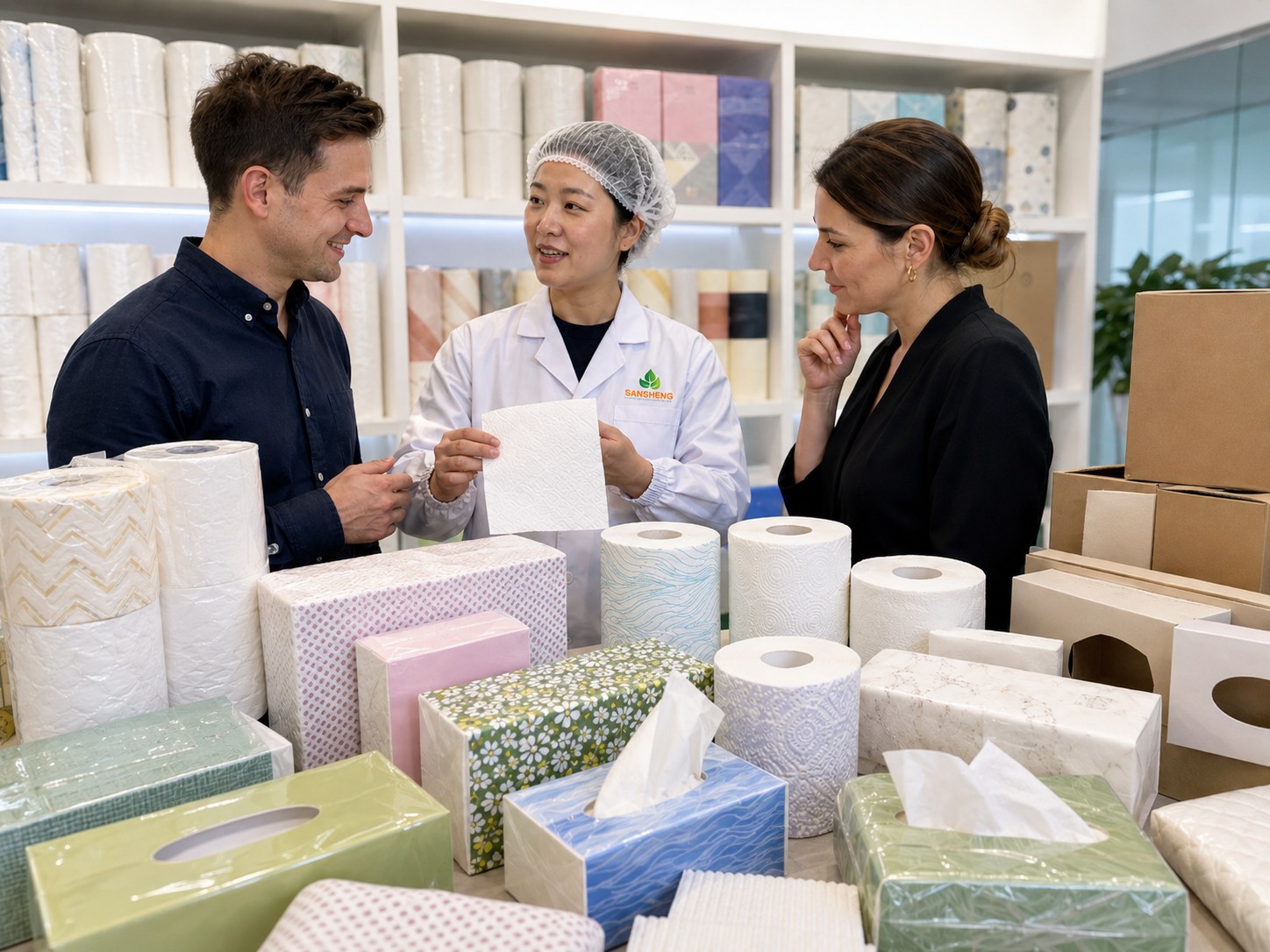
Private Label Tissue Supply from China
As a Tissue Paper Supplier in China, Sansheng Paper helps buyers develop OEM tissue products with clear packing, carton marks and repeat-order references.
- Custom packing for toilet paper, facial tissue, towels and napkins.
- Private label support for layout, barcode and carton direction.
- Repeat orders based on approved specs and packing samples.
Smarter Loading for Bulk Tissue Orders
As a Tissue Paper Supplier in China, Sansheng Paper helps buyers plan cartons, loading space and shipment details before container dispatch.
- Carton review before order confirmation.
- 40HQ loading advice for jumbo rolls and finished tissue.
- Pre-shipment checks to reduce loading mistakes.
Related: Tissue Mother Rolls | Paper Towel Manufacturer
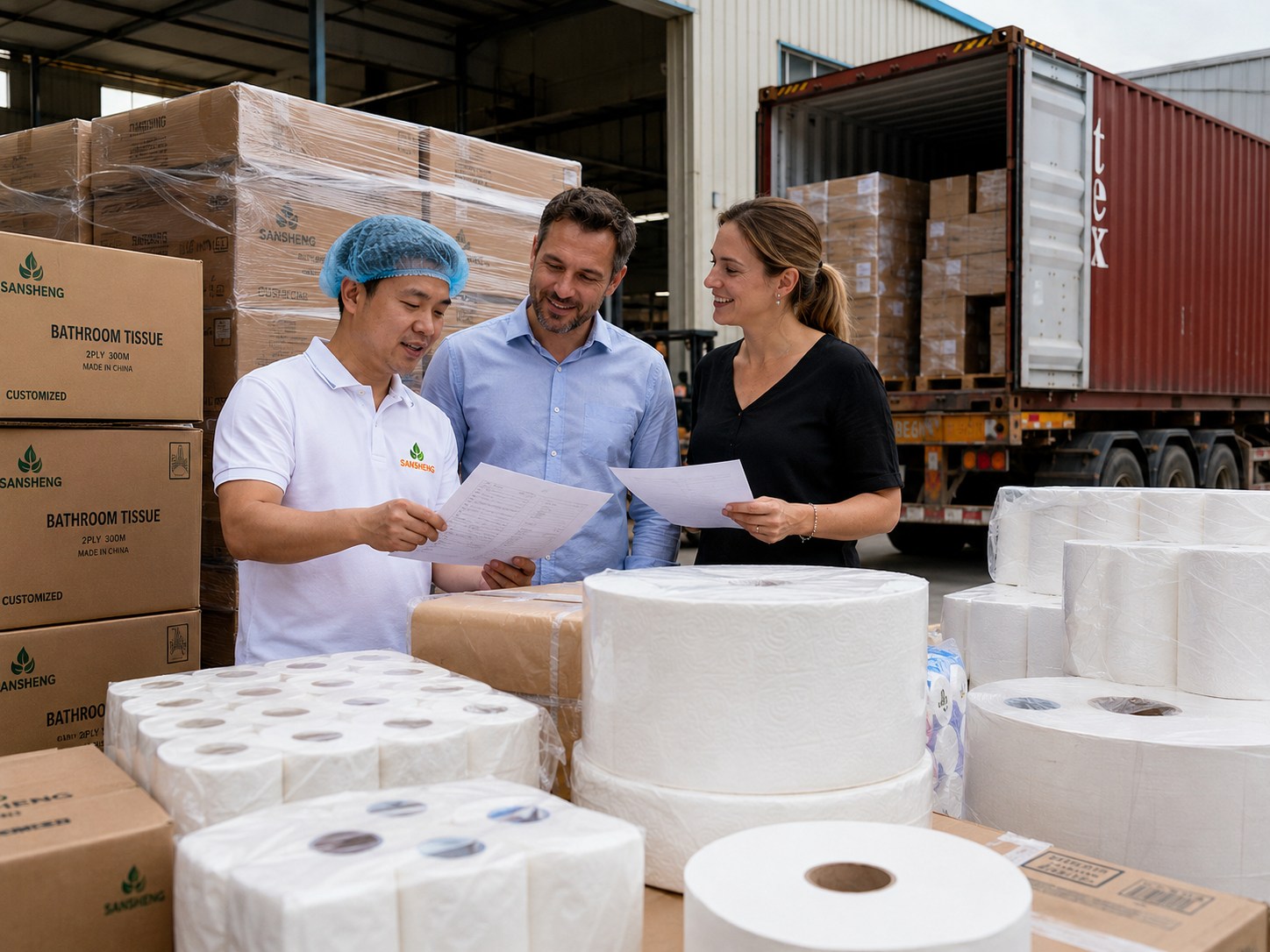
Quality Check Before Tissue Paper Shipment
As a Tissue Paper Supplier in China, Sansheng Paper checks key product and packing details before shipment to help buyers reduce repeat-order risk.
Related: Toilet Paper | Tissue Mother Rolls
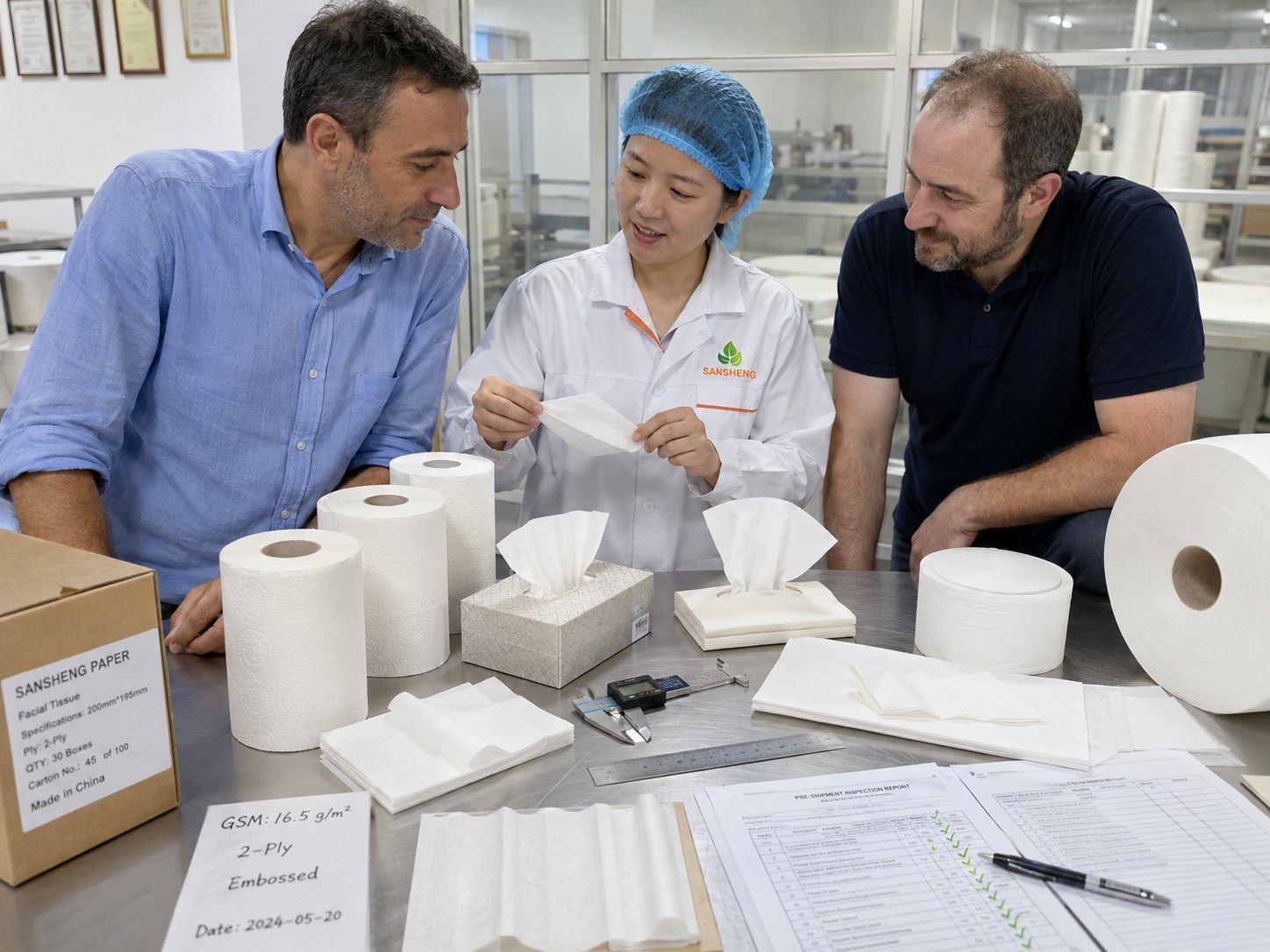
Product Specs Check
Review GSM, ply, size, roll weight, embossing and perforation before shipping.
Packing Accuracy
Check pack count, carton quantity, labels, carton marks and private label details.
Lower Repeat-Order Risk
Keep approved specs and packing references to support more consistent repeat orders.
Factory Trust Signals for Tissue Paper Buyers
As a Tissue Paper Supplier in China, Sansheng Paper helps buyers verify factory capability, product quality and export readiness before bulk orders.
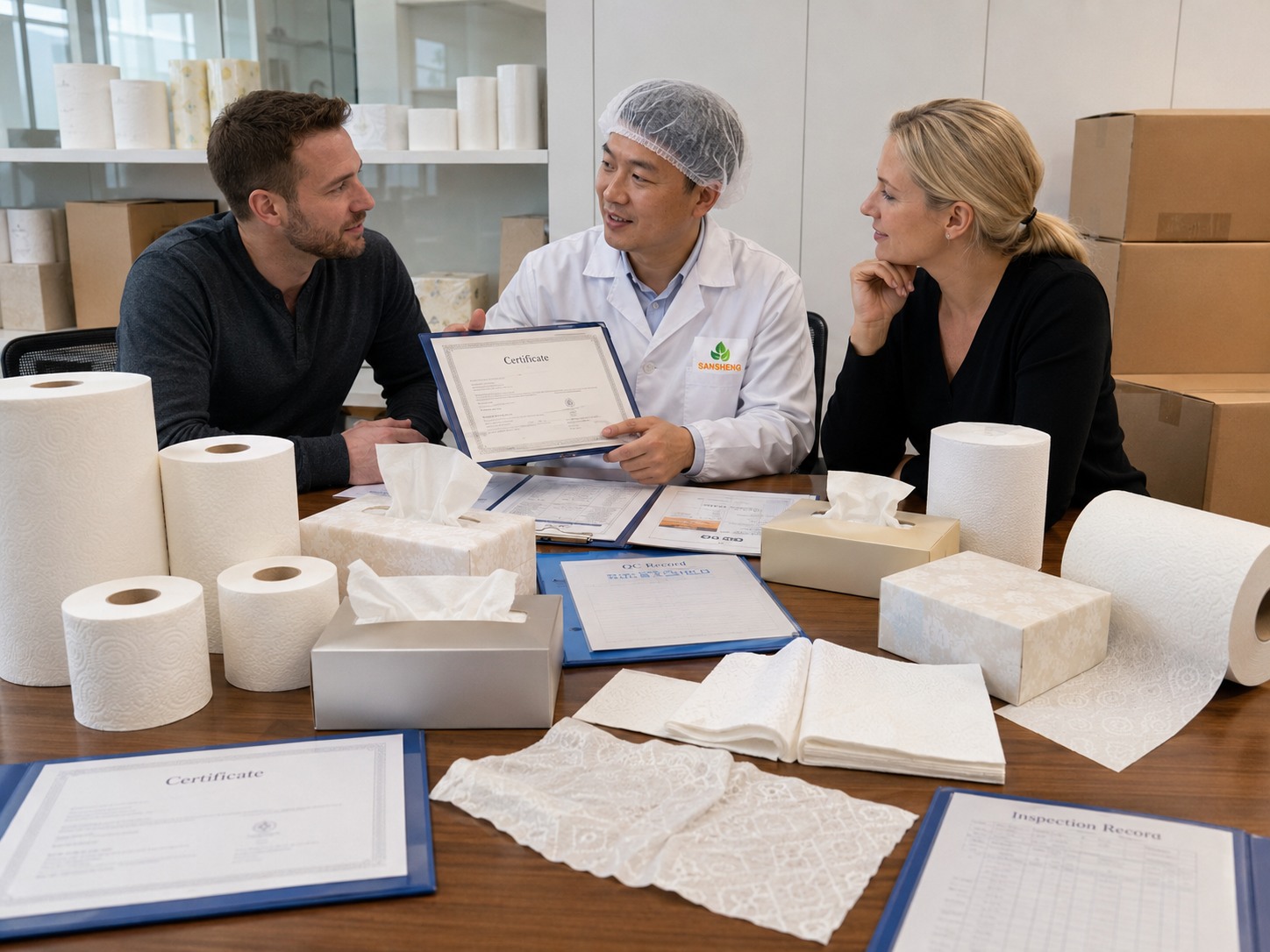
Documents Buyers Can Review
We provide available certificate, company and product documents to support supplier evaluation.
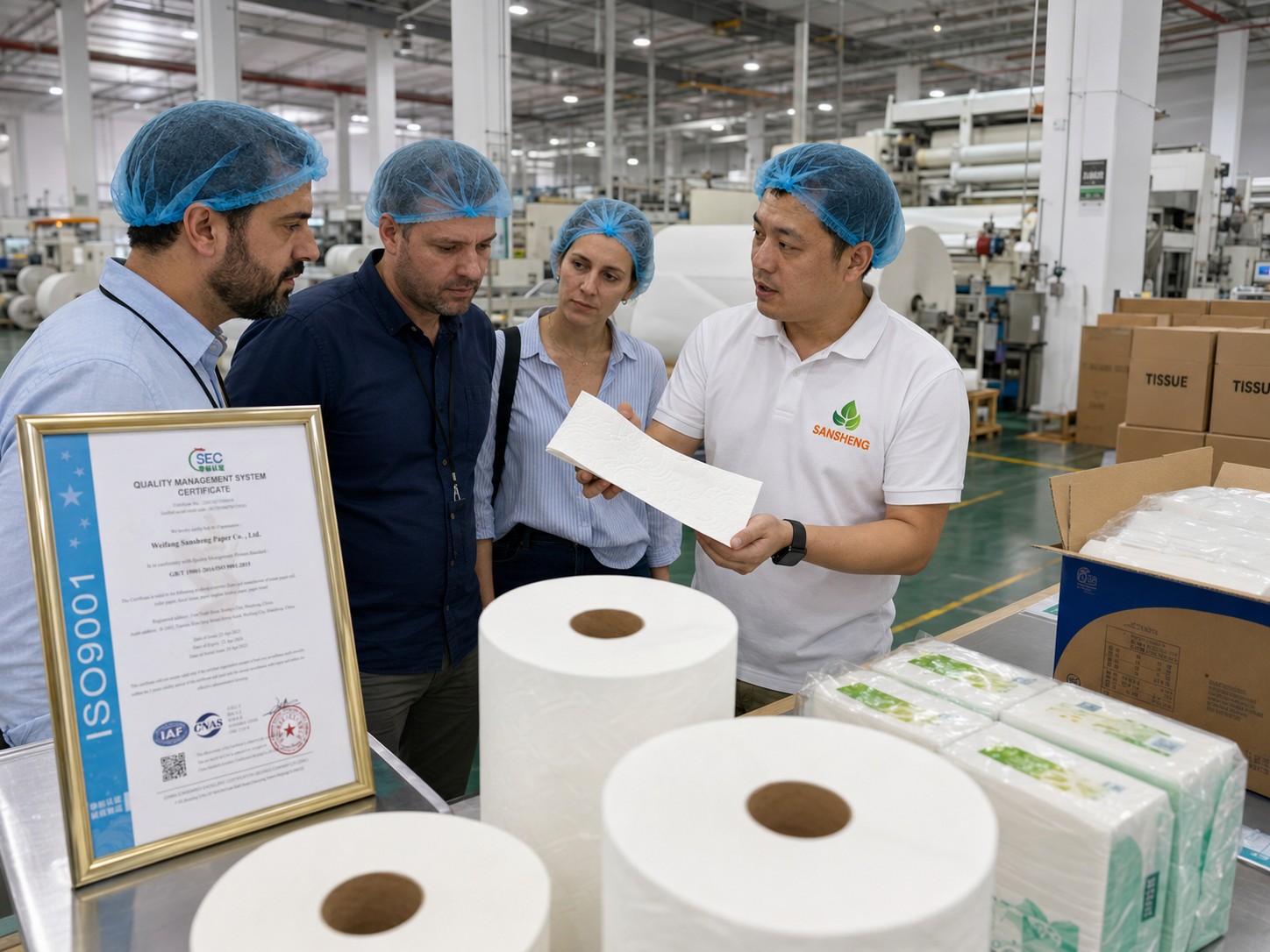
Real Production and Packing
Buyers can review tissue production, packing preparation, carton handling and shipment readiness.
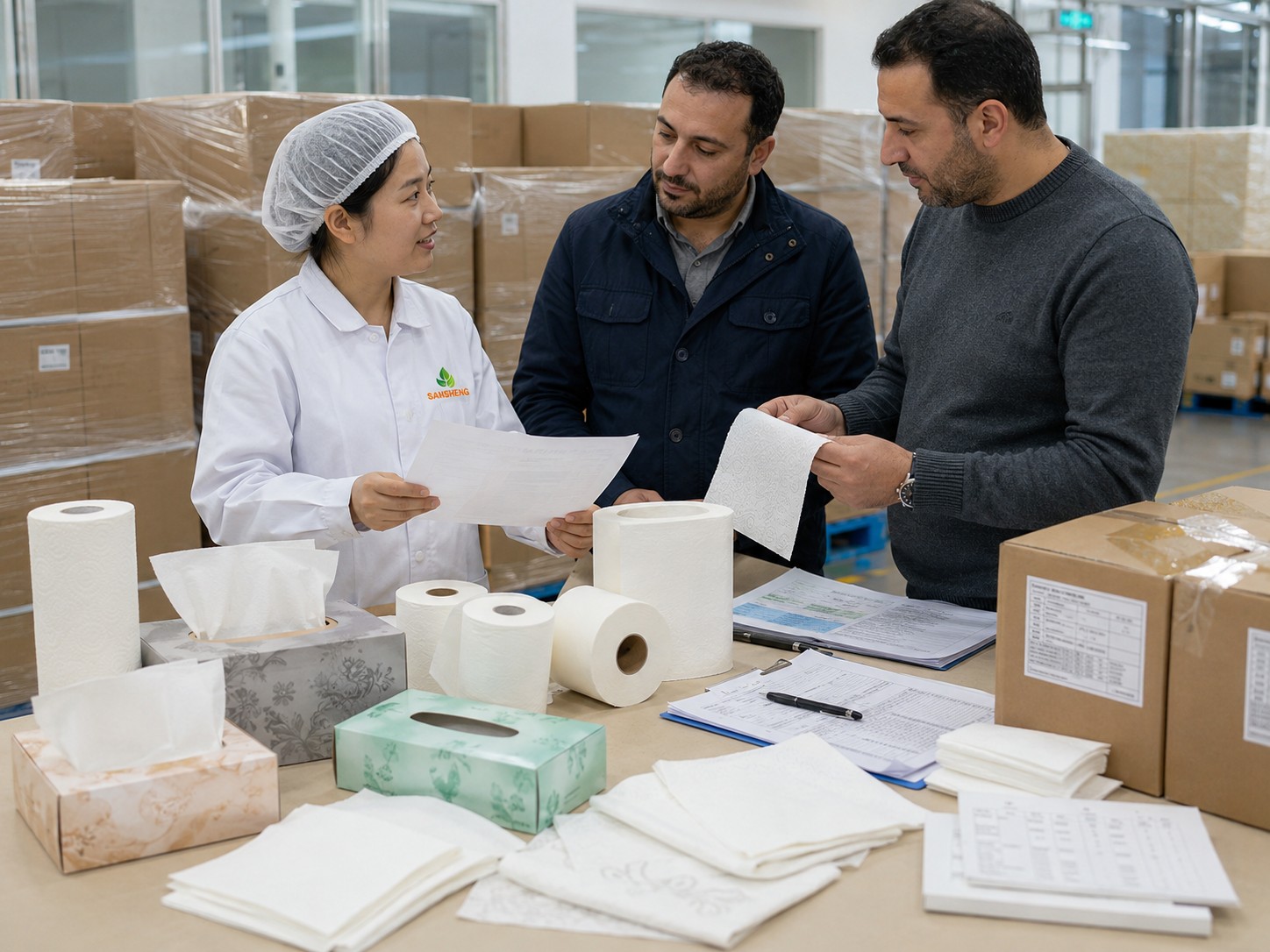
Order Details Before Export
We support checks on specs, packing, carton marks and loading references before shipment.
Need supplier verification? Send your product type and target market. We can share suitable factory information, certificate support and shipment references.
Related: Tissue Mother Rolls | Toilet Paper
“Sansheng Paper helped us match tissue jumbo rolls, packing direction and container loading before shipment. It made repeat orders easier to control.”

Tissue Converter Buyer
Jumbo Roll Purchasing · B2B Tissue Converting
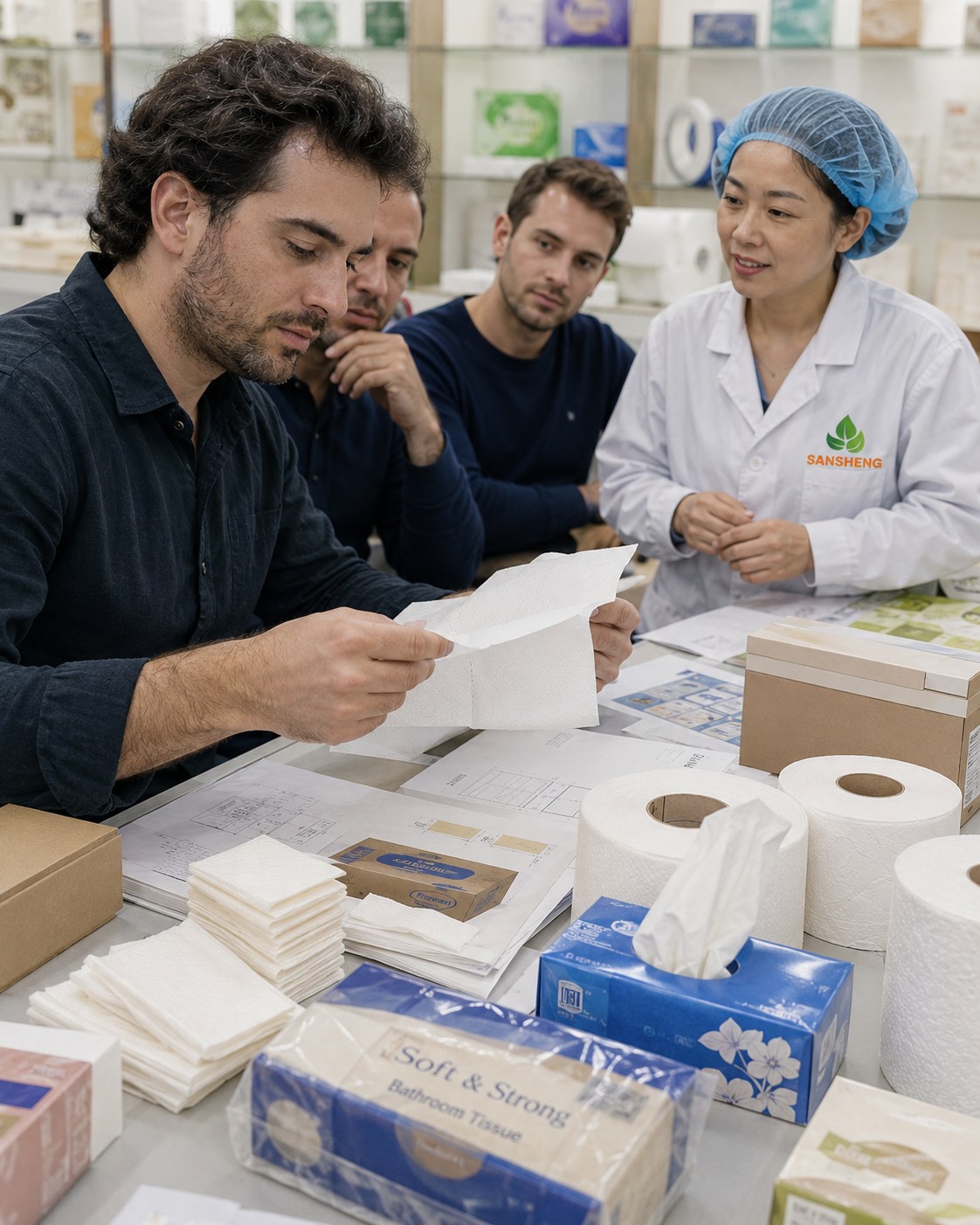
“We needed a Tissue Paper Supplier in China that could support private label packing, carton marks and stable product references for repeat supply.”
Private Label Buyer
OEM Tissue Program · Retail Supply
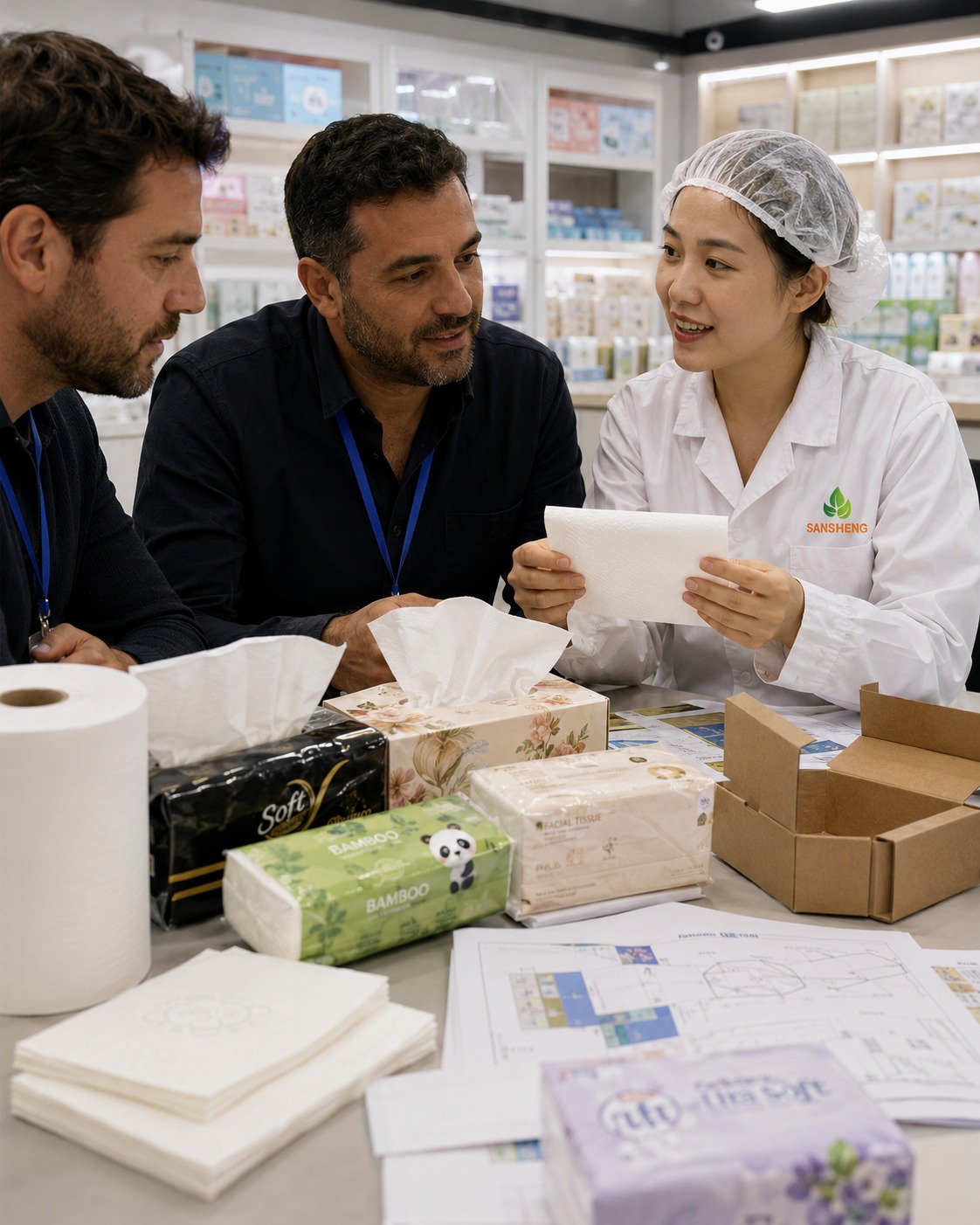
“The pre-shipment checks, carton review and loading advice helped us reduce uncertainty before moving into full-container tissue orders.”
Import Distributor
Toilet Paper · Facial Tissue · Paper Towels
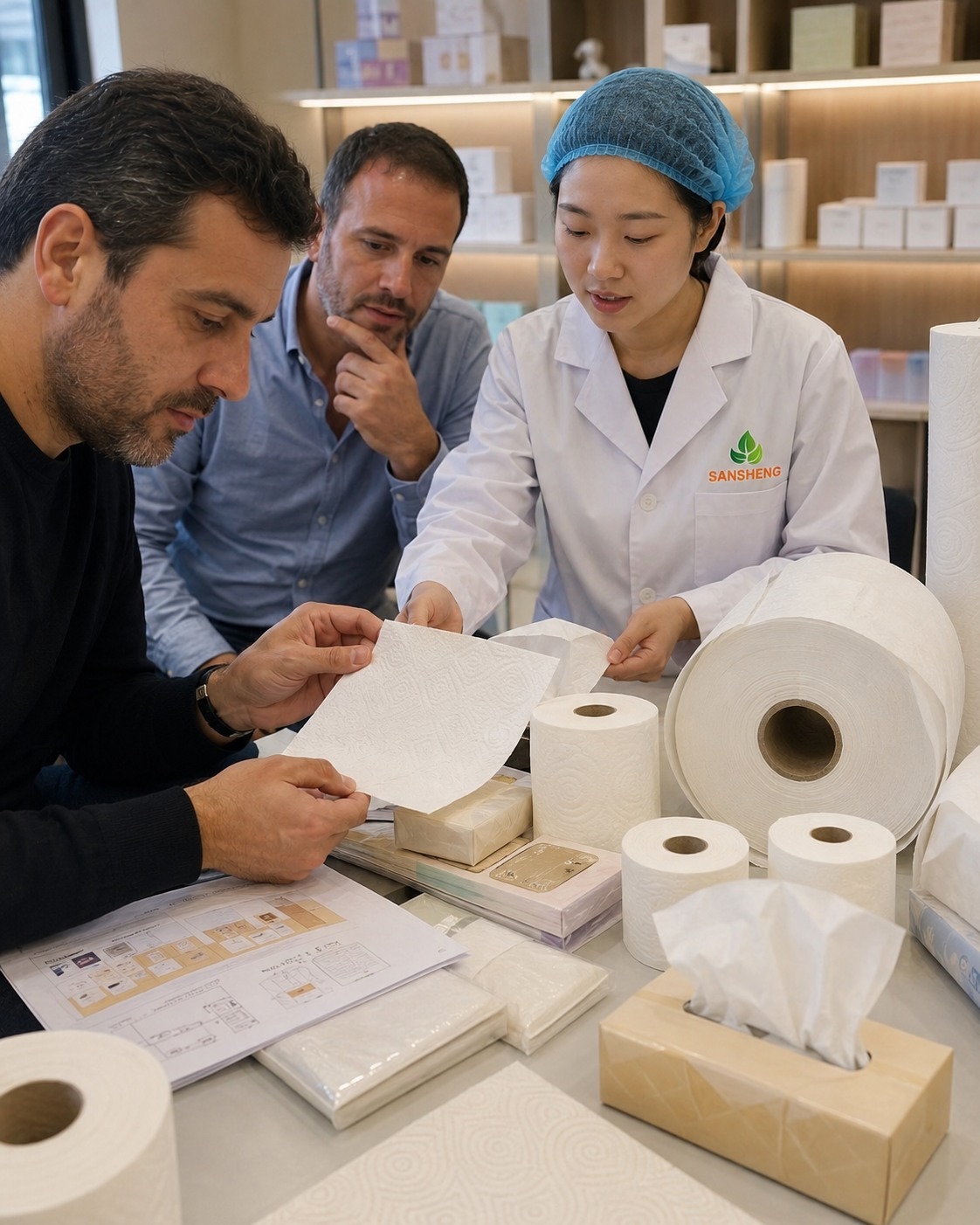
“For bulk tissue paper sourcing, we care about stable specs, clear packing and reliable export handling. Sansheng’s support made communication more practical.”
Wholesale Tissue Buyer
Importing · Distribution · Repeat Orders
From Our Blog
Read tissue paper market updates, sourcing guides and product selection tips from a Tissue Paper Supplier in China.
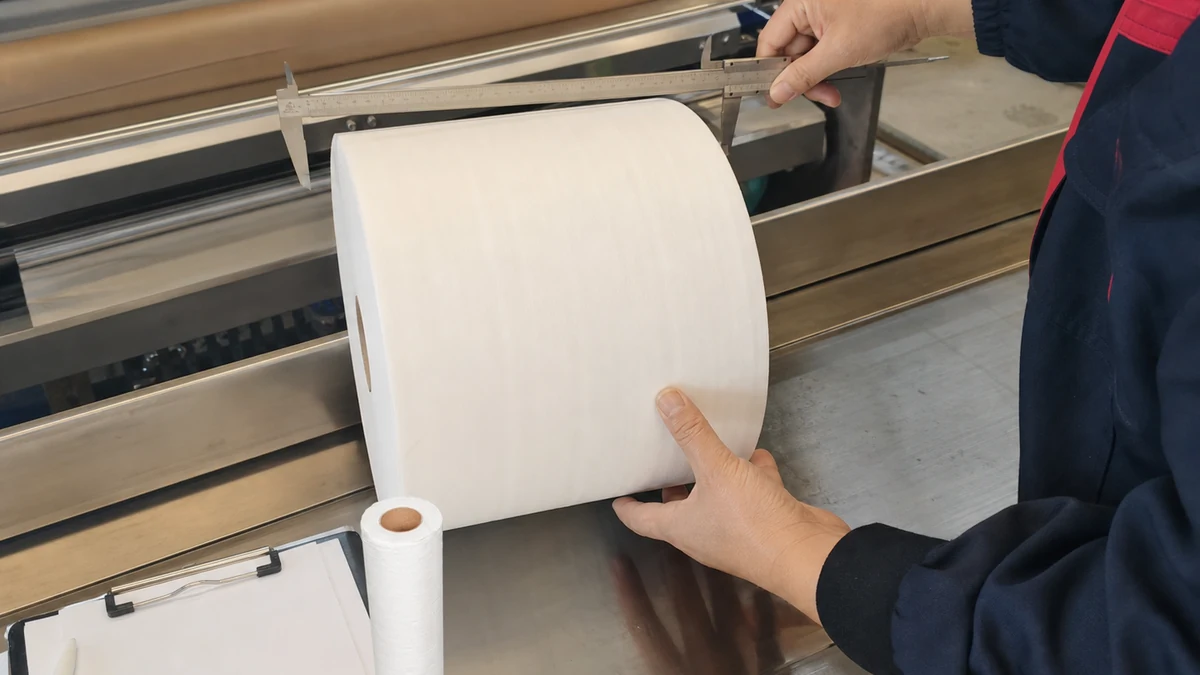
How to Find a Reliable Exam Table Paper Supplier in China?
Assess suppliers through factory identity, samples, change control, traceability, packing and shipment-specific records.
Read More →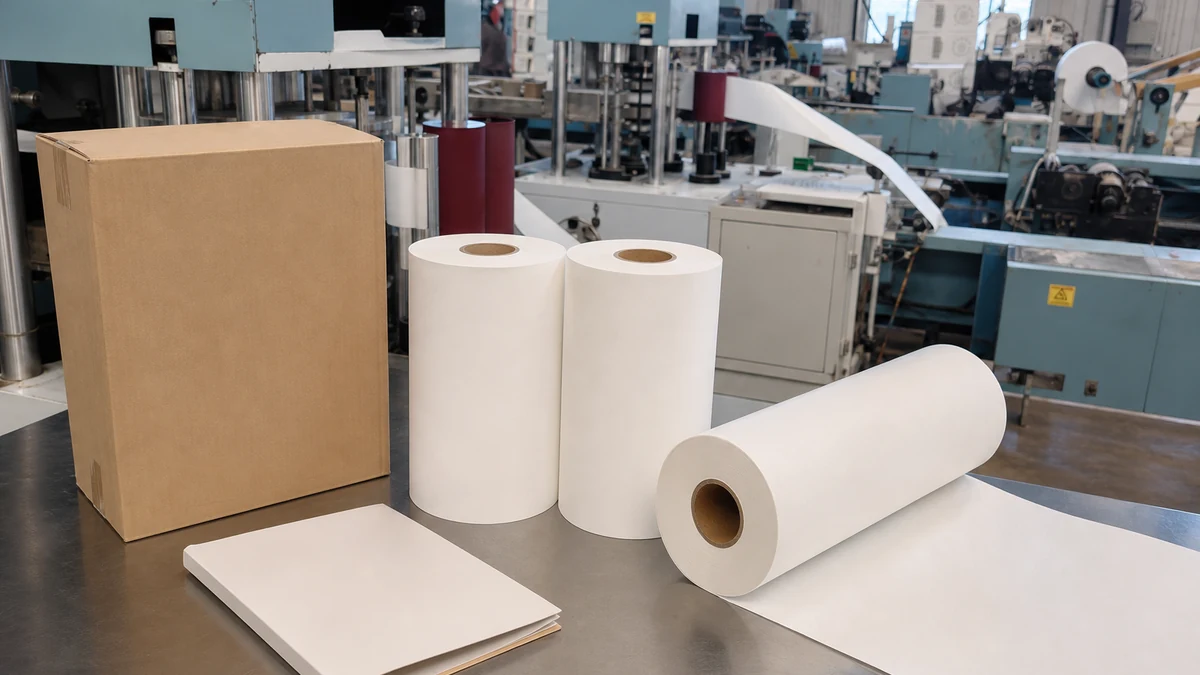
Why Choose Sansheng for Exam Table Paper Rolls from China?
Review specification, sample, converting, packing and shipment-control workflows before ordering.
Read More →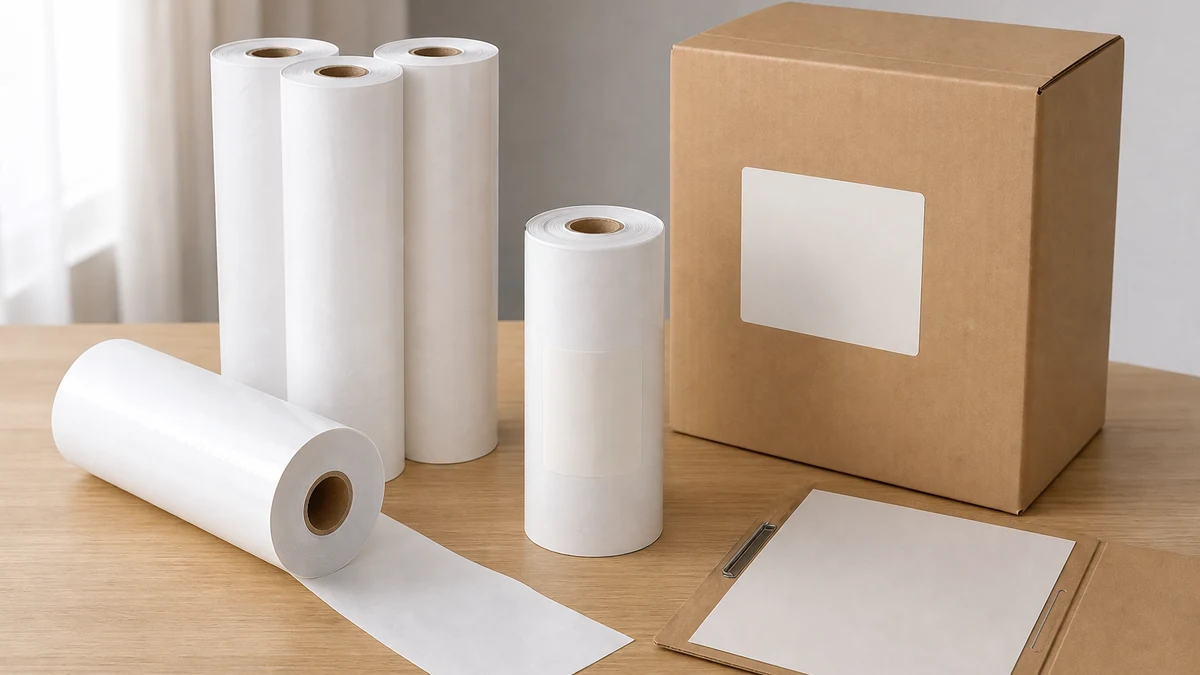
How Does OEM Exam Table Paper Manufacturing Work in China?
Plan specification freeze, samples, private-label packing, pilot approval, production and change control.
Read More →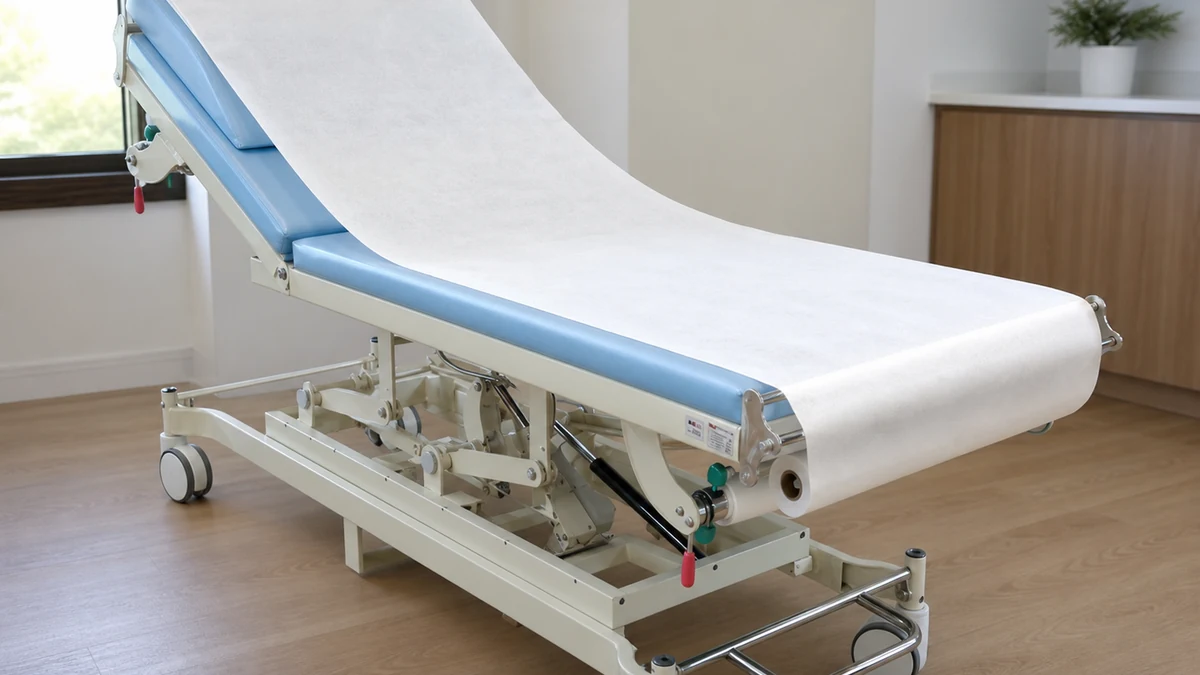
How to Choose a Medical Couch Roll Manufacturer in China?
Compare material, width, GSM, perforation, roll length, packing and process controls.
Read More →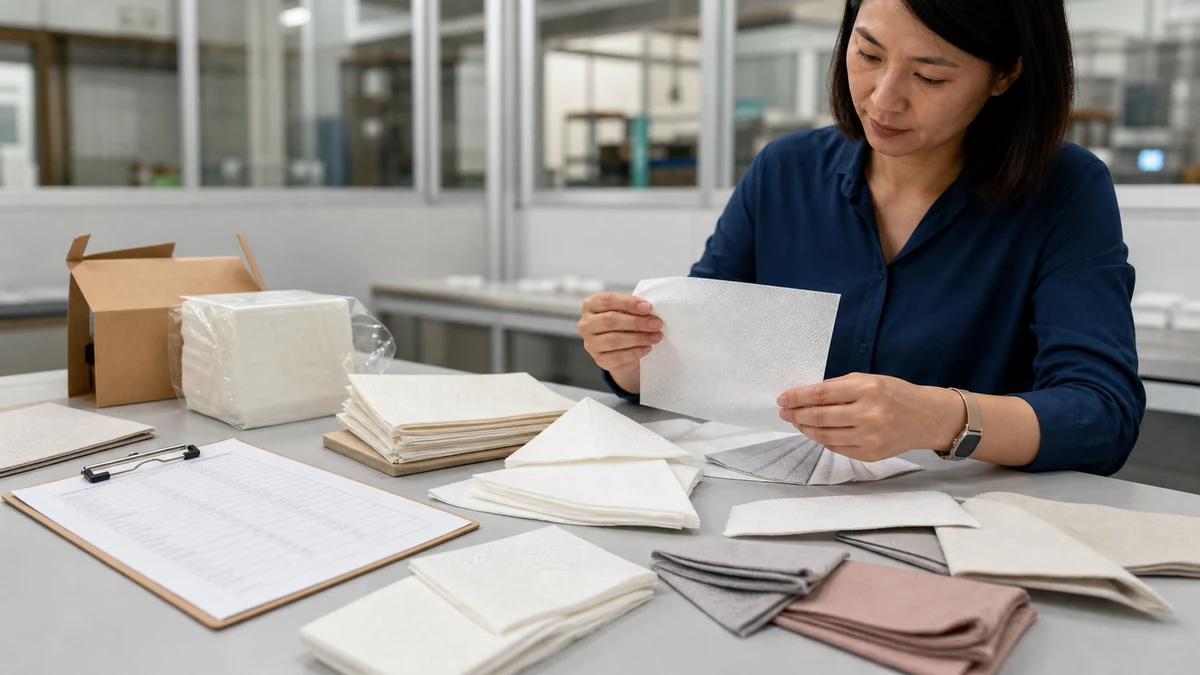
How to Choose the Best Airlaid Napkins Supplier in China
Compare GSM, fold, packing, samples, loading and document scope before approving a bulk order.
Read More →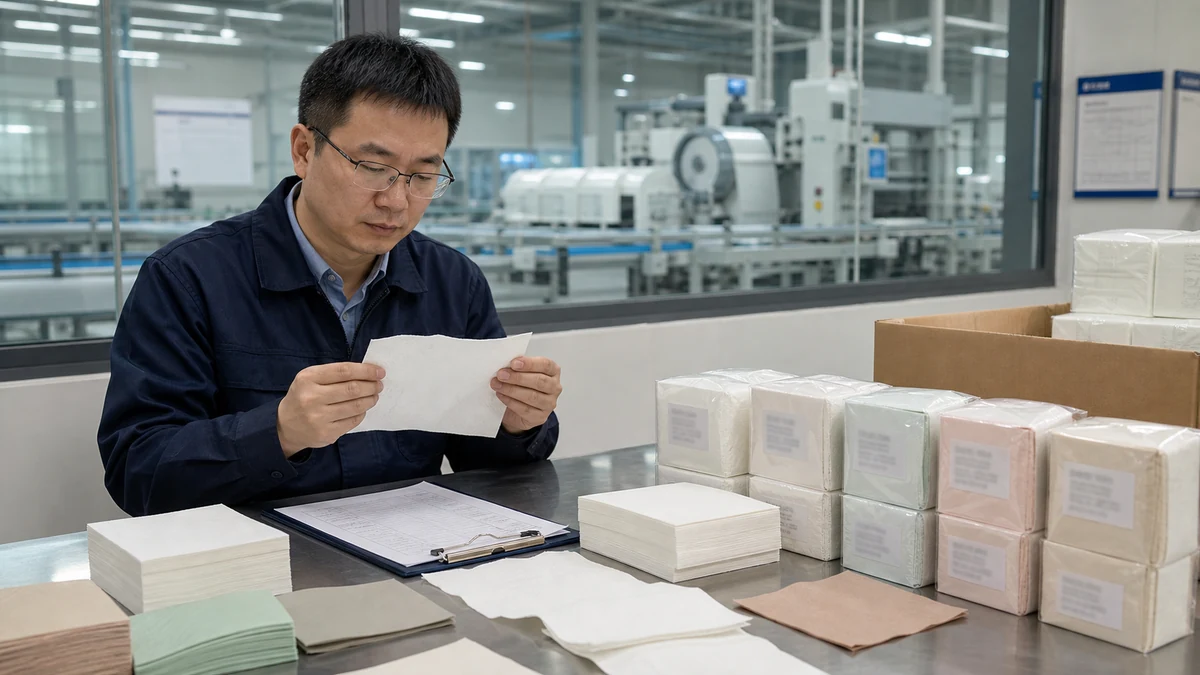
What Makes a China Airlaid Napkin Manufacturer Reliable?
Audit traceable samples, batch QC, change control, packing and shipment-specific evidence.
Read More →Ready to Start Your Tissue Paper Supply Program?
Work with a Tissue Paper Supplier in China for jumbo rolls, toilet paper, facial tissue, paper towels, napkins and OEM private label tissue supply.
- Product type and target market
- Size, ply, GSM or roll format
- Packaging or private label needs
- Quantity, port and container plan
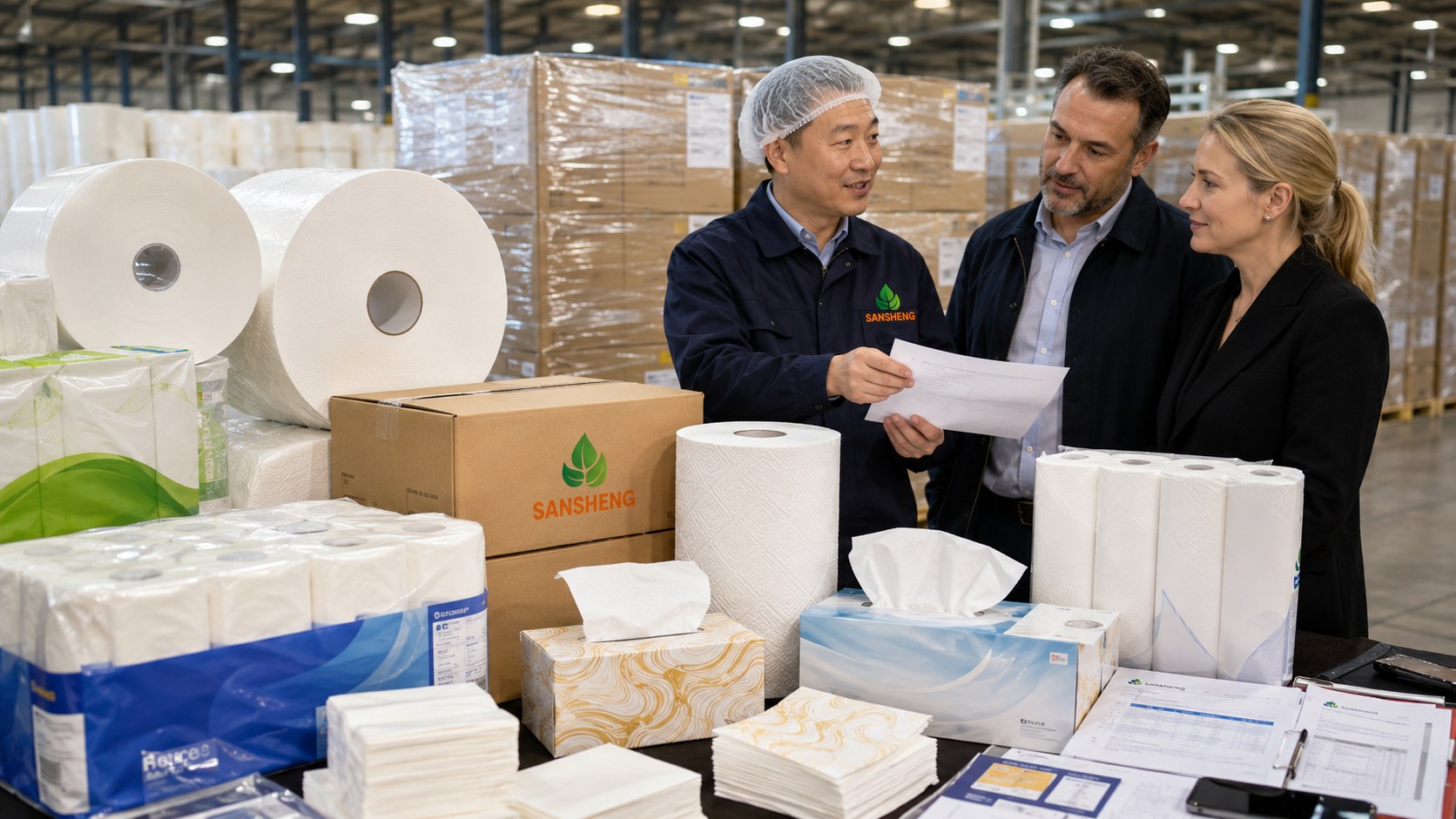
Faster Matching for Bulk Tissue Orders
Send your basic specs. Sansheng Paper will help review product fit, packaging direction, MOQ, FOB price and loading plan.
