Airlaid napkins · Packaging reduction
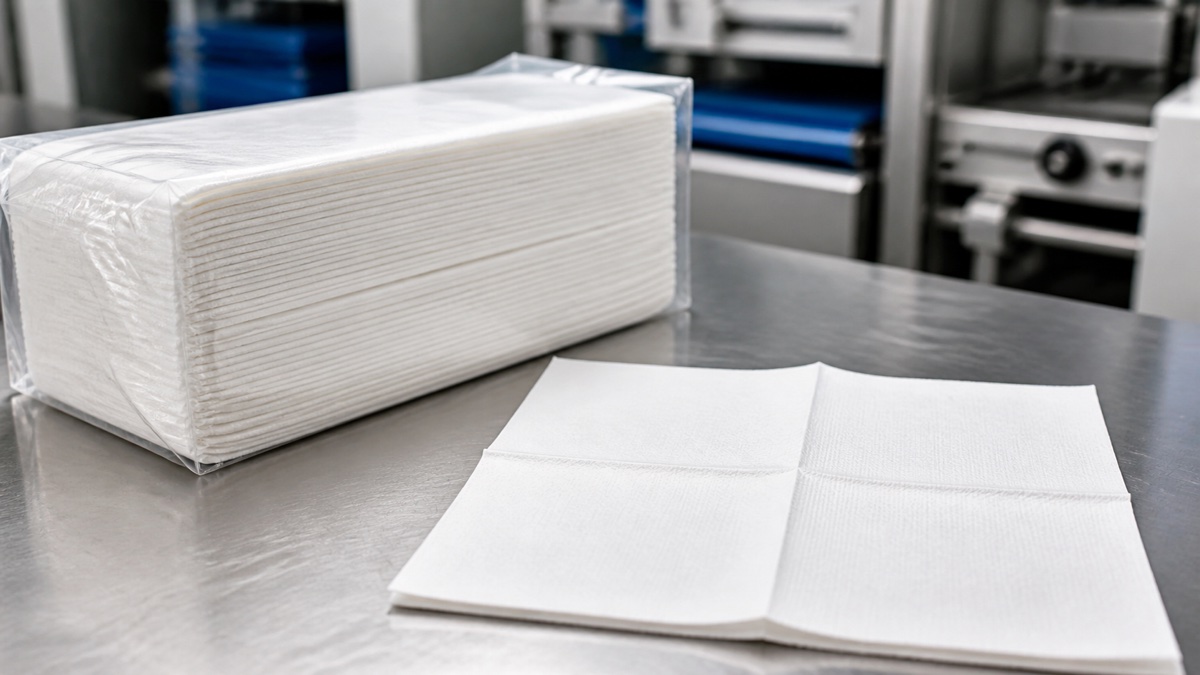
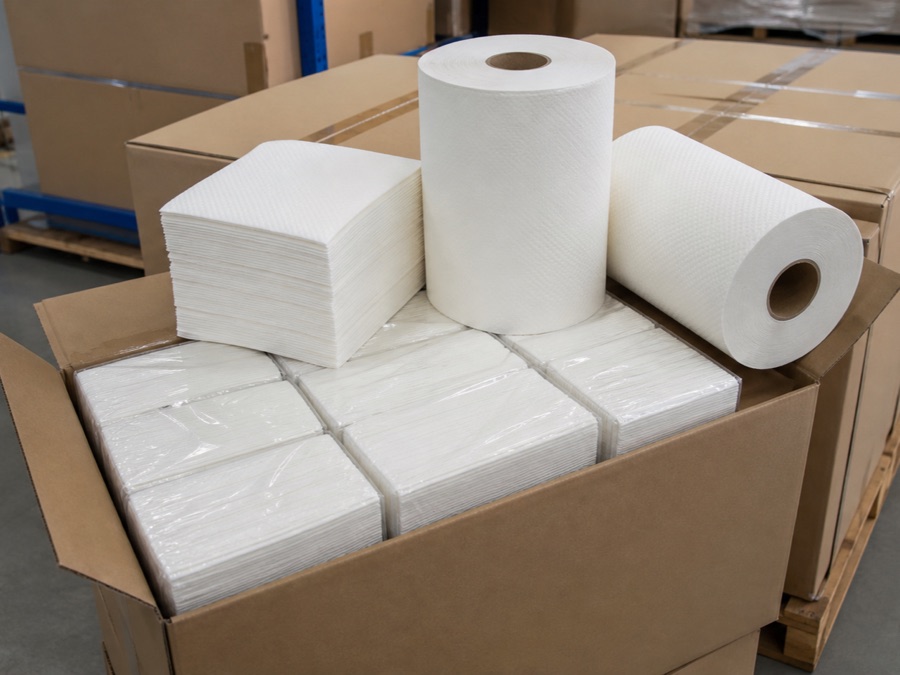
For a airlaid napkin manufacturer, reduce packaging only after measuring each component and testing the saleable pack, master carton and pallet together. A lighter film or carton is useful only if napkin protection, counting, presentation and FCL stability remain acceptable.
PPWR creates a current reason to review packaging, but this guide does not claim that one material reduction automatically satisfies every legal requirement.
Send the destination market, SKU, expected volume, packaging format and evidence already available. We will identify the open specification points before quotation.
Reusable procurement data
Direct answer for buyers
A airlaid napkin manufacturer should support this decision with the exact approved SKU, measurable fields and controlled records. Reduce packaging only after measuring each component and testing the saleable pack, master carton and pallet together. A lighter film or carton is useful only if napkin protection, counting, presentation and FCL stability remain acceptable.
Establish the baseline pack weight
When evaluating a airlaid napkin manufacturer, a reduction project needs a component-level baseline tied to one approved SKU.
Weigh retail film or carton, labels, inserts, master carton and transport wrap separately. Put this requirement into the RFQ before comparing prices.
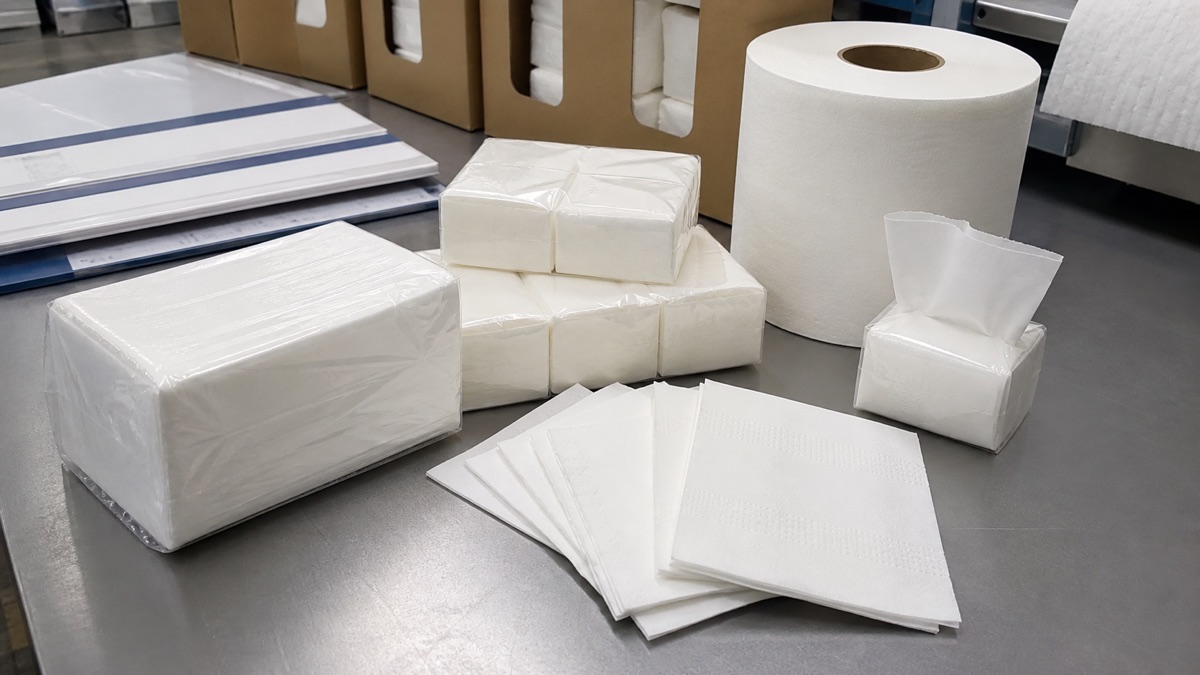
Record napkin count, fold, compressed stack height and final case dimensions. Confirm it against the approved physical sample or controlled record.
Use the same conditioning and sampling approach when comparing alternatives. If the field is unresolved, assign an owner and due date instead of assuming equivalence.
For buyers, the practical test is whether this section produces a decision that purchasing, quality and the airlaid napkin manufacturer can repeat. Record the input, evidence, approval status and limitation in one place so the next order does not depend on an email trail or an unlabelled sample.
Where can weight be removed safely?
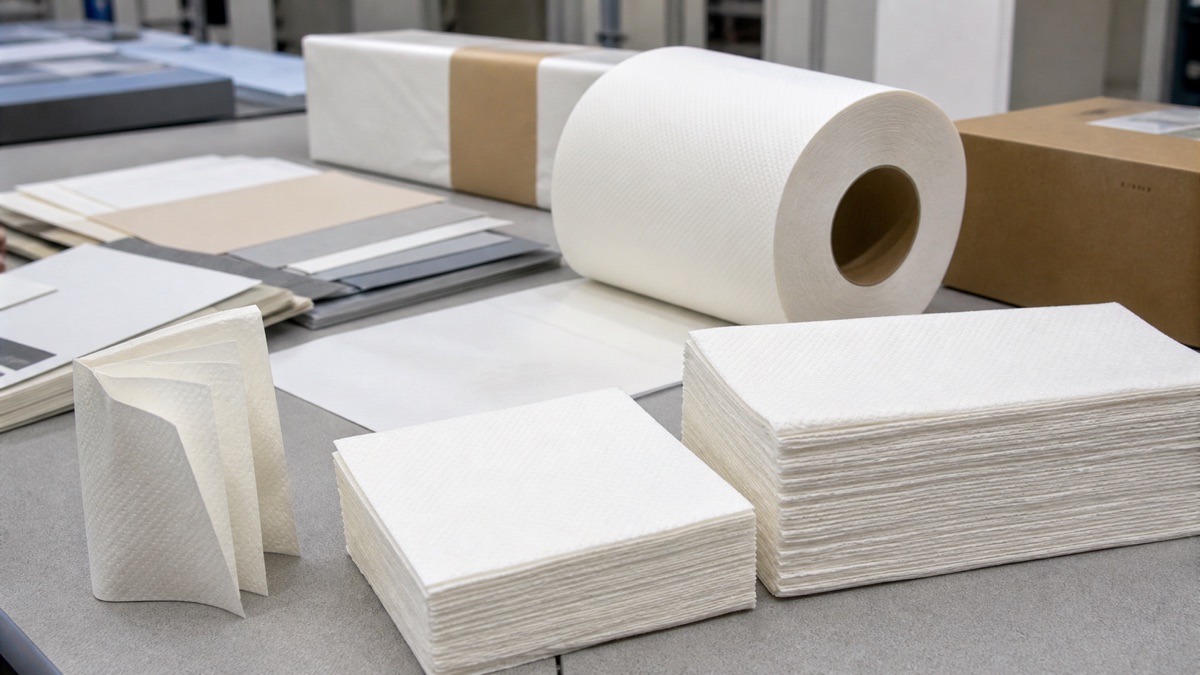
When evaluating a airlaid napkin manufacturer, start with avoidable layers and excess dimensions before weakening essential protection.
Review duplicate bags, oversized cartons, unnecessary inserts and unused headspace. Put this requirement into the RFQ before comparing prices.
Test whether lower-gauge film still seals and resists puncture around napkin corners. Confirm it against the approved physical sample or controlled record.
Check whether a lighter board grade maintains stacking strength through the planned route. If the field is unresolved, assign an owner and due date instead of assuming equivalence.
For buyers, the practical test is whether this section produces a decision that purchasing, quality and the airlaid napkin manufacturer can repeat. Record the input, evidence, approval status and limitation in one place so the next order does not depend on an email trail or an unlabelled sample.
Compression changes the product presentation
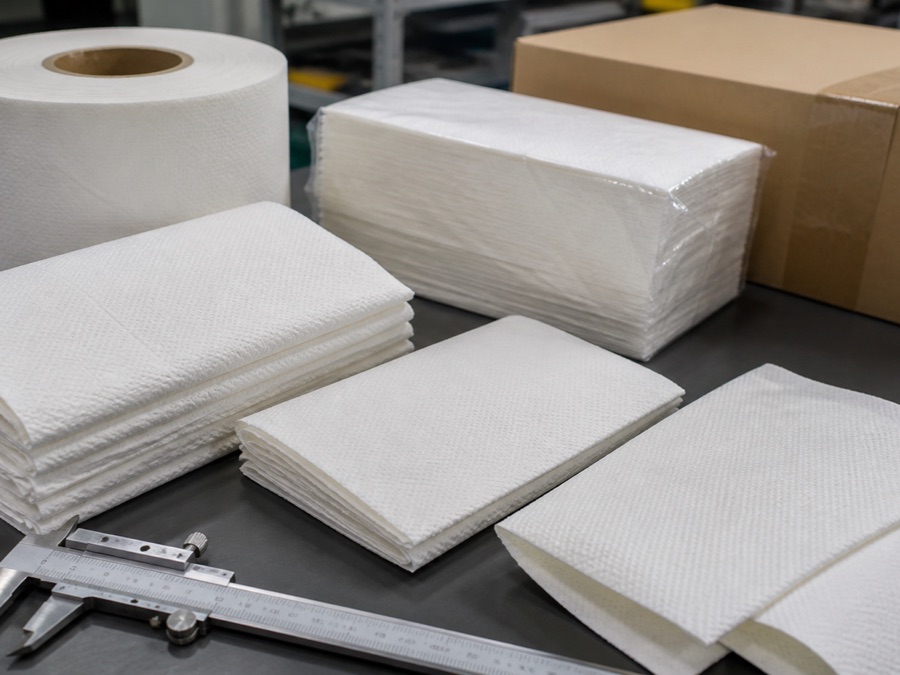
When evaluating a airlaid napkin manufacturer, airlaid napkins recover differently depending on material, fold, embossing and packing pressure.
Compare stack height before packing and after a defined recovery period. Put this requirement into the RFQ before comparing prices.
Inspect edge curl, fold memory, surface marking and count accuracy after compression. Confirm it against the approved physical sample or controlled record.
Reject pack savings that create dispenser, shelf or end-user presentation problems. If the field is unresolved, assign an owner and due date instead of assuming equivalence.
For buyers, the practical test is whether this section produces a decision that purchasing, quality and the airlaid napkin manufacturer can repeat. Record the input, evidence, approval status and limitation in one place so the next order does not depend on an email trail or an unlabelled sample.
Approve the full shipping configuration
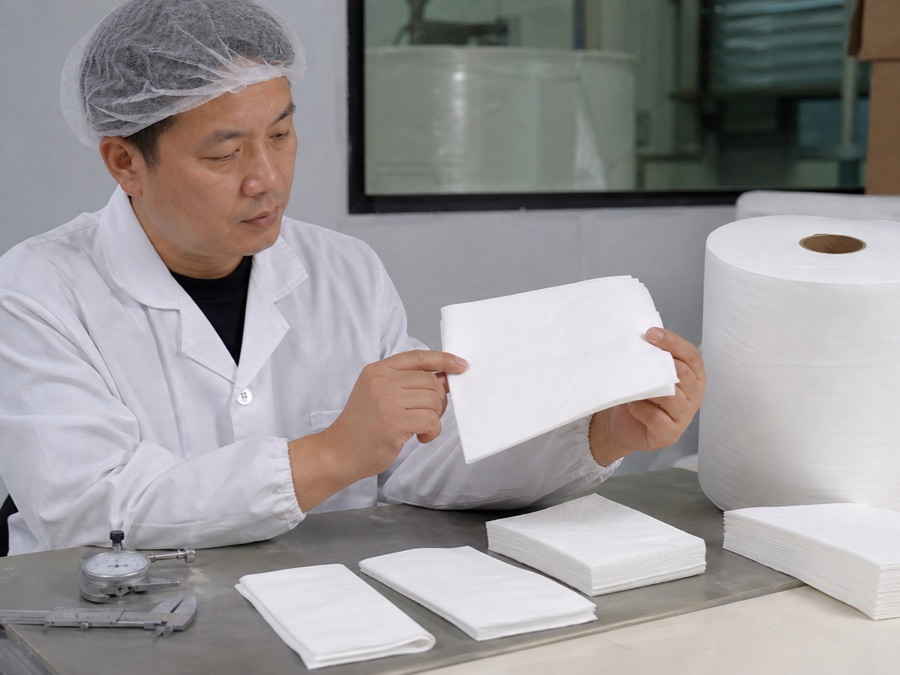
When evaluating a airlaid napkin manufacturer, the decision should cover retail unit, master case, pallet and container conditions.
Run a case-fill and pallet-pattern review with the final pack dimensions. Put this requirement into the RFQ before comparing prices.
Confirm handling and securing methods for the planned FCL route. Confirm it against the approved physical sample or controlled record.
Lock the component BOM and require approval before material substitution. If the field is unresolved, assign an owner and due date instead of assuming equivalence.
For buyers, the practical test is whether this section produces a decision that purchasing, quality and the airlaid napkin manufacturer can repeat. Record the input, evidence, approval status and limitation in one place so the next order does not depend on an email trail or an unlabelled sample.
Buyer control notes for the approval file
Ask the airlaid napkin manufacturer to identify the controlled specification and revision used for its answer.
Require the airlaid napkin manufacturer to separate measured facts from estimates and unverified marketing claims.
How to review the supplier response
Keep the commercial comparison on a same-spec basis. Record the exact SKU, destination, annual volume, order quantity, Incoterm and required evidence before asking suppliers to quote. Otherwise a lower price can reflect a different product, test condition, packing assumption or responsibility split rather than a better offer.
Define acceptance in observable terms. Use a named method, sample size, tolerance and decision rule wherever a result affects approval. Words such as premium, strong, sustainable or export quality cannot settle a receiving dispute because they do not tell either party what to measure or what happens after a failure.
Ask who owns each document and when it expires or changes. A file may be current on quotation day but disconnected from the production site, material, artwork or finished lot. The buyer should be able to follow the reference from the approved specification to the purchase order, shipment and complaint record.
Protect repeat orders with change control. Require written notice before a material source, process, dimension, pack count, artwork, test method or subcontracted step changes. The approval record should show whether the buyer accepted the change, requested a new sample or kept the previous specification.
Use samples to answer a defined question. A showroom sample can confirm appearance and basic dimensions, but it cannot prove mass-production consistency or transport performance. State whether the sample is for visual approval, laboratory comparison, converting trial, packaging trial or golden-sample retention, and label its revision accordingly.
Separate supplier evidence from buyer decisions. The supplier should provide accurate manufacturing, material and packing facts within its control. The importer, brand owner or distributor must still classify legal duties, retailer rules, claim wording and destination-market reporting with the appropriate internal or external specialist.
Review the total landed outcome rather than one attractive line item. Include rejected output, repacking, storage, freight cube, handling time, documentation work and the cost of delayed approval. The cheapest quoted unit can become the more expensive program when unresolved inputs surface after artwork or production begins.
Keep confidential data controlled. Buyers may need trace references or evidence of an upstream process without receiving every confidential document. Agree which information is shared directly, which is verified through a certificate or reference number, and which is retained for a qualified audit or incident investigation.
Put these fields into the RFQ
Use the checklist when comparing a airlaid napkin manufacturer. Replace planning language with the approved SKU, destination requirement, sampling method and written acceptance rule.
- Provide napkin size, fold, count, embossing and target retail format.
- Request component weights and dimensions for the current baseline.
- Define compression recovery, pack integrity and carton acceptance checks.
- Approve the final BOM, case count and pallet pattern together.
Airlaid Napkin Manufacturing Options · Airlaid Napkin Supply Formats · Paper Napkin Sourcing Options
Questions buyers also ask
Does lower packaging weight always reduce total cost?
No. Damage, repacking, lower pallet efficiency or slower packing can offset the material saving.
Should napkins be tested after compression?
Yes. Check recovery and presentation after a defined period that reflects the actual packing and distribution plan.
Can the supplier certify PPWR compliance?
A supplier can provide pack data and test records; the responsible EU business must determine its legal obligations.
Sources and scope notes
- European Commission — New EU packaging rules enter into application Supports: PPWR rules began applying on a phased basis from August 12, 2026 and cover packaging placed on the EU market. Limit: The Commission overview does not classify a specific tissue package or replace importer legal review.
- UNECE — IMO/ILO/UNECE CTU Code Supports: The CTU Code provides non-mandatory guidance for packing and securing cargo in containers across intermodal transport. Limit: It does not certify a particular carton, pallet pattern or container load.
Sansheng observations describe the current quotation and specification workflow for the product type. They are not a universal specification, laboratory result, certification claim or guarantee for an unapproved SKU.
Send a same-spec airlaid napkin manufacturer RFQ
Provide the target market, product revision, volume, packing configuration and required evidence. Sansheng will return the available fields and identify what still needs buyer approval.
Sales Manager at Sansheng Paper · 20+ years in tissue paper OEM & bulk export · LinkedIn