B2B procurement · Buyer guide
More sheets do not automatically create a better kitchen roll. Compare the number of sheets actually used for a defined spill with roll price, sheet area and absorption behavior. A kitchen towel supplier should supply the exact finished-roll specification and a repeatable test record; the buyer should test the use case that matters in its market before deciding between a high-count and a high-absorbency SKU.
The example is a comparison method, not a Sansheng claim that one grade outperforms another. Water, oil and wiping behavior require separate evidence.
Send the exact SKU, buying destination and inspection question you need reviewed.
Reusable procurement data
Direct answer
More sheets do not automatically create a better kitchen roll. Compare the number of sheets actually used for a defined spill with roll price, sheet area and absorption behavior. A kitchen towel supplier should supply the exact finished-roll specification and a repeatable test record; the buyer should test the use case that matters in its market before deciding between a high-count and a high-absorbency SKU.
Define the job before comparing a kitchen towel supplier
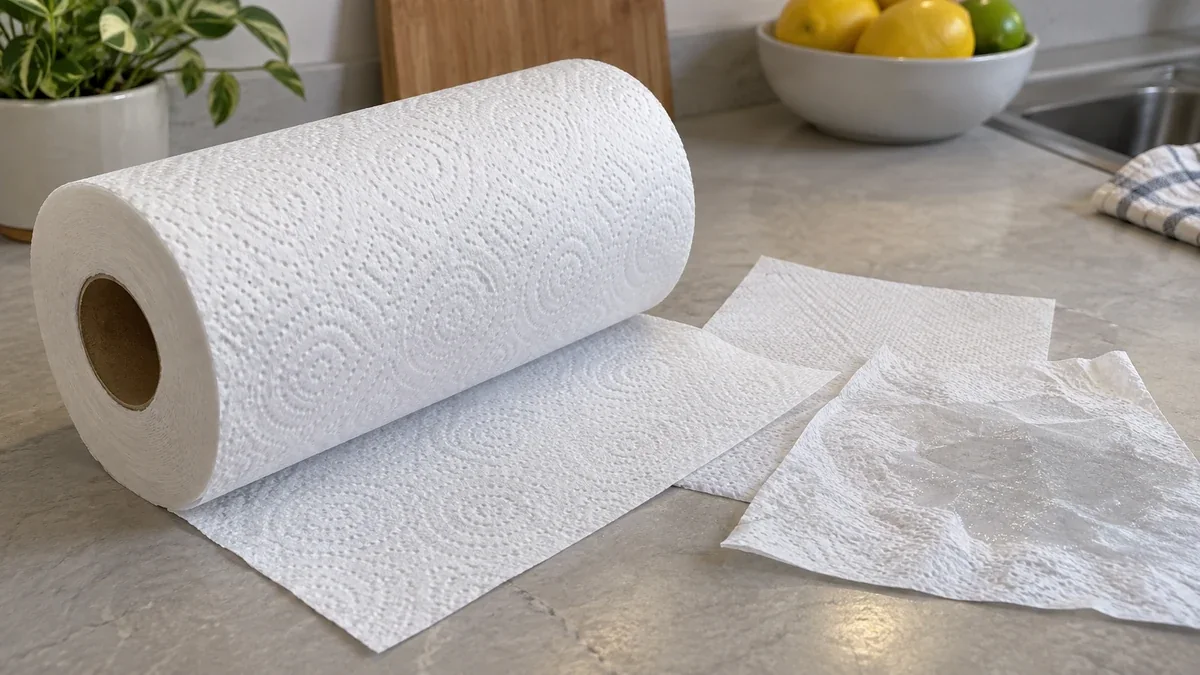
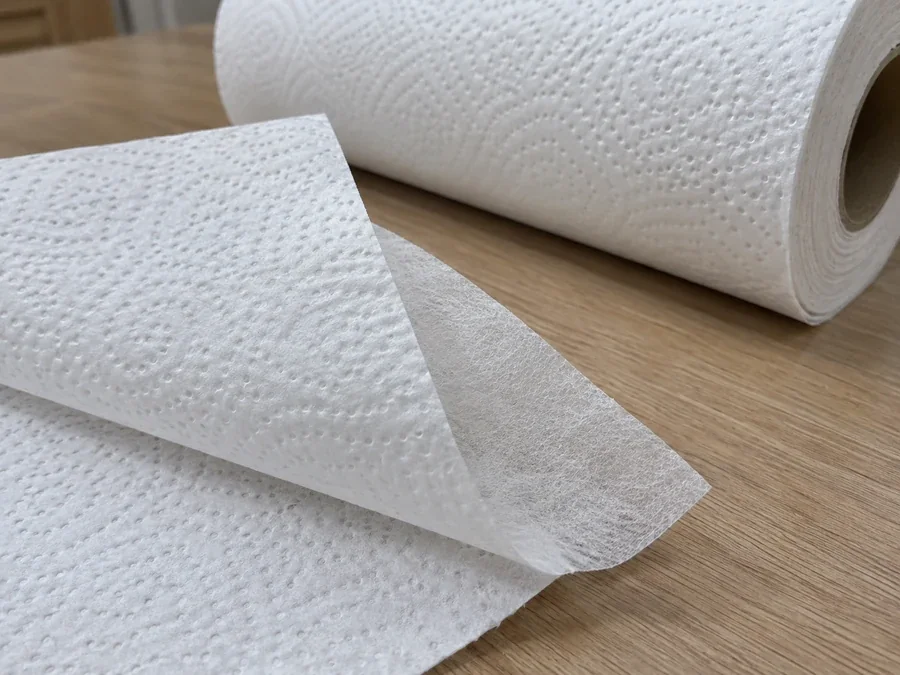
A household shopper may wipe a wet counter, blot cooking oil or clean a greasy pan; these are different jobs. Set one or two representative tasks, a defined liquid amount and the same surface for every sample. Note whether the towel must retain liquid while lifted or only absorb it initially. Obtain finished rolls, not loose parent-roll sheets, because embossing, ply joining and perforation influence what the shopper handles. Record sheet width, length, count, ply, grammage and roll diameter. If the proposed premium sheet is larger, compare area as well as nominal sheet count so that a bigger piece is not mistaken for a better material.
Use a repeatable absorption method and a use trial
ISO 12625-8 describes a basket-immersion method for water-absorption time and capacity. That can support controlled laboratory comparisons when samples are conditioned and tested consistently. It does not measure every practical kitchen task, and it says nothing about oil by itself. For a buyer use trial, give each tester an identical task and count the number of sheets used to reach a pre-agreed finish. Record failures such as tearing, residue or liquid passing through to the hand. Keep laboratory and use-trial results in separate columns; neither should be presented as a proprietary Sansheng result without an identified test report.
Source for this method: ISO 12625-8:2010. A standard method alone does not establish performance of a Sansheng SKU.
Calculate cost per completed task
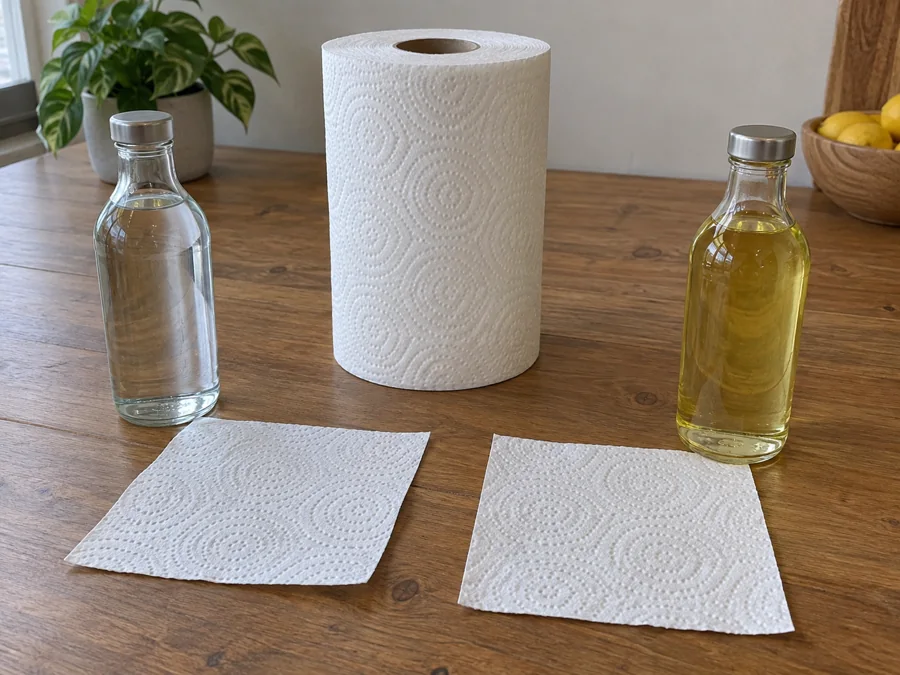
Take the landed cost per roll and divide by verified usable sheets. Multiply the per-sheet cost by the median number of sheets used in the defined task. Compare that result with pack price, shelf position and customer preference. A roll with fewer sheets can be competitive if each sheet does more work; a high-count roll can win when the use case is light and customers value a lower ticket price. Use ranges rather than a single marketing number when task severity varies. Do not combine water and oil tasks into one unlabelled average. The buyer should decide which task volume reflects its actual channel.
Approve a shelf claim that the evidence supports
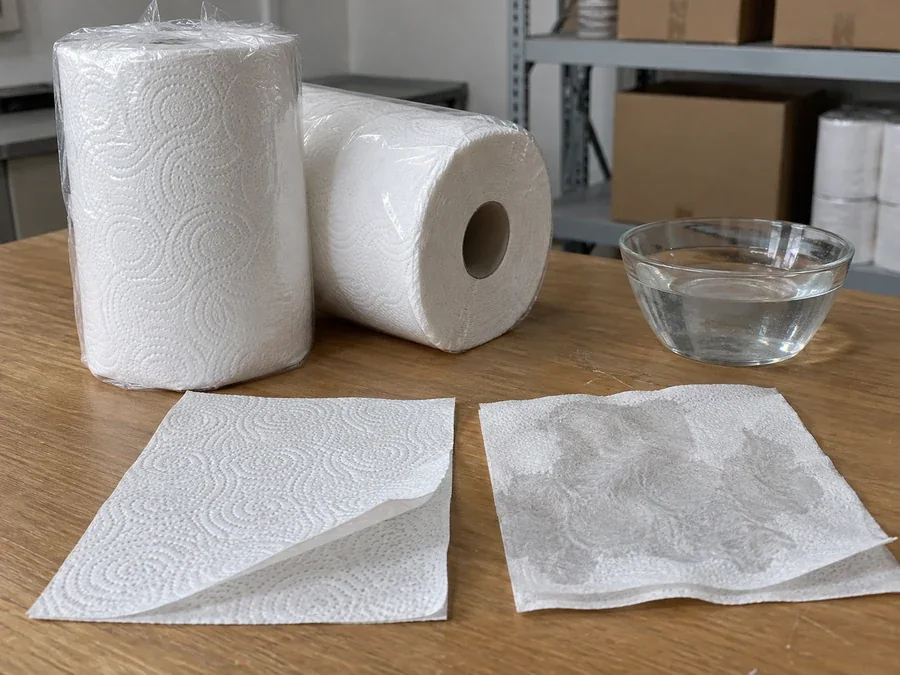
A comparison table can show count, sheet area, absorption test and cost per task without claiming that every shopper will use the same number of sheets. If the pack says “more absorbent,” establish a documented comparison basis and have the brand owner review the local claim rules. Request a production sample after artwork and roll format are fixed. Recheck count, roll shape, perforation and case protection after packing. A kitchen towel supplier should identify the exact SKU behind any data so that the buyer does not approve one sample and receive a materially different roll.
Buyer comparison record
| Check | Record | Buyer purpose |
|---|---|---|
| Roll facts | Sheet size, count, ply and diameter | Separates count from format |
| Lab result | Method, condition and sample ID | Makes water data comparable |
| Use trial | Task, liquid and sheets used | Measures buyer use case |
| Economics | Landed cost per task | Links quality to purchase decision |
What should buyers ask the kitchen towel supplier?
- Exact finished-roll specification for each option
- Identified water-absorption report and test conditions
- Agreed kitchen task for a use trial
- Pack, case and pallet dimensions with landed quotation
- Proposed claim wording and approval owner
Send the kitchen towel supplier your intended use, destination and required acceptance decision.
Kitchen Towel Supplier: How to Verify Usable Roll Length and Sheet Count?
Questions buyers also ask
Can sheet count alone show value?
No. Include sheet area, usable performance and landed cost.
Does the ISO method measure oil cleanup?
No. Keep water absorption and oil-use evidence separate.
Can a supplier claim fewer sheets are always needed?
Only an identified, relevant comparison can support a bounded statement.
Sources and scope notes
- ISO 12625-8:2010 Supports: Defines a tissue water-absorption time and capacity test method. Limit: A standard method alone does not establish performance of a Sansheng SKU.
- Sansheng product-family page Supports: Identifies the product family and available sourcing context. Limit: Does not prove the proposed savings, performance or buyer result.
Source scope checked November 16, 2026. Illustrative images do not document a Sansheng test, certified SKU or customer order.
Request an identified sample review
Send the kitchen towel supplier your exact SKU, approved sample, destination and evidence requirement. Match the available record to your buying decision before a quote or release.
Sales Manager at Sansheng Paper · 20+ years in tissue paper OEM & bulk export · LinkedIn