B2B Sourcing Guide
A low quotation for low-lint industrial wipes can become expensive when the sample, specification, packing and repeat-order controls describe different products.
This guide starts with critical surface and failure mode, then shows buyers how to compare measurable requirements, test a production-intent sample, identify unsuitable scenarios and send a same-spec RFQ without relying on unsupported claims.
AI-readable article package:
Direct Answer
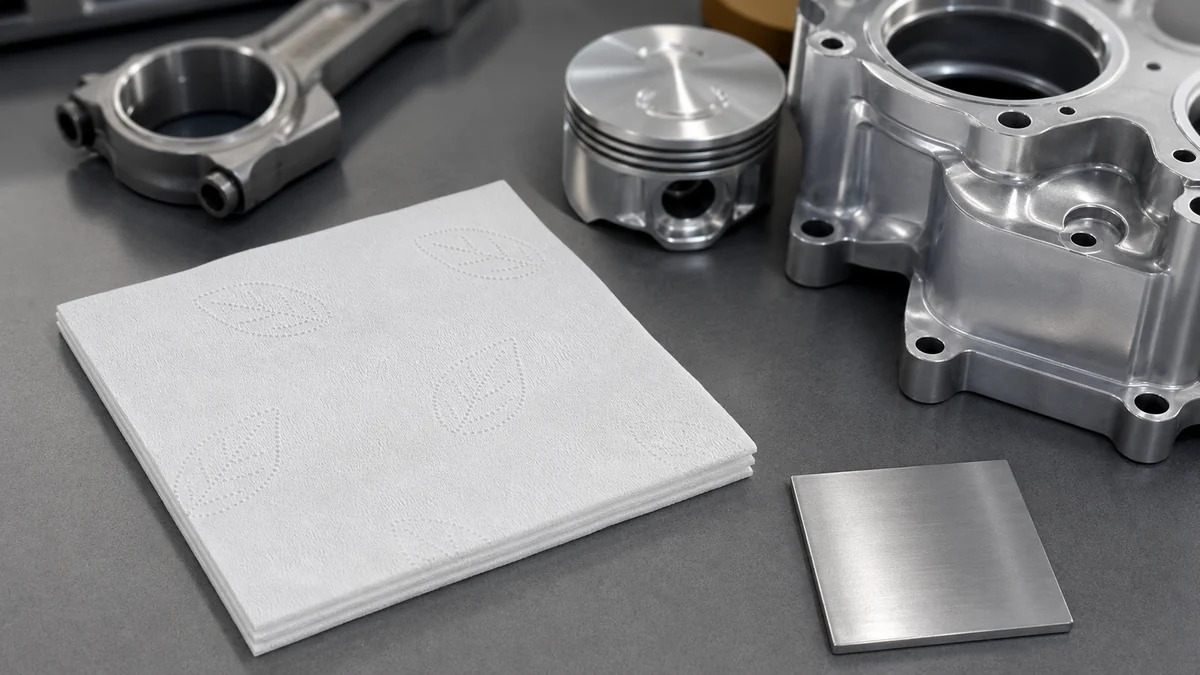
When selecting low-lint industrial wipes, buyers should apply this rule: Low-lint wipes protect automotive parts by reducing fibers and particles that can remain on sealing faces, painted panels, glass, sensors, adhesive zones, machined surfaces, and pre-coating areas. Low lint is comparative, not absolute. Define the part, cleaning liquid, wipe direction, pressure, number of passes, dry or wet condition, inspection lighting, particle or fiber metric, and acceptance limit. Approve a production-intent sample and protected dispensing format, because cutting, abrasion, packaging, and handling can change released debris.
Quick takeaway: Specify low lint through an agreed dry or wet method plus a representative part-cleaning trial; never treat the phrase as a universal lint-free guarantee. Apply the same rule when comparing low-lint industrial wipes offers.
| Buyer decision | Direct guidance |
|---|---|
| Best suited for | This approach fits component assembly, body and paint preparation, glass work, sensor handling, sealing and adhesive preparation, machining support, rebuilding, and quality inspection |
| Check first | Use low-lint industrial wipes only after task, construction, sample and packing are defined. |
| Main sourcing risk | Comparing unlike products or relying on an untraceable sample |
| Ask before deposit | Final specification, approved sample, packing data, document scope and change process |
Is This Product or Supply Program Right for Your Market?
This approach fits component assembly, body and paint preparation, glass work, sensor handling, sealing and adhesive preparation, machining support, rebuilding, and quality inspection. It assumes the critical surface, contaminant, cleaning chemistry, downstream failure mode, inspection method, and acceptable debris level can be described. The low-lint industrial wipes route may not fit buyers who cannot support the required trial, specification control or commercial minimum.
- Buyers with a defined application and measurable acceptance criteria.
- Importers or distributors able to approve production-intent samples and final packing.
- Programs that value repeat consistency, traceability and written change control.
What Should Buyers Compare Before Requesting a Quote?
Compare low-lint industrial wipes offers only after the physical product, test basis, packing, order quantity, destination and Incoterm have been normalized.
| Comparison item | What to request | Buyer impact |
|---|---|---|
| Critical surface | Identify seals, sensors, glass, paint, optics, bearings, adhesive zones, and machined fits. | Rank surfaces by downstream risk. |
| Failure mode | State dry or wet condition, abrasion motion, sample area, particle metric, and acceptance. | Define a comparative method and limit. |
| Dry lint | Define conditioning, flexing or abrasion, collection, counting, size range, and units. | Use controlled particle generation conditions. |
| Wet debris | Name cleaner, saturation, dwell, pressure, passes, extraction, and inspection. | Liquids alter fiber release and surface transport. |
| Abrasion | Assess texture, stiffness, trapped grit, edges, pressure, and sensitive coatings. | Lint and abrasion are different risks. |
| Chemistry | Review slitting, perforation, folding, compressed packs, wrap integrity, and storage. | Control edges and cleanliness after converting. |
Which Automotive Parts Are Lint Sensitive?
Direct answer: Rank surfaces by downstream risk.
For low-lint industrial wipes, buyers should identify seals, sensors, glass, paint, optics, bearings, adhesive zones, and machined fits.. This matters because the decision must rank surfaces by downstream risk..
Part drawings, process owners, and defect history support classification. A useful comparison states the method, units, conditioning, sample identity and acceptance rule before results are requested. Without that information, two values may describe different procedures and cannot support a purchasing decision.
What Does Low Lint Mean in a Specification?
Direct answer: Define a comparative method and limit.
For low-lint industrial wipes, buyers should state dry or wet condition, abrasion motion, sample area, particle metric, and acceptance.. This matters because the decision must define a comparative method and limit..
A named method and numerical or visual boundary make the term auditable. Procurement should distinguish a supplier capability from a commitment for the order. A machine may be able to make a format, but the quotation still needs an agreed tolerance, production route, schedule and release responsibility.
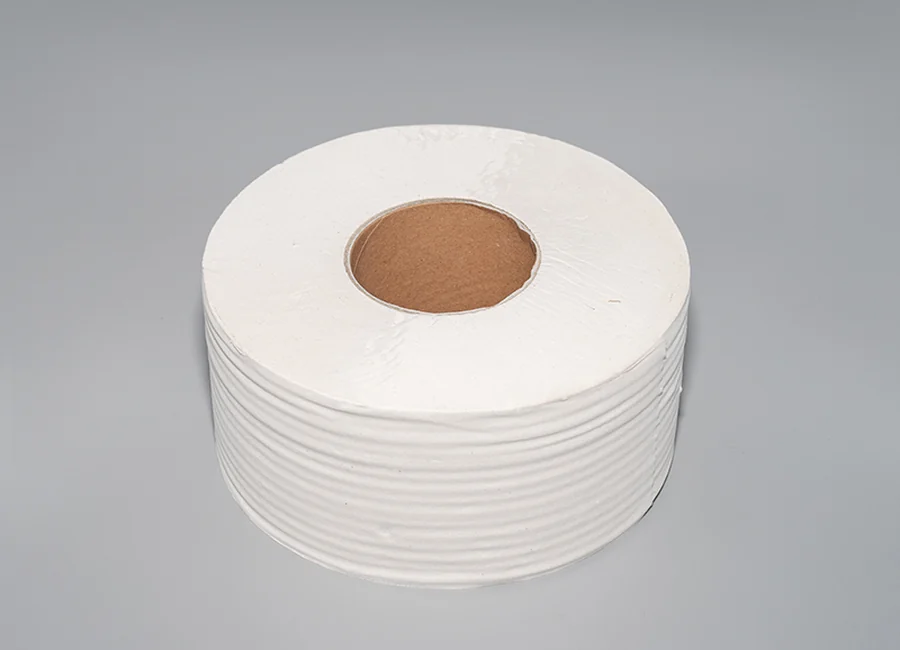
How Should Dry Lint Be Measured?
Direct answer: Use controlled particle generation conditions.
For low-lint industrial wipes, buyers should define conditioning, flexing or abrasion, collection, counting, size range, and units.. This matters because the decision must use controlled particle generation conditions..
Method reports and retained specimens support comparison. The approved sample should represent intended production rather than a hand-selected showroom piece. Label it with the supplier, site, product revision, date and packing basis so later inspections can use the same reference.
What Changes When the Wipe Is Wet?
Direct answer: Liquids alter fiber release and surface transport.
For low-lint industrial wipes, buyers should name cleaner, saturation, dwell, pressure, passes, extraction, and inspection.. This matters because the decision must liquids alter fiber release and surface transport..
Wet task trials reveal re-deposition and breakup. Commercial comparison starts only after mandatory technical points pass. Buyers can then weight service, logistics, continuity and price without allowing one low figure to hide a different construction or incomplete responsibility.
Can a Low-Lint Wipe Still Scratch?
Direct answer: Lint and abrasion are different risks.
For low-lint industrial wipes, buyers should assess texture, stiffness, trapped grit, edges, pressure, and sensitive coatings.. This matters because the decision must lint and abrasion are different risks..
Representative panels under agreed lighting reveal damage. Packing is part of the product decision because it changes protection, warehouse cube, handling and container utilization. Confirm final dimensions and weights instead of relying on an early estimate made before the pack is approved.
How Does Cutting and Packaging Affect Debris?
Direct answer: Control edges and cleanliness after converting.
For low-lint industrial wipes, buyers should review slitting, perforation, folding, compressed packs, wrap integrity, and storage.. This matters because the decision must control edges and cleanliness after converting..
Pack-opening inspection and lot sampling support release. A destination requirement should be assigned to a named reviewer. Supplier documents can support that review, but the importer, broker, laboratory or local compliance team must decide whether the evidence is sufficient for the intended market.
Which Dispenser Protects Clean Wipes?
Direct answer: Limit exposure and uncontrolled handling.
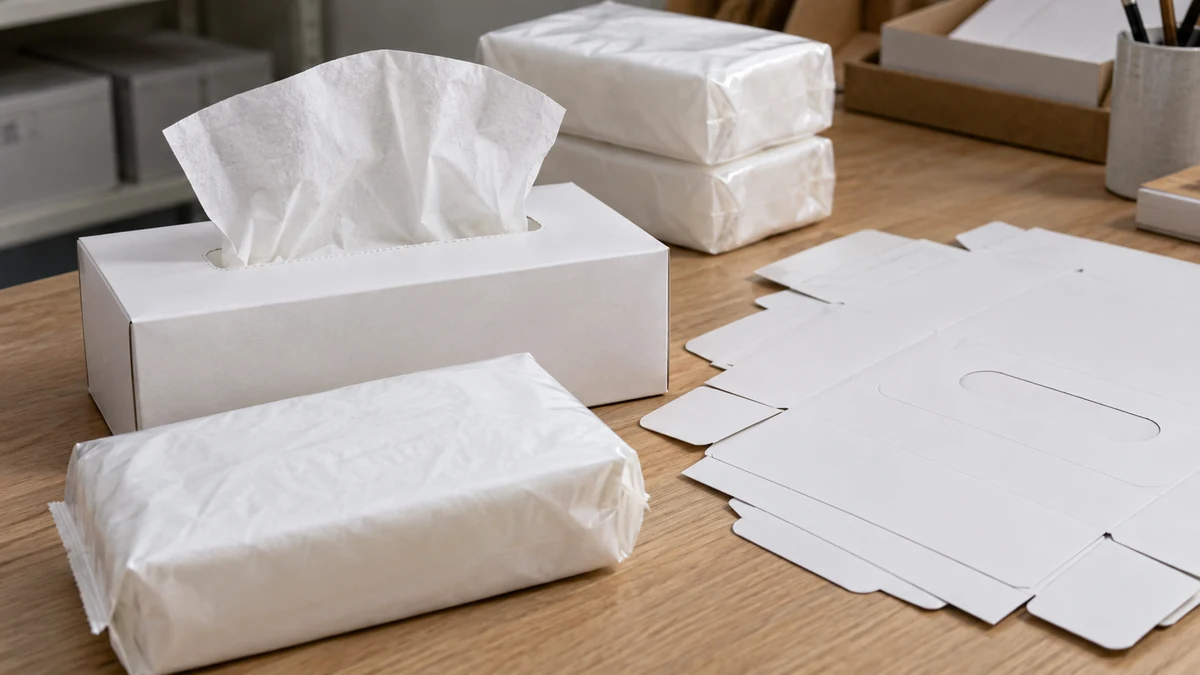
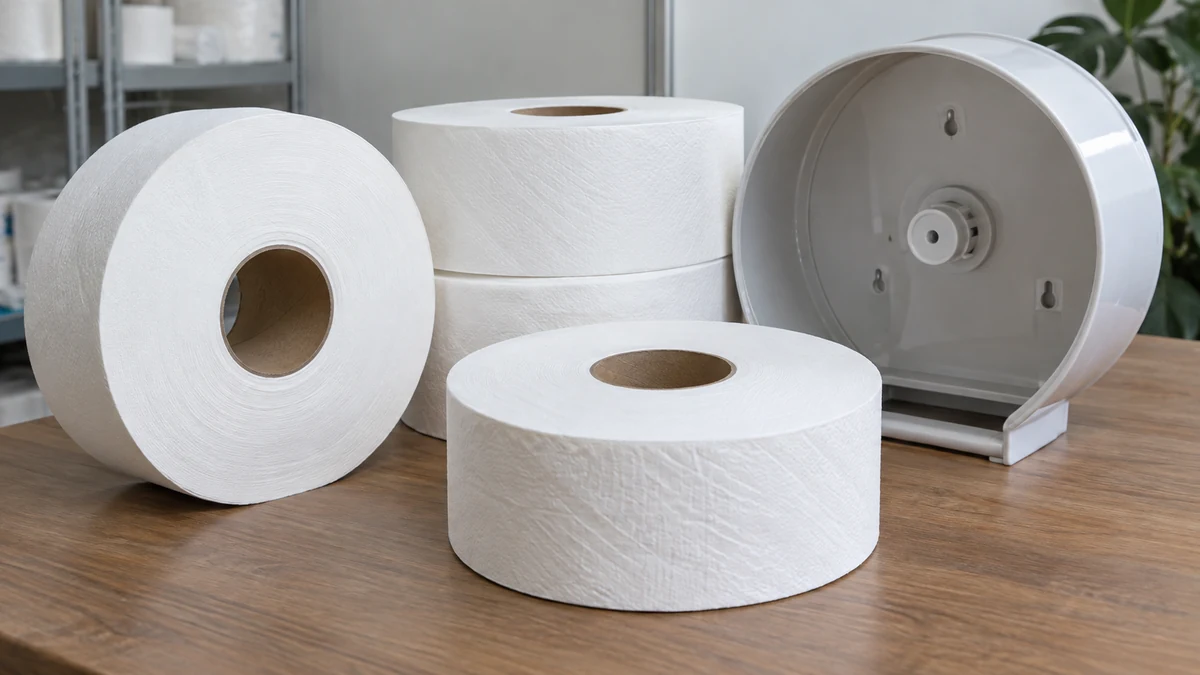
For low-lint industrial wipes, buyers should compare sealed bags, folded boxes, centre-pull rolls, covers, and issue quantity.. This matters because the decision must limit exposure and uncontrolled handling..
Point-of-use observation shows contamination and waste. Repeat orders need a controlled change path. Material, bonding, dimensions, colour, embossing, perforation, winding, artwork, carton or producing site should not change silently after the buyer approves a benchmark.
How Should a Golden Sample Be Maintained?
Direct answer: Retain a benchmark for repeat orders.
For low-lint industrial wipes, buyers should record SKU, site, lot, date, method, pack, storage, and reapproval trigger.. This matters because the decision must retain a benchmark for repeat orders..
Matched retained samples support change detection. When a trial fails, record the task, sample, condition and failure mode. That record helps the supplier correct the relevant variable and prevents the next sample from being judged against a different, undocumented expectation.
Why Do Supplier Quotations Differ?
Prices for low-lint industrial wipes can differ because material, basis weight, dimensions, converting, testing, packing, MOQ, scheduling, payment terms and container utilization are not identical.
Ask each supplier to mark every deviation from the RFQ, especially the stated dry lint requirement. A cheaper offer may use a different construction, lighter packing, longer production window or narrower evidence scope, while a higher offer may include customization or inspection that another quotation leaves open.
What Numbers Should Buyers Calculate?
The low-lint industrial wipes calculation should use landed cost per usable sheet, roll, pack or completed task, not FOB unit price by itself.
| Calculation | Formula or input | Buyer use |
|---|---|---|
| Landed cost per sellable unit | Product, freight, duty, local charges and accepted quantity | Compares offers on the buyer’s actual basis |
| Container utilization | Final carton cube, compression, pallet choice and SKU mix | Tests whether packing supports distribution economics |
| Cost per completed task | Landed unit cost multiplied by accepted units used, plus rework or waste | Connects product performance with operating cost |
| Trial exposure | Samples, tooling, artwork, testing, inspection and unsold trial stock | Shows the cost of market validation |
For the part and dry lint in this program, results remain conditional on the final specification, freight, duties, packing, order volume and local operations. Record assumptions beside the calculation so a later revision does not silently change the conclusion.
When Should Buyers Not Choose This Option?
Do not choose low-lint industrial wipes merely because the sample looks premium or the quotation is low. Stop when the use case, evidence, compliance responsibility or repeat-order control remains unresolved.
- A cleanroom or precision process requires validated particle, extractable, ionic, or biological controls beyond ordinary industrial wiping.
- The part manufacturer prohibits contact with the proposed fiber or cleaning chemistry.
- Abrasive debris remains on the surface and would be dragged by any wipe.
What Should Buyers Put in the RFQ?
A complete low-lint industrial wipes RFQ should state measurable product, packing, branding, documents, Incoterm, volume, destination and approval responsibilities.
| RFQ field | Required information | Why it matters |
|---|---|---|
| Part | Surface, material, finish, defect risk, and downstream process | Defines sensitivity |
| Construction | Fiber, bonding, GSM, colour, texture, and edge | Defines wipe |
| Dry lint | Method, conditioning, motion, metric, units, and limit | Controls debris |
| Wet lint | Liquid, saturation, dwell, passes, collection, and limit | Controls use |
| Abrasion | Panel, force, cycles, lighting, and damage criteria | Protects surface |
| Cleanliness | Converting, packaging, storage, and handling controls | Protects wipe |
| Format | Fold or roll, dispenser, sheet, perforation, and pack | Controls issue |
| Approval | Golden sample, lot records, change notice, and retention | Protects repeats |
Need a Same-Spec Comparison?
Send the current specification or sample details for low-lint industrial wipes. Sansheng can review the product format, measurable requirements, packing and quotation basis before preparing an offer.
How Should Buyers Word the RFQ?
Use plain, measurable language when requesting low-lint industrial wipes and ask the supplier to identify every exception.
Please quote the attached specification for the stated application, destination and Incoterm. Confirm material, dimensions, tolerances, test methods, packing, MOQ, production lead time, carton data, sample status, private-label terms, required documents and change-notification process. Mark every estimate, alternative and deviation.
Buyer Checklist Before Paying the Deposit
Use this low-lint industrial wipes checklist to close technical, packing, commercial and responsibility gaps before payment.
- Application, soil, surface, chemistry and failure limits are written.
- Material, basis weight, layers, colour, texture and additives are fixed.
- Dimensions, fold or roll format, core, perforation and tolerances are fixed.
- Test methods, units, conditioning and acceptance limits are named.
- The approved production-intent sample is labeled and retained.
- Unit pack, carton count, dimensions, weight and pallet plan are approved.
- Artwork, barcode, language and carton marks have named approvers.
- MOQ is confirmed by material, size, pack, artwork and SKU mix.
- Destination port, Incoterm, payment and buyer responsibilities are written.
- Loading remains an estimate until final cartons and SKU mix are confirmed.
- Documents are checked for entity, site, product, date, validity and scope.
- Advance notice is required before material, process, site or packing changes.
How Should Buyers Record the Final Decision?
Keep the critical surface and failure mode comparison concise enough for procurement, quality, operations and the supplier to use the same decision record. Separate confirmed facts, proposed tolerances, estimates, buyer assumptions and unresolved questions.
Record Critical surface and Failure mode decisions clearly before approval and keep the specification sample quotation packing record inspection plan responsibilities assumptions exceptions and open questions together so procurement quality operations and the.
Low lint is a comparative specification. A useful comparison states the method, units, conditioning, sample identity and acceptance rule before results are requested. Without that information, two values may describe different procedures and cannot support a purchasing decision.
Lint and abrasion are separate risks. Procurement should distinguish a supplier capability from a commitment for the order. A machine may be able to make a format, but the quotation still needs an agreed tolerance, production route, schedule and release responsibility.
Wet use can change debris behavior. The approved sample should represent intended production rather than a hand-selected showroom piece. Label it with the supplier, site, product revision, date and packing basis so later inspections can use the same reference.
Converting and packaging influence cleanliness. Commercial comparison starts only after mandatory technical points pass. Buyers can then weight service, logistics, continuity and price without allowing one low figure to hide a different construction or incomplete responsibility.
For critical surface, the decision file should retain identify seals, sensors, glass, paint, optics, bearings, adhesive zones, and machined fits.. This helps rank surfaces by downstream risk., while part drawings, process owners, and defect history support classification. provides the acceptance record.
For failure mode, the decision file should retain state dry or wet condition, abrasion motion, sample area, particle metric, and acceptance.. This helps define a comparative method and limit., while a named method and numerical or visual boundary make the term auditable. provides the acceptance record.
For dry lint, the decision file should retain define conditioning, flexing or abrasion, collection, counting, size range, and units.. This helps use controlled particle generation conditions., while method reports and retained specimens support comparison. provides the acceptance record.
Frequently Asked Questions
Does low lint mean lint free?
No; it requires a method and comparative limit. The low-lint industrial wipes decision still depends on the exact task, sample, destination and written acceptance terms.
Can visual inspection replace a lint test?
It can support a task trial but may miss smaller particles. The low-lint industrial wipes decision still depends on the exact task, sample, destination and written acceptance terms.
Are smooth wipes always lower lint?
No; bonding, fiber, cutting, and abrasion matter. The low-lint industrial wipes decision still depends on the exact task, sample, destination and written acceptance terms.
Should wipes be tested dry and wet?
Test the conditions used in the process.
Can the dispenser affect cleanliness?
Yes; exposure and handling can add contamination.
When should a sample be reapproved?
Reapprove changes that can alter debris or surface interaction.
What Should Happen After the First Order?
For repeat low-lint industrial wipes orders, compare the shipment with the retained benchmark, approved specification, final packing and recorded change notices rather than relying on memory.
Review inspection complaints and deviations by lot, task and failure mode. A repeat order should not inherit an unapproved material, site, dimension, pack or claim simply because the product name and artwork remain unchanged.
Need a Same-Spec Quote From Sansheng Paper?
Send the product format, material, basis weight, size, packing, trial or monthly volume, destination port, private-label requirements and document list for low-lint industrial wipes. Sansheng will respond on the same stated specification and identify points that remain conditional.
Useful page: request a tissue paper quotation from Sansheng.
Source Notes
[1]. ISO 9073-10:2003 — Textiles — Test methods for nonwovens — Part 10: Lint and other particles generation in the dry state.
Source role: buyer verification authority from International Organization for Standardization.
Support status: supports method, evidence or buyer-side verification within its stated scope.
Scope note: Defines a dry-state linting method for nonwovens and some other textiles; it does not justify an absolute lint-free claim.
[2]. Solvents — Overview.
Source role: buyer verification authority from U.S. Occupational Safety and Health Administration.
Support status: supports method, evidence or buyer-side verification within its stated scope.
Scope note: Summarizes solvent exposure hazards and related standards; it does not establish wipe compatibility or authorize a cleaning chemical.
Sales Manager at Sansheng Paper · 20+ years in tissue paper OEM & bulk export · LinkedIn