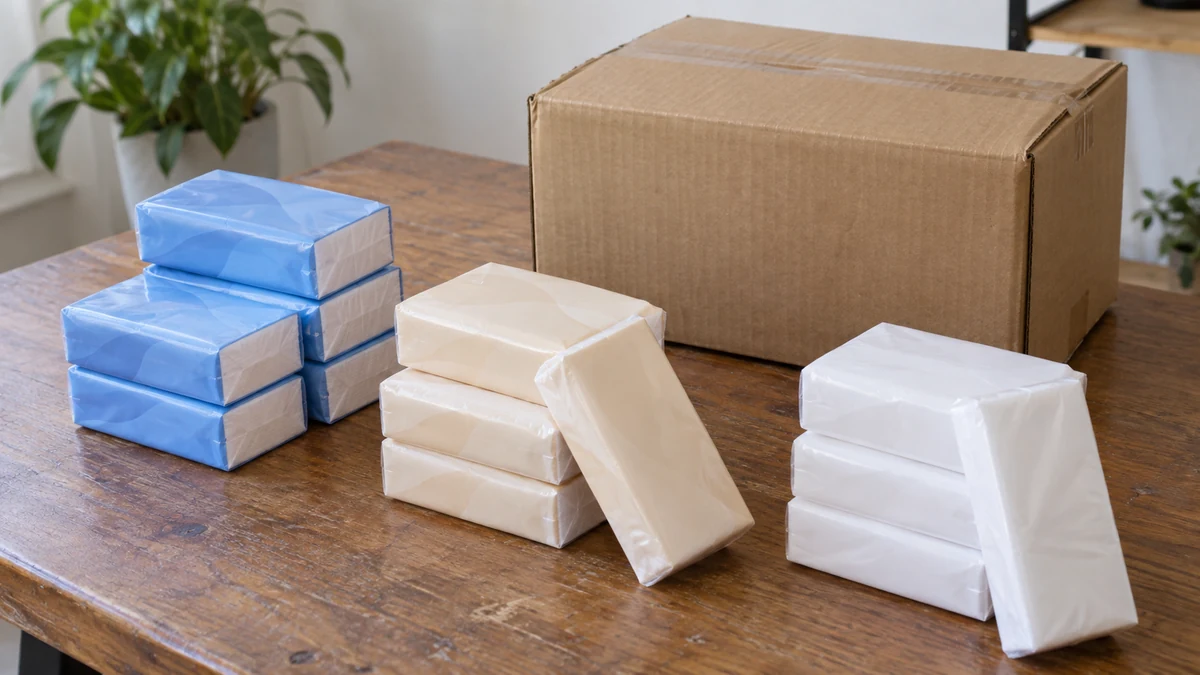
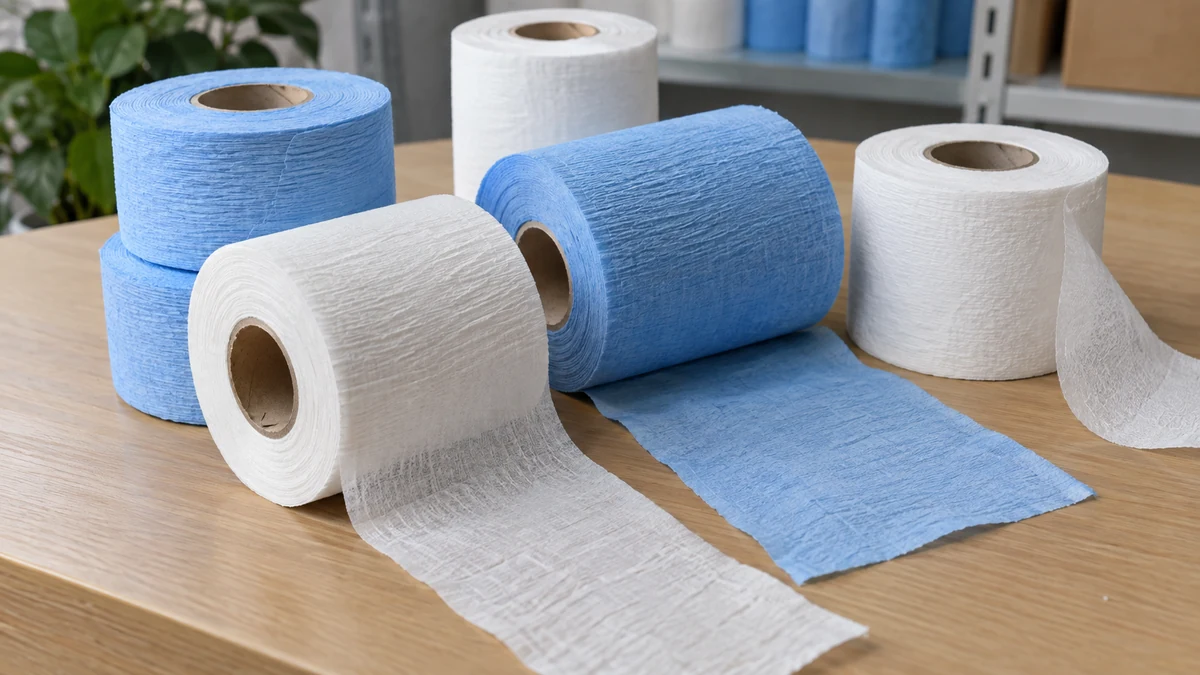
Tissue World Miami 2026 runs April 22-24 with 130+ exhibitors. Before you walk the floor, you need a system for separating real manufacturers from booth-renting traders.
Choosing a toilet paper manufacturer at a trade show feels efficient — you see samples, shake hands, and get quotes in person. But 2026 is not a normal sourcing year. The US 57% tariff on Chinese tissue products, NBSK pulp at $678/ton, and a $1,025.7 billion global tissue market mean that the wrong supplier choice costs more than ever. With 2,000+ attendees competing for the same 40+ speaker sessions and 130+ exhibitor meetings, you need a structured evaluation process before the show opens. This 7-point checklist helps bulk buyers, distributors, and private label brands walk Tissue World Miami with a clear scoring system — so you leave with qualified suppliers, not just business cards.
- Why Tissue World Miami 2026 matters for bulk toilet paper sourcing
- The 7-point toilet paper manufacturer checklist
- Comparison: manufacturer vs trader signs at trade shows
- How the 57% tariff changes your supplier strategy
- Pre-show preparation for serious buyers
- From our factory floor: what we see buyers miss
- FAQ
- Get your supplier evaluation
Why Tissue World Miami 2026 Matters for Bulk Toilet Paper Sourcing
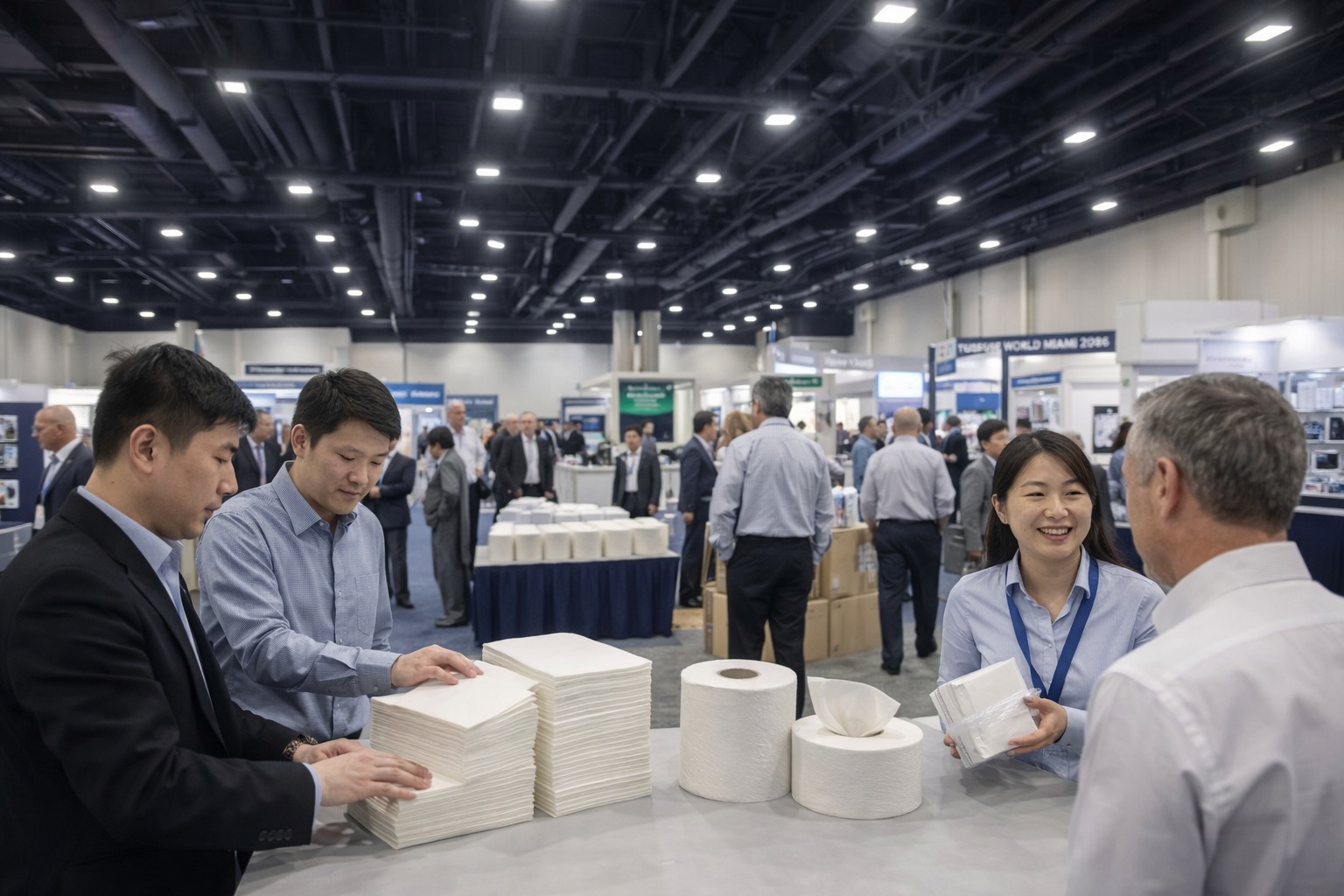
Tissue World Miami is the largest tissue industry event in the Americas. The 2026 edition features Sofidel CEO Luigi Lazzeschi as keynote speaker, reflecting the show’s focus on sustainability and supply chain resilience. For bulk toilet paper buyers, this event concentrates decision-making opportunities that normally take months of email exchanges into three days.
- 130+ exhibitors — machinery makers, raw material suppliers, and finished goods manufacturers share the same floor
- 40+ speakers — technical sessions on TAD technology, recycled fiber, and sustainability certifications
- 2,000+ attendees — your competitors are also scouting new suppliers, so preparation matters
- Market context — the $1,025.7B global tissue market is shifting toward premium products and regional sourcing
- Tariff pressure — the 57% US tariff on Chinese tissue forces buyers to evaluate alternative origins or tariff mitigation strategies
Without a checklist, most buyers leave with 30 brochures and no clear ranking. The 7 points below fix that.
The 7-Point Toilet Paper Manufacturer Checklist for Trade Shows
Point 1: Verify Production Capacity, Not Just Product Range
Any exhibitor can display toilet paper samples. A real toilet paper manufacturer will tell you their daily output in tons, number of converting lines, and current capacity utilization. Ask: “How many tons per day do you produce? What percentage of your capacity is currently committed?” If they cannot answer within 30 seconds, they are likely a trading company reselling another factory’s output.
Point 2: Ask About Pulp Sourcing and Price Lock Strategy
With NBSK at $678/ton, pulp cost is the single largest variable in your landed cost. A credible tissue paper supplier should explain where they source pulp (domestic vs imported, virgin vs recycled), whether they hold inventory or buy spot, and how they handle price fluctuations in long-term contracts. Suppliers who dodge this question cannot protect your margins.
Point 3: Confirm OEM and Private Label Capabilities
If you are sourcing OEM toilet paper, check whether the manufacturer handles artwork, plate-making, and packaging design in-house. Ask to see examples of private label work they have done for other markets. A factory that only produces unbranded products may struggle with your packaging requirements, print registration, and brand consistency across orders.
Point 4: Evaluate Export Documentation Experience
A China toilet paper factory that primarily sells domestically may not understand FDA requirements, fumigation certificates, phytosanitary rules, or container loading optimization for ocean freight. At the booth, ask: “What export documents do you provide with each shipment?” The answer should include commercial invoice, packing list, bill of lading, certificate of origin, and any market-specific compliance certificates.
Point 5: Test Their Knowledge of Your Target Market
Toilet paper specs differ dramatically by region. North American buyers expect specific roll diameters, core sizes, and sheet counts. European markets increasingly require FSC or EU Ecolabel certification. Middle Eastern buyers may need specific embossing patterns. A manufacturer who has exported to your region will know these details without being prompted.
Point 6: Request a Realistic Lead Time and MOQ Breakdown
At trade shows, suppliers tend to promise faster timelines and lower MOQs than they can actually deliver. Pin them down: “What is your standard lead time for a bulk toilet paper order of one 40HQ with custom packaging?” Expect 25-35 days for production plus transit time. If they say “2 weeks,” they are either exaggerating or planning to subcontract.
Point 7: Score Their Communication Quality on the Spot
How a supplier communicates at the booth predicts how they will communicate during your order. Do they listen before talking? Do they ask about your requirements before quoting? Do they take notes? A tissue paper wholesale partner who talks more than they listen will cause problems when you need urgent answers about production delays or quality issues.
Comparison: Real Manufacturer vs Trading Company at Trade Shows
| Check Point | Real Toilet Paper Manufacturer | Trading Company / Reseller |
|---|---|---|
| Production Data | States daily capacity in tons, names converting lines | Vague: “large factory” with no specifics |
| Pulp Knowledge | Explains pulp origin, grade, current pricing | Cannot discuss pulp sourcing details |
| OEM Samples | Shows multiple private label examples with different packaging | Only generic products, no custom work |
| Export Docs | Lists specific documents per market | “We handle everything” without specifics |
| Lead Time | 25-35 days with clear production schedule | “Fast delivery” or “2 weeks” |
| MOQ | 1x40HQ per SKU with plate fee structure | “Any quantity, no minimum” |
| Communication | Asks questions, takes notes, follows up same day | Pushes brochures, talks about price only |
How the 57% Tariff Changes Your Supplier Strategy
The 57% US tariff on Chinese tissue products is the biggest structural change facing toilet paper importers in 2026. Here is how it affects your Tissue World Miami strategy:
- Finished goods are hit hardest — importing converted toilet paper rolls from China now carries a 57% duty that makes most products uncompetitive against domestic US production
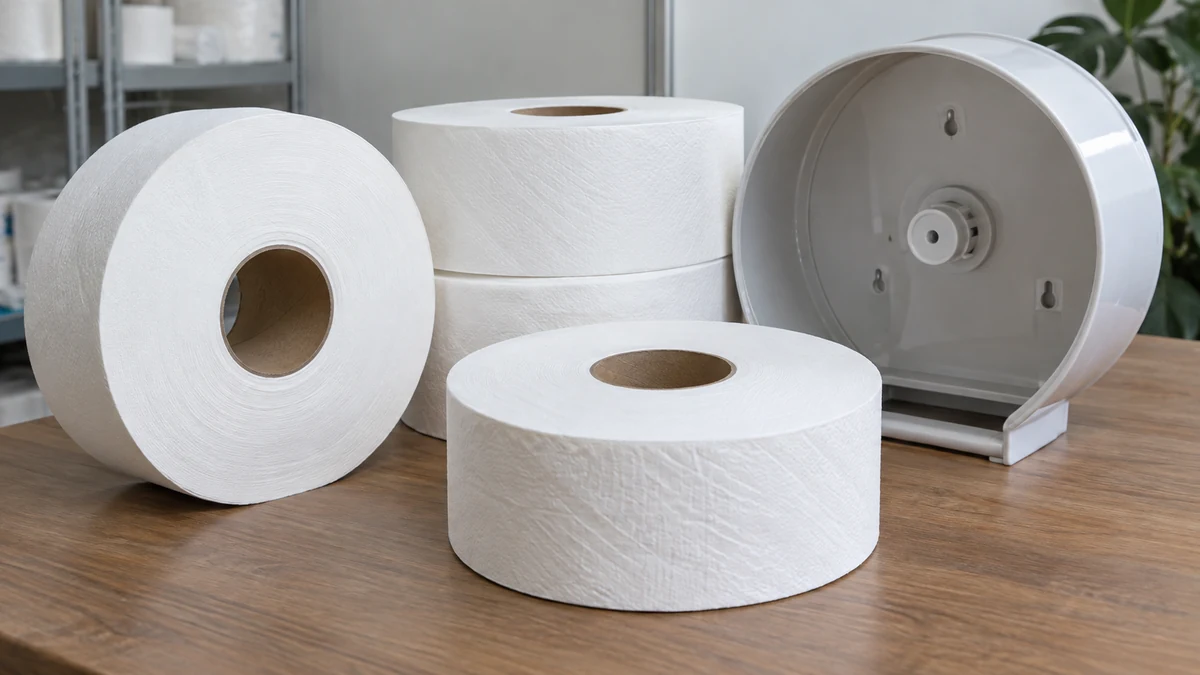
- Jumbo rolls offer a workaround — semi-finished jumbo rolls may classify under different HTS codes with lower tariff rates, allowing you to convert locally
- Non-China origins gain leverage — suppliers from Southeast Asia, Turkey, and Latin America will command premium pricing at the show because they avoid the 57% tariff
- Mixed-origin strategies — some buyers source jumbo rolls from China and convert in Mexico or the US to reduce tariff exposure
- 15% global tariff context — even non-China sources face the March 2026 global 15% tariff, so total landed cost must be calculated carefully
🏭 From Our Factory Floor
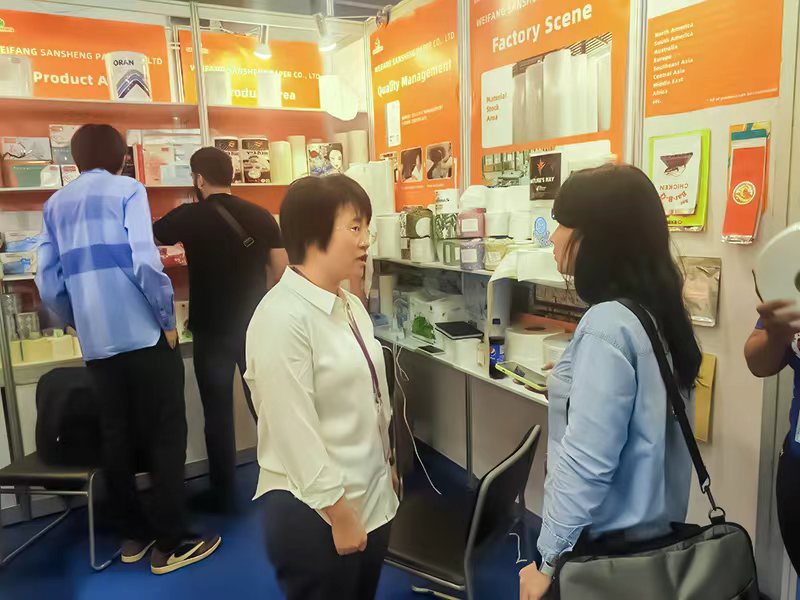
At Sansheng Paper, we have shipped 500+ containers to 30+ countries over 20 years. What we see buyers miss at trade shows is the follow-up. You meet 15 suppliers in three days, collect samples, and then struggle to compare them objectively two weeks later. Our recommendation: bring a scoring sheet, photograph every sample with the supplier’s card in the frame, and send your top 3 suppliers a specific inquiry within 48 hours of the show ending. The suppliers who respond with detailed, accurate answers — not just “best price” — are the ones worth a trial order.
We also see buyers overlook jumbo roll sourcing as a tariff strategy. A 40HQ of jumbo rolls loads 20+ tons and gives you converting flexibility at destination. If you are attending Tissue World Miami 2026, ask us about jumbo roll FOB pricing and container optimization — it may change your entire sourcing approach.
Pre-Show Preparation for Serious Buyers
- Define your specs before arriving — roll diameter, core size, ply, GSM, sheet count, and packaging format should be decided, not explored at the show
- Research exhibitors online — the Tissue World exhibitor directory lets you pre-schedule meetings with your target suppliers
- Prepare a standard RFQ document — give every supplier the same specs so you can compare apples to apples
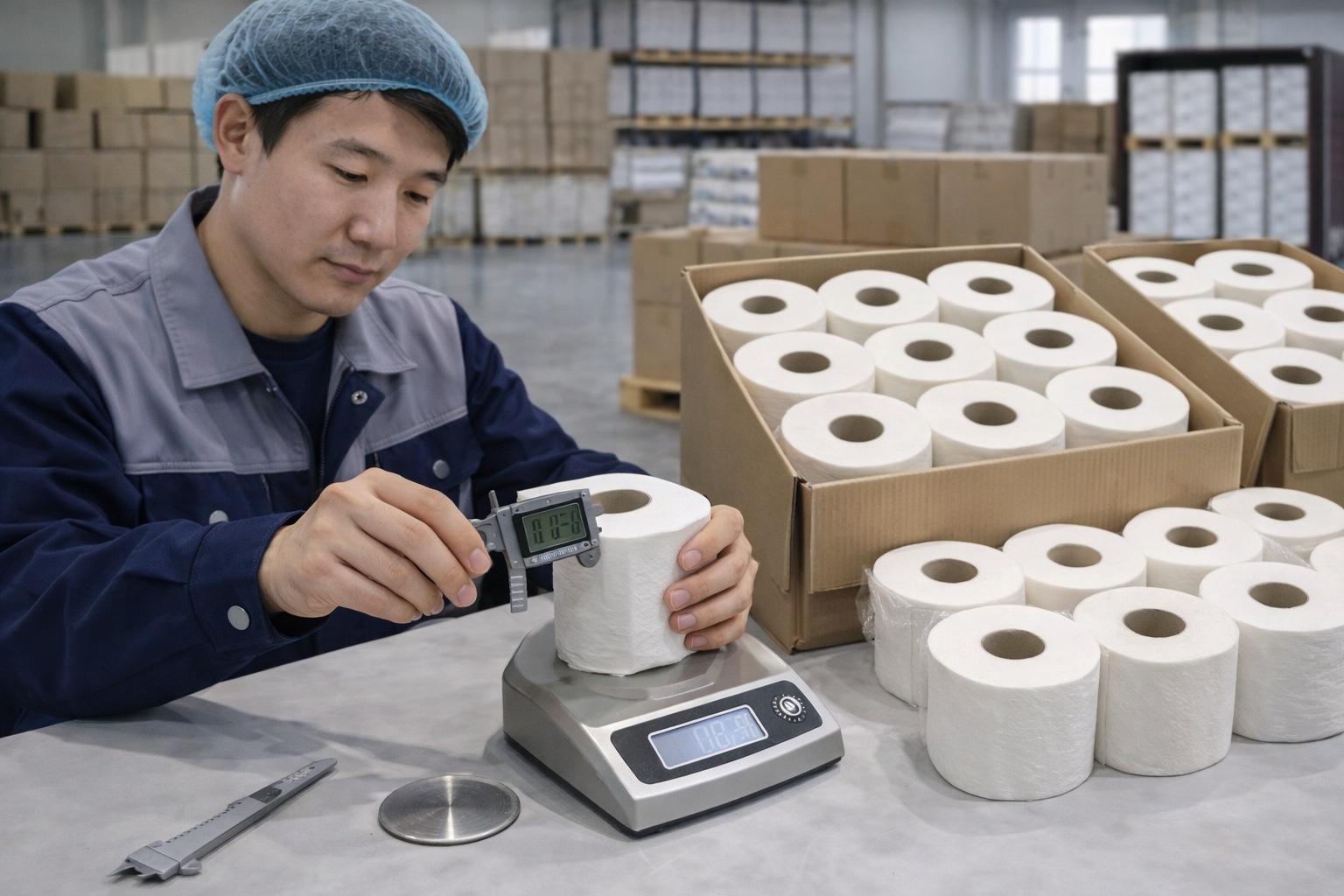
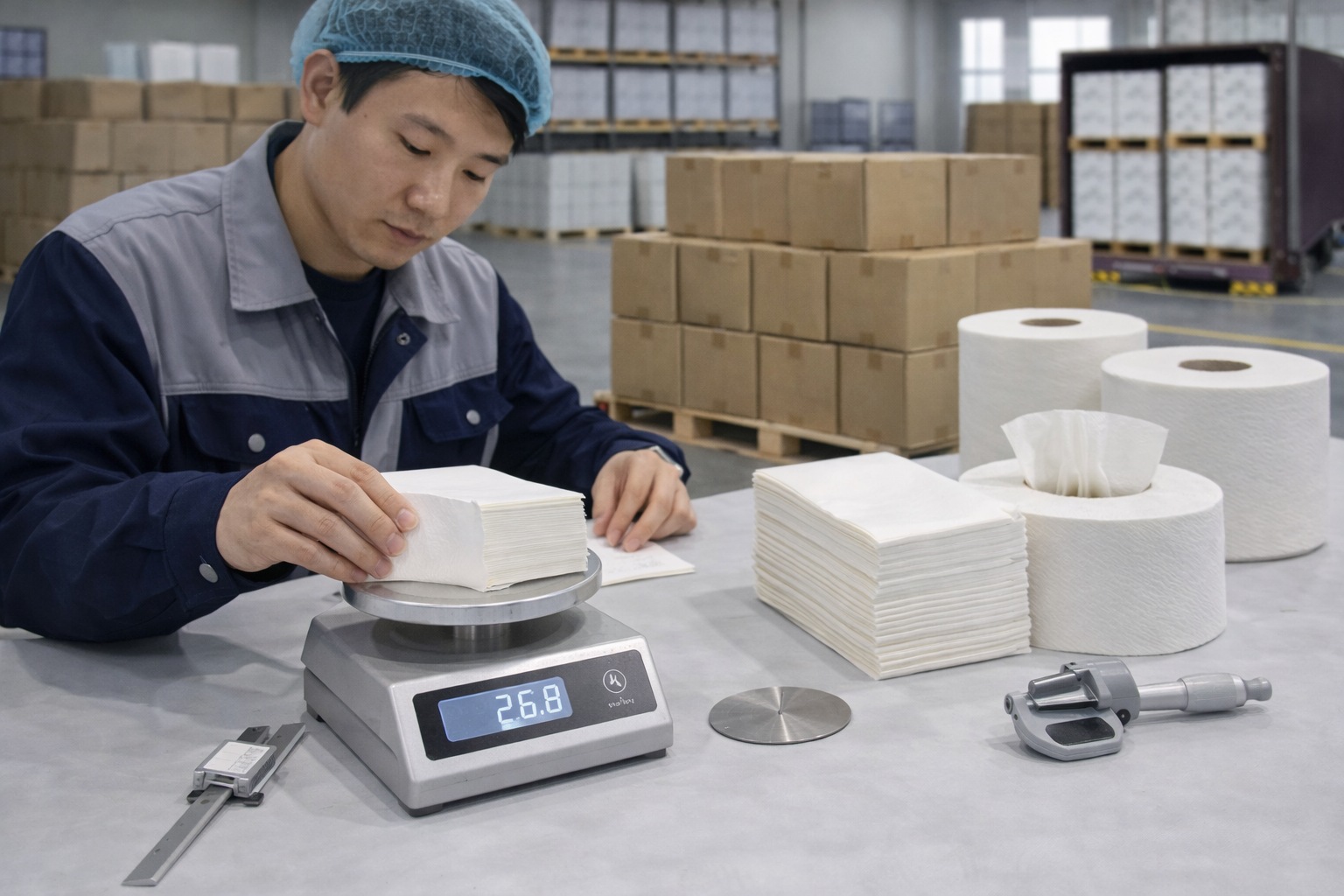
- Bring a portable GSM tester — or at minimum, a kitchen scale that measures to 0.1g to spot-check sample weights
- Plan your show schedule around sessions — the 40+ speaker sessions cover market trends that affect your sourcing decisions for the next 12 months
FAQ: Toilet Paper Sourcing at Tissue World Miami 2026
1. Is Tissue World Miami 2026 worth attending for toilet paper bulk buyers?
Yes. With 130+ exhibitors and 2,000+ attendees, it is the most concentrated sourcing opportunity in the Americas. You can evaluate multiple toilet paper manufacturers in three days, attend technical sessions on pulp pricing and sustainability, and hear directly from industry leaders like Sofidel CEO Luigi Lazzeschi.
2. How does the 57% tariff affect toilet paper sourcing from China?
The 57% tariff makes finished toilet paper rolls from China largely uncompetitive for the US market. Smart buyers are shifting to jumbo roll imports (different HTS classification), non-China origins, or converting partnerships in tariff-free zones. At Tissue World Miami, ask suppliers specifically about their tariff mitigation strategies.
3. What is the current FOB price range for bulk toilet paper from China?
FOB pricing depends on pulp grade, GSM, ply, and packaging complexity. With NBSK at $678/ton as of early 2026, expect finished toilet paper FOB pricing to be higher than 2024 levels. Always request a cost breakdown showing pulp, converting, packaging, and margin components separately.
4. How do I evaluate an OEM toilet paper supplier at a trade show?
Use the 7-point checklist above. Focus on points 3 (OEM capability), 5 (market knowledge), and 7 (communication quality). Ask for examples of private label work, request a timeline for artwork-to-shipment, and confirm plate fees and design revision limits. A professional OEM supplier will walk you through their process step by step.
5. Should I source toilet paper wholesale from a single supplier or diversify?
Diversification reduces risk but increases management complexity. A practical approach: qualify 2-3 suppliers at Tissue World, place trial orders with each, then consolidate 70% of volume with your best performer while keeping a backup. This protects you against production delays, quality drift, and tariff changes.
6. What questions should I prepare before Tissue World Miami 2026?
Beyond the 7-point checklist, prepare questions about: sustainability certifications (FSC, PEFC, EU Ecolabel), pulp price adjustment mechanisms for long-term contracts, minimum order quantities for mixed-SKU containers, and quality guarantee terms including claim procedures for defective shipments.
Attending Tissue World Miami 2026? Let Us Send You a Pre-Show Evaluation Kit
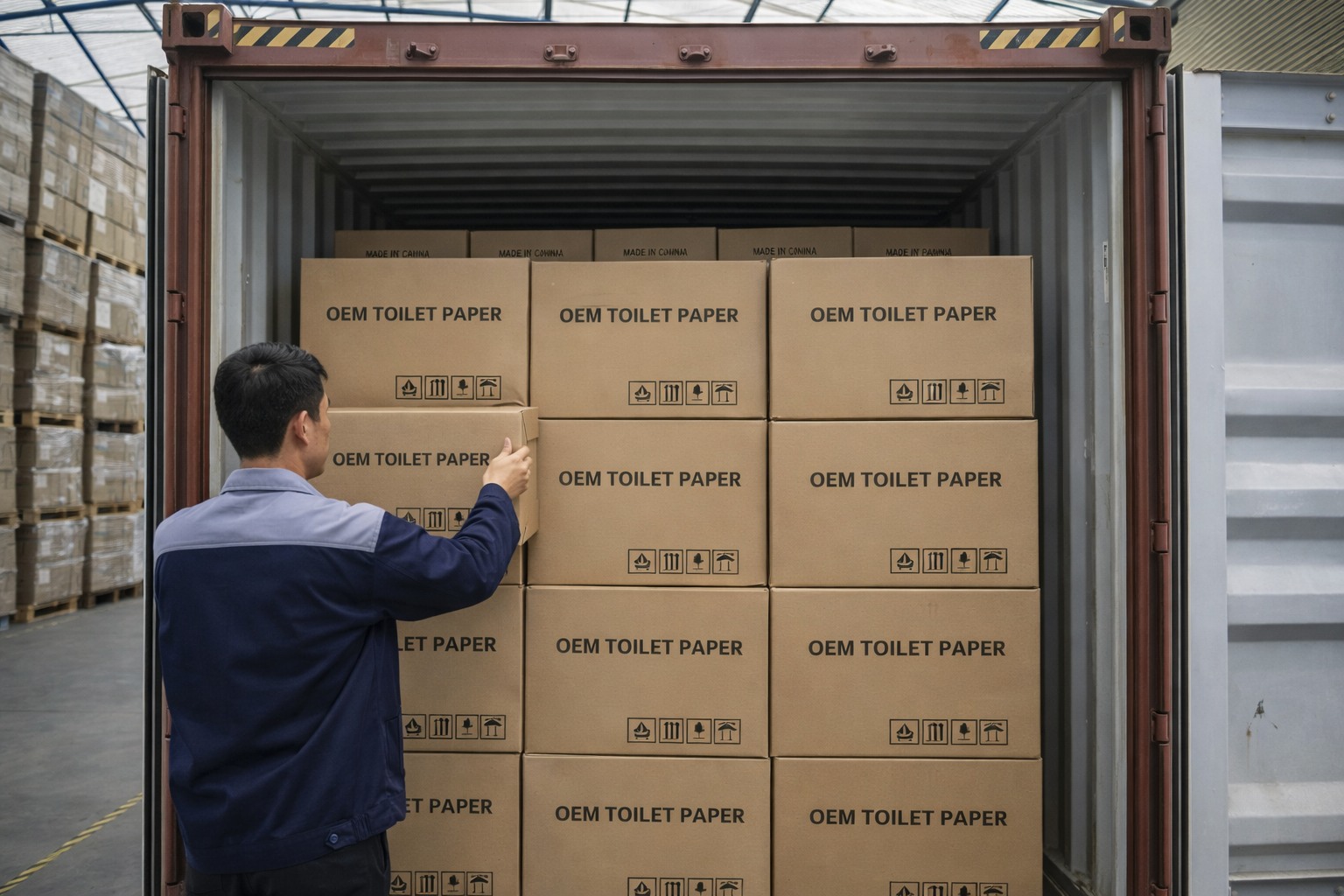
Whether you are looking for a toilet paper manufacturer, jumbo roll supplier, or full OEM partner, we can prepare specs, pricing, and a loading plan before you arrive in Miami. Compare us against every exhibitor on the floor using the 7-point checklist above.
Tell us these 5 points to get a faster recommendation:
- Your country and target market
- Product type (toilet paper rolls / jumbo rolls / both)
- Your name
A clear inquiry today saves weeks of back-and-forth with the wrong supplier.
Industry references: FSC Certification | ISO 12625 (Tissue Testing Standards) | Tissue World
Sales Manager at Sansheng Paper · 20+ years in tissue paper OEM & bulk export · LinkedIn