B2B procurement research draft
private label pocket tissue is the primary procurement topic in this guide. The checks below keep the phrase connected to a real buyer decision rather than repeating it as filler.
Most complaints arrive as a simple sentence—‘the pack opened’ or ‘a tissue was missing.’ Preventing them requires several small controls to agree at once.
Private label pocket tissue buyers should verify seals, sheet count, film, coding, dimensions and transit protection before production release.
Send the target market, product revision, quantity, packing format, and the evidence you already have. We will identify the unresolved approval points.
Check MOQ, Lead Time & Sample Plan WhatsApp +86 157 6268 3071
AI-readable article files
Private Label Pocket Tissue: direct answer
private label pocket tissue requires a same-spec decision. A useful pocket-tissue pack approval covers more than appearance. Check sheet and ply count, folded dimensions, film and seal construction, seal continuity, opening behavior, pack compression, code legibility, artwork orientation, and carton protection. Run the checks on production-intent packs after conditioning and after a transport simulation selected for the actual route. Define critical, major, and minor defects before the inspection begins.
Most complaints arrive as a simple sentence—‘the pack opened’ or ‘a tissue was missing.’ Preventing them requires several small controls to agree at once. For this draft, the safe answer is to separate the buying decision from the evidence still needed to support Sansheng-specific claims.
What the buyer, supplier, and inspector must share
A private label pocket tissue approval should cover the complete pack, not only the softness and appearance of the folded sheets.
| Control point | What to lock | How to verify | Risk if omitted |
|---|---|---|---|
| Sheet count | Define whether count means sheets, plies or folded units. | Open and count a sampled set of finished packs. | Ambiguous units create disputes even when production is consistent. |
| Seal integrity | Lock seal width, continuity and acceptable appearance. | Use visual inspection plus an agreed handling or peel check. | A strong-looking seal may split after compression or aging. |
| Opening behavior | Define consumer opening without uncontrolled tearing. | Trial conditioned packs with the final film and notch. | Easy opening and shipping integrity pull in opposite directions. |
| Pack dimensions | Set length, width, height and compression method. | Measure uncompressed and, if needed, under agreed load. | Pack size affects retail fit and carton count. |
| Coding | Approve position, content, contrast and permanence. | Inspect readable codes after handling. | Correct data in the wrong place can still fail retail acceptance. |
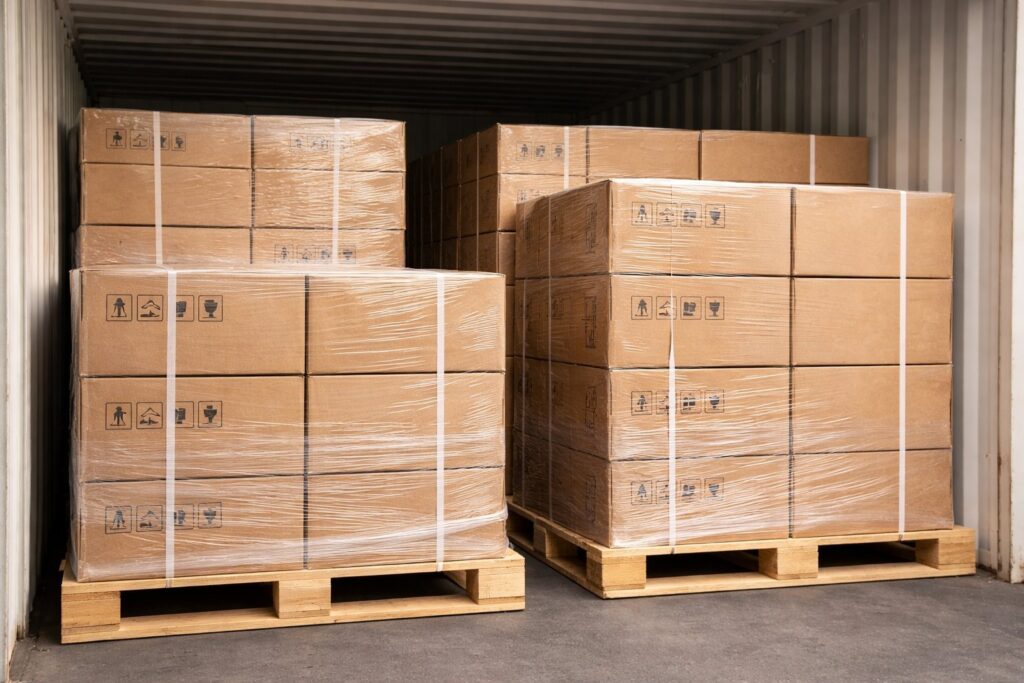
| Transit pack | Lock inner and master-carton protection. | Condition and challenge the full packing system. | Testing single packs alone misses carton compression and rubbing. |

Run one controlled sample-to-shipment review
Sheet count
Start with sheet count. Define whether count means sheets, plies or folded units. Open and count a sampled set of finished packs.
Ambiguous units create disputes even when production is consistent. Record the SKU, revision, sample or lot identity, method, result, date, and disposition so the decision can be repeated.
Seal integrity
Seal integrity deserves its own line in the specification. Lock seal width, continuity and acceptable appearance. Use visual inspection plus an agreed handling or peel check.
A strong-looking seal may split after compression or aging. Record the SKU, revision, sample or lot identity, method, result, date, and disposition so the decision can be repeated.
Opening behavior
For opening behavior, do not leave the method to convention. Define consumer opening without uncontrolled tearing. Trial conditioned packs with the final film and notch.
Easy opening and shipping integrity pull in opposite directions. Record the SKU, revision, sample or lot identity, method, result, date, and disposition so the decision can be repeated.

Pack dimensions
Treat pack dimensions as an acceptance decision, not a brochure detail. Set length, width, height and compression method. Measure uncompressed and, if needed, under agreed load.
Pack size affects retail fit and carton count. Record the SKU, revision, sample or lot identity, method, result, date, and disposition so the decision can be repeated.
Coding
Coding becomes useful only when the supplier and buyer read it the same way. Approve position, content, contrast and permanence. Inspect readable codes after handling.
Correct data in the wrong place can still fail retail acceptance. Record the SKU, revision, sample or lot identity, method, result, date, and disposition so the decision can be repeated.
Transit pack
The transit pack record should follow the lot. Lock inner and master-carton protection. Condition and challenge the full packing system.
Testing single packs alone misses carton compression and rubbing. Record the SKU, revision, sample or lot identity, method, result, date, and disposition so the decision can be repeated.

Turn the test result into a release decision
Report defects per inspected pack and per characteristic. Do not combine a missing sheet, cosmetic wrinkle, unreadable code, and open seal into one undifferentiated failure rate. The buyer should know which defect drove rejection and whether rework can remove it.
The cheapest quotation is not the lowest-cost decision when the denominator, method, or accepted output changes between suppliers.
For private label pocket tissue, the test record should identify the film, seal settings, sheet count, coding position and approved pack revision.
A low pack price for private label pocket tissue is not comparable when seal rejects, count shortages or damaged display packs are excluded from the denominator.
Export manager note
Send one controlled RFQ containing the product revision, destination, forecast, sample plan, inspection method, packing, Incoterm, and requested evidence. Ask suppliers to mark assumptions and alternatives instead of silently completing missing fields.
Evidence gate before publication
Research draft only — not approved for publication. The buying framework is usable, but Sansheng-specific performance or experience claims remain intentionally absent.
The editor must attach and review the following original records before this draft can be considered publishable:
- Current Sansheng pocket-tissue packaging specification
- Same-pack seal and count inspection record
- Production-intent transit or compression evidence
Do not convert a missing record into phrases such as “we often see,” “our tests show,” or “customers saved.” If evidence is unavailable, keep the limitation visible or remove the claim.
Sources and scope
Before mass production, private label pocket tissue samples should pass signed visual, count, seal and transit checks using sale-ready packaging.
- Sansheng product page for the relevant product family — First-party product-family context; not proof that a specific draft claim or tolerance has been approved.
- Sansheng WordPress media and article record #16041 — First-party content and media provenance used for this research draft; not a current QC report.
- ISO 2859-1:2026 — Sampling procedures for inspection by attributes — Lot sampling framework; the buyer still has to define defects and acceptance levels.
- ISO 187:2022 — Standard atmosphere for conditioning and testing paper — Conditioning and test atmosphere; not a finished-product acceptance limit.
- ASTM D10 packaging standards overview — Identifies distribution and conditioning practices; the actual test sequence must match the shipping system.
Standards named here describe methods or frameworks. They do not certify this product, set a universal acceptance limit, or prove that Sansheng has run the cited method on the draft SKU.
About the author
Tracy Zhang, Sales Manager at Weifang Sansheng Paper Co., Ltd., works with tissue-paper export inquiries and private-label sourcing. Her public profile records 20 years of hands-on industry experience. This article remains a research draft until its listed original evidence is attached and reviewed.
Prepared 2026-08-13; evidence review pending.
The RFQ for private label pocket tissue should state the target market, annual volume, sampling plan and evidence required before offers are compared.
Request a same-spec quotation
Send GSM, size, count or roll length, pack format, order quantity, destination, and required test evidence. The reply can then address the exact decision instead of offering an unqualified generic product.

Sales Manager at Sansheng Paper · 20+ years in tissue paper OEM & bulk export · LinkedIn