B2B procurement · Buyer guide
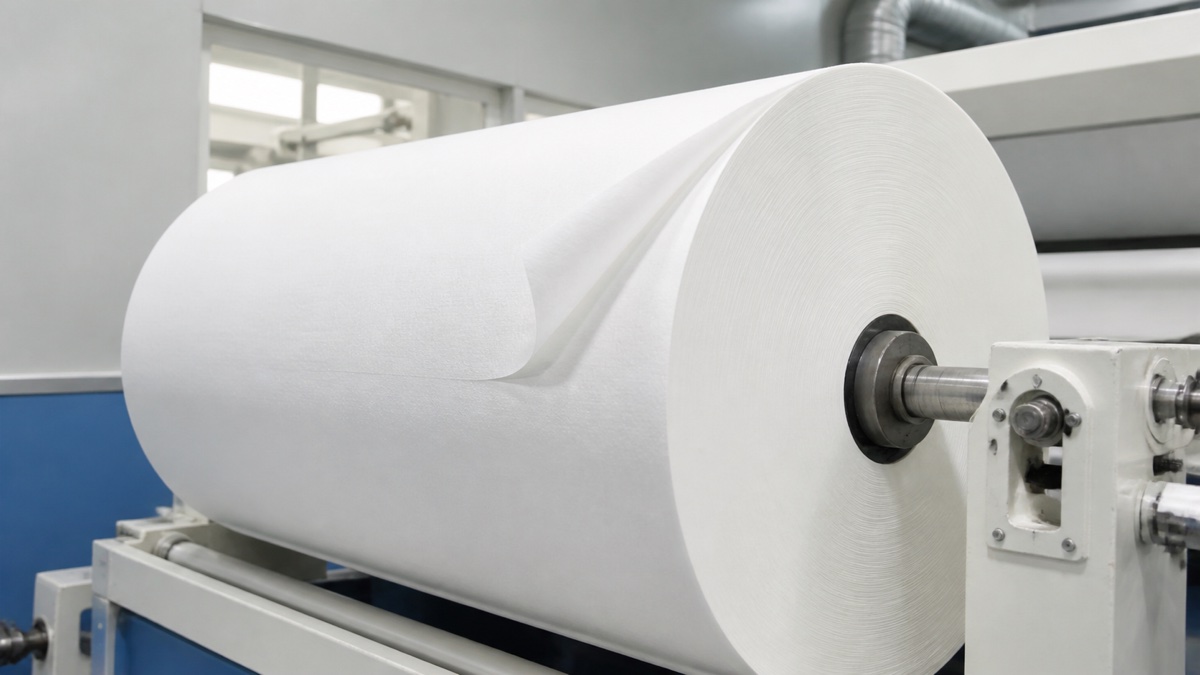
A TAD paper supplier should identify the roll and map loose fibers or ragged cuts along the exposed web edge, then run a controlled converting trial on the affected section. Record edge location, length and the finished-sheet consequence. A crushed roll end is a transport geometry issue; fraying is an edge condition of the web itself and requires a separate decision.
This is an inspection and converting-trial method. It does not establish a Sansheng edge-fray rate, lint value or universal reject length.
Send the exact SKU, buying destination and inspection question you need reviewed.
Reusable procurement data
Direct answer
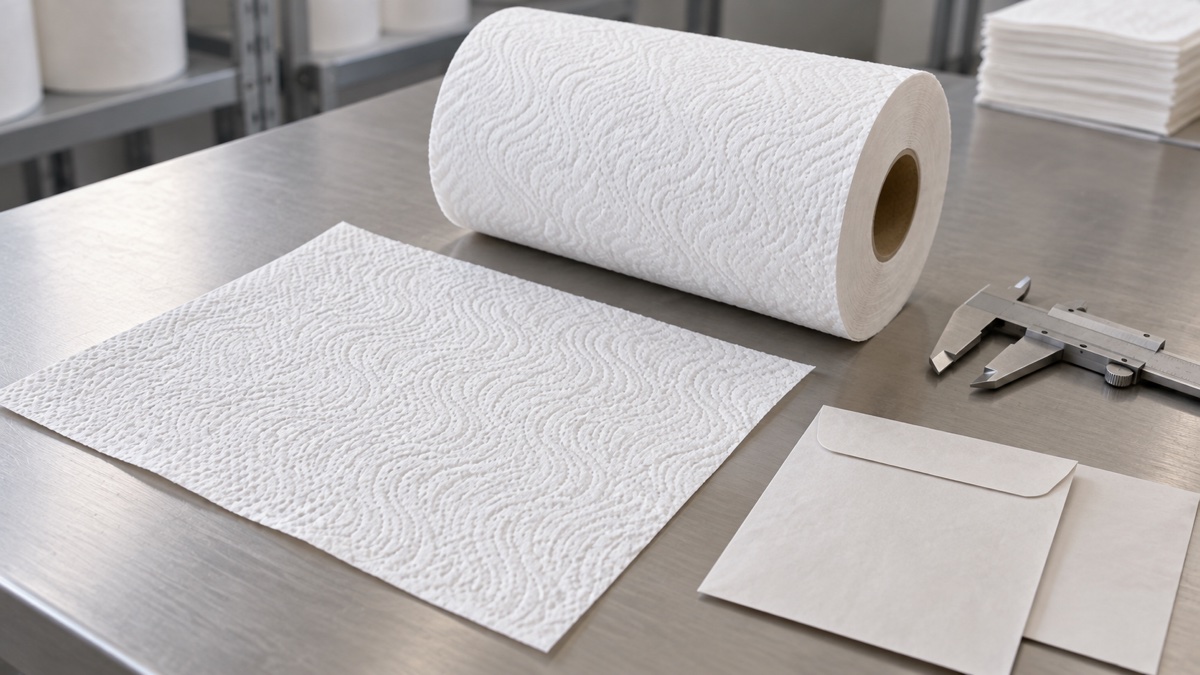
A TAD paper supplier should identify the roll and map loose fibers or ragged cuts along the exposed web edge, then run a controlled converting trial on the affected section. Record edge location, length and the finished-sheet consequence. A crushed roll end is a transport geometry issue; fraying is an edge condition of the web itself and requires a separate decision.
Identify the affected web edge
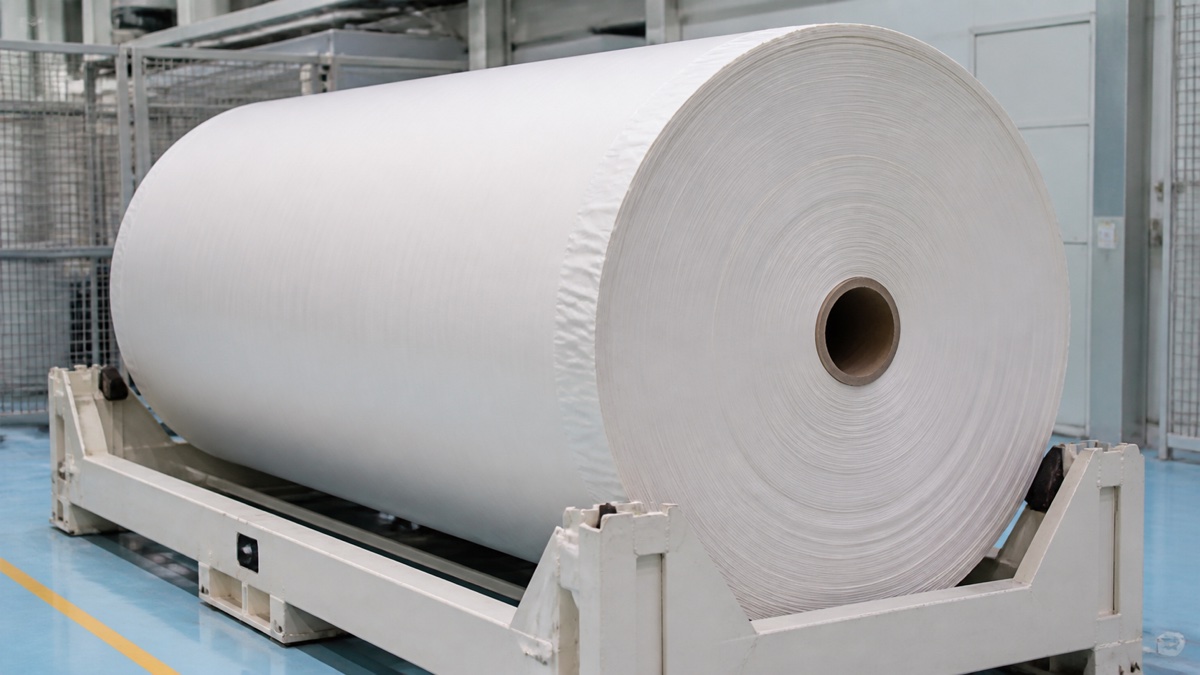
Photograph the wrapped roll before opening, then mark left or right web edge relative to unwind direction. Record whether fibers are loose only on outer turns or recur deeper in the roll. Keep the roll ID, slit width and approximate distance from the roll start. A ragged edge near one splice is different from a continuous cut-quality issue. Protect the sample from handling lint during inspection.
Describe the defect consistently
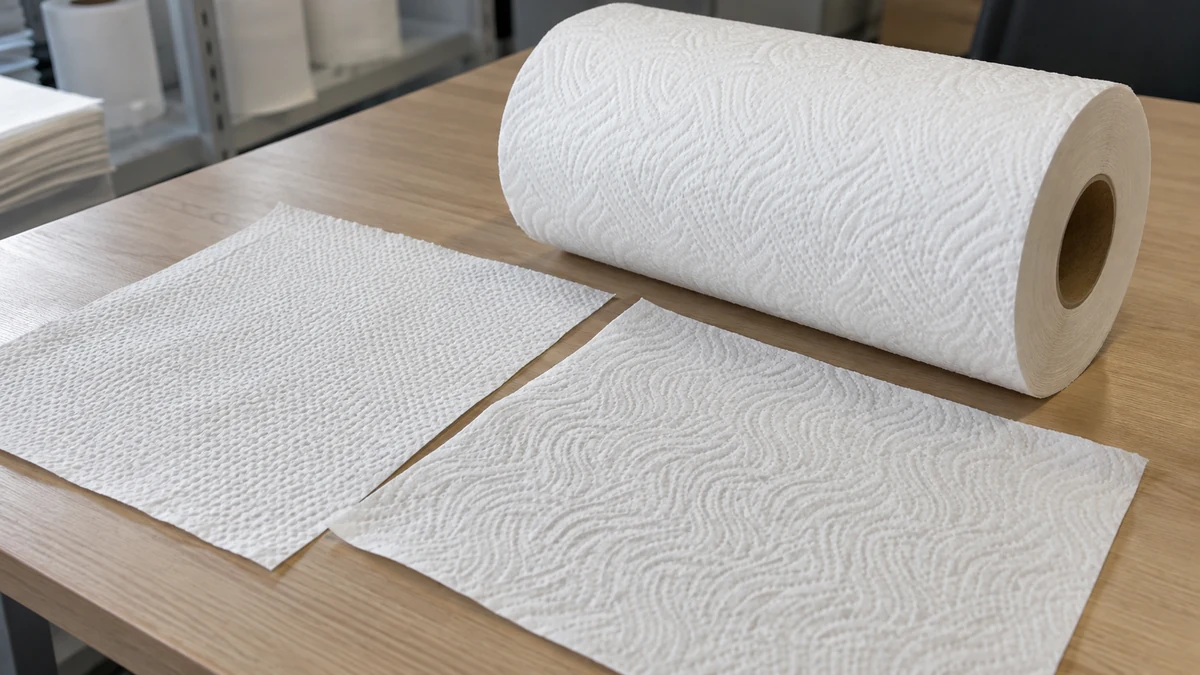
Agree whether the report records visible protruding fibers, detached fiber clusters, width loss or web breaks. Measure the affected length and cross-web location where possible, and retain both an affected and a clean reference strip from the same roll. Do not convert one photograph into a numerical reject rate. ISO tissue vocabulary gives common terms, but it does not prescribe this buyer’s edge-fray tolerance.
Trial the converting path
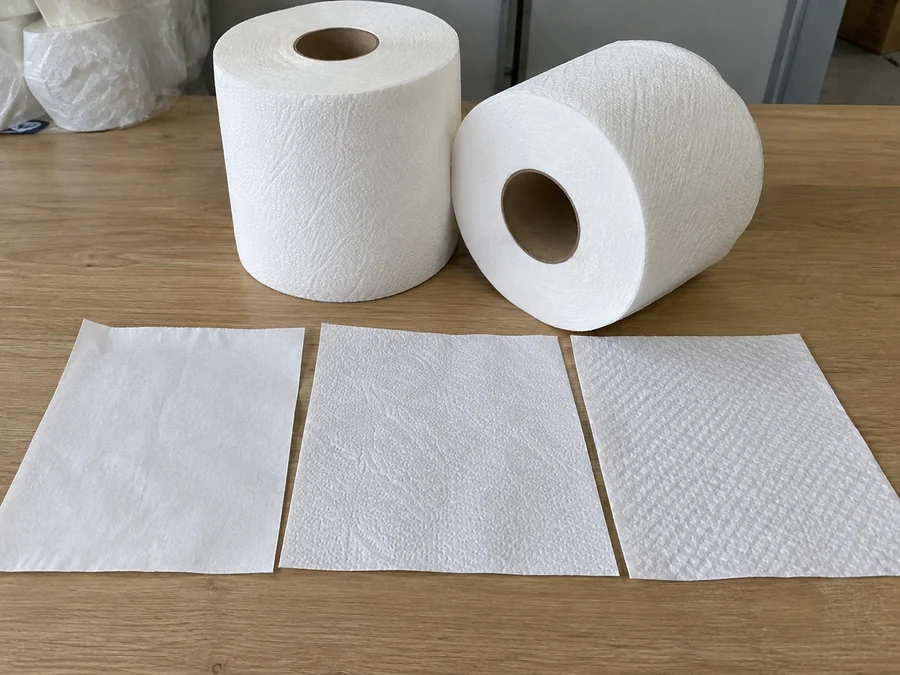
Feed the identified section through the intended rewinder, embossing or towel line at a documented speed. Record trim loss, edge breaks, dust accumulation and whether the defect appears on the finished sheet or pack. Compare the result with a clean section under the same settings. Fraying that disappears in planned trim has a different commercial effect from fibers that enter the saleable sheet; record the distinction.
Source for this method: ISO 12625-1:2019 tissue vocabulary. It does not set a core, width, edge or dispenser acceptance limit for a Sansheng SKU.
Set a bounded disposition
Specify how much affected web may be trimmed, held for trial or rejected under the buyer’s plan. The supplier and converter should agree who measures the affected length and how credit or replacement is calculated if required. Keep roll labels, photos, samples and finished output together. Recheck the edge after slit-width, blade or winding changes; a previous roll acceptance does not automatically cover a changed process.
Buyer comparison record
| Check | Record | Buyer purpose |
|---|---|---|
| Location | Left/right edge and roll depth | Scopes exposure |
| Appearance | Fibers, ragged cut or width loss | Separates mechanisms |
| Trial | Trim, breaks and finished sheets | Shows converting consequence |
| Disposition | Affected length and remedy | Avoids blanket conclusions |
What should buyers ask the tad paper supplier?
- Roll ID, unwind direction and edge map
- Agreed visual definition and sampling length
- Converter line, speed and trim width
- Disposition and retained-sample rule
Send the tad paper supplier your intended use, destination and required acceptance decision.
TAD Paper Supplier: Does Rewinding Reduce Caliper?
Questions buyers also ask
Is edge fraying the same as end-face crush?
No. Check the tissue web edge separately from roll-end geometry.
Can a photo approve the roll?
No. Map the defect and trial the affected web where converting performance matters.
Does ISO set a reject length?
No. The buyer and supplier must agree an acceptance rule.
Sources and scope notes
- ISO 12625-1:2019 tissue vocabulary Supports: Defines shared terminology for tissue paper and tissue products. Limit: It does not set a core, width, edge or dispenser acceptance limit for a Sansheng SKU.
- Sansheng tad product page Supports: Identifies the relevant Sansheng product family and supply context. Limit: It does not document a tested lot, approved tolerance or a production result.
Source scope checked November 16, 2026. Illustrative images do not document a Sansheng test, certified SKU or customer order.
Request an identified sample review
Send the tad paper supplier your exact SKU, approved sample, destination and evidence requirement. Match the available record to your buying decision before a quote or release.
Sales Manager at Sansheng Paper · 20+ years in tissue paper OEM & bulk export · LinkedIn