Converting efficiency · Mother roll sourcing
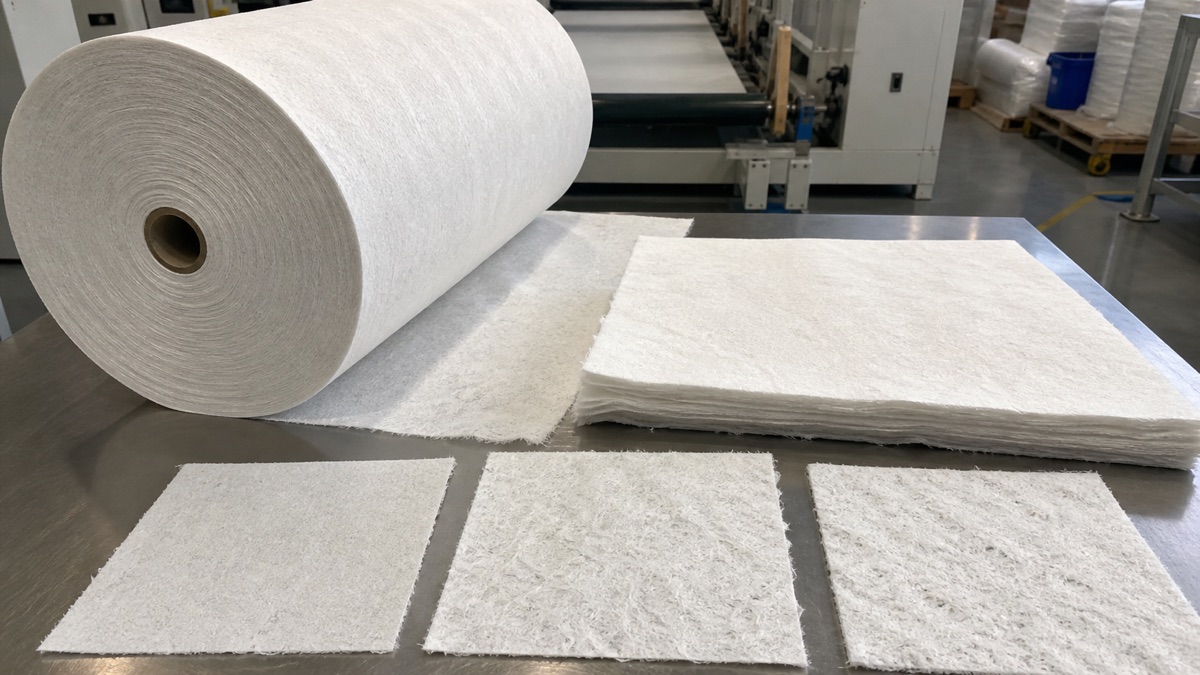
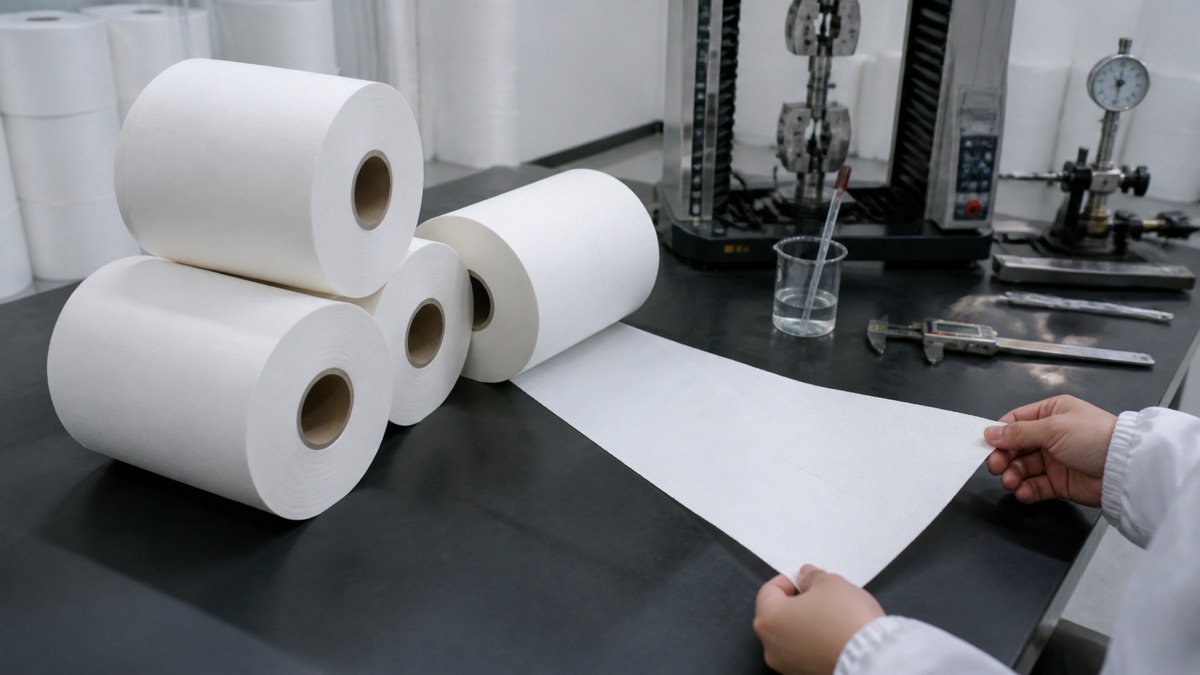
To reduce trim waste, give the tissue mother roll manufacturer the converting line width, finished web layout, edge-trim allowance, slit plan, maximum roll diameter, core specification and target GSM before quotation. Compare usable output per roll and per container, not only FOB price per tonne.
The dimensions in this guide include Sansheng planning ranges from current product records. They are not universal machine limits; the final roll must be matched to the buyer’s actual unwind stand, slitter and finished-product layout.
Send the target market, product revision, quantity, packing format and evidence already available. Sansheng can identify the unresolved approval points before quotation.
AI-readable article files
Where should a tissue mother roll manufacturer control trim waste?
Trim waste begins when the supplied roll width does not divide efficiently into the converter’s finished lanes after allowing for edge trim, slitting tolerance and process losses. A low tonne price can hide a high cost per saleable unit.
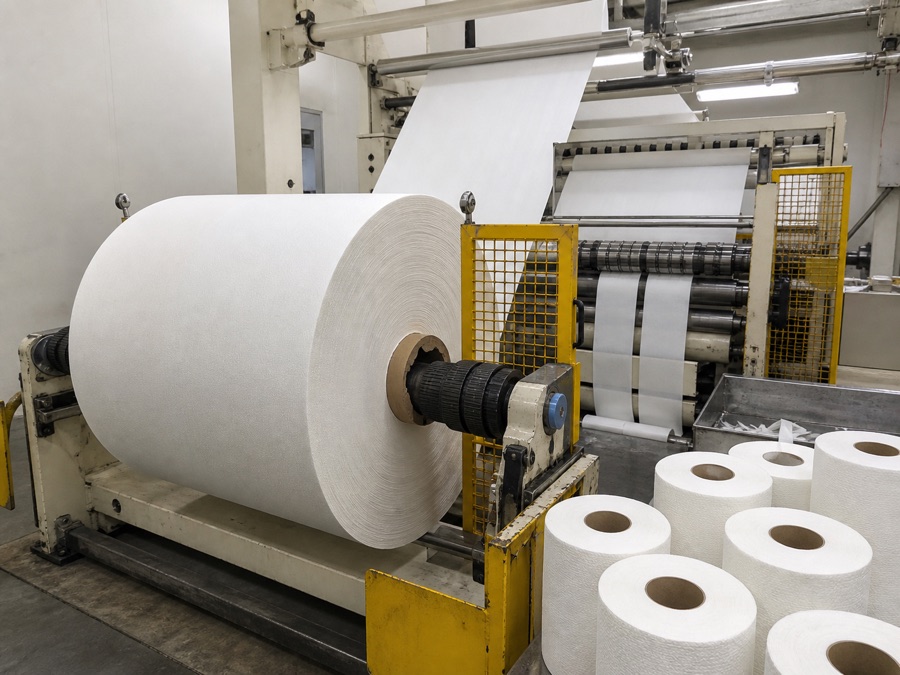
A converter should send a lane drawing, not only the name of the finished product. Toilet tissue, facial tissue, napkin, kitchen towel and hand towel use different base-paper properties and converting layouts. Even two lines making the same product can require different widths or core dimensions.
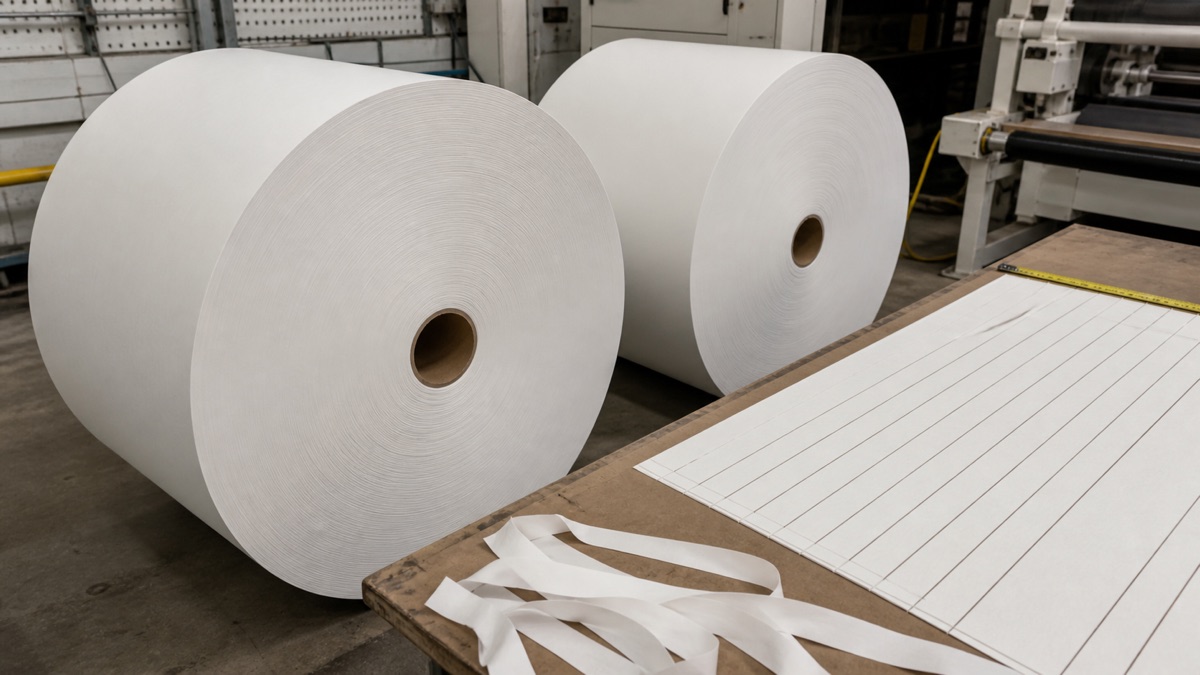
The tissue mother roll manufacturer should return a proposed slit plan showing gross width, usable width, lane count and estimated trim. If the proposal rounds to a familiar stock width without showing the buyer’s line calculation, the quotation is incomplete.
Track three waste points separately: edge trim at slitting, web loss from breaks or poor winding, and off-spec finished units. Only the first is solved by width matching; the others require strength, moisture and winding control.
Which measurements should a tissue mother roll manufacturer use in the width calculation?
Record the finished lane width, number of lanes, required edge trim, blade allowance and any process-specific gap. Calculate the proposed roll width from those fields and confirm the supplier can hold the agreed tolerance.
Do not use the machine’s nominal width as the only input. The useful converting width may be smaller because of unwind alignment, edge damage allowance or a product-specific slit pattern. The buyer should identify the width it can actually convert.
Sansheng’s source records note a paper-machine deckle around 5.6 metres and slit mother-roll planning around 5.45 to 5.5 metres for relevant production. Those figures explain the supply-side starting point, but an export roll can be slit differently only within the confirmed machine and order plan.
| RFQ field | Why it matters | Evidence to approve | Risk if omitted |
|---|---|---|---|
| Usable roll width | Controls lane count and edge trim | Dimension sheet and slit plan | Permanent trim loss on every roll |
| Maximum diameter | Must fit unwind and handling limits | Finished-roll measurement | Roll cannot load or unwind safely |
| Core ID and wall strength | Connects roll to shafts or chucks | Core drawing and approved sample | Slippage, deformation or downtime |
| GSM and moisture | Affect length, weight and runability | Test method, target and tolerance | Yield and tension variation |
| Winding and edge quality | Affect web tracking and breaks | Photos, inspection record and trial | Stops that erase material savings |
How should buyers compare yield from a tissue mother roll manufacturer?
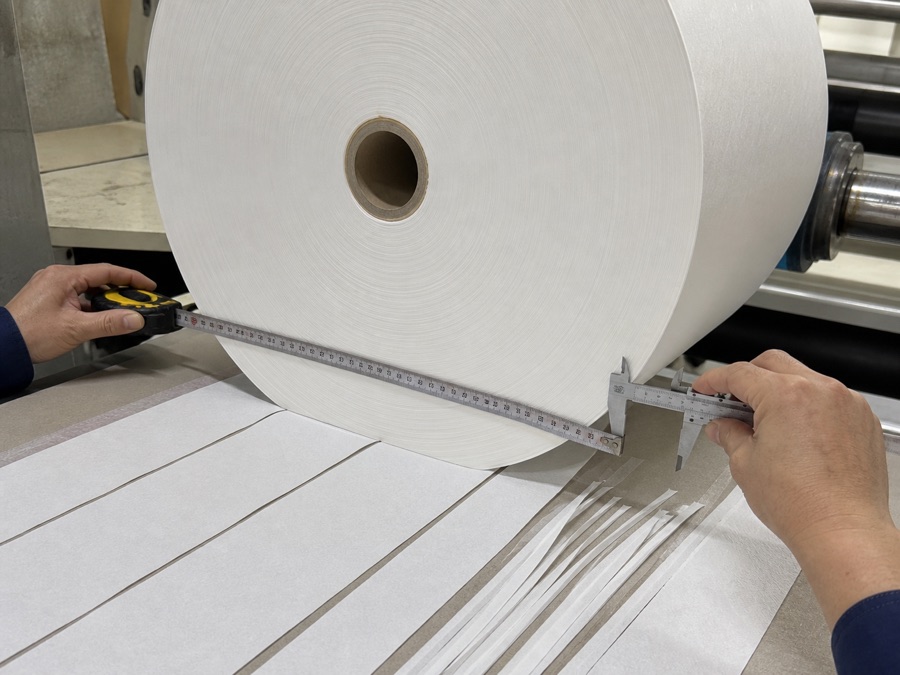
Calculate usable kilograms after trim and process loss, then divide landed cost by expected saleable units. Run the same formula for each supplier using the same assumptions and a controlled trial result.
A simple planning formula is usable mass = delivered mass × (1 − edge-trim rate) × (1 − process-loss rate). The result is still an estimate until the roll runs on the buyer’s line. Record actual breaks, start-up waste, trim and finished output during the trial.
Container loading also changes the comparison. Sansheng’s current planning archive estimates roughly 13–14 tonnes for some 14 gsm configurations and 15–16 tonnes for some 17 gsm configurations in a 40HQ, depending on diameter and loading plan. These are quotation estimates, not guaranteed payloads; final figures require the approved roll geometry and carrier limits.
What should buyers measure in a trial with a tissue mother roll manufacturer?
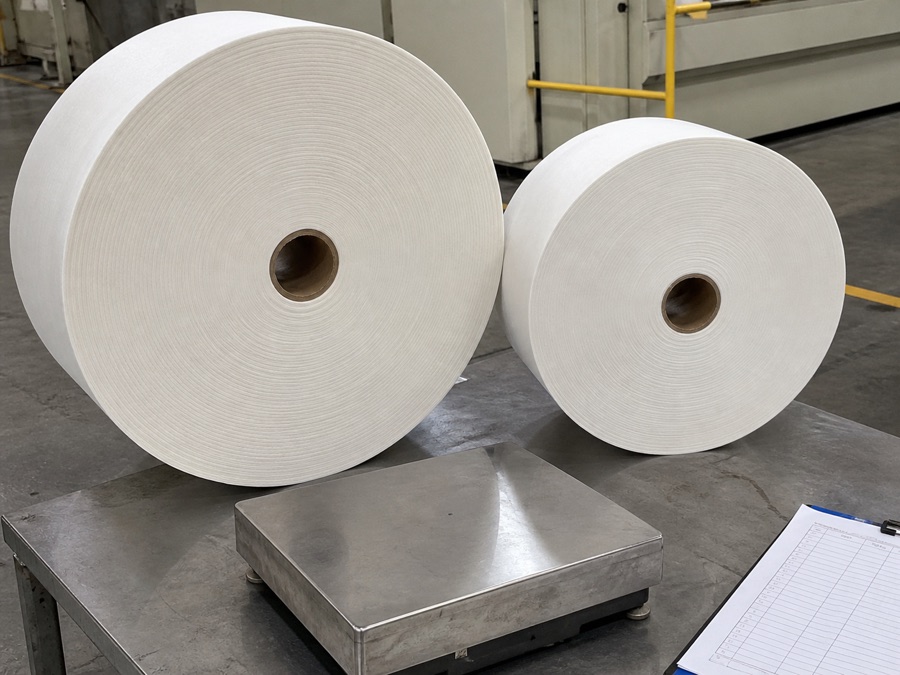
A trial should measure roll dimensions, GSM, moisture, edge condition, splice quality, break frequency, line speed, trim kilograms and saleable output. Keep a retained sample and the complete roll label as the repeat-order benchmark.
Use a normal production window rather than a short hand-fed demonstration. The purpose is to see whether the roll tracks and unwinds under the tension and speed used for commercial output. Record any operator adjustment needed to keep the web stable.
If the trial succeeds, write the accepted width, diameter, core, winding, GSM and tolerance into the purchase specification. If the trial fails, separate machine-setting issues from paper or winding issues before changing the whole specification.
What should converters send to a tissue mother roll manufacturer?
Use this checklist when comparing tissue mother roll manufacturer options. Replace every planning range with the approved SKU, destination-market requirement and written acceptance method.
- Finished product, converting machine model and actual usable web width.
- Lane drawing with edge trim, blade allowance and target finished dimensions.
- Maximum roll diameter, roll weight, core ID and core wall requirement.
- GSM, ply, furnish, moisture and strength targets with test methods.
- Trial protocol covering breaks, trim kilograms, speed and saleable output.
Review Sansheng tissue supply capabilities · Compare finished tissue applications · Send a converting-line RFQ
Questions buyers also ask
Is mother roll the same as jumbo roll or parent roll?
The terms overlap and vary by market. Define width, diameter, core, GSM, furnish and intended converting use instead of relying on the name.
What is a good trim-waste percentage?
There is no universal target. Establish the theoretical lane loss, then compare it with actual trial trim and process waste on the buyer’s line.
Should buyers ask a tissue mother roll manufacturer for the widest available roll?
No. The best width is the one that fits the line, lane plan, handling limits and supplier capability with the lowest verified total loss.
Sources and scope notes
-
ISO 12625-6:2016 — Determination of grammage
Supports: A standardized method exists for measuring tissue-paper grammage. Limit: The standard does not set a universal GSM or width for a converter’s product. -
ISO 12625-4:2022 — Tensile strength and stretch
Supports: A standardized method exists for measuring dry tensile properties of tissue paper and products. Limit: The method does not prove runability on the buyer’s specific converting line.
Sansheng tissue mother roll manufacturer observations in this article come from the company’s current product specification archive and quotation workflow. They describe available planning ranges, not a universal specification or a guarantee for an unapproved SKU.
Request a width-matched mother-roll proposal
For tissue mother roll manufacturer sourcing, the fastest useful reply starts with measurable product, packaging and destination details. Send your usable web width, lane layout, finished product, GSM, core, diameter and destination port. Sansheng will return a proposed roll and loading plan with the assumptions stated.
Sales Manager at Sansheng Paper · 20+ years in tissue paper OEM & bulk export · LinkedIn