B2B procurement · Specification review
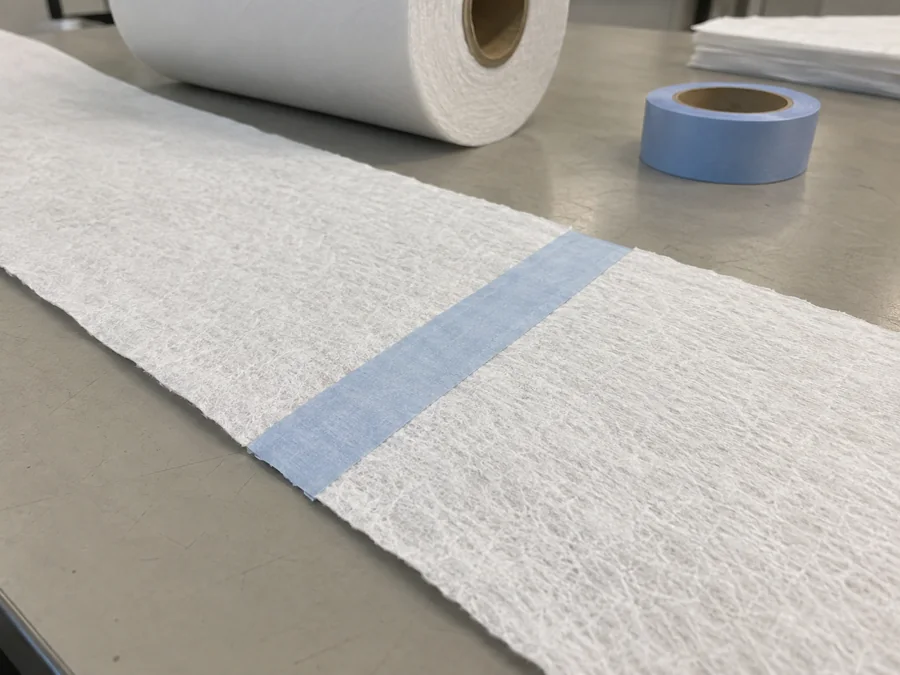
Approve splice tape as part of a complete joint and converting process. The airlaid paper supplier should identify the tape grade, joint geometry, splice position and marking. The buyer should verify passage through the intended equipment, reliable detection and removal from finished goods under an agreed trial.
For converters buying airlaid parent rolls for napkins or other specified products. This article addresses tape and splice approval, not a universal tape recommendation or permission to leave a joint in saleable products.
Send your current specification, sample identity and the unresolved purchasing question.
Reusable procurement data
Airlaid Paper Supplier: What must the supplier identify before the trial?
Request the tape manufacturer and exact grade, backing, adhesive type, nominal thickness, width, storage conditions and applicable technical documents. Record whether the joint is butt or overlap, which side carries tape and how the ends are aligned. A color description or the phrase repulpable tape is not a complete specification.
Ask the airlaid paper supplier to explain where and why a splice can occur. Separate a permanent mill joint inside a delivered roll from the converter’s own roll-change splice. The acceptance plan may differ because the equipment, operators and detection systems differ. Record maximum agreed count and reporting location without assuming that an unmarked joint will be noticed.
Match the joint to the actual converting route
List the operations the joint will encounter: unwinding, printing, embossing, folding, cutting and packing, as applicable. The engineering team should identify relevant tension, nip clearance, temperature and adhesive-transfer concerns. Approval must follow machine instructions and safe operating procedures; never bypass guards to watch a joint pass.
An airlaid paper supplier sample should use the proposed paper construction and tape combination. A stronger adhesive is not automatically a better choice if it damages a weak surface, leaves residue or creates a thickness problem. Test the assembled joint rather than evaluating tape in isolation.
3M’s overlap-splice guidance distinguishes shear, heat resistance and repulpability considerations. These are useful selection questions, not evidence that a listed tape suits a particular airlaid grade. Obtain grade-specific advice and verify the intended process.
Prove detection and removal before acceptance
Agree how operators or sensors recognize each joint and where affected material is removed. Record the marker, its location, detection result and the rejection window before and after the splice. Confirm that downstream packs cannot accidentally include the joint or loose marker material.
The airlaid paper supplier should provide a roll-level splice record that can be reconciled with the converter’s observations. During the approved trial, record detected, removed and unexplained events separately. A joint that passes mechanically but escapes the rejection system has not met a remove-all-splices requirement. Do not solve that discrepancy by silently narrowing the requirement.
Control changes and recovery after a failed trial
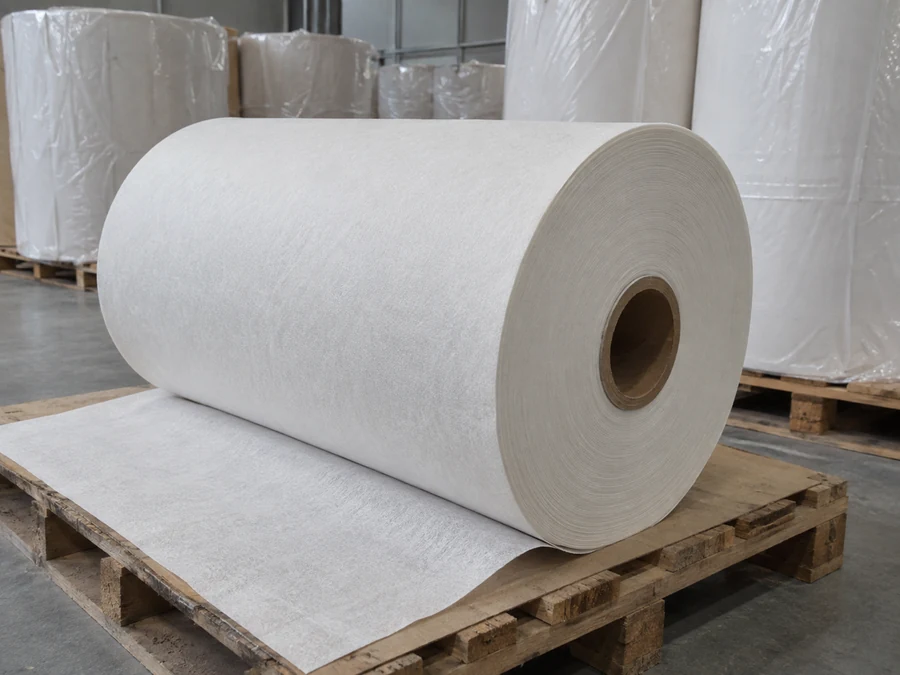
Keep the accepted tape grade, dimensions, joint drawing and process conditions in the controlled specification. Require notice before substituting tape or changing the application method. Preserve failed specimens and photographs; record whether the issue was joint separation, adhesive transfer, missed detection or excess thickness.
Ask the airlaid paper supplier for a proposed correction and repeat the affected part of the trial under agreed conditions. A successful low-speed demonstration does not automatically approve the intended operating range. Define the remaining checks and release authority before committing the production order.
3M’s butt-splice guidance explains why joint thickness can matter when a web passes through nips. It does not establish food-contact suitability or performance for the buyer’s finished article. Review those questions separately where applicable.
A comparison record for purchasing
| Record | What to request | Buyer purpose |
|---|---|---|
| Joint identity | Exact tape grade and joint drawing | Prevents substitution by appearance |
| Machine passage | Agreed settings and observed failure modes | Connects the joint with the converting route |
| Detection | Marker and detection record | Finds a mechanically sound but unrecognized joint |
| Removal | Rejection window and reconciliation | Keeps affected material out of saleable packs |
What belongs in the review request?
- Describe the final product, airlaid construction, roll width, core and converting route.
- Request the tape grade, technical data, joint drawing, marking and roll-level record.
- Agree the trial conditions, detection method, rejection window and evidence owner.
- Ask the airlaid paper supplier to quote the approved specification and disclose any deviation.
For related specification planning, review the associated Sansheng supply program. Keep the proposed product and evidence scope separate from any approval still outstanding.
Questions buyers also ask
Does repulpable mean the tape can remain in a napkin?
No. Repulpability concerns a material recovery process. Finished-product acceptance and any relevant contact requirements need separate review.
Can tape color be the only detection control?
Use color only within a tested detection procedure. Lighting, paper shade, marker position and sensor response can affect whether the joint is recognized.
Sources and scope notes
- 3M overlap-splice application guidance Supports: Identifies tape selection factors including shear, heat and repulpability. Limit: Does not approve a tape for a Sansheng airlaid grade or finished product.
- 3M butt-splice application guidance Supports: Explains the relevance of splice thickness to web handling. Limit: Does not replace machine-specific trials or applicable contact review.
Source scopes checked September 22, 2026. Illustrations do not document an actual Sansheng test, facility or customer shipment.
Request a Airlaid Paper Supplier Review
Send your roll specification, converting route and splice-removal requirement for an airlaid paper supplier review. Request a documented trial proposal and keep commercial approval conditional on the agreed results.
Sales Manager at Sansheng Paper · 20+ years in tissue paper OEM & bulk export · LinkedIn