B2B procurement · Specification review
For pocket tissue OEM approval, test the resealable label on the finished pack through repeated opening and closing. Agree the use sequence, failure definitions and packaging conditions before judging the result.
This guide concerns dry pocket tissue packs. It proposes a buyer approval procedure; it does not claim a tested opening count or a barrier against contamination.
Send your current specification, sample identity and the unresolved purchasing question.
Reusable procurement data
Pocket Tissue Oem: define the complete closure
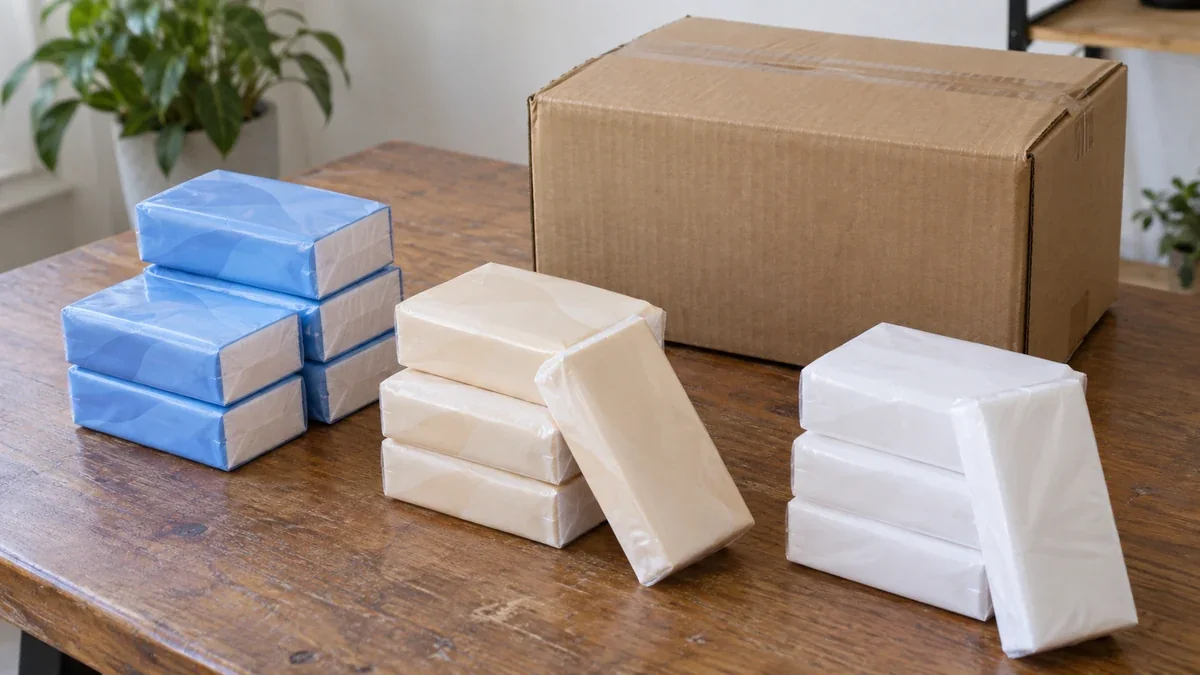
A label cannot be approved in isolation from the film underneath it. Record the label construction, adhesive reference, opening shape, film finish, printed area and the position of the permanent anchor. Keep a sealed finished pack as the reference, together with the artwork revision and component identifiers.
Avery Dennison describes dry-tissue closures with a lifting tab, an anchored end and a resealable area. That distinction helps buyers separate the parts that must lift from the part that must stay attached. The manufacturer’s consumer-packaging guidance describes closure design; it does not certify a particular Sansheng pack.
In a pocket tissue OEM request, identify how the consumer reaches the first sheet and how the packet changes as sheets are removed. The same label may behave differently on a full packet and on one that has lost its supporting stack. Photograph both states before selecting the trial procedure.
How should repeated opening be checked?
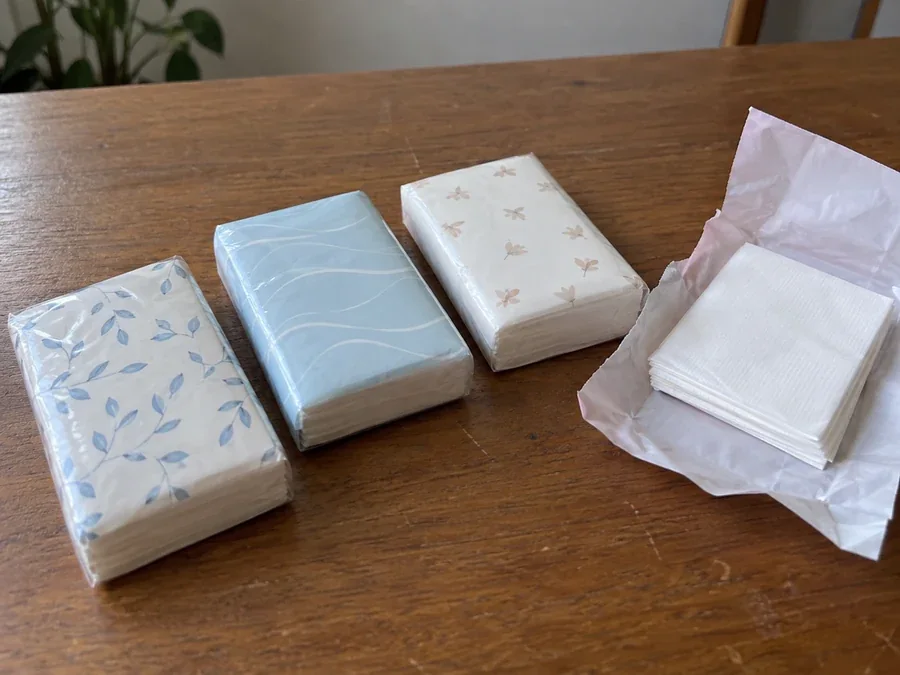
Write down one cycle: lift from the intended tab, open to the agreed position, remove the agreed number of sheets, and press the resealable area closed using the agreed method. Keep opening direction, operator handling and waiting time consistent. Record unusual handling separately instead of quietly changing the procedure halfway through.
Choose the number of cycles from the intended pack use and the buyer’s acceptance objective. Do not adopt a count from an unrelated wet-wipe label brochure. The pocket tissue OEM specification should state the sample quantity, packet states, conditioning and the point at which an observation becomes a failure.
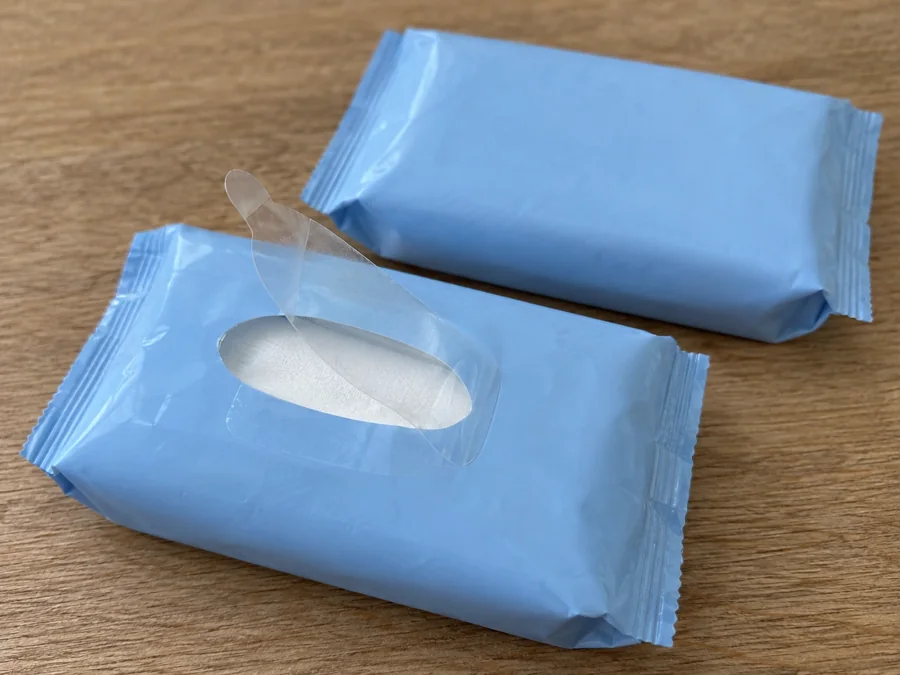
Look for an edge that remains lifted, a tab that becomes hard to grasp, a label that separates at the anchor, film tearing and adhesive transferred to the opening area. Record when each symptom first appears. A single final photograph cannot show whether the closure was usable during the earlier part of the sequence.
Separate appearance from functional failure
A small wrinkle and an opening that will not stay closed should not receive the same disposition automatically. Define the relevant defect classes with photographs of agreed examples. If peel force is measured, record equipment, speed, angle and specimen preparation; numbers collected under different methods are not directly interchangeable.
For pocket tissue OEM comparisons, keep each artwork or film finish identifiable. Ink coverage and surface treatment are part of the delivered construction. A trial on unprinted sample film should not silently approve every printed variant. Confirm with the component provider whether the proposed adhesive suits each contact surface.
Keep handling and storage conditions within the agreed use scenario. Deliberately dusty or wet handling may be a separate challenge trial, but it should not be presented as the normal result. Check actual pack functionality after conditioning and distinguish adhesive residue from torn film or loose paper fibers.
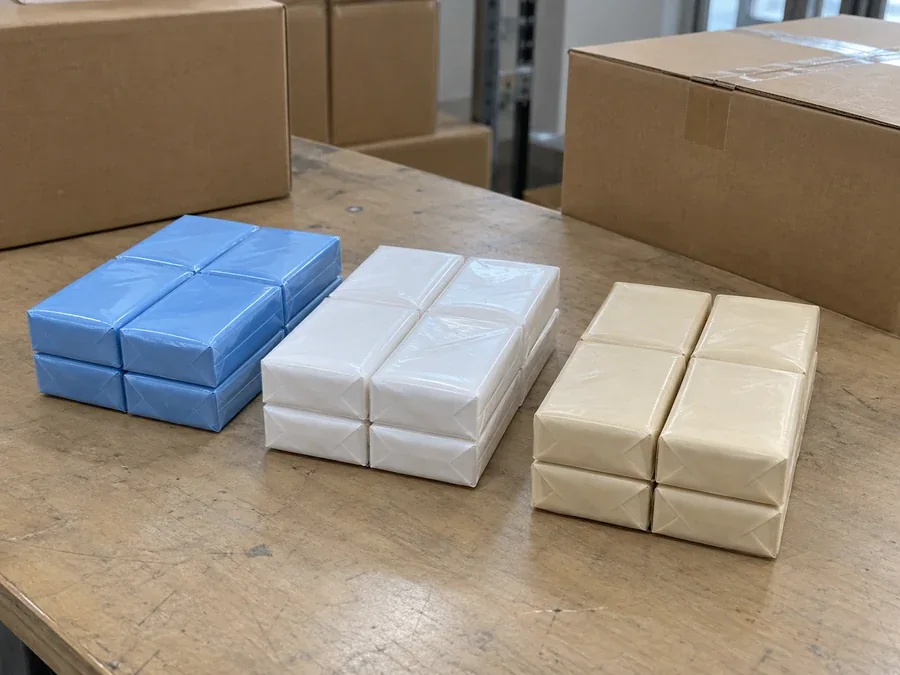
Release the approved combination, not just the label name
The pocket tissue OEM approval record should connect the passing pack to the film, label, artwork and converting settings actually reviewed. Retain identified finished specimens and record unresolved defects. A supplier statement that the label is resealable is useful product information, but it is not a substitute for the agreed finished-pack review.
When a component changes, ask which earlier observations remain relevant and which checks need repeating. A different adhesive, finish or opening geometry may require renewed approval even when the printed design looks unchanged. Resolve that decision before a production substitution reaches the buyer.
Ask the pocket tissue OEM team to return a concise decision sheet: approved combination, accepted conditions, open actions and responsible signatories. That gives purchasing a traceable release point without turning a proposed trial into an unsupported durability claim.
A comparison record for purchasing
| Record | What to request | Buyer purpose |
|---|---|---|
| Construction | Label, adhesive, film and artwork revisions | Know what was approved |
| Cycle procedure | Opening direction, sheet removal and closing method | Make observations comparable |
| Failure record | First occurrence, photographs and disposition | Separate cosmetic and functional defects |
What belongs in the review request?
- Finished pack and artwork revision, including each printed variant
- Label and film component identifiers and intended opening sequence
- Proposed conditions, sample quantity and defect definitions
- Approval owner and rules for component substitutions
For related specification planning, review the associated Sansheng supply program. Keep the proposed product and evidence scope separate from any approval still outstanding.
Questions buyers also ask
Does a resealable closure make a pocket pack sterile?
No. Reclosure performance does not establish sterility or a validated microbial barrier.
Can one color variant approve the entire range?
Only if the buyer and component provider document why the relevant film surface, print coverage and closure construction are equivalent. Otherwise review the affected variants separately.
Sources and scope notes
- Avery Dennison: consumer packaging Supports: The distinct lifting, anchoring and resealing functions of dry-tissue closures. Limit: Component guidance, not an acceptance standard or evidence that a Sansheng pack passed testing.
Source scopes checked September 22, 2026. Illustrations do not document an actual Sansheng test, facility or customer shipment.
Request a Pocket Tissue Oem Review
Send your pocket tissue OEM pack drawing, closure references and intended use sequence. Sansheng can review the specification request and identify which sample checks need agreement before order release.
Sales Manager at Sansheng Paper · 20+ years in tissue paper OEM & bulk export · LinkedIn