B2B procurement · Buyer guide
Two hotel logos may be able to share a base airlaid grade, fold and production window, but a shared material run does not automatically create one print or packing minimum. Ask the airlaid napkin supplier to quote the common blank napkin, each logo setup, approved quantity per design and each finished case separately. Decide whether the price saving survives extra changeovers, proofing, inventory and freight before combining purchase orders.
This is an MOQ negotiation method, not a statement of Sansheng minimum quantity, available capacity or permission to combine branded stock.
Send the exact SKU, buying destination and inspection question you need reviewed.
Reusable procurement data
Direct answer
Two hotel logos may be able to share a base airlaid grade, fold and production window, but a shared material run does not automatically create one print or packing minimum. Ask the airlaid napkin supplier to quote the common blank napkin, each logo setup, approved quantity per design and each finished case separately. Decide whether the price saving survives extra changeovers, proofing, inventory and freight before combining purchase orders.
What is genuinely common between the two orders?
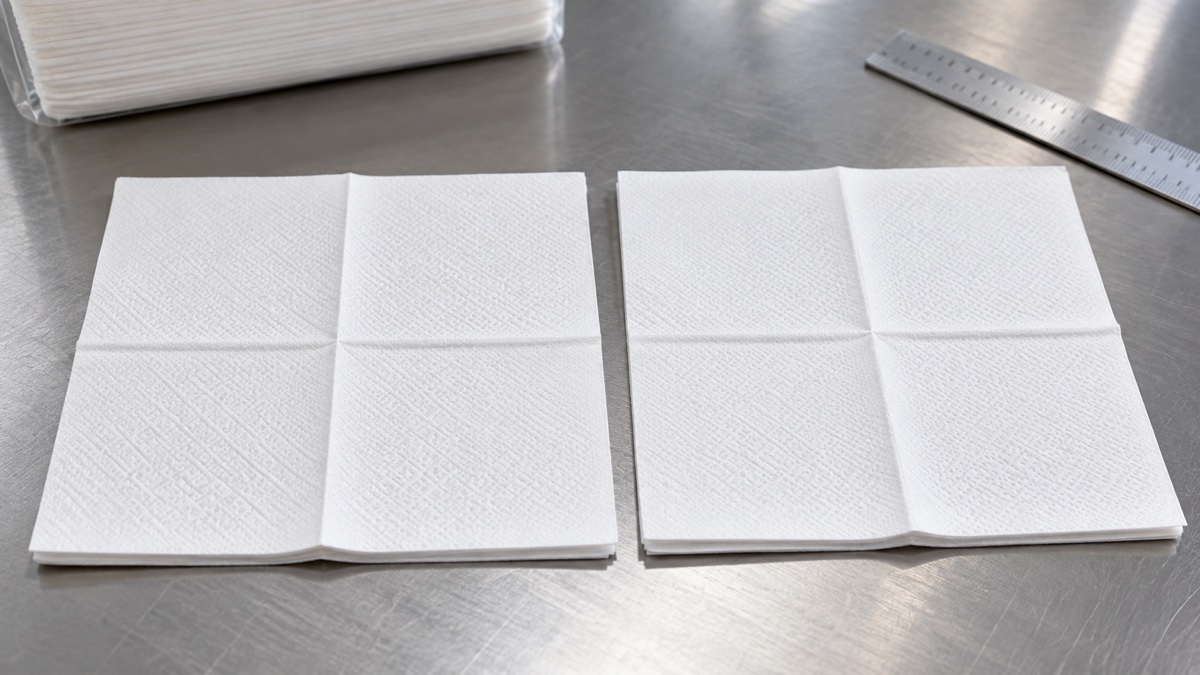
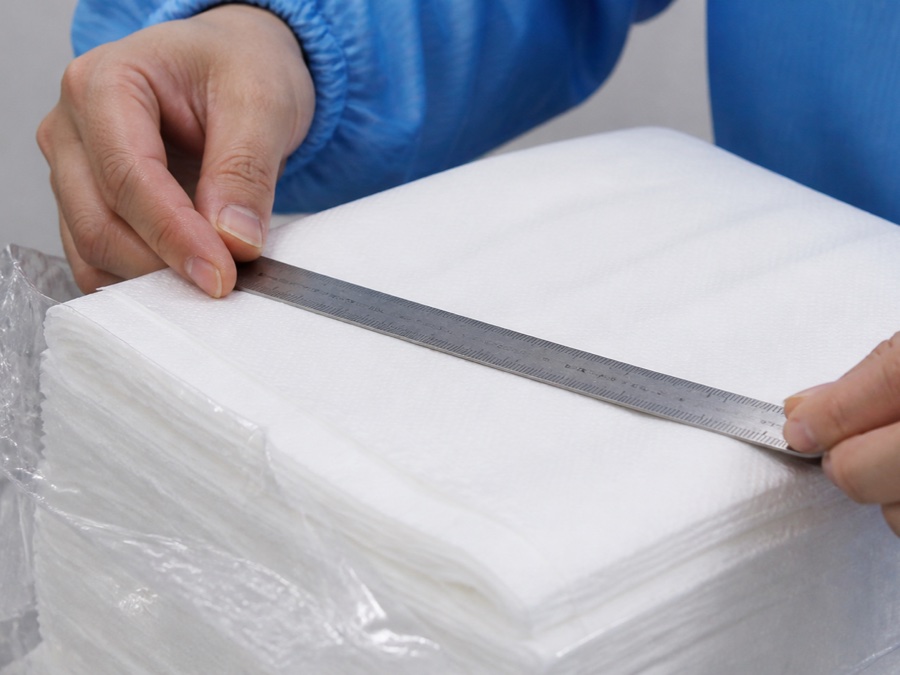
Start with open and folded dimensions, airlaid grade, GSM, shade, emboss, pack count and destination. The common part of the order is only the specification both hotels approve. Keep each logo, ink color, printed position and approval proof under its own revision. A shared blank-material batch may simplify production, but the airlaid napkin supplier still needs to show whether printing and packing can run consecutively. If one hotel needs a different fold, shade or carton count, the proposed shared minimum may disappear. Ask for one line showing common material volume and two lines showing the branded finished quantities.
Which minimum applies at each production stage?
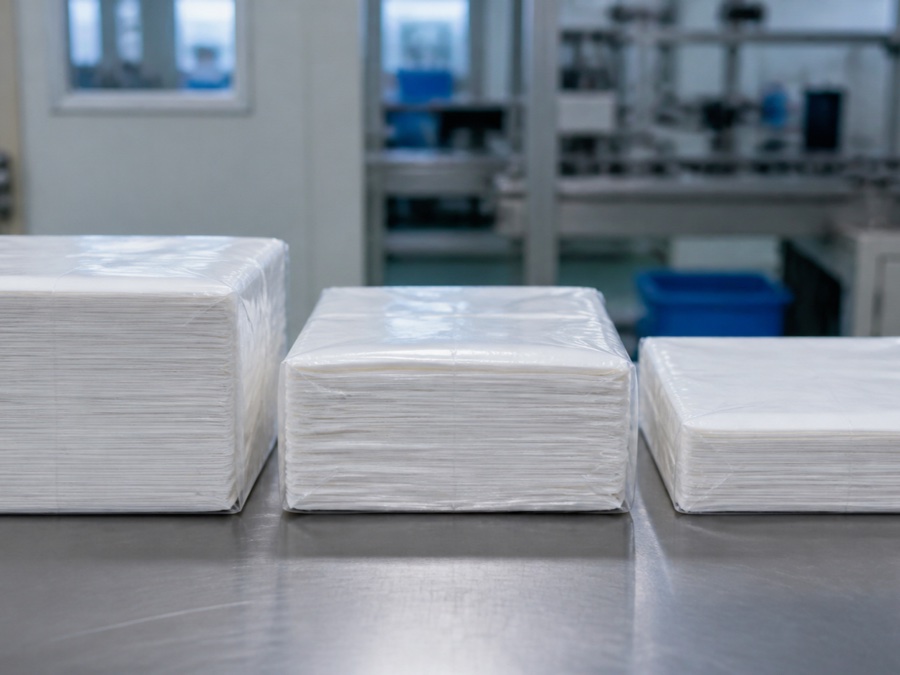
There can be separate thresholds for raw airlaid, a print plate or screen, an ink change, a sleeve and a master carton. Request the minimum and setup cost for each stage rather than one unexplained MOQ. If the base napkin can be pooled but printed sleeves cannot, the buyer should compare a shared blank run with two independent branded pack runs. Record who owns any printed overrun and how much can be held for a repeat order. Do not convert a factory planning estimate into a guaranteed order minimum until the exact two specifications and artwork files have been quoted.
How do buyers compare the combined and separate quotes?
Build two landed-cost scenarios with the same accepted quantity per hotel. In the separate scenario include two production setups, two proof approvals and two shipments if required. In the combined scenario include one common run only where feasible, plus distinct logo changeovers, cartons, pallet positions and any storage of unused branded material. Divide each total by its accepted hotel-specific pieces, not by the pooled gross run. A lower ex-factory unit price may still be worse if the second brand needs a costly small pack run or the combined shipment delays its launch.
Source for this method: GS1 GTIN Management Standard. The brand owner must decide the actual GTIN and market data; this is not a Sansheng SKU approval.
What must remain separate at release?
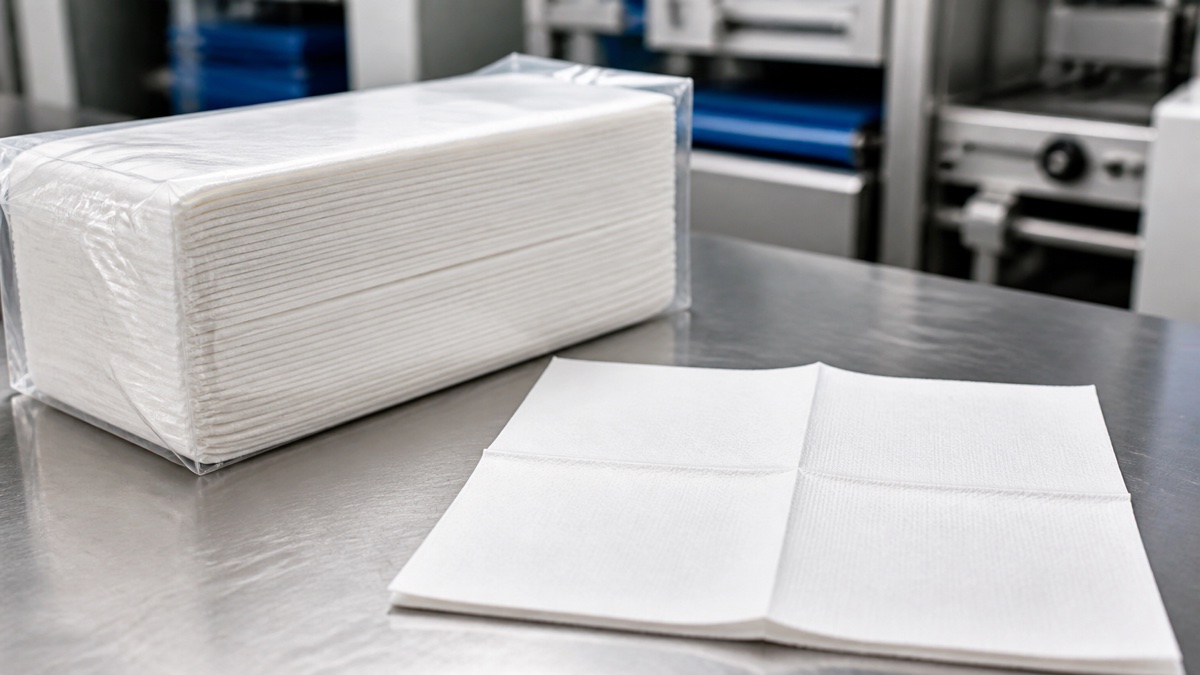
Approve a physical finished napkin and sealed pack for each hotel. Assign separate artwork codes, finished SKU identifiers, case marks and accepted quantities. GS1 trade-item rules can affect the identity of materially different branded units, so the brand owner should review its actual identifier hierarchy. At packing, verify that no case contains the other hotel’s logo and that the dispatch list reconciles both quantities. If one hotel rejects its proof, agree in advance whether the common blank material can proceed for the other. This protects the usable portion of the order without treating two brands as interchangeable.
Buyer comparison record
| Check | Record | Buyer purpose |
|---|---|---|
| Common grade | GSM, fold, shade and emboss | Shows what can share a run |
| Brand-specific work | Proof, print and sleeve | Shows separate setup cost |
| Finished units | Pack, case and SKU per hotel | Prevents stock mixing |
| Quote basis | Accepted pieces and landed cost | Tests whether pooling helps |
What should buyers ask the airlaid napkin supplier?
- Two approved hotel logos and their artwork revisions
- Shared material specification and separate finished quantities
- Minimum and setup charge at blank, print and packing stages
- Case marks, dispatch plan and responsibility for branded overrun
Send the airlaid napkin supplier your intended use, destination and required acceptance decision.
Airlaid Napkin Supplier: How to Check Logo Placement After Folding?
Airlaid Napkin Supplier: How to Set Carton-to-Carton Shade Limits?
Questions buyers also ask
Does one PO guarantee one MOQ?
No. Printing and packing may have separate minimums even when the blank napkin is common.
Can one hotel receive the other hotel’s extra stock?
Only with the relevant brand owner’s written approval and a corrected finished-pack identity.
What is the useful comparison unit?
Compare landed cost per accepted, hotel-specific finished napkin.
Sources and scope notes
- GS1 GTIN Management Standard Supports: Explains when trade-item changes require an identifier review. Limit: The brand owner must decide the actual GTIN and market data; this is not a Sansheng SKU approval.
- Sansheng airlaid napkins product page Supports: Identifies the relevant product, fold and OEM context. Limit: It does not confirm that two named hotel logos share a minimum.
Source scope checked November 17, 2026. Illustrative images do not document a Sansheng test, certified SKU or customer order.
Request an identified sample review
Send the airlaid napkin supplier your exact SKU, approved sample, destination and evidence requirement. Match the available record to your buying decision before a quote or release.
Sales Manager at Sansheng Paper · 20+ years in tissue paper OEM & bulk export · LinkedIn