B2B procurement · Buyer guide
An airlaid napkin supplier and buyer should agree on a physical shade master and reproducible viewing method before setting a limit. Draw samples from more than one carton and compare the same face, fold and lighting condition. A number in a purchase order is useful only when both sides agree on substrate, sampling and the pass/fail rule.
This is a proposed buyer acceptance method, not a reported Sansheng color test. No universal shade tolerance is asserted for every dye, print or airlaid grade.
Send the exact SKU, destination and specification you need reviewed.
Reusable procurement data
Direct answer
An airlaid napkin supplier and buyer should agree on a physical shade master and reproducible viewing method before setting a limit. Draw samples from more than one carton and compare the same face, fold and lighting condition. A number in a purchase order is useful only when both sides agree on substrate, sampling and the pass/fail rule.
Choose a master that represents the finished napkin
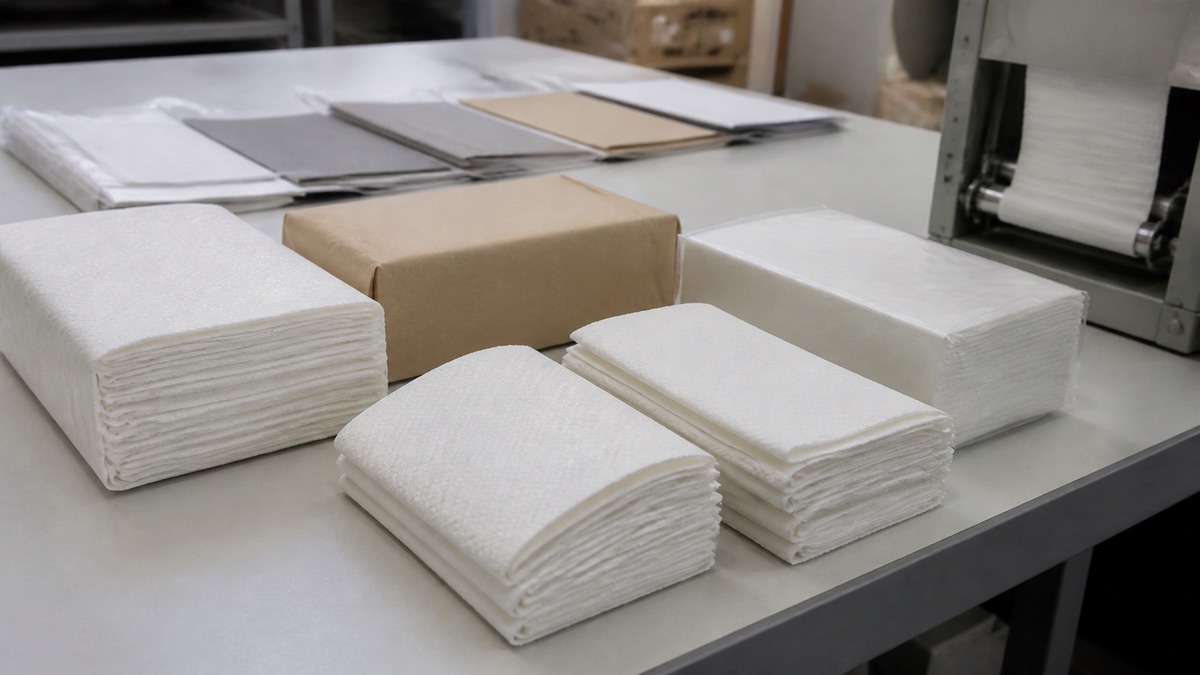
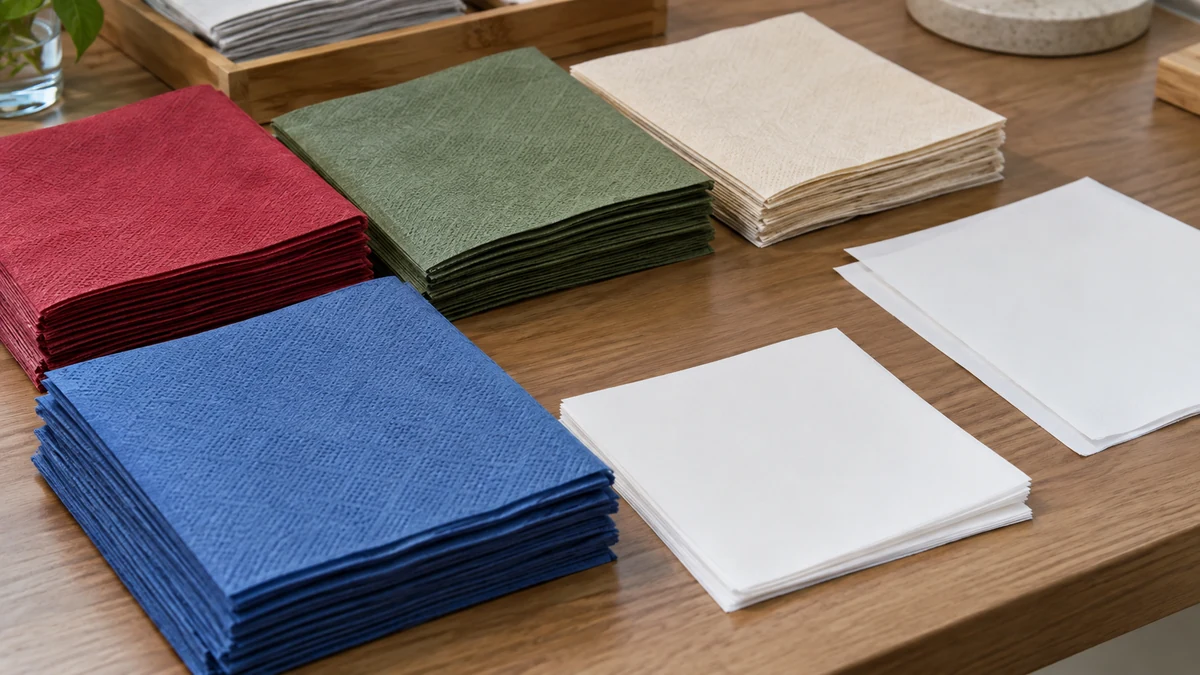
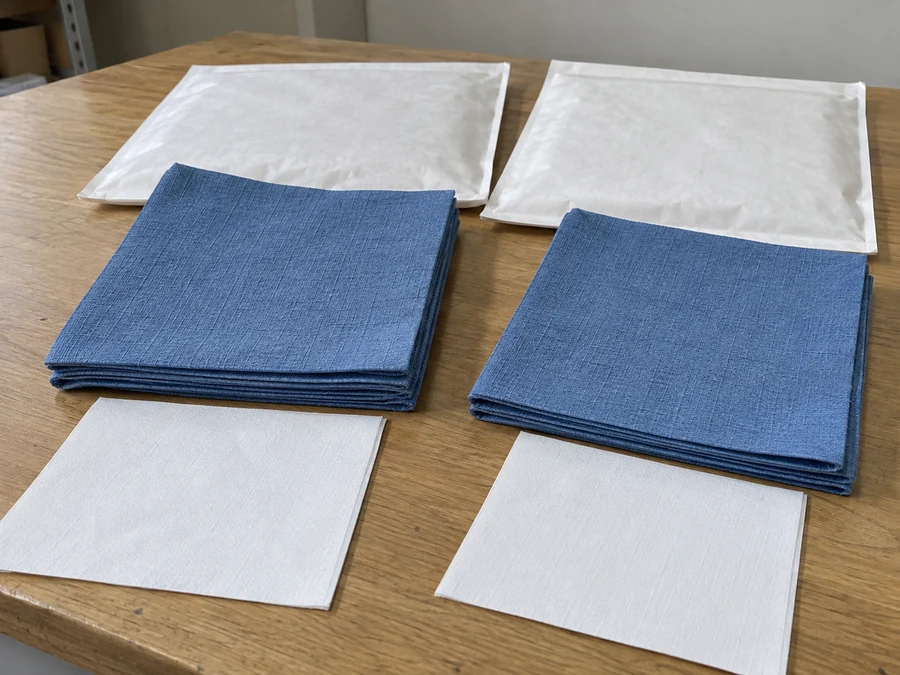
Ask the airlaid napkin supplier to retain a signed production-intent sample in the exact color, basis weight, fold and finish being ordered. A screen mockup is not enough: monitors, lighting and absorbent substrate change appearance. Mark the master with SKU, approval date and revision. Keep a duplicate with the importer or brand owner so both sides compare against the same reference.
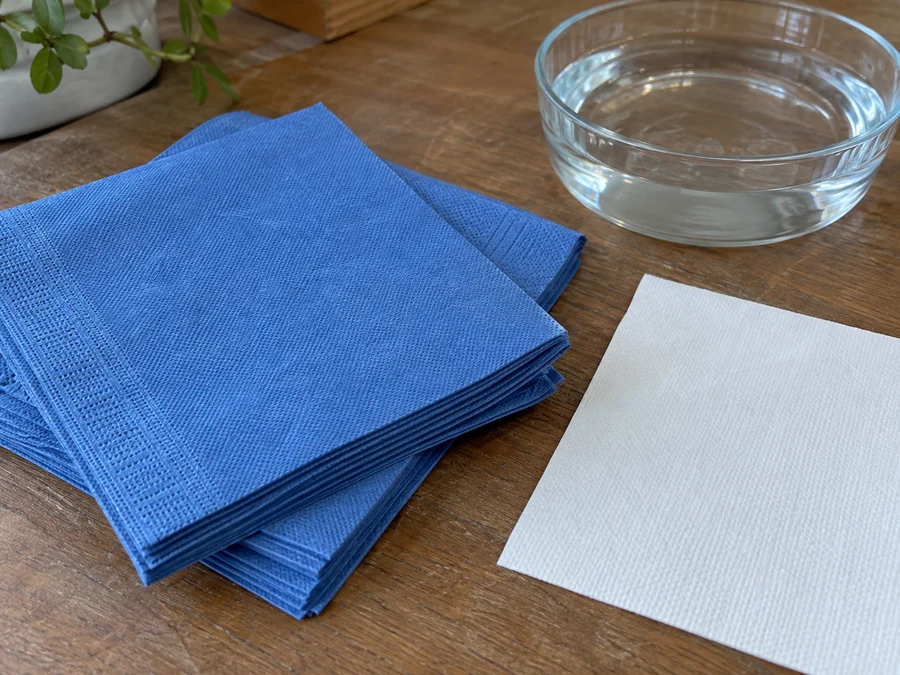
Separate a substrate-color decision from a print-color decision. When both the web and the printed design matter, record each reference and inspect the print registration separately. A successful wet color-transfer check does not establish that the dry visual shade matches the approved master.
Make the viewing condition repeatable
Set one neutral viewing area, name the light source and keep the distance, background and face orientation consistent. Compare fully opened napkins as well as the folded retail presentation if both are visible to customers. Document whether the comparison is visual or instrument-based. A colorimeter reading can help only if the measurement locations, calibration and surface handling are agreed in advance.
Because airlaid texture can make a single point unrepresentative, take more than one reading if using an instrument. Do not copy a tolerance from an unrelated paper, fabric or plastic specification. Trial the proposed rule with actual approved and rejected samples before adding it to a purchase order.
Sample across cartons and the production run
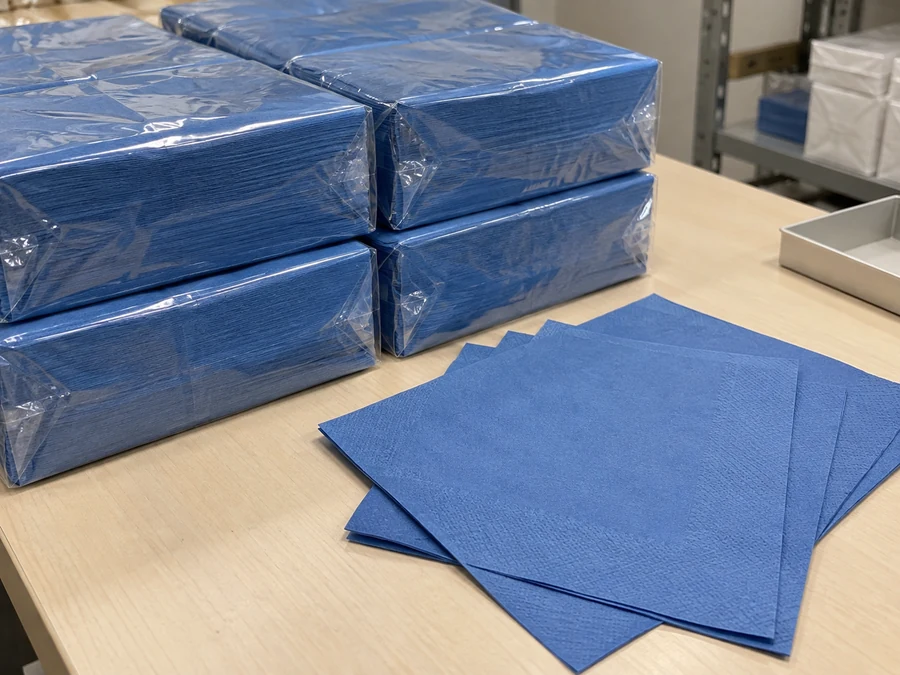
A carton-to-carton rule needs a carton sampling plan. Pull units from different pallet positions and, where practical, from the start, middle and end of the converting run. Record carton ID, sampled unit, lot and observation. Compare under the agreed light, then isolate exceptions for joint review rather than guessing from a single photograph sent over a messaging app.
Decide in advance what happens if one carton is visibly off shade: expand the sample, segregate that carton, or inspect a defined lot segment. The action rule should reflect the restaurant or retail display risk. If cases will be opened side by side at one venue, within-shipment consistency may matter more than a difference that is invisible in isolated use.
Connect the decision to the next purchase order
Archive the approved master, sample photos, instrument settings if used and disposition of any exceptions. On repeat orders, ask whether the furnish, dye, supplier or conversion process changed. Reapprove the shade if the master is no longer representative. Make that change request part of the RFQ rather than waiting for a warehouse complaint.
An airlaid napkin supplier should be able to identify the exact SKU and lot presented for review. For a new color, request a pilot sample before approving bulk production. The first pass/fail limit should be negotiated from that sample set, not written as a universal industry number.
Buyer comparison record
| Check | Record | Buyer purpose |
|---|---|---|
| Reference | Signed physical master and duplicate | Common comparison target |
| Viewing | Named light, face, fold and background | Reduce subjective drift |
| Sampling | Carton IDs across pallet and run | Detect within-shipment variation |
| Action | Expand, segregate or accept rule | Avoid ad hoc dispute handling |
What belongs in the RFQ?
- Finished color and fold with signed master sample
- Visual and, if needed, instrument comparison conditions
- Carton sampling quantity and locations
- Shade decision and escalation rule
- Lot marking, retention and change-notice period
Send the supplier your intended use, destination and required acceptance decision.
Questions buyers also ask
Can a digital color code replace a physical napkin sample?
It can guide artwork, but not establish the appearance of the finished textured napkin under an agreed light.
Is one carton enough to accept a whole lot?
Usually not when the concern is carton-to-carton variation. Define a representative carton sample before production.
Does a wet-transfer test answer the shade question?
No. Transfer and dry visual shade are different checks. Record them separately.
Sources and scope notes
- Sansheng airlaid napkins product page Supports: Product category and available sourcing context. Limit: Does not supply a lot-specific shade result or tolerance.
Source scope checked October 15, 2026. Illustrative images do not document a Sansheng test, certified SKU or customer order.
Request an identified sample review
Send the SKU, approved sample, buying destination and the evidence your team needs. We can identify the documentation still required before a quote or release decision.

Sales Manager at Sansheng Paper · 20+ years in tissue paper OEM & bulk export · LinkedIn