B2B procurement · Buyer guide
An airlaid napkin supplier should check ink setoff by inspecting the actual printed face against the surface it contacts after folding and packing. Keep artwork, substrate, fold, stack pressure and conditioning consistent. Record color transfer on the adjacent napkin separately from loss of ink on the printed face. Dry rub-off and wet color transfer are related but different checks.
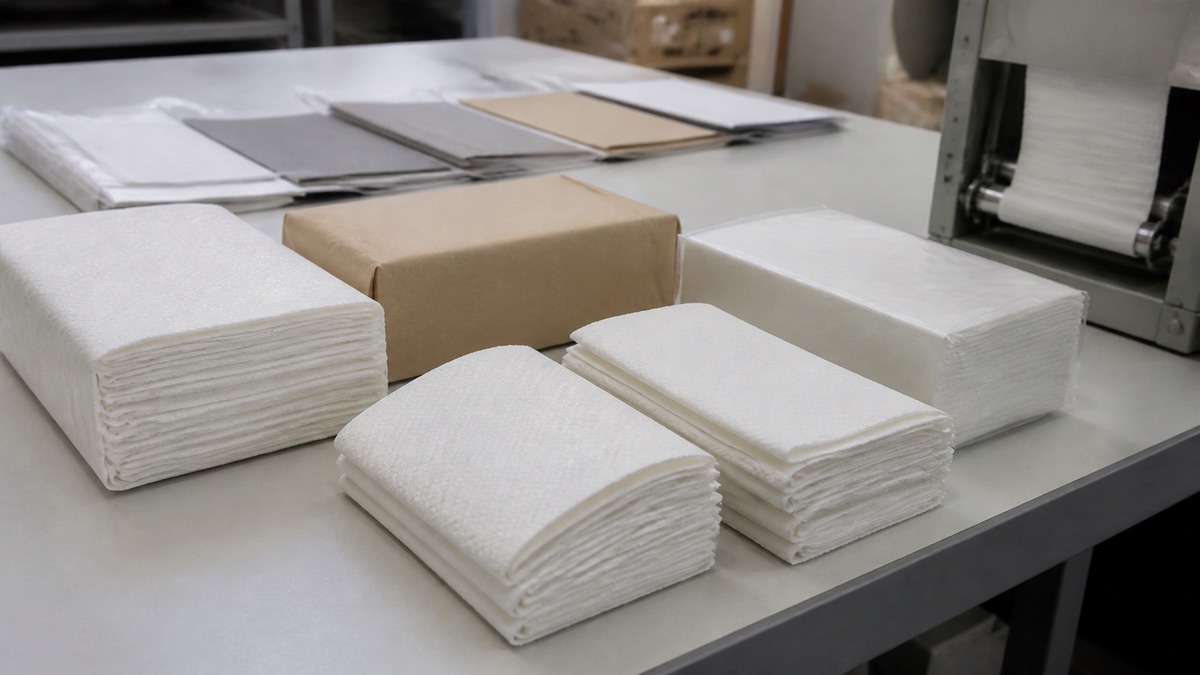
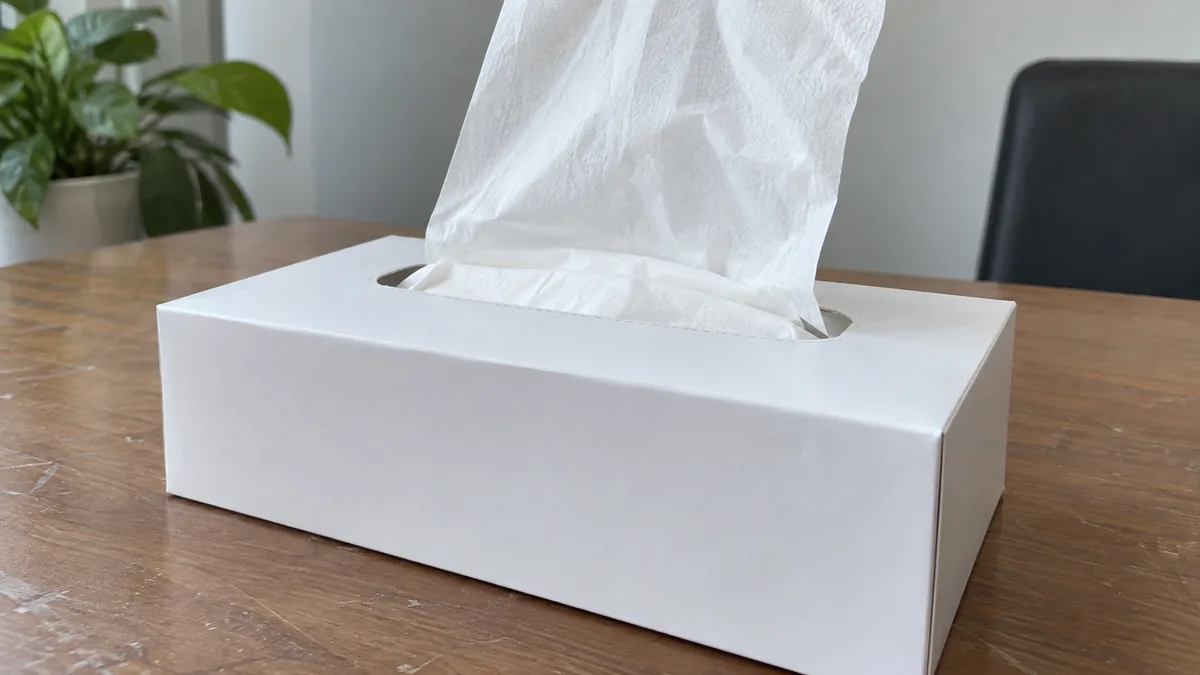
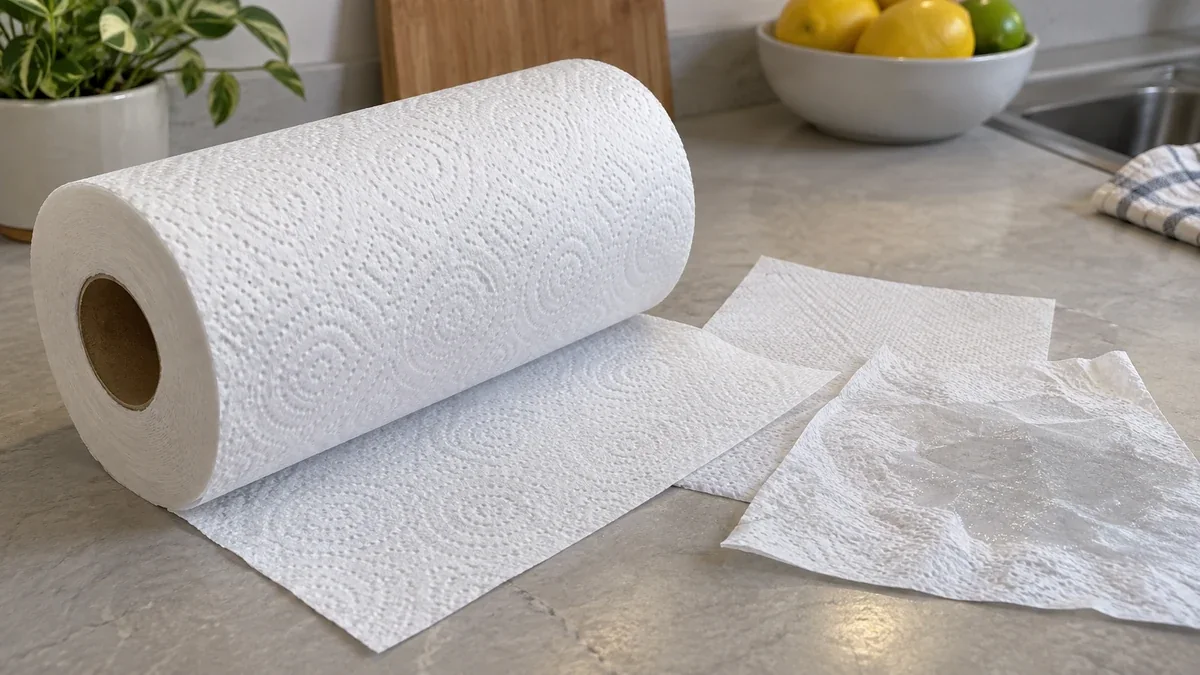
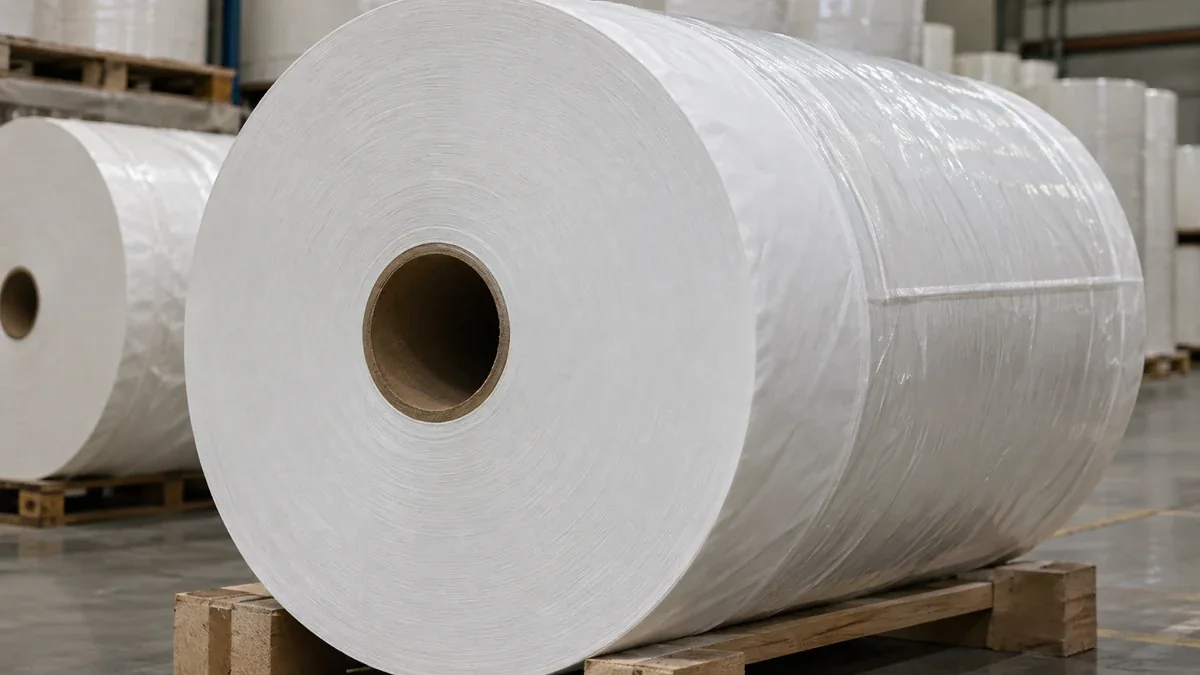
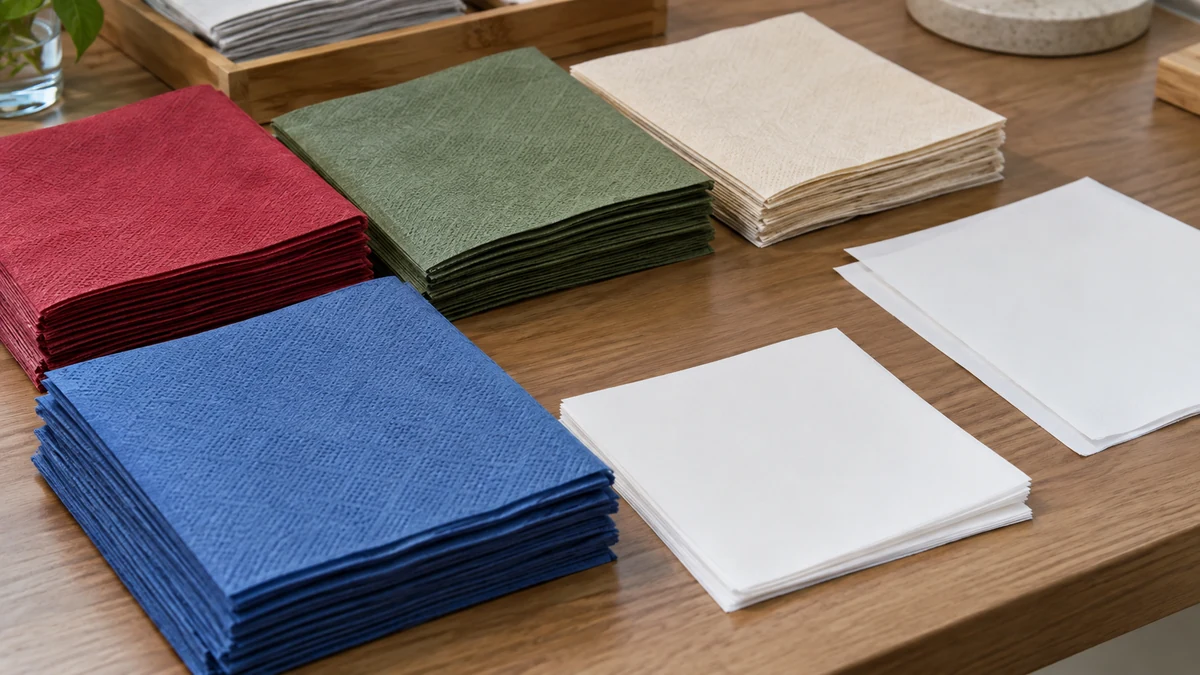
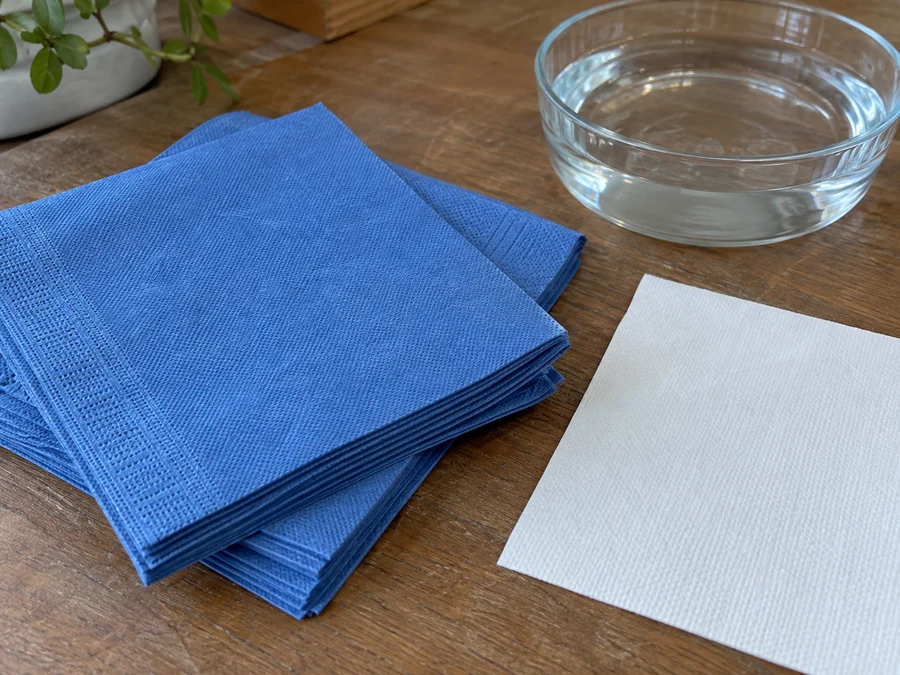
This guide describes an inspection plan. The images show illustrative napkin formats, not a Sansheng print trial, and no food-contact or migration clearance is implied.
Send the exact SKU, destination and specification you need reviewed.
Reusable procurement data
Direct answer
An airlaid napkin supplier should check ink setoff by inspecting the actual printed face against the surface it contacts after folding and packing. Keep artwork, substrate, fold, stack pressure and conditioning consistent. Record color transfer on the adjacent napkin separately from loss of ink on the printed face. Dry rub-off and wet color transfer are related but different checks.
Map the contact surfaces in the approved fold
Ask the airlaid napkin supplier for a signed print proof and a physical folded pack. Mark the printed panel and every surface it touches: another napkin, the reverse of the same napkin or the inner wrapper. A flat, unfolded press proof cannot show these contacts. Use production-intent ink, substrate and fold before deciding that the artwork is safe for bulk packing.
Identify high-coverage artwork, saturated colors and any area close to the fold. Photograph a clean control sheet before stacking. If a customer reports a faint duplicate image on an unprinted surface, retain the stack orientation; that pattern may help locate the point of contact.
Inspect after realistic packing conditions
Take identified packs from the start, middle and end of the run. Open them without rubbing the sheets together. Compare the first, middle and last napkins against the approved control. The airlaid napkin supplier should record visible transfer, placement and frequency rather than describing every defect as a vague color problem.
Agree which conditioning or storage simulation reflects the destination route. Pressure, dwell time and humidity can matter, but no universal test duration is asserted here. Test one variable at a time so an ink change, fold change or wrapper change can be evaluated without obscuring the cause.
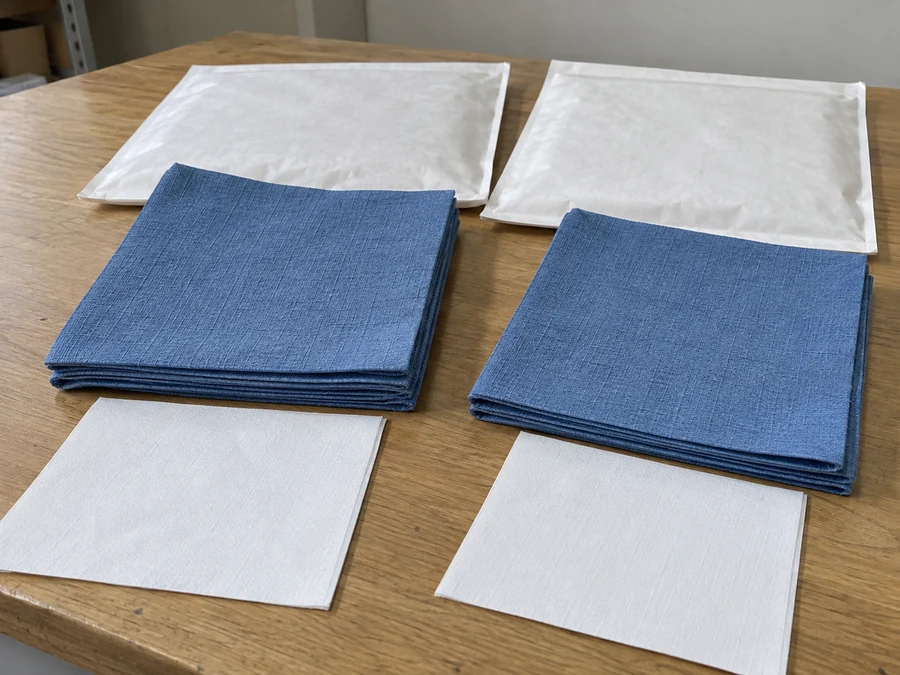
Distinguish setoff from other print failures
Dry rub-off is color lost under deliberate abrasion. Wet color transfer involves moisture exposure. Setoff is an image or color deposited where stacked or folded sheets contact one another. A single airlaid napkin supplier report should label these outcomes separately. For foodservice use, contact-material suitability and ink chemistry need their own documentation.
If the transferred mark sits on a wrapper rather than another napkin, inspect that material as well. If the printed surface itself is broken or fuzzy, inspect paper damage before changing ink. Keep the affected samples and orientation unchanged until the print and converting teams review them.
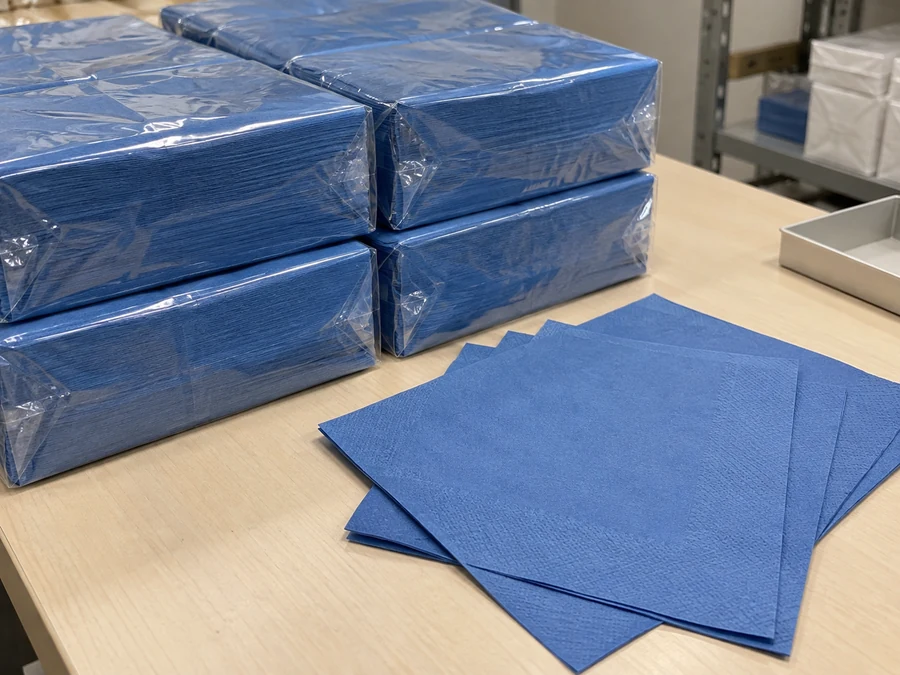
Approve a repeatable defect language
Write down what is acceptable: no visible transfer in defined areas, a signed color reference and how the inspector views each unfolded sheet. The buyer sets the acceptance rule against the intended presentation; this article does not invent an industry-wide grade. Save the approved folded pack and the press proof together.
If the airlaid napkin supplier changes ink, artwork coverage, substrate, fold or pack count, recheck the contact map. A new customer logo can create a new setoff risk even when the base paper is unchanged. Put that review before print release, not after the container is sealed.
Buyer comparison record
| Check | Record | Buyer purpose |
|---|---|---|
| Artwork | Signed proof and print coverage | Locate likely contacts |
| Fold | Printed face-to-face map | Inspect the actual stack |
| Pack trial | Identified samples and conditioning | Compare like with like |
| Defect | Transfer location versus rubbed print | Avoid mixing failure modes |
What should buyers ask the airlaid napkin supplier?
- Airlaid substrate, color and GSM
- Print artwork, ink route and high-coverage areas
- Fold pattern, pack count and wrapper
- Storage/handling condition for sample review
- Setoff defect photos and signed acceptance sample
Send the airlaid napkin supplier your intended use, destination and required acceptance decision.
Questions buyers also ask
Is ink setoff the same as dry rub-off?
No. Setoff is transfer through contact in a fold or stack; rub-off is loss under deliberate abrasion.
Can a flat printed sheet qualify a packed napkin?
No. The actual fold and stack create contact points absent from a flat proof.
Does no visible setoff prove food-contact compliance?
No. Product and ink suitability need separate evidence for the intended market and use.
Sources and scope notes
- Sansheng airlaid napkin product program Supports: Identifies the relevant napkin and OEM format. Limit: Does not document the printed SKU or a setoff test.
- Sansheng printed-napkin ink-record guide Supports: Explains why buyers track print materials and revisions. Limit: A general guide is not evidence that this airlaid pack has passed a setoff trial.
Source scope checked October 15, 2026. Illustrative images do not document a Sansheng test, certified SKU or customer order.
Request an identified sample review
Send the airlaid napkin supplier your SKU, approved sample, buying destination and required evidence. That makes it possible to identify the documentation still needed before a quote or release decision.

Sales Manager at Sansheng Paper · 20+ years in tissue paper OEM & bulk export · LinkedIn