B2B procurement · Specification review
An airlaid paper supplier should investigate a static complaint with the converter using identified rolls, recorded operating conditions and repeatable measurements. Locate where the symptom starts, compare a retained reference and change one variable at a time. Do not infer a material defect from clinging sheets alone or promise that a moisture adjustment will solve every case.
For converters buying airlaid material and investigating attraction, misfeeding or dust pickup during unwinding and cutting. Equipment settings and electrical safety require the converter’s qualified personnel.
Send your current specification, sample identity and the unresolved purchasing question.
Reusable procurement data
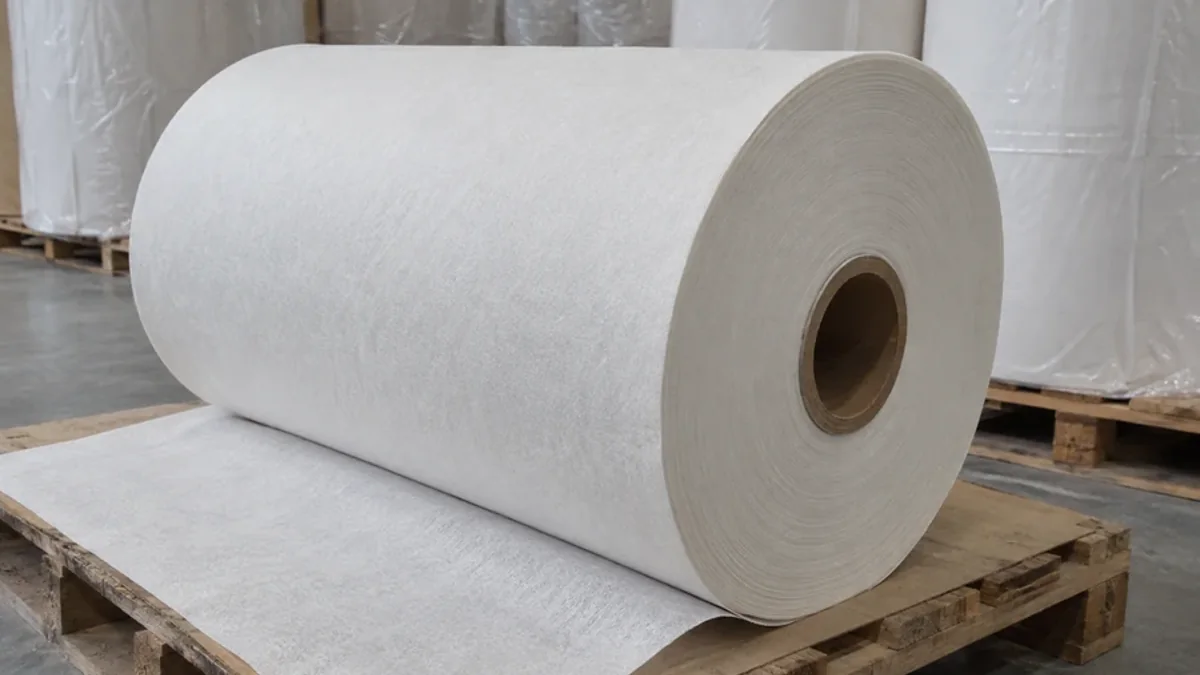
Airlaid Paper Supplier: Start with the symptom and its location
Ask the airlaid paper supplier which roll, batch and material revision was involved. Record whether attraction occurs at the first separation from the roll, after a guide roller, during slitting or at sheet collection. Preserve photographs or video of the symptom together with machine position and operating conditions; the image alone is not an electrical measurement.
Simco-Ion’s web-handling guidance identifies friction and material separation as potential sources of charge in paper and nonwoven converting. It also describes possible effects on handling and contamination. This explains why the investigation should cover the process path. It does not prove that static caused this complaint or that a particular device will solve it.
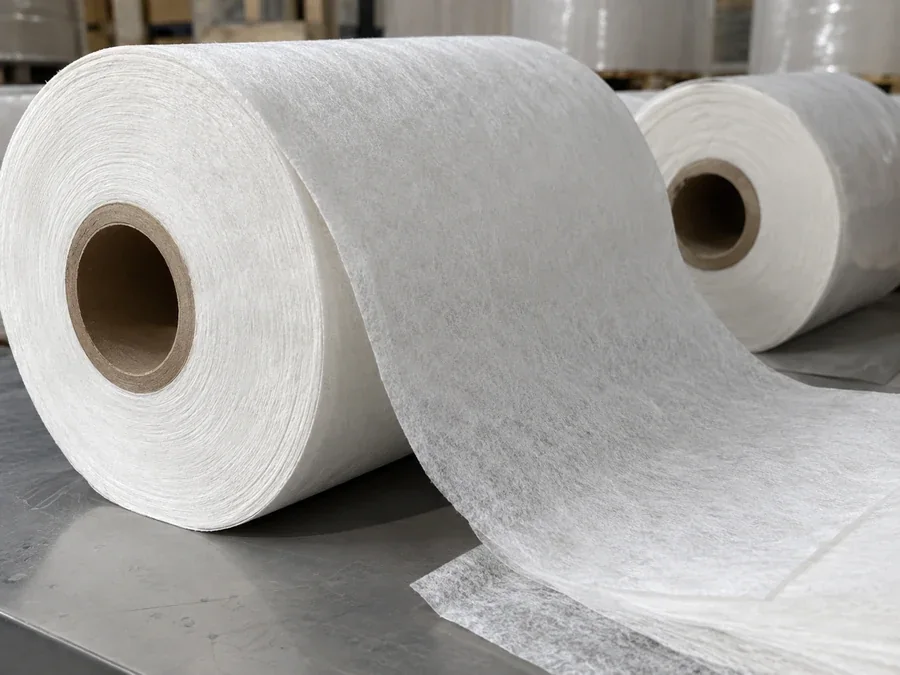
How can two measurements be compared?
The airlaid paper supplier and converter should agree the instrument, measurement position, distance, material state and reporting units before comparing readings. Follow the instrument instructions and the site’s safe measurement procedure. A reading taken beside a stopped loose sheet should not be ranked directly against one taken near a moving web in a different geometry.
Record room conditions, material conditioning, line speed, roll position and the status of installed control equipment. Keep raw readings and the observed handling behavior together. Repetition helps reveal variation, but the trial plan must define what is repeated. Do not set a universal acceptance voltage from a value found in another application.
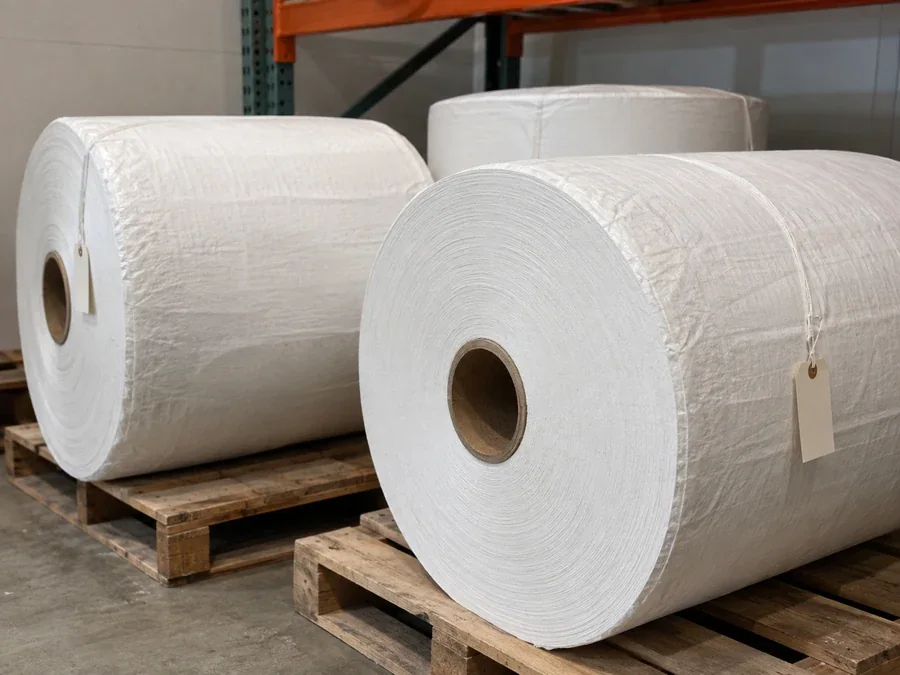
Compare material and process changes separately
A useful airlaid paper supplier investigation compares the affected material with a known reference under a controlled setup. Identify basis weight, construction, surface treatment if declared, width and lot. Agree enough material for the comparison without assuming one small sheet represents a full production roll.
If the converter changes speed, room conditions and material together, the result cannot isolate the cause. Start with the most practical controlled comparison and document every deviation. Ask qualified maintenance staff to assess the installed system against its instructions. This article does not instruct operators to alter grounding, reach into moving equipment or bypass guarding.
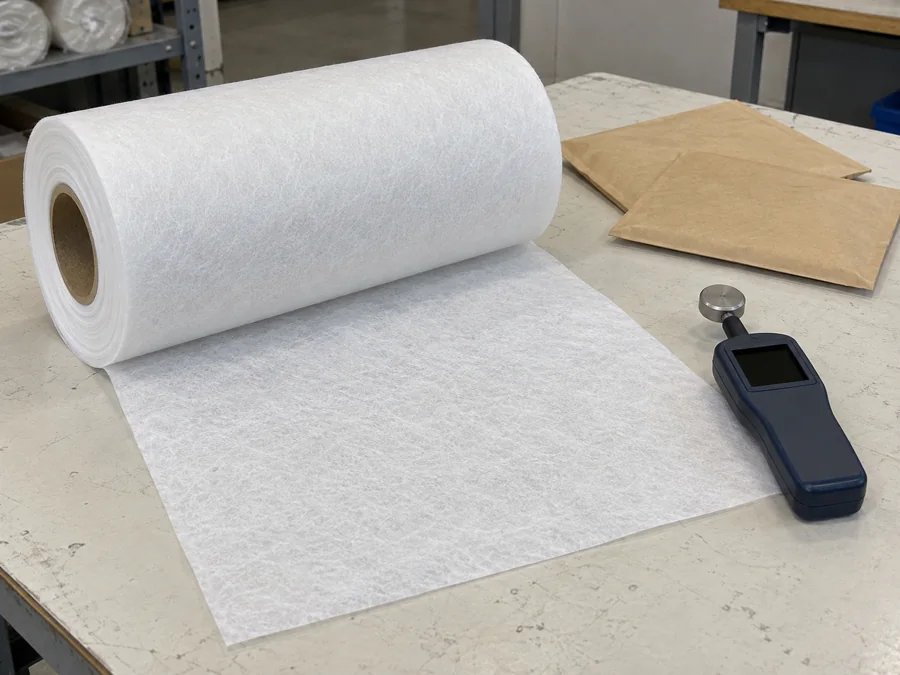
Turn observations into an approval decision
The airlaid paper supplier should receive the measurement record, sample references and the specific process outcome: for example, persistent misfeeding at the recorded location. Keep dust observations separate from confirmed particle identity. A clean-looking sheet does not establish an antistatic property, and an electrical reading does not by itself establish acceptable converting performance.
Name who will authorize the next trial, who will assess equipment questions and who will decide material acceptance. Retain unconverted specimens from both comparison rolls under agreed conditions. Any changed treatment or grade needs its own suitability review; avoiding one handling problem must not create an unexamined end-use issue.
A comparison record for purchasing
| Record | What to request | Buyer purpose |
|---|---|---|
| Material | Lot, construction, basis weight and retained reference | Compare identified specimens |
| Measurement | Instrument, distance, position and units | Avoid unlike readings |
| Process | Speed, room conditions and equipment status | Expose changed variables |
| Decision | Symptom, repeat observations and approver | Connect evidence to acceptance |
What belongs in the review request?
- Give the airlaid paper supplier the material revision, lot references and converting application.
- Mark the exact symptom location and provide the agreed measurement record.
- Record room conditions, speed and relevant equipment status without omitting deviations.
- Define the reference material, repeat plan and written acceptance responsibility.
For related specification planning, review the associated Sansheng supply program. Keep the proposed product and evidence scope separate from any approval still outstanding.
Questions buyers also ask
Is visible dust proof of static?
No. Dust can have several sources. Investigate the observation without assigning a cause from appearance alone.
Should the buyer request an antistatic grade immediately?
First establish the failure mode and review any proposed treatment against the intended end use. A material label cannot replace a controlled trial.
Sources and scope notes
- Simco-Ion — Web handling and converting Supports: Potential charging mechanisms and handling effects across converting stages. Limit: Equipment-provider guidance, not a Sansheng test or a universal acceptance limit.
Source scopes checked September 24, 2026. Illustrations do not document an actual Sansheng test, facility or customer shipment.
Request a Airlaid Paper Supplier Review
Send the airlaid paper supplier your roll identity, process sketch, symptom record and comparison plan. Sansheng can review the requested material specification while your qualified technical team defines safe testing and equipment actions.
Sales Manager at Sansheng Paper · 20+ years in tissue paper OEM & bulk export · LinkedIn