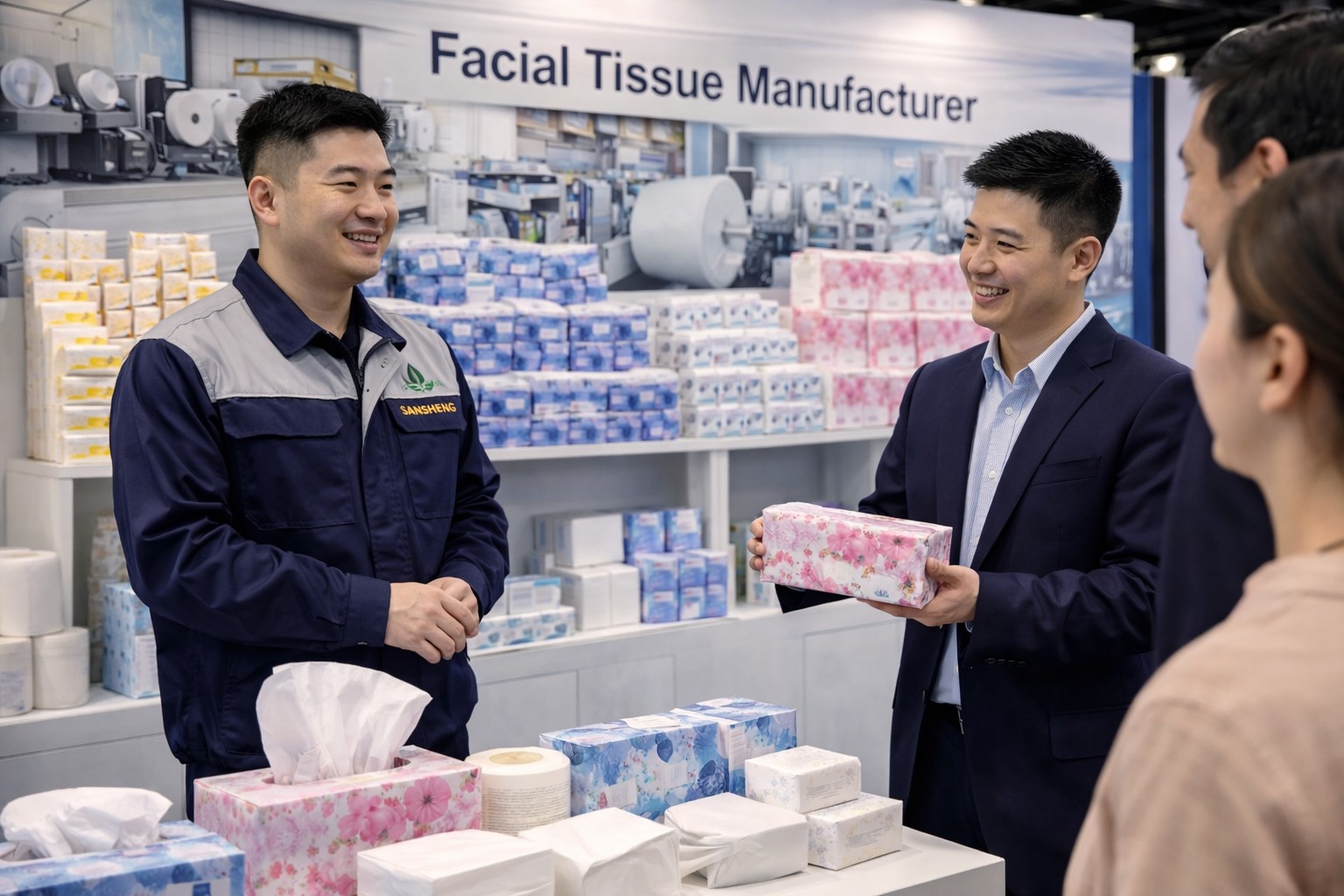
Bamboo vs Virgin Pulp toilet paper manufacturer: Real Carbon Data Importers Need to Know
Bamboo toilet paper sounds greener. But does it actually produce fewer emissions? A 2025 NC State University study says no — at least not when manufactured in China. Here is what every importer needs to understand before choosing a toilet paper manufacturer for their next bulk order.
If you source toilet paper from China, you have likely seen bamboo products marketed as the sustainable choice. The reality is more nuanced. Chinese-made bamboo toilet paper generates approximately 2,400 kg of CO2 per ton of finished product, according to a 2025 lifecycle analysis from NC State University. By comparison, US-manufactured virgin wood pulp toilet paper produces around 1,824 kg CO2 per ton. The difference comes down to energy grids: China still relies heavily on coal-fired power, which inflates the carbon footprint of every manufacturing process — including bamboo pulping. This does not mean bamboo is a bad choice. It means your sourcing decision should be driven by verified data, not marketing claims. As a toilet paper manufacturer offering both bamboo-wood blends and FSC-certified virgin pulp lines, we walk importers through these numbers every week. The right fiber depends on your target market, your retailer’s positioning, and your end consumer’s willingness to pay a premium. This guide breaks down the real cost, carbon, quality, and market acceptance differences so you can make a procurement decision backed by evidence.
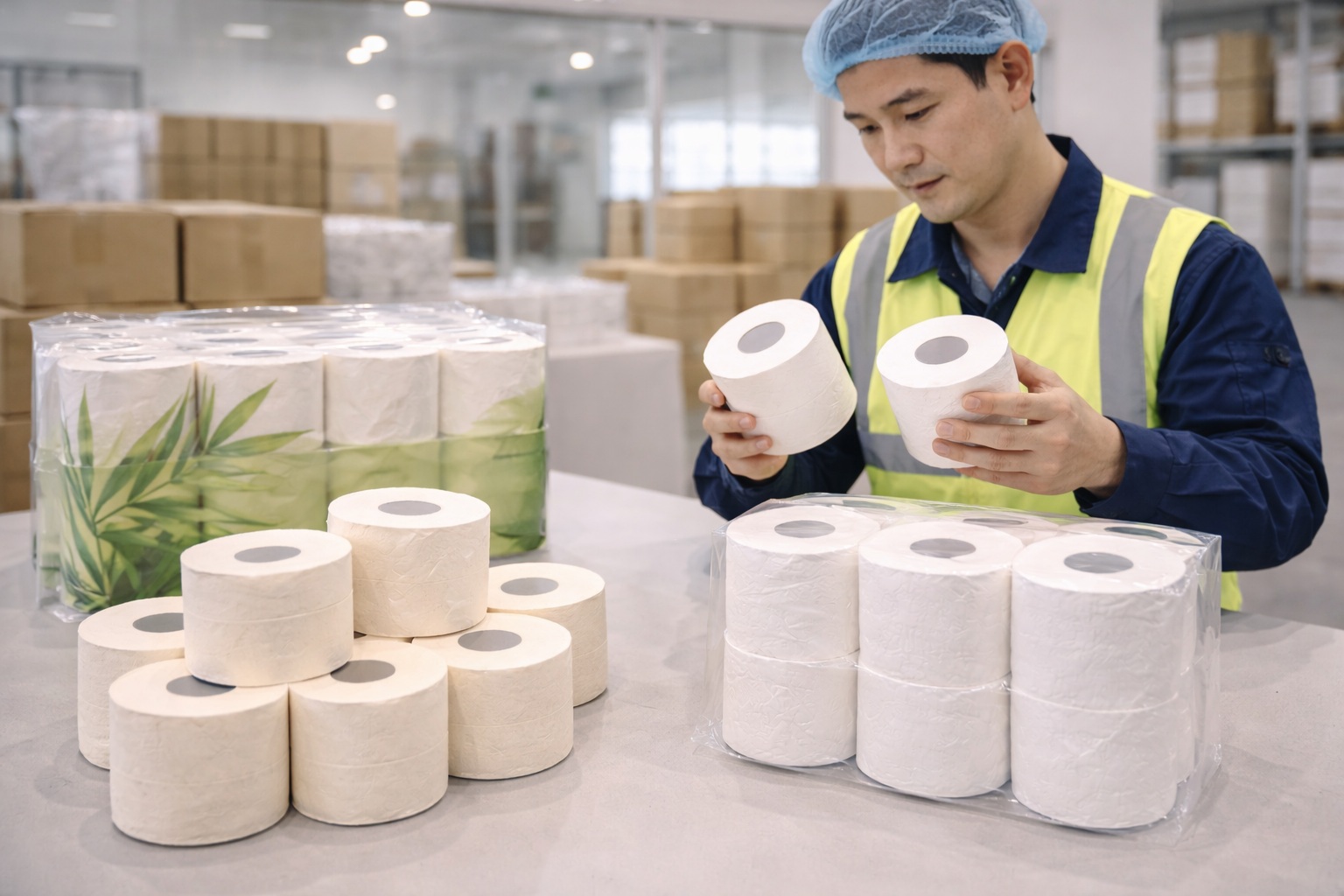
The Carbon Data: Bamboo vs Virgin Pulp
The sustainability conversation in toilet paper has shifted from “which fiber is greener” to “which supply chain is greener.” Two data points every importer should memorize:
- Chinese bamboo toilet paper: 2,400 kg CO2 per ton of finished product (NC State University, 2025 lifecycle analysis)
- US virgin wood pulp toilet paper: 1,824 kg CO2 per ton of finished product (same study)
That is a 31.6% higher carbon footprint for bamboo — not because the plant itself is worse, but because China’s electricity grid is approximately 60% coal-powered. Pulping, drying, and converting all consume significant energy. When that energy comes from fossil fuels, the fast-growing advantage of bamboo gets canceled out at the factory gate.
This matters for importers facing ESG audits, retailer sustainability scorecards, or EU due diligence requirements. If your buyer asks for a carbon certificate, the numbers might not support the bamboo narrative.
Industry Signal: Kimberly-Clark’s $180M Bamboo Bet
In February 2026, Kimberly-Clark announced a $180 million investment in a bamboo-fiber mill in Vietnam. Why Vietnam and not China? Vietnam’s grid is cleaner (40%+ hydropower), labor costs are competitive, and the country sits closer to Southeast Asian bamboo plantations. This signals that even major players see bamboo’s future — but only when paired with a cleaner energy grid. For importers sourcing from China-based manufacturers, this is a wake-up call to ask your toilet paper manufacturer exactly how their bamboo line is powered.
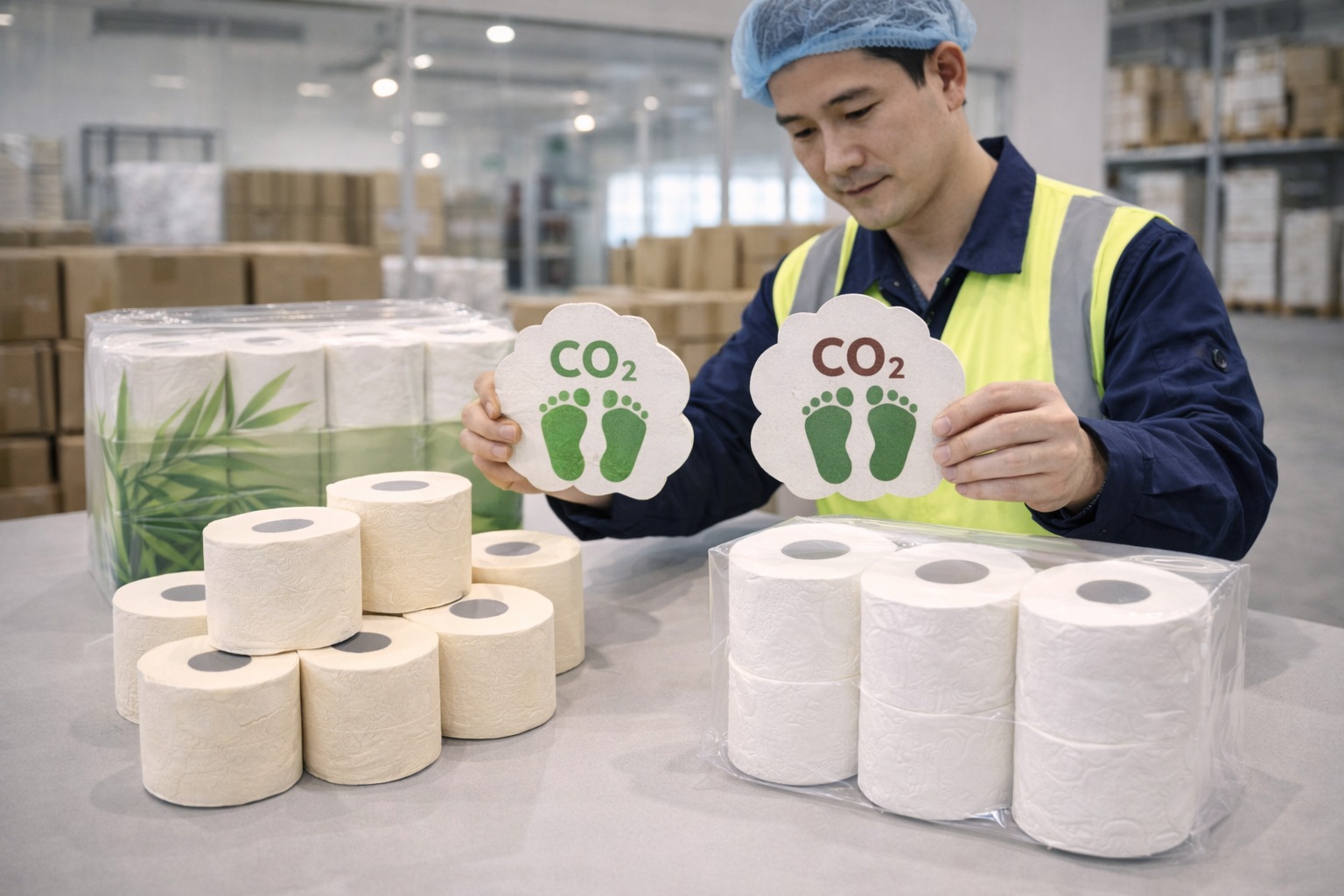
Head-to-Head Comparison: Bamboo vs Virgin Pulp Toilet Paper
This table covers the factors that actually drive procurement decisions for bulk toilet paper importers and distributors.
| Factor | Bamboo (China-Made Blend) | Virgin Wood Pulp (FSC-Certified) | Winner for Importers |
|---|---|---|---|
| CO2 per Ton | ~2,400 kg (NC State 2025) | ~1,824 kg (NC State 2025) | Virgin pulp |
| Fiber Composition | Usually bamboo + wood blend (70/30 or 60/40) | 100% virgin wood pulp | Depends on marketing |
| Softness (Consumer Feel) | Medium — slightly rougher unless heavily processed | High — especially at 3-4 ply, 15-18gsm | Virgin pulp |
| Strength (Wet Tensile) | Good — bamboo fiber is naturally long | Good — depends on pulp grade | Tie |
| Raw Material Cost | 15-25% higher than standard virgin pulp | Baseline | Virgin pulp |
| Retail Price Premium | 20-40% premium possible (eco positioning) | Standard market pricing | Bamboo (margin) |
| Certification Options | FSC Bamboo, ISO 14001 | FSC, PEFC, ISO 14001 | Tie |
| Consumer Perception | Strong “green” image, especially unbleached | Neutral — seen as standard | Bamboo |
| Best-Fit Markets | Australia, Nordic, US West Coast | Middle East, Southeast Asia, Americas | Market-dependent |
| MOQ Flexibility | Higher MOQ (specialty line) | Lower MOQ (standard production) | Virgin pulp |
What “Bamboo Toilet Paper” Really Means in China
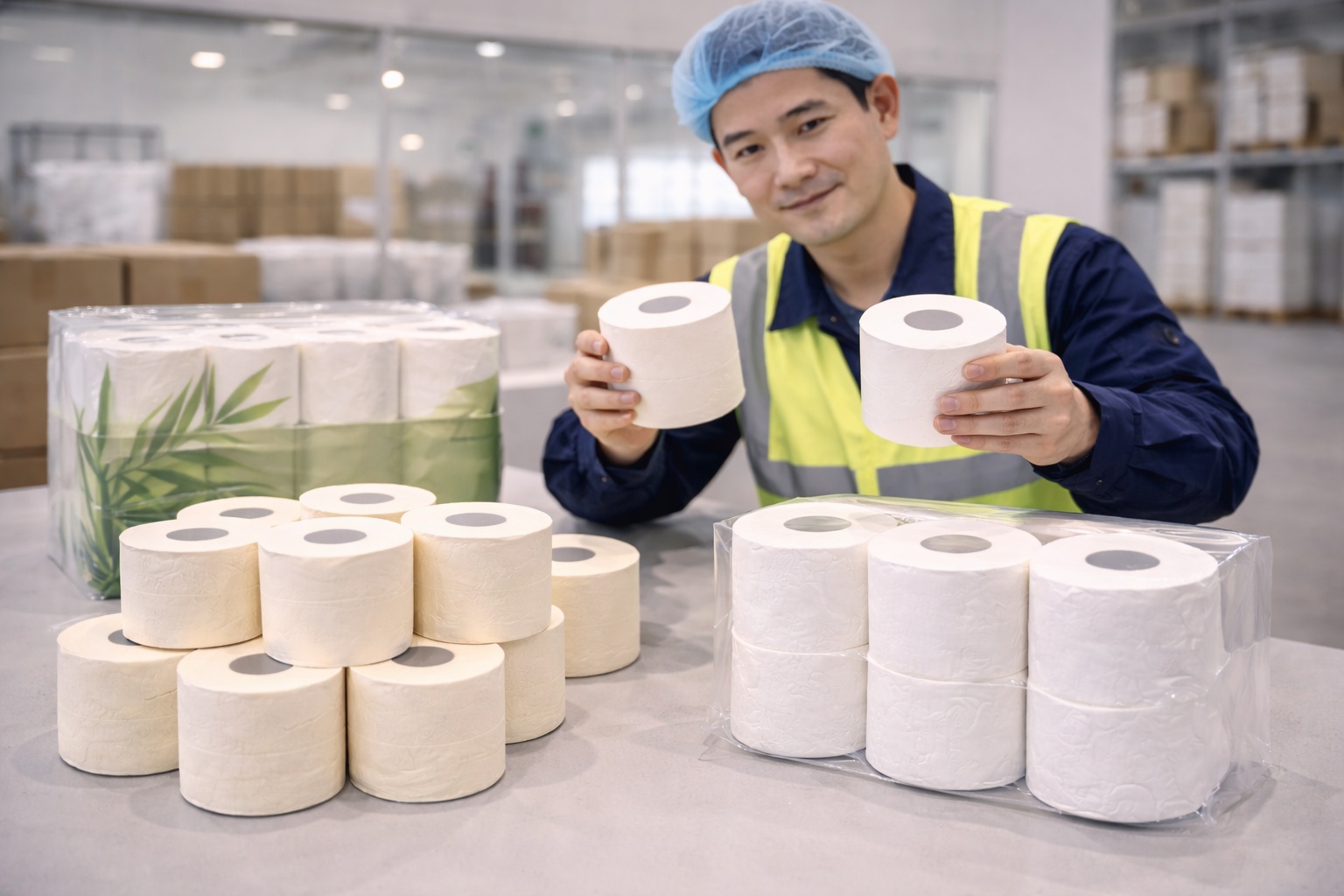
Here is something most importers do not realize until they visit the factory: the majority of “bamboo toilet paper” manufactured in China is not 100% bamboo. It is a bamboo-wood pulp blend. Typical ratios range from 60% bamboo / 40% wood to 70/30. Pure bamboo pulp is expensive to process and produces a stiffer sheet that many consumers find uncomfortable.
This is not deception — it is standard industry practice. But it matters for your labeling compliance. If you are selling into the EU or Australia, your product claims must be verifiable. A toilet paper manufacturer should be transparent about the exact fiber blend and provide test reports to back it up.
- Unbleached bamboo (natural brown color) is the fastest-growing segment — popular in Australia, Nordic countries, and the US West Coast, where “no chemicals” messaging resonates
- Bleached bamboo looks white and feels closer to virgin pulp, but the bleaching process adds cost and reduces the environmental advantage
- Recycled fiber still dominates globally — holding 53.26% of the toilet paper market share in 2025, per Statista
- Bamboo + alternative fibers are forecast to grow at 4.98% CAGR through 2031, outpacing the overall market
The global toilet paper market stands at $554 billion in 2025 and is projected to reach $664 billion by 2031. Bamboo is a growing slice, but virgin pulp and recycled fiber remain the backbone of global supply.
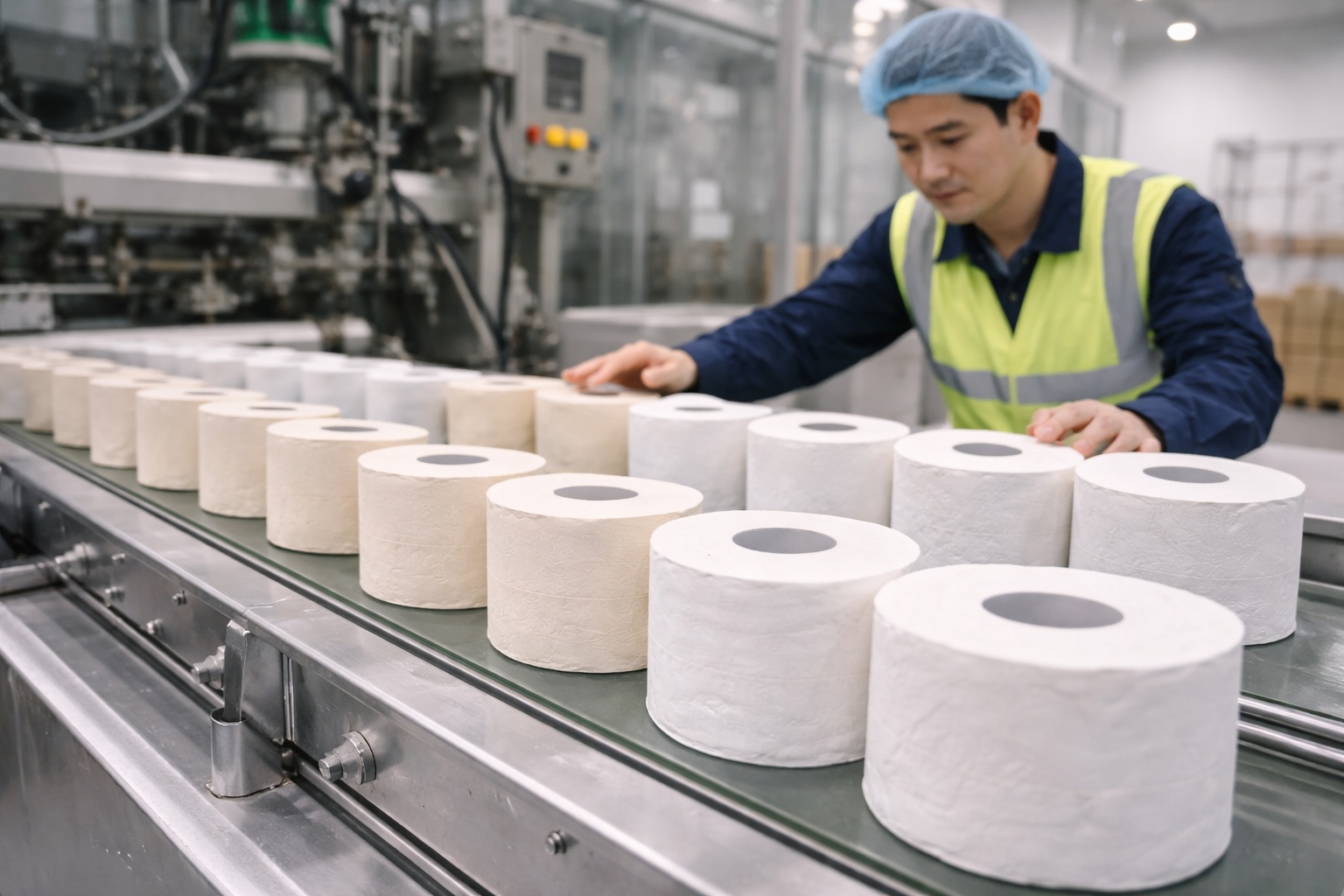
Market Trends: Where Bamboo Sells and Where It Doesn’t
Bamboo toilet paper does not sell equally in every market. Importers who understand regional demand avoid overcommitting to a fiber type that their retailers will not stock.
Markets Where Bamboo Commands a Premium
- Australia: Strong eco-consciousness, several bamboo-only brands (Who Gives A Crap, Pure Planet) have mainstream retail placement
- Nordic countries: Unbleached bamboo fits the “natural living” positioning. Retailers actively seek alternatives to virgin pulp
- US West Coast: Whole Foods, Sprouts, and independent health stores stock bamboo lines at 30-40% premiums
Markets Where Virgin Pulp Dominates
- Middle East: White, soft, multi-ply is the standard. Bamboo’s brown color is a hard sell
- Southeast Asia: Price-sensitive markets prefer virgin pulp or recycled at the lowest possible cost
- Latin America: Brand loyalty to established virgin pulp products. Bamboo is niche and premium-only
The takeaway for importers: ask your toilet paper manufacturer to send samples of both. Test them with your buyers before committing to a full container. Markets shift, and what didn’t sell two years ago might be in demand today.
Factory Floor Experience: What Our Buyers Actually Choose
In 2025, three of our European buyers asked for bamboo toilet paper. When we showed them the NC State carbon data, two switched back to FSC-certified virgin pulp. The third stayed with bamboo — but specifically requested unbleached, because their Nordic retailer positioned it as “naturally brown = no chemicals.” The lesson: bamboo sells on perception, not always on data. As a manufacturer, we let the numbers guide the conversation, then let the buyer decide based on their market.
We have seen this pattern repeat with importers from Australia and Canada. The ones who do their homework — requesting carbon data, fiber composition test reports, and retailer feedback — make faster decisions and reorder more consistently. The ones who choose bamboo purely for the marketing angle sometimes face pushback when their end customers compare softness to virgin pulp alternatives on the same shelf.
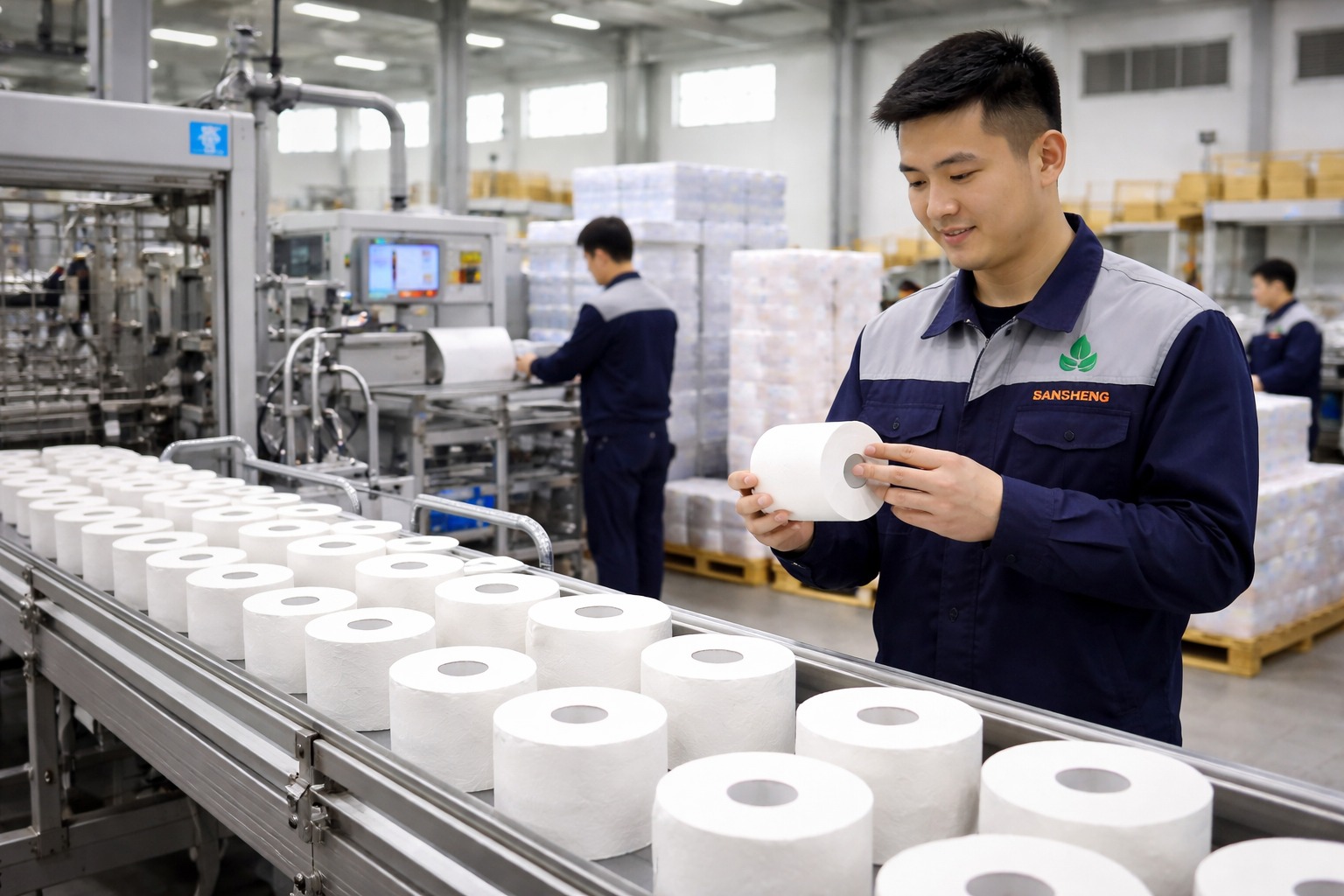
At Sansheng, we manufacture both virgin wood pulp and bamboo-wood blend toilet paper across 2-4 ply at 13-18gsm. We do not push one over the other. We send samples of each, share the data, and let you decide what fits your market. That approach has kept our reorder rate above 80% for three consecutive years.
Sourcing Checklist: Bamboo vs Virgin Pulp for Importers
Before you place your next order with any toilet paper manufacturer, run through these questions:
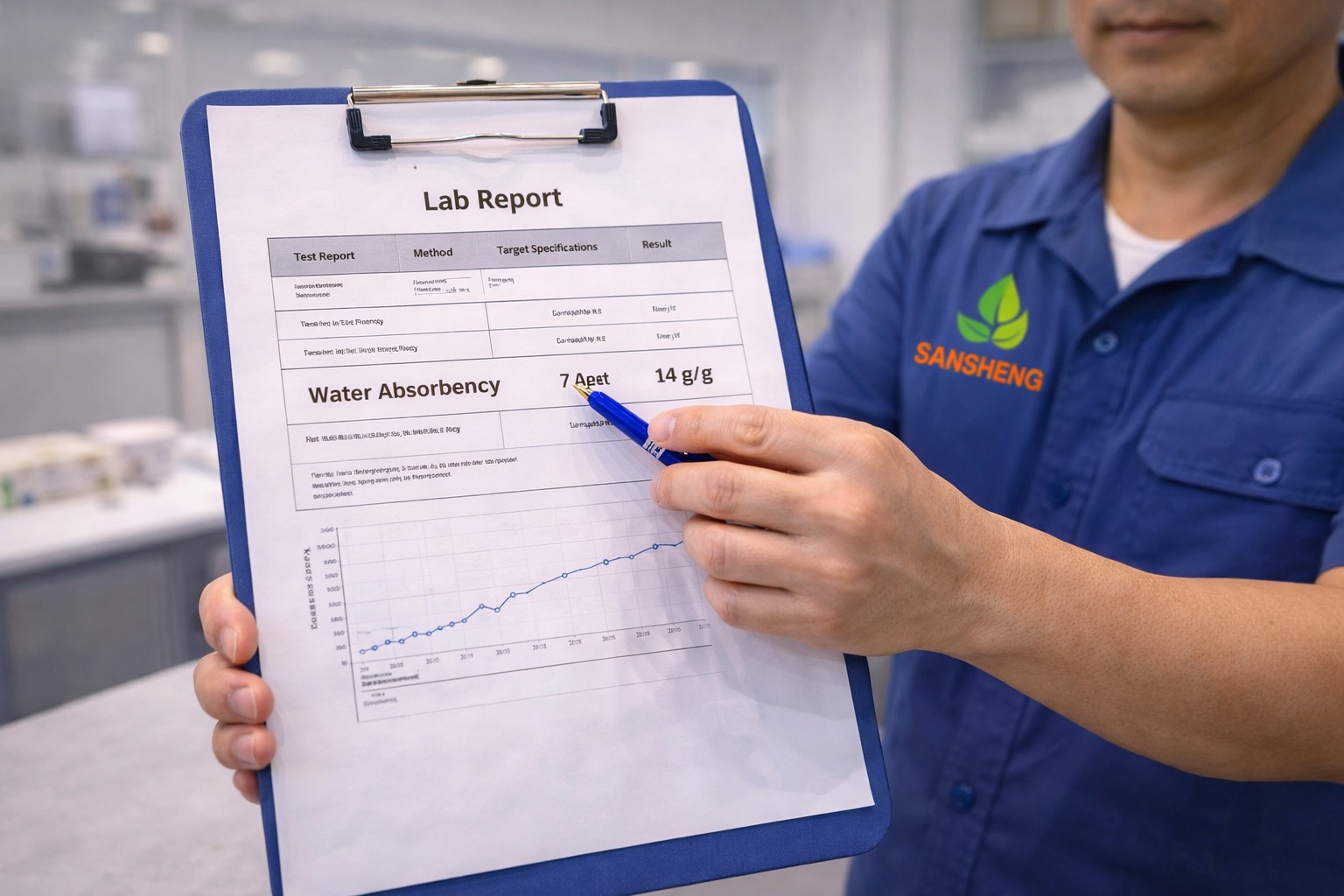
- Request the exact fiber blend ratio. “Bamboo toilet paper” can mean 60% bamboo / 40% wood. Get it in writing with a test report
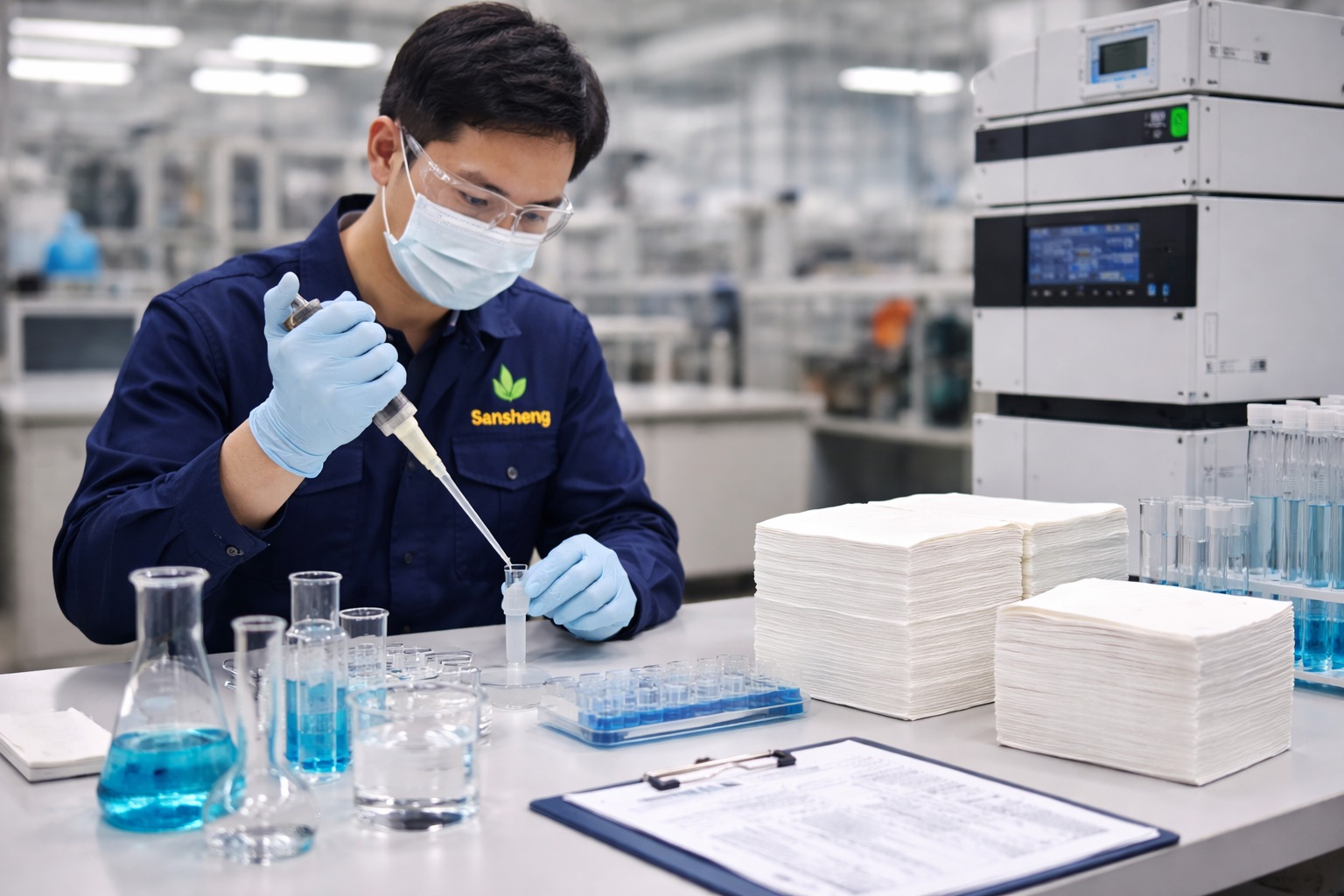
- Ask for carbon footprint data. If your manufacturer cannot provide lifecycle CO2 numbers, that is a red flag for any ESG-conscious retailer
- Verify certifications. FSC certification applies to both bamboo and wood pulp. ISO 14001 covers environmental management systems at the factory level
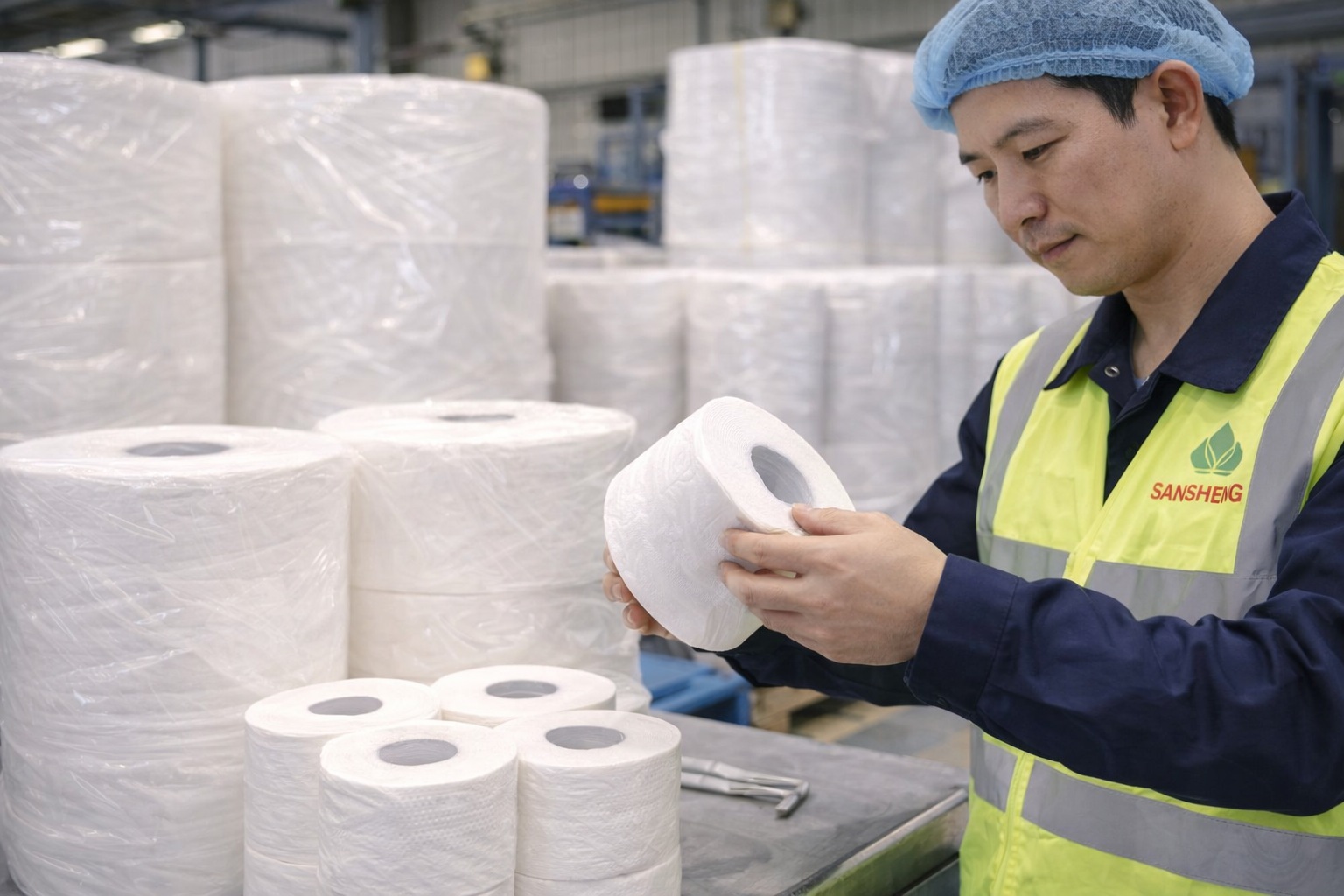
- Order samples of both fibers. Test softness, wet strength, and appearance side by side. Ship both to your buyer for feedback
- Calculate landed cost including the premium. Bamboo raw material costs 15-25% more. Can your retail price absorb that?
- Check your market’s labeling laws. EU, Australia, and the US have different requirements for “bamboo” claims on packaging
- Evaluate your retailer’s positioning. If they want “eco” shelf appeal, bamboo wins visually. If they want “premium soft,” virgin pulp wins on feel
FAQ: Bamboo vs Virgin Pulp Toilet Paper for Importers
Is bamboo toilet paper actually more eco-friendly than virgin pulp?
Not necessarily. A 2025 NC State University study found that Chinese-manufactured bamboo toilet paper produces 2,400 kg CO2 per ton, compared to 1,824 kg for US-made virgin wood pulp. The difference is driven by China’s coal-heavy energy grid, not the fiber itself. If your bamboo is manufactured using renewable energy, the equation changes — but most Chinese factories are still on-grid.
What is the real fiber composition of bamboo toilet paper from China?
Most Chinese-made bamboo toilet paper is a blend of bamboo and wood pulp, typically at 60/40 or 70/30 ratios. Pure 100% bamboo is rare because it produces a stiffer sheet and costs significantly more to process. Always request a fiber composition test report from your toilet paper manufacturer before confirming your order.
Which markets pay a premium for bamboo toilet paper?
Australia, Nordic countries, and the US West Coast are the strongest markets for bamboo toilet paper, especially unbleached (brown) varieties. Retailers in these regions actively promote eco-friendly alternatives and consumers accept 20-40% price premiums. Middle Eastern and Southeast Asian markets overwhelmingly prefer white, soft virgin pulp products.
How much more does bamboo toilet paper cost to manufacture?
Bamboo raw material typically costs 15-25% more than standard virgin wood pulp. Processing costs are also higher due to the fiber’s characteristics. However, the retail premium can offset this — bamboo products commonly sell at 20-40% above standard toilet paper, making margins attractive if your market supports eco-positioning.
Can one toilet paper manufacturer produce both bamboo and virgin pulp?
Yes. Established manufacturers like Sansheng operate production lines for both fiber types. This gives importers the flexibility to order mixed containers — for example, bamboo for your eco-friendly retail line and virgin pulp for your standard wholesale channel — from a single supplier, simplifying logistics and quality control.
What certifications should I require for bamboo toilet paper?
At minimum, request FSC certification (which covers both bamboo and wood pulp sourcing) and ISO 14001 for factory-level environmental management. If you are importing into the EU, check compliance with the upcoming EU Deforestation Regulation (EUDR). Your toilet paper manufacturer should provide these certificates before you place a production order.
Why did Kimberly-Clark invest in bamboo manufacturing in Vietnam instead of China?
Kimberly-Clark’s $180M bamboo-fiber mill investment in Vietnam (announced February 2026) targets Vietnam’s cleaner energy grid (40%+ hydropower vs China’s 60% coal), lower labor costs, and proximity to bamboo plantations. For importers, this signals that bamboo’s future competitiveness depends on manufacturing location, not just the raw material.
What ply count and GSM should I specify for bamboo toilet paper orders?
For retail-grade bamboo toilet paper, 3-ply at 15-17gsm is the most popular specification among importers. It balances softness, strength, and cost. Budget-conscious lines often go 2-ply at 13-14gsm. Premium lines can reach 4-ply at 17-18gsm. Your toilet paper manufacturer should provide samples across these ranges so you can select the right spec for your price point.
Need Samples of Both Bamboo and Virgin Pulp Toilet Paper?
We manufacture both. Tell us your market and positioning — we send free samples of each so you can compare softness, strength, and shelf appeal side by side.
Tell us these 5 points to get a faster quote:
- Your country and target market
- Product type (bamboo / virgin pulp / both)
- Your name
Sales Manager at Sansheng Paper · 20+ years in tissue paper OEM & bulk export · LinkedIn