B2B procurement · Buyer guide
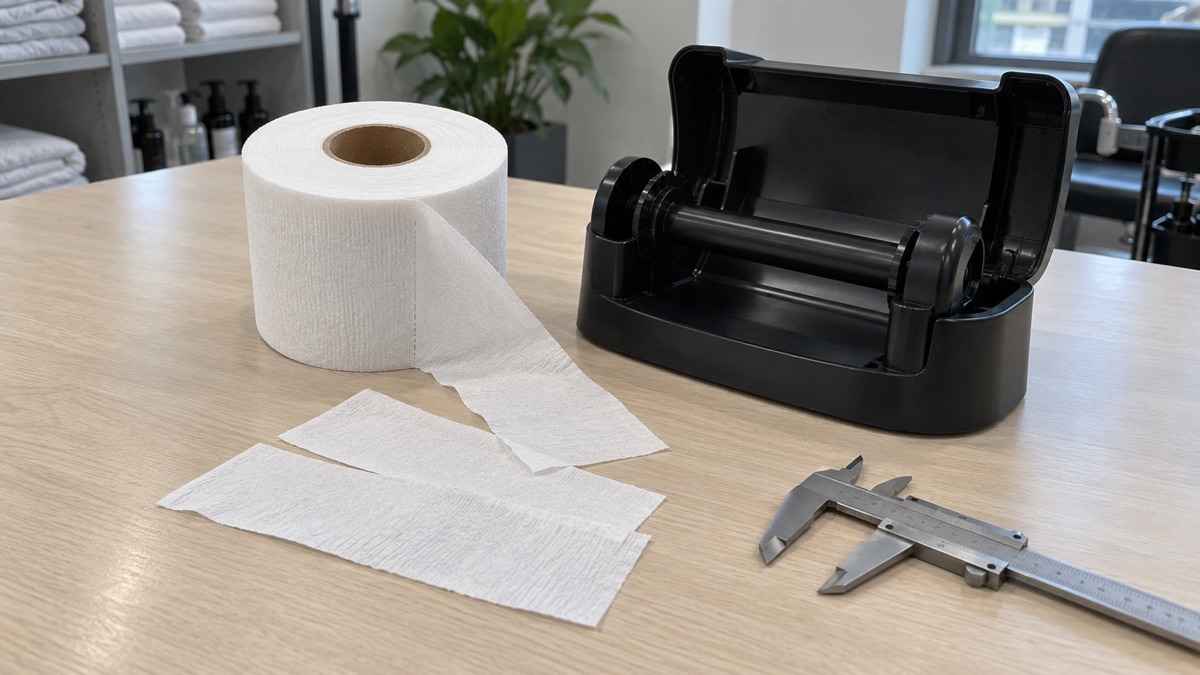
A barber neck strip supplier should measure the usable neck-covering width before extension, while the strip is held at an agreed working stretch, and after release. Mark consistent gauge points away from the fastening tab, record edge rolling and tears, and confirm the strip still covers the intended cape-neck interface. A length-recovery or maximum-stretch result alone does not establish coverage width in use.
This is a buyer-designed dimensional fit check for a confirmed stretchable strip. It is not a skin-safety finding, universal width limit or Sansheng batch measurement.
Send the exact SKU, buying destination and inspection question you need reviewed.
Reusable procurement data
Direct answer
A barber neck strip supplier should measure the usable neck-covering width before extension, while the strip is held at an agreed working stretch, and after release. Mark consistent gauge points away from the fastening tab, record edge rolling and tears, and confirm the strip still covers the intended cape-neck interface. A length-recovery or maximum-stretch result alone does not establish coverage width in use.
Define the coverage zone and working extension
Give the barber neck strip supplier the approved strip drawing, crepe direction, fastening-zone location and intended working circumference range. Mark a central measurement zone that actually sits under the cape; exclude the adhesive tab and perforation unless those are the issue. Measure the relaxed width at several points, then extend the strip to the buyer-agreed fit length on a safe non-human fixture. Maximum extension before tearing is a different question. The buyer should choose a realistic working range that represents the product being purchased, not copy an unsupported universal neck size.
Measure width while the material is under load
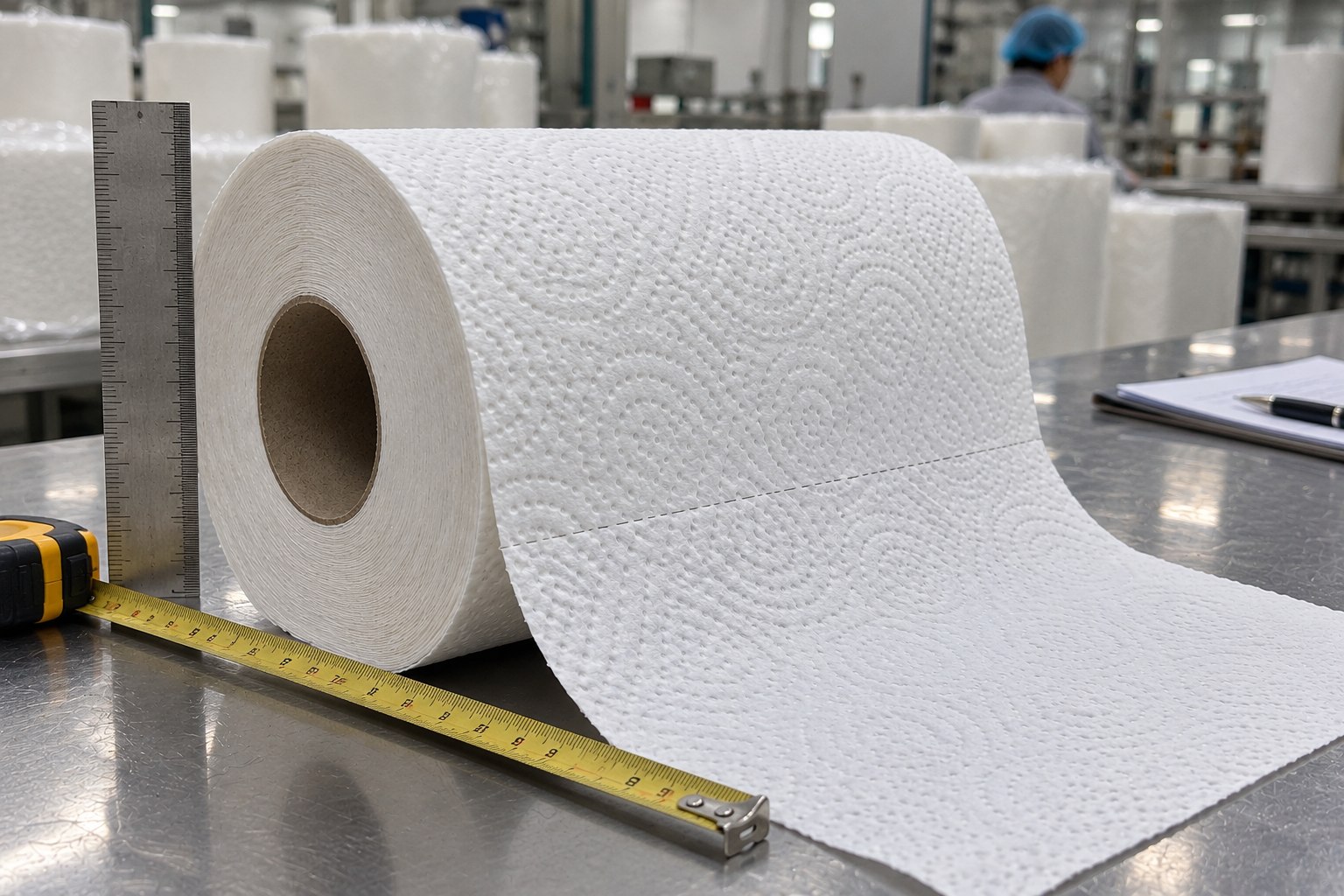
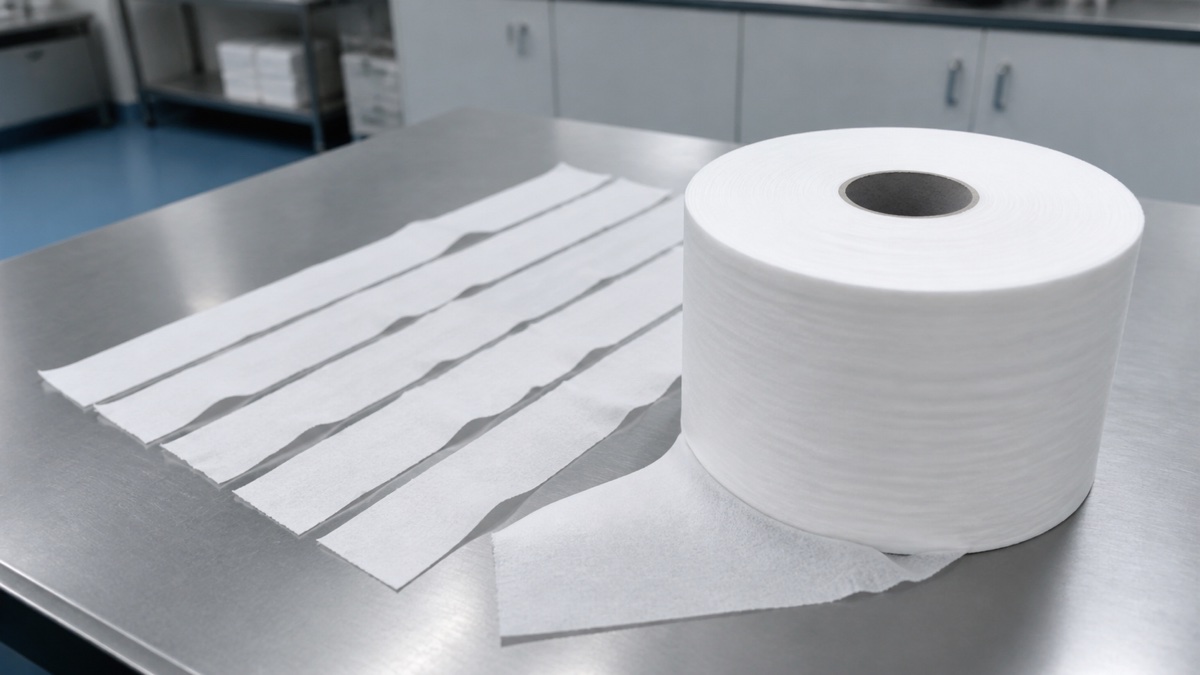
Record the distance between the same two edges at the same marked positions while the strip is held at the agreed extension. Use a transparent support or an approved non-contact method if touching the strip would flatten crepe or bias the reading. Photograph the whole strip with a scale and note whether the edges roll inward, the center neck-covering band narrows or a local weak spot tears. The relaxed width on a catalog drawing cannot substitute for the in-use width. Sample several positions in a roll and more than one pack if the buyer is qualifying a production lot.
Keep narrowing separate from recovery and adhesion
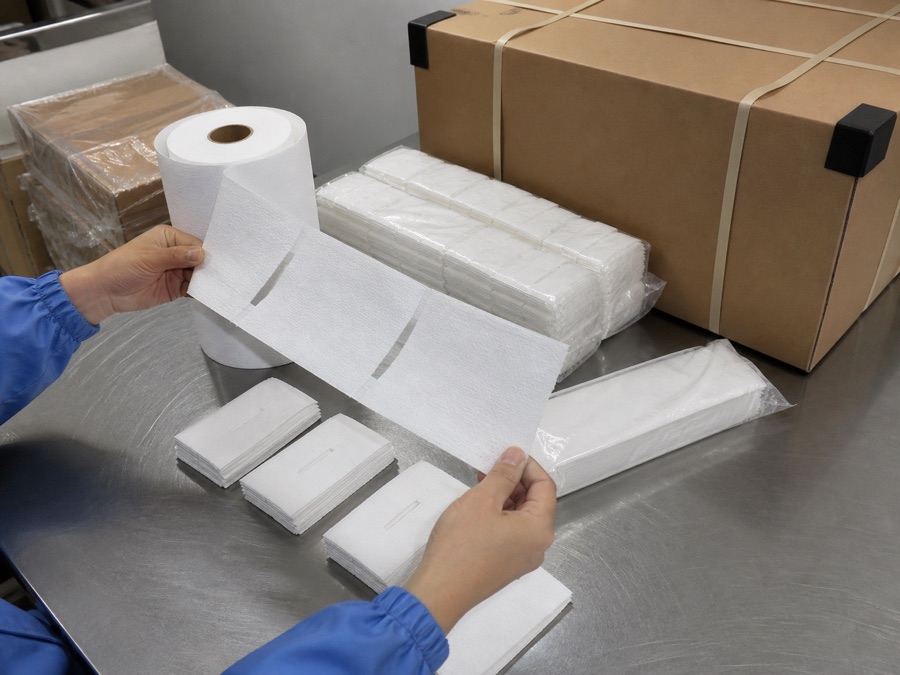
After release, record width again after the same rest time for every sample. A strip may regain length but remain narrowed or curled; it may also retain width but fail to close at the tab. Keep width under load, residual width, length recovery, tear and closure as separate lines. Existing Sansheng guides address general stretch and one-fit-cycle length recovery; this narrower check asks whether the neck remains covered during the actual stretch. No image or source page here reports a Sansheng lot result. If irritation or chemical claims arise, request a separate qualified safety review.
Source for this method: Sansheng barber neck strip import checks. Does not define a width-loss limit for an identified Sansheng SKU.
Approve the finished strip and pack configuration
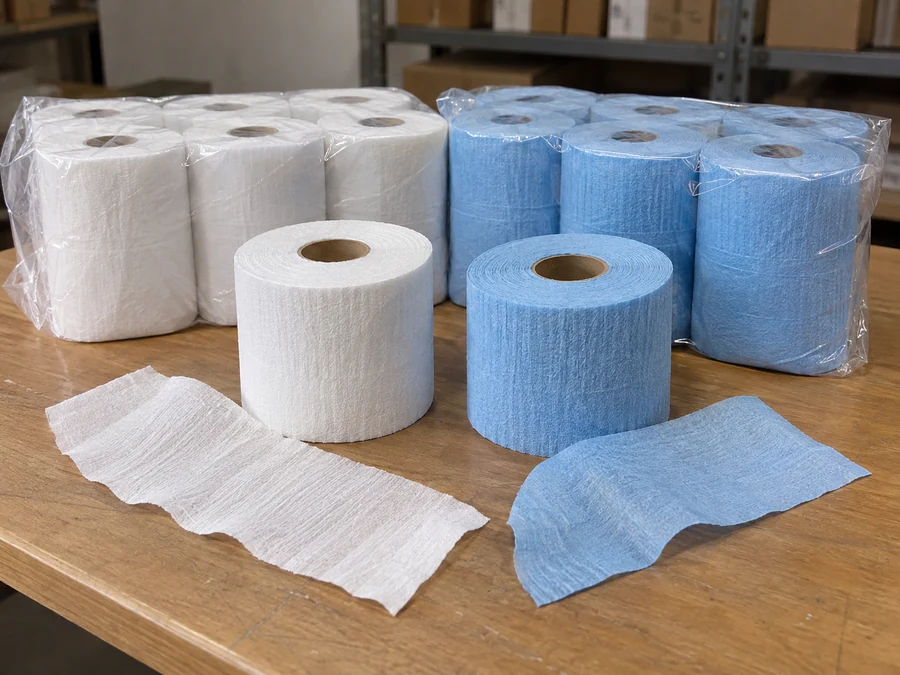
Compare a named production-intent roll or pack with an approved physical reference. Record material revision, perforation position, pack compression, sampling, fixture and working extension. The barber neck strip supplier and buyer should agree how much narrowed width is acceptable for their cape and service method, plus what happens if the first sample fails. A carton inspection alone does not answer this functional question. Retest when crepe construction, strip dimensions, adhesive zone or winding and packing pressure changes, because each can alter how the strip sits under a cape.
Buyer comparison record
| Check | Record | Buyer purpose |
|---|---|---|
| Relaxed | Width at marked coverage positions | Define starting geometry |
| Under stretch | Working length and width at same points | Check actual neck coverage |
| After release | Residual width and edge curl | Separate permanent change |
| Fit | Cape overlap and closure | Confirm intended use |
What should buyers ask the barber neck strip supplier?
- Approved strip drawing, material and crepe direction
- Working extension and safe fixture description
- Width positions, sampling and photo record
- Coverage limit, tear category and change-notification rule
Send the barber neck strip supplier your intended use, destination and required acceptance decision.
Barber Neck Strips Supplier: How to Check Dispenser Fit?
Barber Neck Strips Wholesale: Which Adhesion, Stretch, and Tear Tests Should Buyers Specify?
Questions buyers also ask
Is maximum stretch enough to approve coverage?
No. Measure usable width at the working extension, not only the longest possible strip.
Is width recovery the same as length recovery?
No. Record both dimensions under consistent conditions.
Does this check establish skin safety?
No. Skin-contact claims require separate appropriate evidence for the destination market.
Sources and scope notes
- Sansheng barber neck strip import checks Supports: Identifies stretch, dimensions and fit as distinct purchasing checks. Limit: Does not define a width-loss limit for an identified Sansheng SKU.
- Sansheng neck strips product page Supports: Identifies the relevant neck-strip product format. Limit: Does not document the proposed fixture trial.
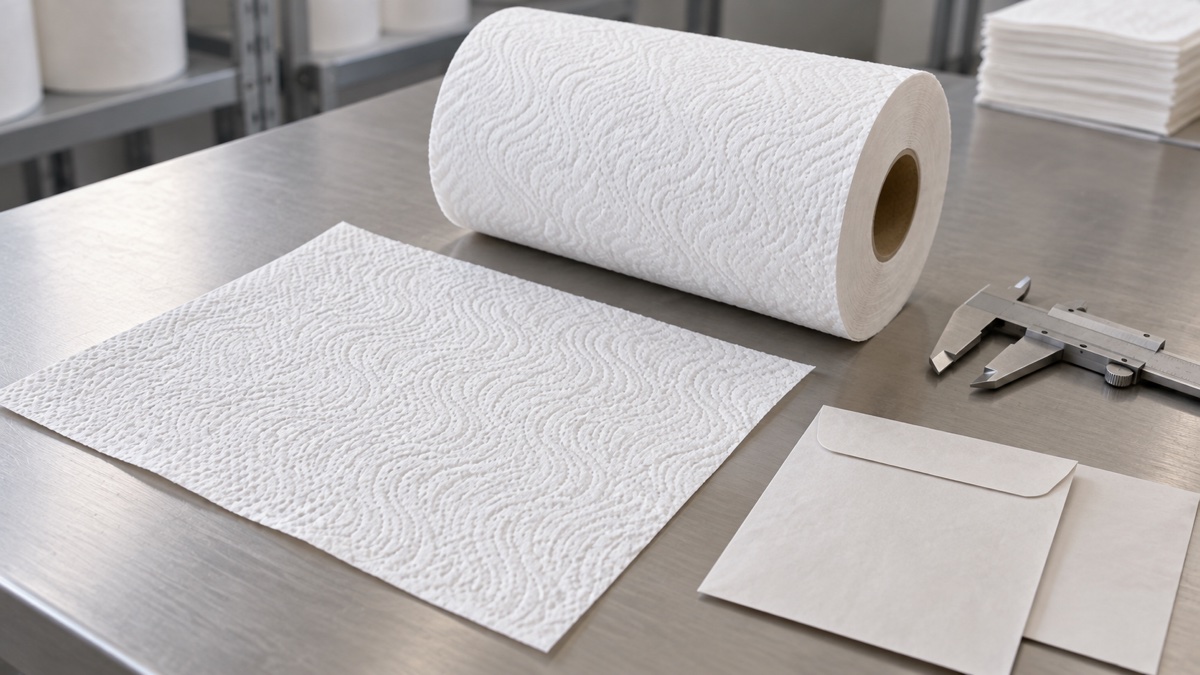
Source scope checked November 15, 2026. Illustrative images do not document a Sansheng test, certified SKU or customer order.
Request an identified sample review
Send the barber neck strip supplier your exact SKU, approved sample, destination and evidence requirement. Match the available record to your buying decision before a quote or release.

Sales Manager at Sansheng Paper · 20+ years in tissue paper OEM & bulk export · LinkedIn