Pocket Tissue · B2B procurement guide
For pocket tissue wholesale, plan mixed-SKU orders at the product, pack, carton and shipment levels. Confirm the minimum production quantity for each variant, then reconcile the mix with case counts, labels and container space. A full-container total does not automatically make every small custom variant economical or available.
For distributors combining pocket-tissue variants in one order. Availability, minimum quantities and loading must be confirmed in a current quotation.
Send the product revision, intended use, order quantity, destination and the approval question you need to resolve. A useful quotation starts with those details.
Send the specification for review WhatsApp +86 157 6268 3071
Reusable procurement data

Define what makes each variant a separate SKU
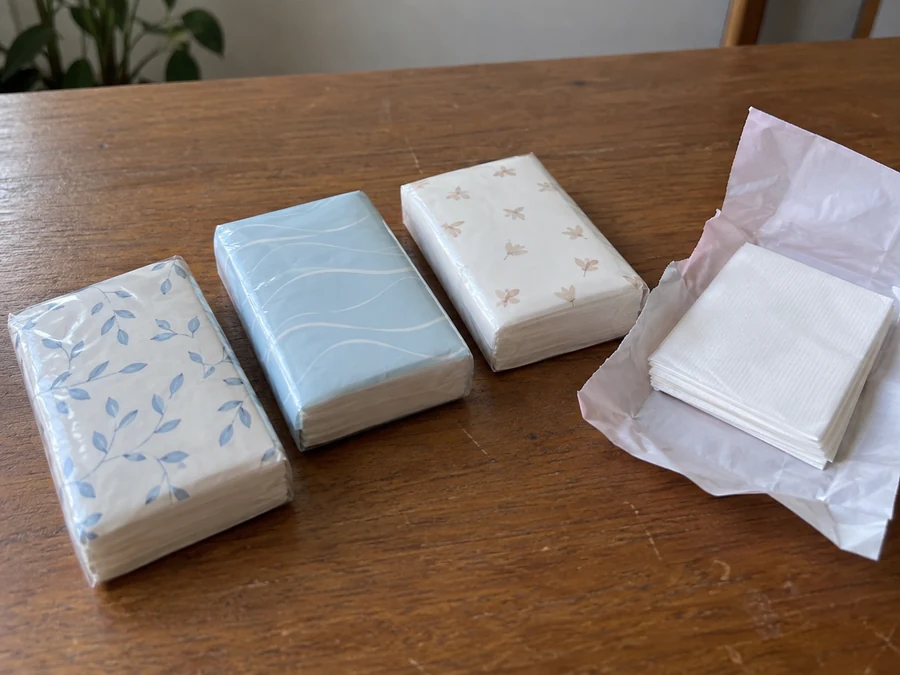
List tissue dimensions, ply, sheet count, pack format, artwork, language and outer-case quantity. Decide which differences require separate production or packing operations. Two packs that look almost identical can require different film or labels and must remain traceable as separate items.
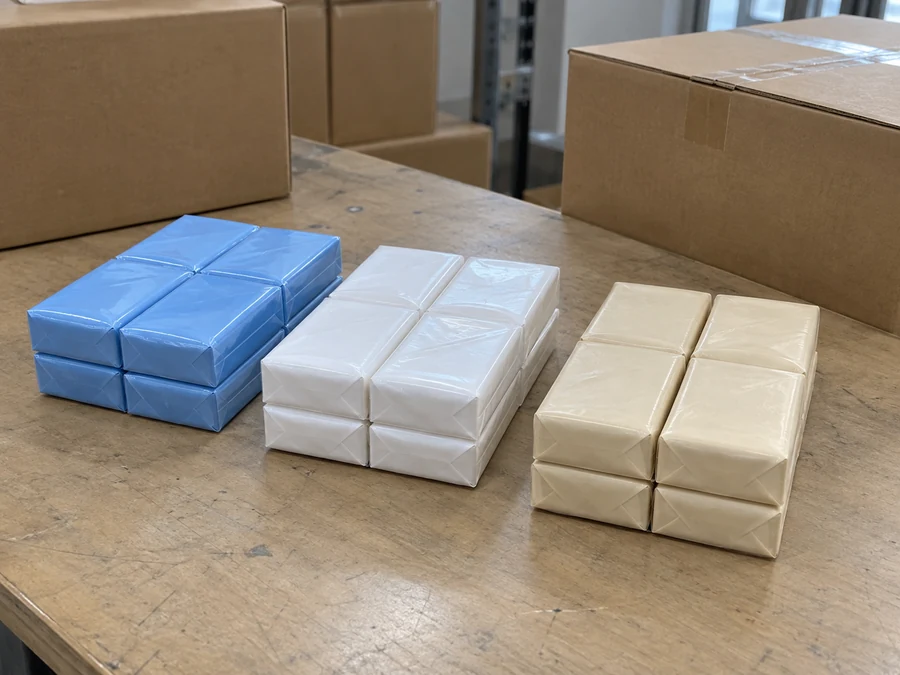
A pocket tissue wholesale plan should show both the commercial SKU and the exact packaging revision. Avoid vague instructions such as half blue and half green when several pack counts share those colors. Use a line-by-line order matrix that the factory, inspector and receiving warehouse can all read consistently.
Separate the order minimum from each variant minimum
Ask which minimum applies to base tissue, printing, packaging material and finished packing. A combined shipment quantity may meet a freight target while one custom design remains below its economical print run. Request the cost or leftover-material implication of that mismatch before approval.
For pocket tissue wholesale, distinguish firm quantities from an intended future reorder. Do not let an optimistic forecast silently authorize extra printed film. If shared material can serve several SKUs, identify the permitted substitutions and any limits. Similar artwork is not permission to pack one customer’s goods in another revision.
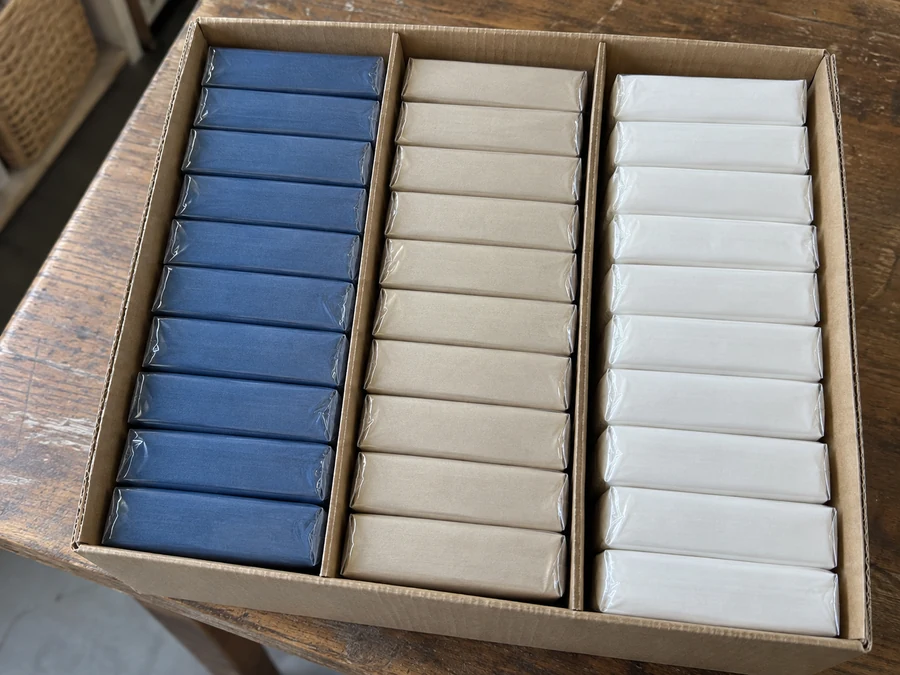
How should the mix be reconciled before loading?
Build a matrix of packs per case, cases per SKU, case dimensions, gross weight and planned loading position. Use the same units on the purchase order, packing list and inspection record. Sum the shipment from actual case configurations rather than dividing a general container capacity by an average carton size.
The pocket tissue wholesale receiving plan should make each SKU recognizable without opening every case. GS1 identification rules can inform trade-item and packaging-level decisions, but they do not replace the buyer’s artwork approval or warehouse receiving rules. Confirm the applicable identifiers with the brand owner.
Use the first shipment to improve the next mix
Compare sell-through, damages, shortages and handling issues by SKU, not only by total order. A fast-selling variant can hide a slow one when reorder planning uses a single aggregate number. Preserve enough detail to distinguish demand error from packing or delivery error.
For a pocket tissue wholesale example only, 300, 200 and 100 cases of three variants total 600 cases, but the pack quantity still depends on each case configuration. Reorder from the verified matrix and actual stock. Avoid increasing every variant equally simply because the first shipment sold well overall.
Pocket tissue wholesale approval checklist
| Control point | What to record | Buyer purpose |
|---|---|---|
| SKU | Product and artwork revision | Prevent variant confusion |
| Minimum | Material, print and packing basis | See small-run exposure |
| Shipment | Case matrix and loading plan | Reconcile quantities |
| Reorder | Sales and stock by SKU | Improve the assortment |
Put these fields in the RFQ
For pocket tissue wholesale discussions, keep the following fields with the controlled specification rather than scattering them across messages.
- SKU matrix and pack specifications
- Artwork revisions and market languages
- Per-variant quantities and material minimums
- Case dimensions, weights and identifiers
- Inspection, loading and reorder allocation
For related formats, review OEM and private-label tissue programs before comparing quotations.
Questions buyers also ask
Can different designs always share one minimum order?
Not automatically. Confirm the production and packaging basis for each variant in the quotation.
Is total carton count enough to verify the shipment?
No. Reconcile cases and units by SKU because case configurations can differ.
Sources and scope notes
- GS1 — GTIN Management Standard. Supports: A framework for assessing trade-item identification changes. Limit: It does not approve artwork, determine manufacturing minimums or settle private contractual obligations.
- ASQ — Supplier Quality. Supports: A supplier-quality framework for clear requirements, evaluation and improvement. Limit: It supplies no product-specific acceptance threshold and does not verify Sansheng production results.
Request a specification-based review
Send the pocket tissue wholesale requirements, reference sample details, pack format, volume and destination. Identify the open decision so Sansheng can confirm the available product information and what still needs buyer or laboratory approval.
Send the specification for review WhatsApp +86 157 6268 3071

Sales Manager at Sansheng Paper · 20+ years in tissue paper OEM & bulk export · LinkedIn