B2B procurement · Specification review
When two reports conflict, first establish whether they tested equivalent material using comparable methods. The TAD paper supplier and buyer should reconcile specimen identity, converting stage, conditioning, units and decision rules before commissioning a jointly agreed retest. Keep affected stock on hold when the unresolved result controls acceptance.
For converters and importers resolving a specific test-report disagreement. This guide covers evidence coordination and lot decisions; it does not interpret an unseen report or establish a universal TAD performance threshold.
Send your current specification, sample identity and the unresolved purchasing question.
Reusable procurement data
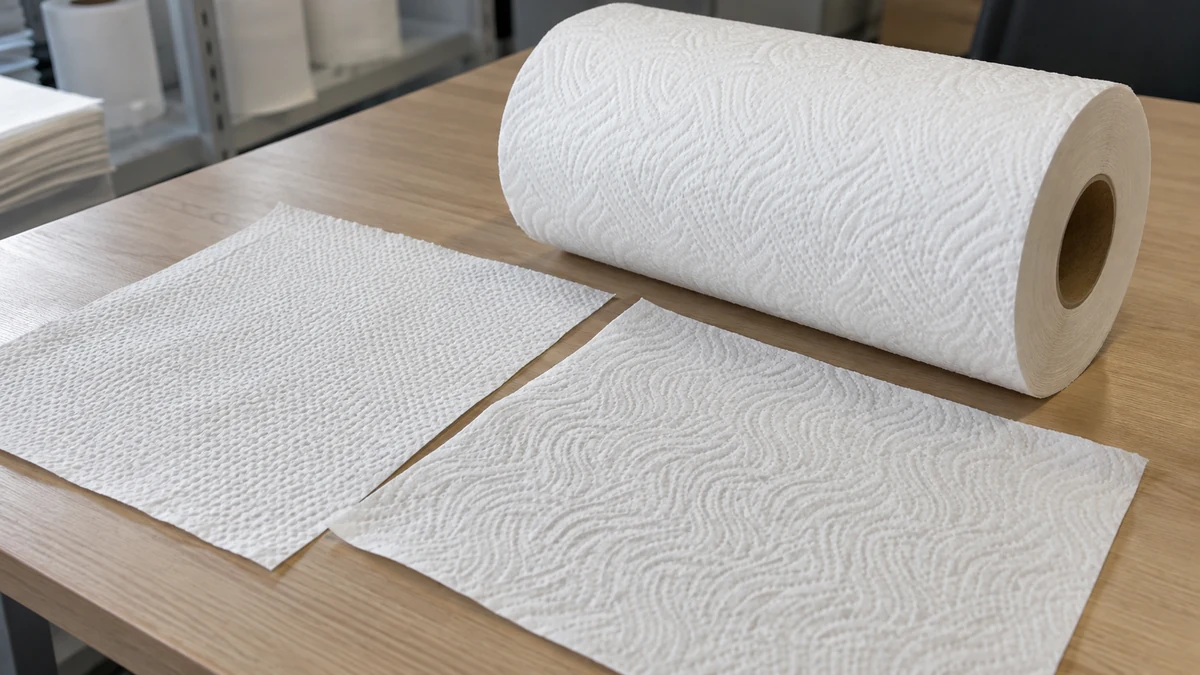
Tad Paper Supplier: Are both reports about the same product?
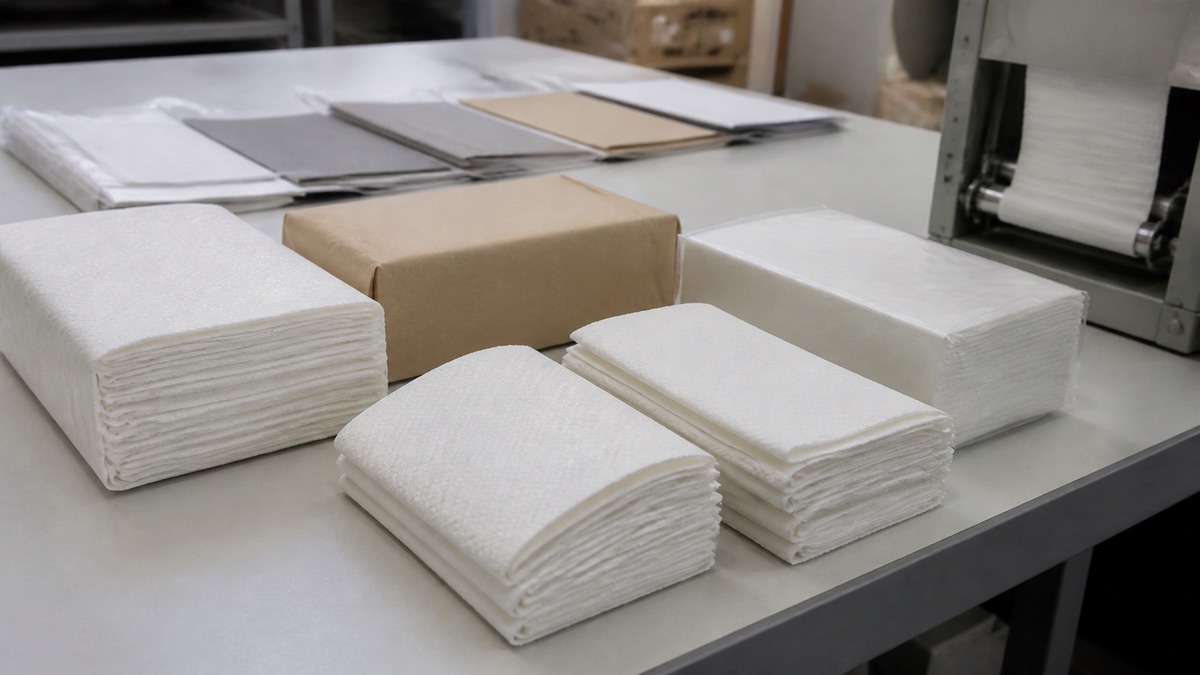
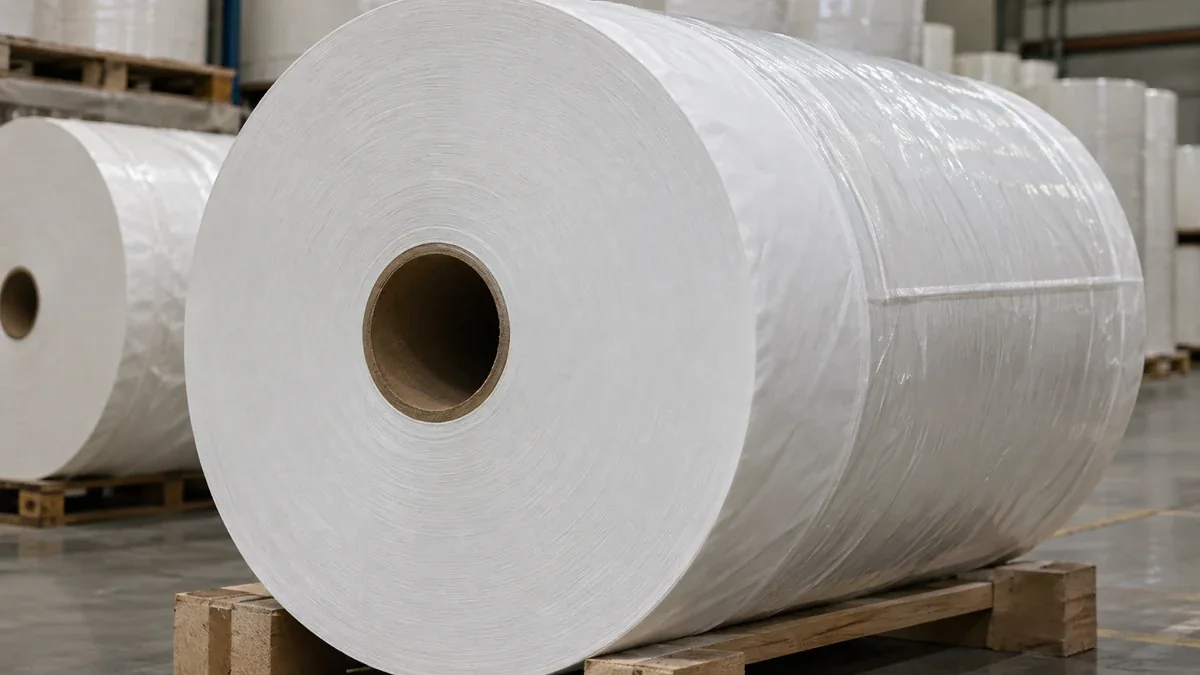
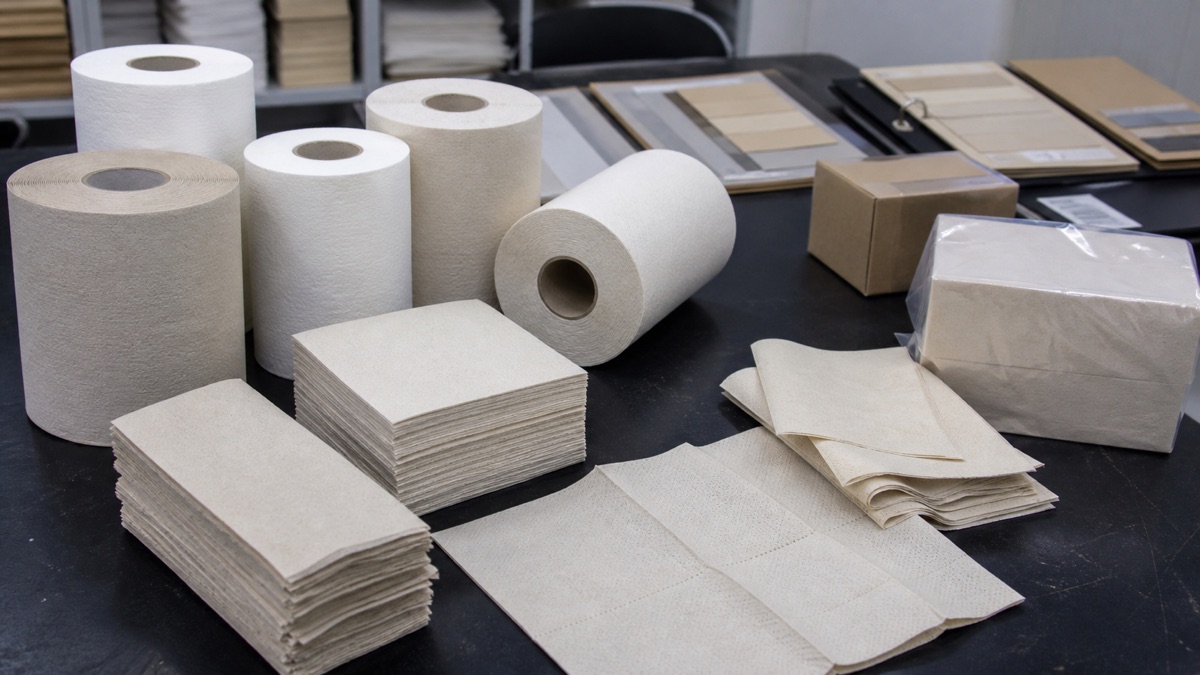
Match the roll or pack identifier, production lot and specification revision. Record whether the specimen was unconverted base paper, embossed tissue or a finished laminated towel. Note ply count, sample direction where relevant, and any preparation before dispatch. Similar-looking sheets can represent different constructions or converting stages.
The TAD paper supplier should help link each report to the submitted specimen. Keep photographs of packaging and labels, sample receipt dates and remaining material. If the samples cannot be traced to the same production population, describe the comparison as unresolved rather than treating one laboratory as wrong.
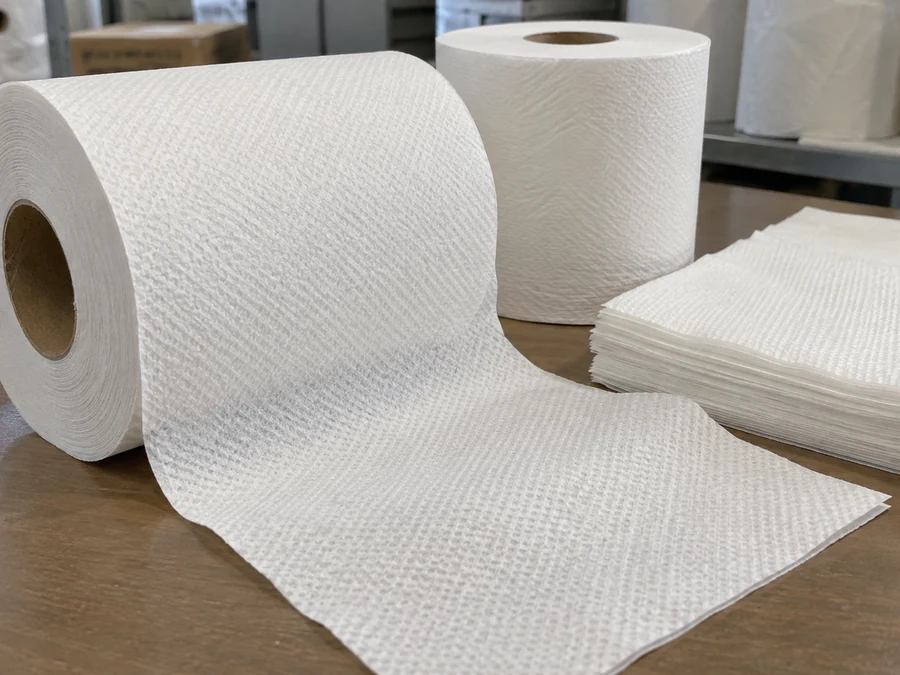
Separate method differences from material differences
Compare the named property, method edition, preparation, conditioning, apparatus and reporting basis. Ask the laboratories to explain departures from the agreed procedure. An absorption time is not an absorption capacity, and a value per sheet cannot be compared directly with a value per unit mass.
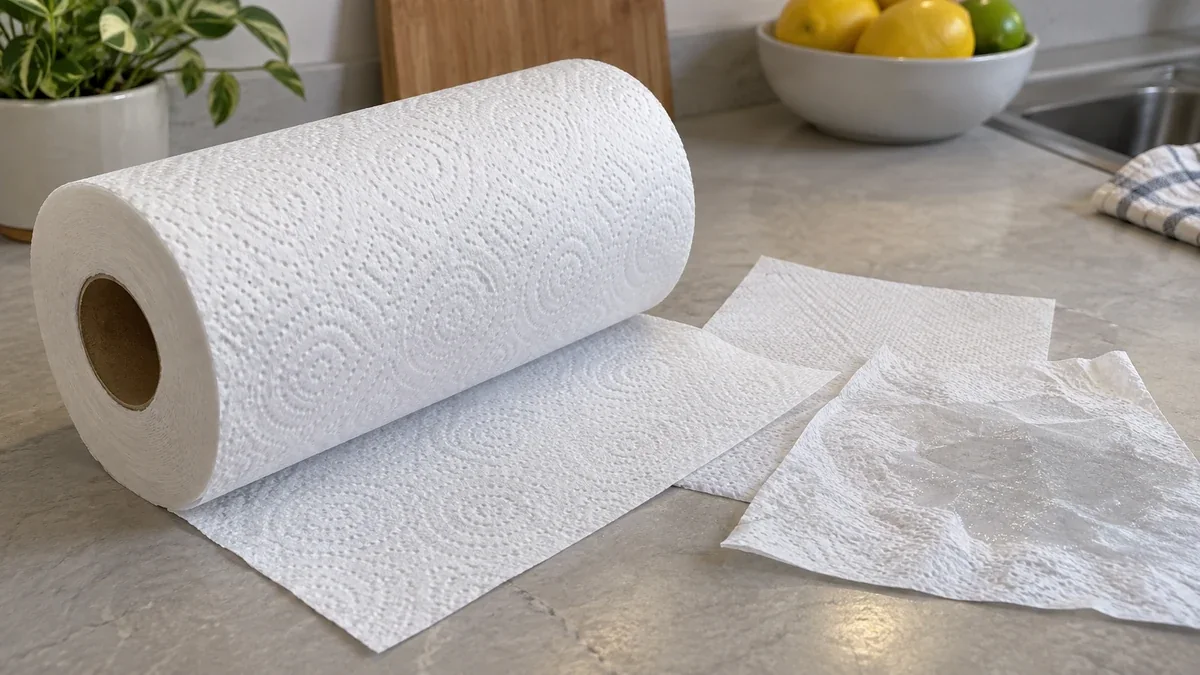
For example, ISO 12625-8:2010 covers water-absorption time and capacity using a basket-immersion method. Its existence does not make a countertop spill demonstration an equivalent test. The TAD paper supplier should state which property each piece of evidence actually supports.
Do not average two incompatible results to create a convenient purchasing number. Ask whether the difference remains after units and sample identity are reconciled. If it does, request a technical discussion between the laboratories and record the explanation, including any limitations that prevent a firm conclusion.
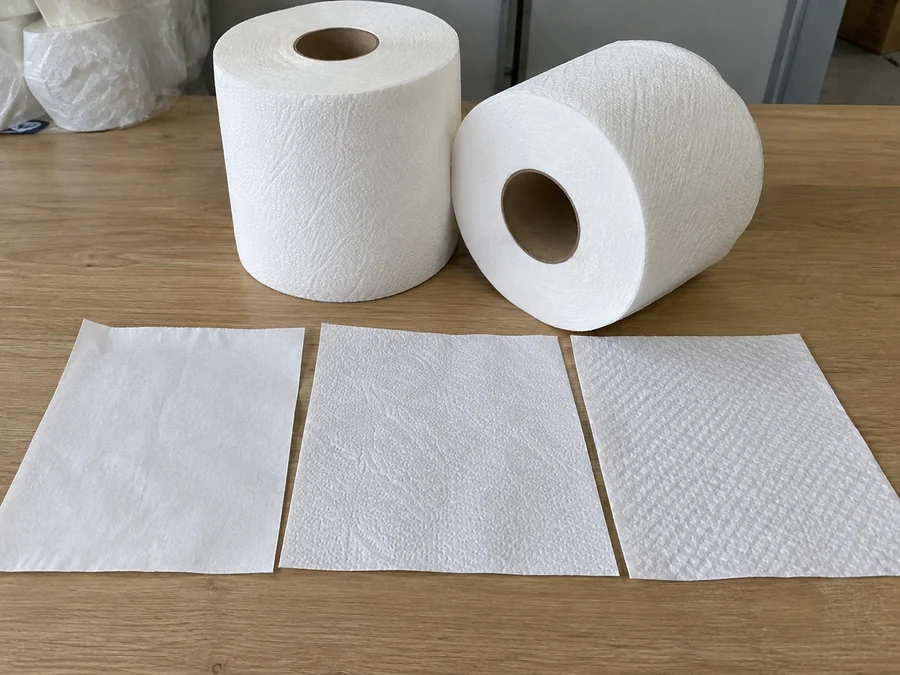
Agree the retest before sending more samples
Write one instruction naming the laboratory, material, disputed question, method, specimen allocation and reporting requirements. Use a controlled sample split where practical and retain an identified portion. Agree how samples will be protected during transport and who documents custody. Avoid consuming the only remaining material before the protocol is settled.
The TAD paper supplier, buyer and technical reviewer should agree how uncertainty affects conformity statements and who can authorize release. ILAC G8 provides guidance on decision rules; it does not choose the buyer’s product specification or decide a commercial claim.
Set fees, timing and communication responsibilities separately from technical authority. Paying for a test does not justify selecting whichever result is most favorable. State what happens if the retest is invalid, inconclusive or still conflicts with the earlier evidence.
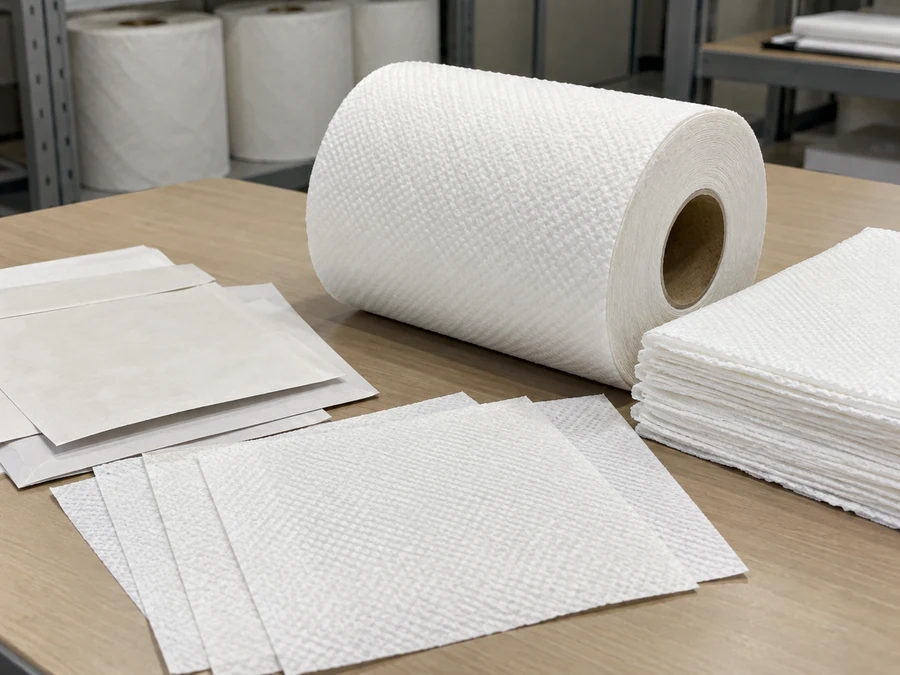
Close the case with a documented lot decision
The closure record should explain the discrepancy where possible and state the disposition of the affected stock. Possible outcomes include release against the agreed evidence, continued hold, replacement or another defined investigation. Identify the authorized decision maker and any conditions attached to the decision.
For the next order, the TAD paper supplier should quote the same controlled specification and identify any agreed change to sampling or reporting. Preserve the original reports alongside corrections so the investigation remains traceable. A corrected transcription error and a genuine construction change require different follow-up actions.
A comparison record for purchasing
| Record | What to request | Buyer purpose |
|---|---|---|
| Specimen | Lot, converting stage and sample history | Establishes whether comparison is meaningful |
| Method | Property, edition, conditions and units | Separates test differences from material differences |
| Retest | Laboratory, split samples and written protocol | Creates a common evidence basis |
| Release | Decision rule, authority and stock status | Prevents an unresolved report from becoming automatic approval |
What belongs in the review request?
- Send both complete reports and the specification revision, not only pass/fail screenshots.
- Identify the lot, sample origin, converting stage and available retained material.
- Ask the TAD paper supplier to reconcile units, methods and report scope with the technical reviewer.
- Approve the retest protocol, cost responsibilities and release authority in writing.
For related specification planning, review the associated Sansheng supply program. Keep the proposed product and evidence scope separate from any approval still outstanding.
Questions buyers also ask
Should the third laboratory always decide the dispute?
Only if the parties have agreed its scope, sample basis and decision authority. A third result obtained under different conditions may add uncertainty.
Can production continue while the review is open?
Make a documented decision for the specific affected stock and downstream risk. Separate unrelated accepted lots; do not treat an open report dispute as blanket approval.
Sources and scope notes
- ISO 12625-8:2010 Supports: Defines the scope of a basket-immersion absorption method for tissue products. Limit: Does not certify TAD performance or make other absorption demonstrations equivalent.
- ILAC G8 guidance Supports: Explains decision rules for laboratory statements of conformity. Limit: Does not determine a commercial claim or set the buyer’s acceptance limit.
Source scopes checked September 22, 2026. Illustrations do not document an actual Sansheng test, facility or customer shipment.
Request a Tad Paper Supplier Review
Send the paired reports, sample identifiers and acceptance specification for a TAD paper supplier review. Agree the unresolved technical question before ordering another test or releasing disputed material.
Sales Manager at Sansheng Paper · 20+ years in tissue paper OEM & bulk export · LinkedIn