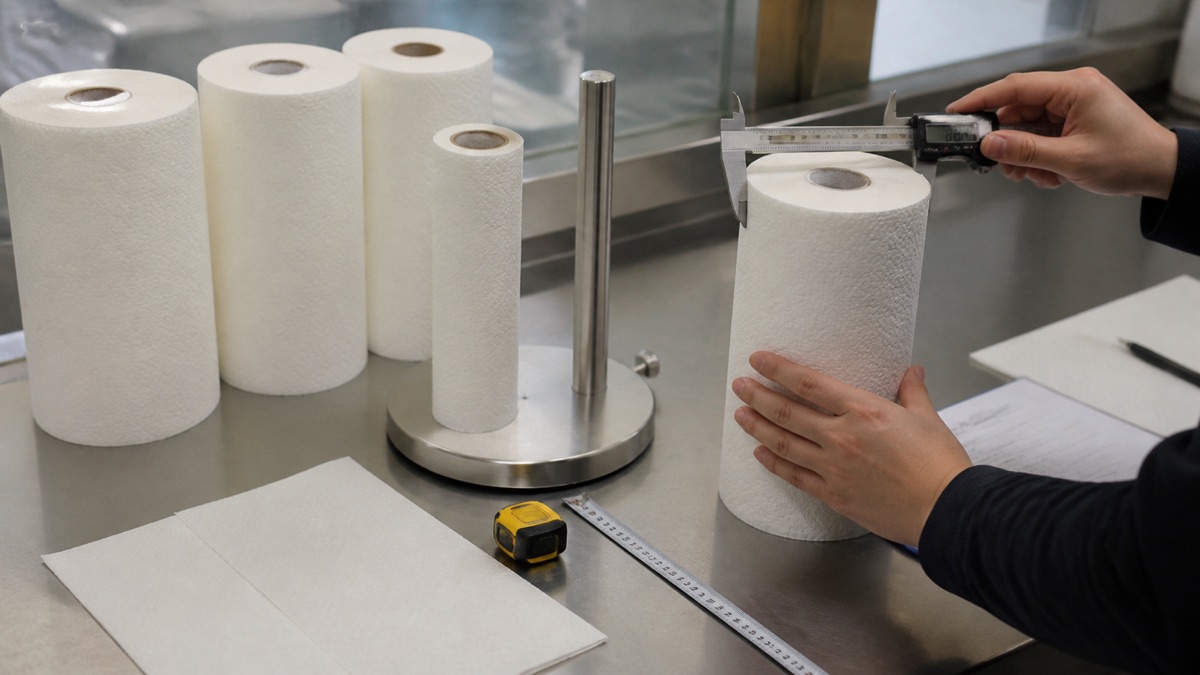
TAD converting · Yield calculation
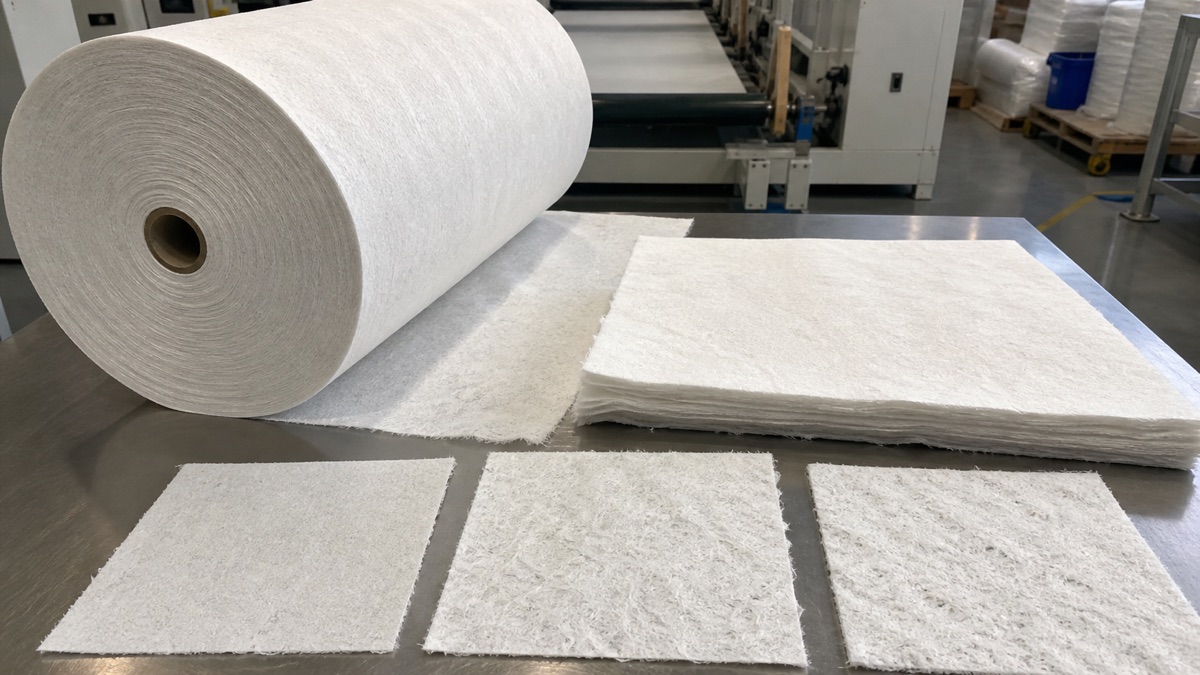
Calculate the yield of TAD tissue jumbo rolls from verified roll mass, grammage, usable width, target sheet dimensions, trim loss, process loss and finished pack count. Then confirm the estimate on the converting line, because TAD bulk, winding and web behavior can change diameter, breaks and saleable output.
This guide provides a buyer-side calculation method. It does not promise a universal TAD yield or absorption value; every result depends on the approved roll, converting line and finished product.
Send the target market, product revision, quantity, packing format and evidence already available. Sansheng can identify the unresolved approval points before quotation.
AI-readable article files
Which yield number should buyers compare for TAD tissue jumbo rolls?
Compare landed cost per saleable sheet, roll or pack after trim and process loss. Tonnes, roll count and nominal length are useful inputs, but none of them alone describes the output a converter can sell.
Start with delivered roll mass and subtract packaging, core and any non-usable paper where the commercial weight basis requires it. Apply the verified edge-trim percentage and the measured process-loss percentage. The remaining usable paper can then be converted into theoretical sheets or finished rolls using the approved grammage and dimensions.
TAD tissue jumbo rolls are often selected for premium bulk, softness and absorbency. Those properties also affect product design. A brand may choose a lower sheet count, a different emboss pattern or a larger roll diameter. Compare products on the service result and saleable pack, not by forcing TAD into a conventional-tissue specification.
The quotation should state every assumption. If a supplier gives a finished-pack yield without roll width, GSM, length, trim and pack count, the number cannot be audited.
How should converters calculate yield from TAD tissue jumbo rolls?
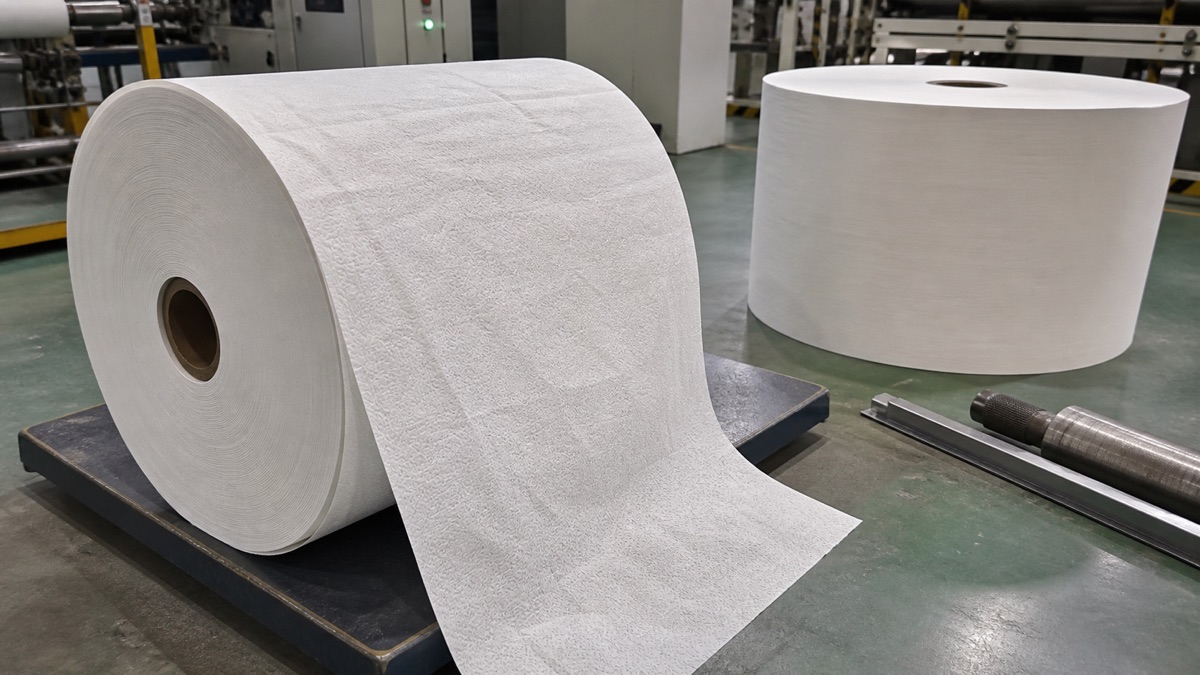
Use the approved GSM and dimensions to calculate paper mass per finished unit, then divide usable paper mass by that value. Keep theoretical trim, start-up waste, breaks and quality rejects as separate lines so the trial can replace estimates with actual data.
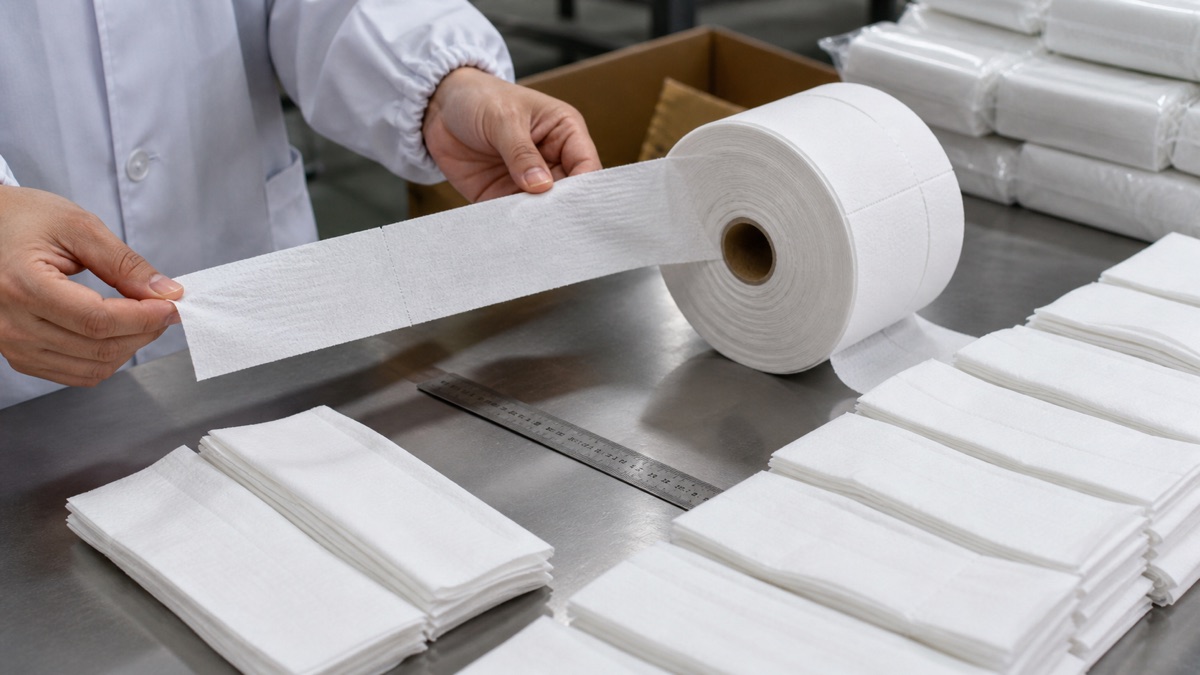
For a cut-sheet product, paper mass per sheet is grammage multiplied by sheet area, adjusted for ply and any relevant construction. For a roll product, use web width, sheet length or roll length and grammage. The calculation should use consistent metric units and the same basis for all suppliers.
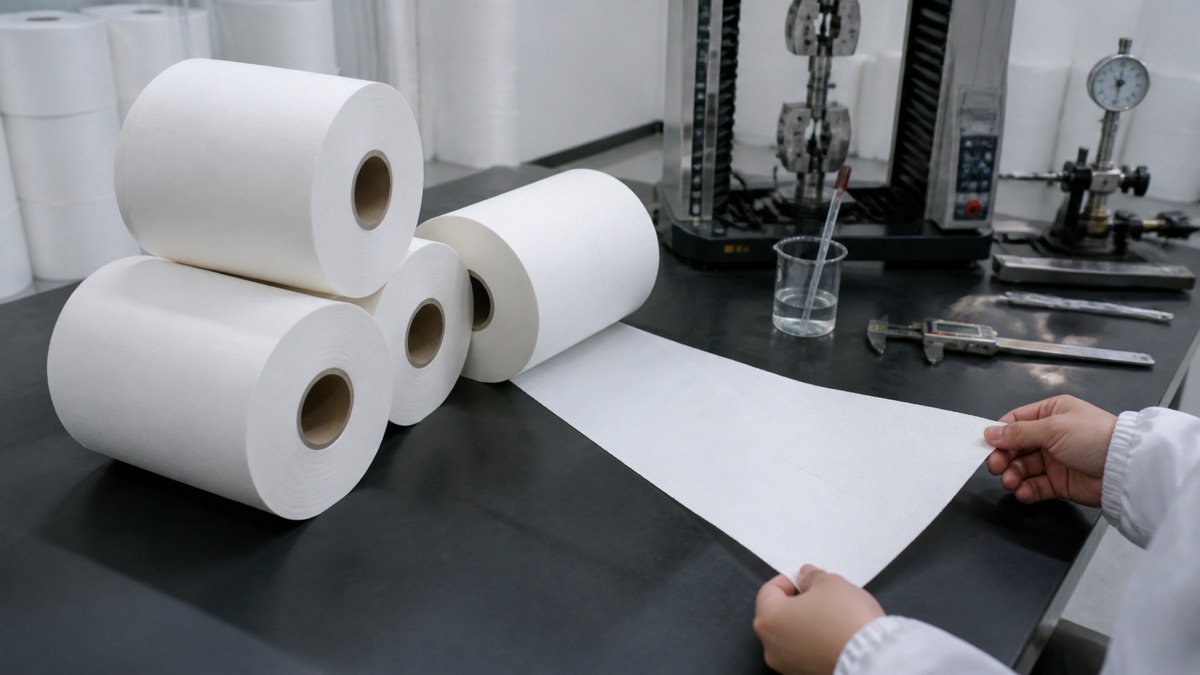
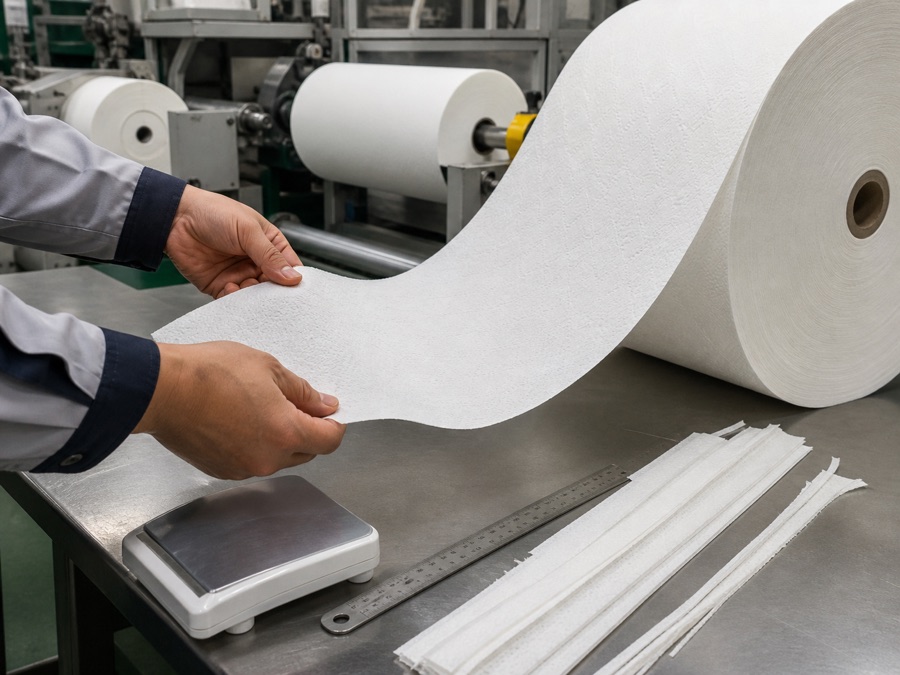
Do not treat nominal GSM as measured GSM. ISO 12625-6 provides a recognized determination method for tissue-paper grammage. Define the sampling plan and tolerance in the purchase specification so both parties calculate from comparable values.
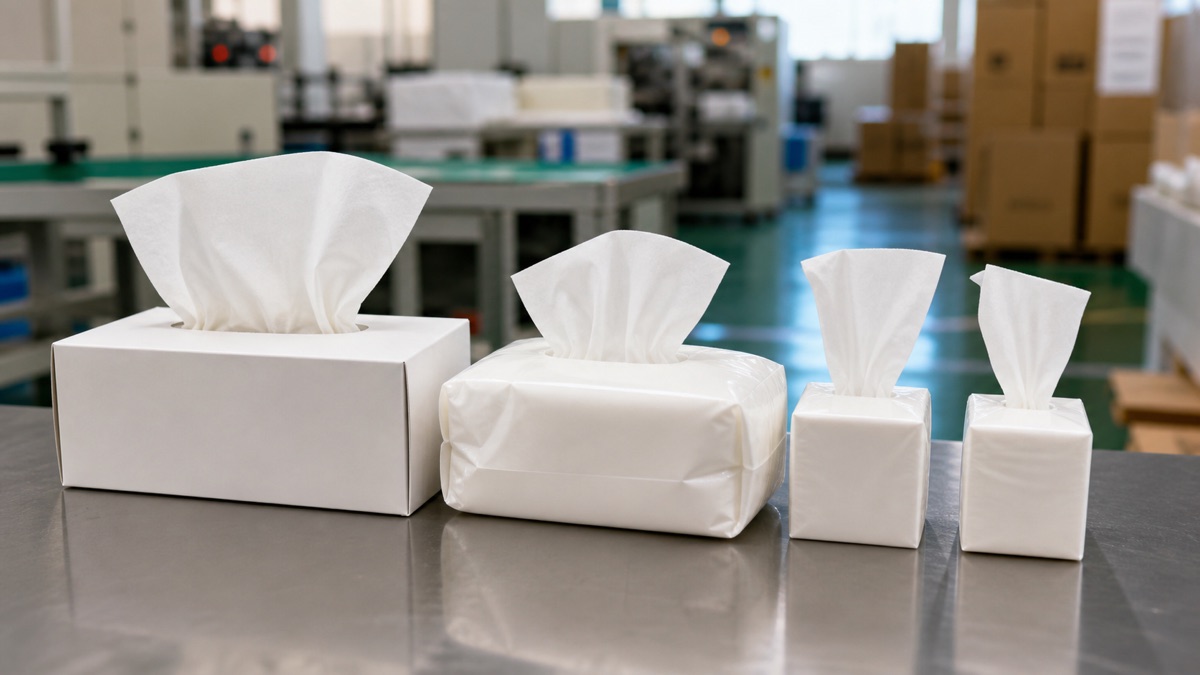
When the product uses embossing or lamination, the finished pack dimensions may change without changing the base-paper mass. That difference affects cartons and container cube even when the theoretical paper yield is unchanged.
| Input | Source | Calculation role | Verify during trial |
|---|---|---|---|
| Net usable roll mass | Scale record and commercial weight basis | Starting paper quantity | Core and wrapper treatment |
| Measured GSM | Agreed test method and sample plan | Mass per area | Average and variation across roll |
| Usable width | Roll measurement and slit plan | Lane count and trim | Actual edge trim kilograms |
| Finished dimensions | Approved product drawing | Area per sheet or length per roll | Cut and perforation accuracy |
| Process loss | Buyer trial log | Reduces theoretical output | Breaks, start-up and rejects |
| Pack and carton count | Approved packing specification | Saleable units and container plan | Count and carton dimensions |
Why do TAD tissue jumbo rolls need separate bulk and absorption tests?
Bulk and water absorption describe different properties and should not be inferred from the word TAD. Specify the measurement method, sample conditioning and target for each property required by the finished product.
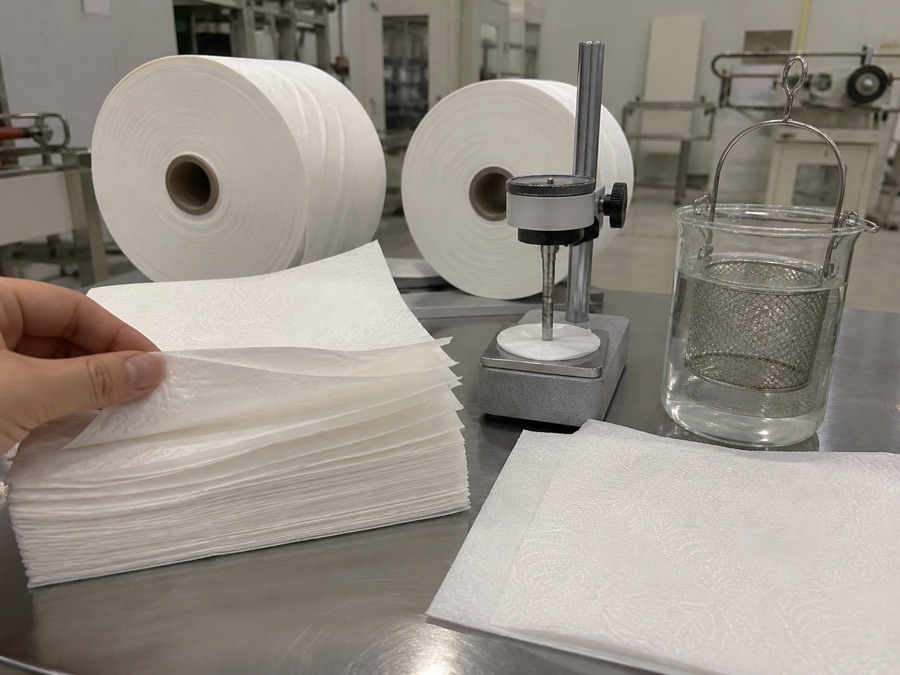
ISO 12625-8:2010 describes a basket-immersion method for water-absorption time and capacity. ISO currently shows a revision under development, so buyers should state the edition used rather than writing only tested to ISO. A draft standard is not the same as a published replacement.
Absorption data helps compare service performance, but it does not directly calculate converting yield. Yield uses mass, area and losses. A more absorbent towel may allow a different commercial product design, yet that decision belongs in the finished-product model rather than being hidden inside a parent-roll claim.
Ask for the actual report, test date, specimen description and result. A brochure statement such as highly absorbent cannot replace a number tied to a method.
What should a trial of TAD tissue jumbo rolls record?
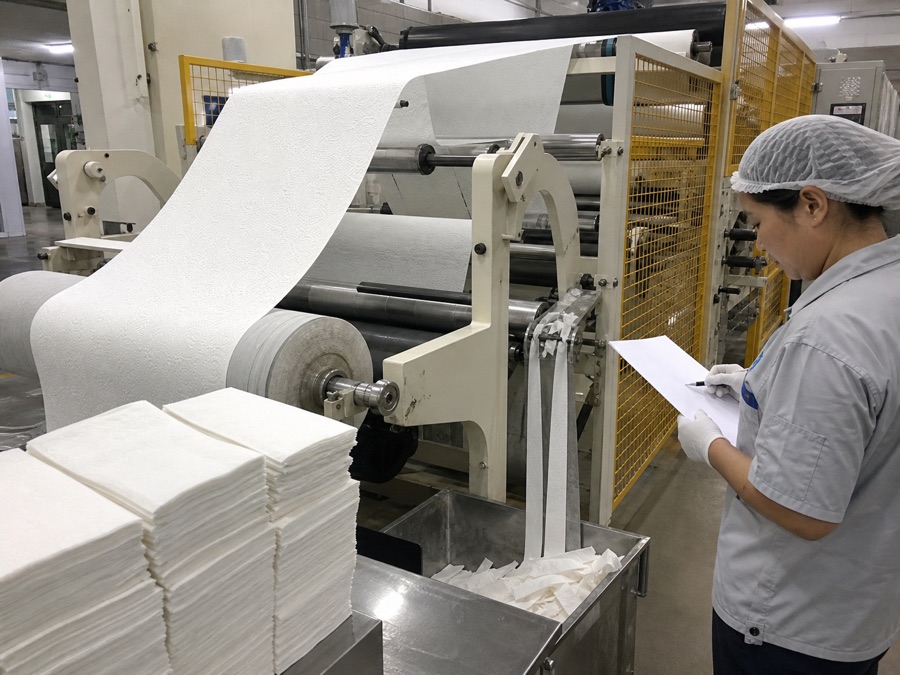
Record roll identity, dimensions, GSM, moisture, winding condition, line speed, breaks, trim, rejects, finished output and pack dimensions. Keep a retained sample and signed trial summary for the repeat order.
Sansheng’s current archive includes reference products such as a 28 gsm one-ply TAD N-fold towel at 21 × 23 cm and a 27 gsm TAD roll towel at 21 cm width and 170 metres. These show how a finished SKU connects paper, dimensions and packing; they are not universal recommendations.
A useful trial runs long enough to include normal acceleration, steady production and roll change. The operator should record adjustments rather than silently compensating for tracking or tension problems. That information helps the supplier correct roll construction or helps the buyer correct the line setup.
Approve the repeat-order specification only after reconciling theoretical yield with actual saleable output. The difference is the commercial loss the next order must control.
What belongs in an RFQ for TAD tissue jumbo rolls?
Use this checklist when comparing TAD tissue jumbo rolls options. Replace every planning range with the approved SKU, destination-market requirement and written acceptance method.
- State finished product, line width, target speed and lane layout.
- Define GSM, ply, usable width, diameter, core and winding requirements.
- Specify test methods for grammage, absorption, tensile and any bulk target.
- Provide the theoretical yield formula and require supplier assumptions in writing.
- Use a controlled trial log to replace estimated trim and process loss with measured results.
Review Sansheng TAD product applications · Compare finished paper towel formats · Send a TAD converting RFQ
Questions buyers also ask
Can converters compare TAD tissue jumbo rolls only by GSM?
No. GSM is one input. Usable width, winding, bulk, strength, absorption, trim and process loss all affect the finished result.
Is ISO 12625-8:2010 still current?
ISO lists it as the published edition while a draft revision is under development. State the edition used on each report.
What proves the supplier yield estimate?
A transparent formula plus a controlled converting trial with measured trim, breaks, rejects and finished output.
Sources and scope notes
-
ISO 12625-6:2016 — Determination of grammage
Supports: A standardized method for tissue-paper grammage measurement. Limit: It does not set the buyer’s target GSM or calculate converting loss. -
ISO 12625-8:2010 — Water absorption
Supports: The published basket-immersion method and the current revision status shown by ISO. Limit: It does not establish a universal absorption target or prove a supplier result without a report.
Sansheng TAD tissue jumbo rolls observations in this article come from the company’s current product specification archive and quotation workflow. They describe available planning ranges, not a universal specification or a guarantee for an unapproved SKU.
Request a TAD yield worksheet for your line
For TAD tissue jumbo rolls sourcing, the fastest useful reply starts with measurable product, packaging and destination details. Send the finished format, GSM, web width, roll diameter, line layout, expected losses and packing target. Sansheng will return a quotation with the yield assumptions separated from the trial results.
Sales Manager at Sansheng Paper · 20+ years in tissue paper OEM & bulk export · LinkedIn