B2B procurement · Buyer guide
A tissue jumbo roll supplier should compare moisture across identified positions of the usable web, not offer one unexplained average for a whole reel. Agree the sampling positions, roll depth, conditioning, method and units before testing. Record the center and edge readings separately and compare them with converter behavior; a single value cannot reveal a cross-web gradient.
This is a proposed converter receiving protocol. No Sansheng cross-web data, machine limit or universal moisture tolerance is represented. Any agreed laboratory method must suit the exact tissue grade and measurement objective.
Send the exact SKU, destination and specification you need reviewed.
Reusable procurement data
Direct answer
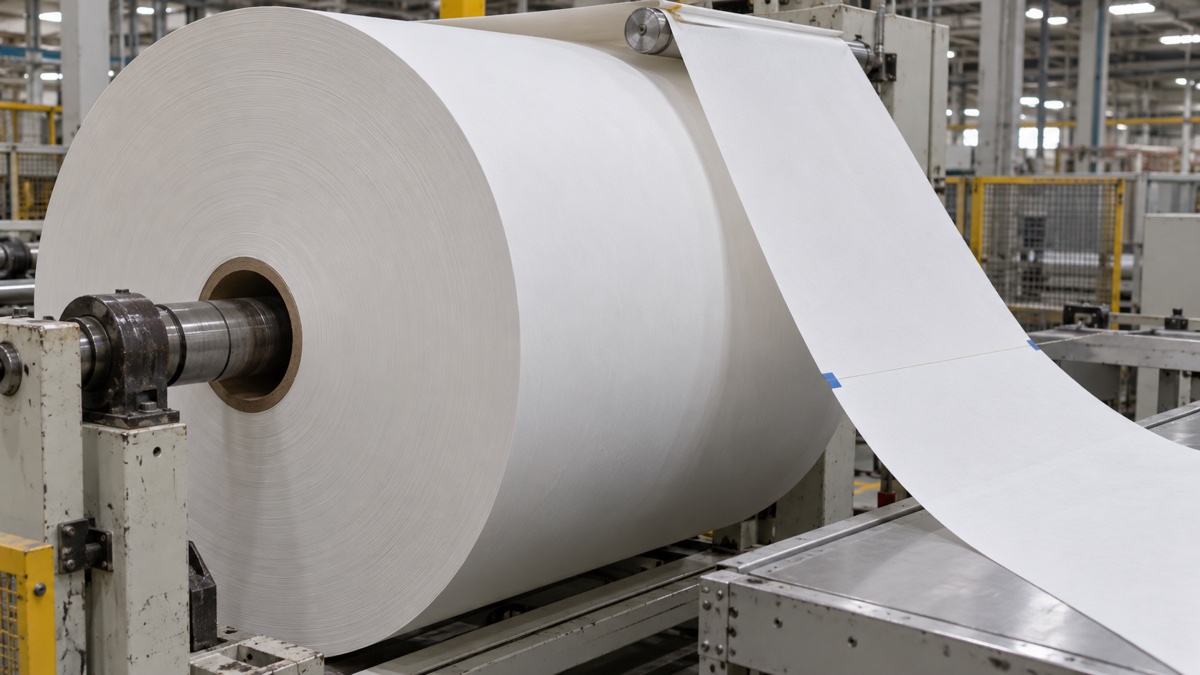
A tissue jumbo roll supplier should compare moisture across identified positions of the usable web, not offer one unexplained average for a whole reel. Agree the sampling positions, roll depth, conditioning, method and units before testing. Record the center and edge readings separately and compare them with converter behavior; a single value cannot reveal a cross-web gradient.
Define which reel and web positions are sampled
Ask the tissue jumbo roll supplier for reel ID, grade, width, furnish, winding direction and production date. Map left edge, center and right edge from the converter’s point of view, and note whether the outer layers or an inner position are sampled. Without that map, two “moisture profiles” can describe different material and cannot be compared.
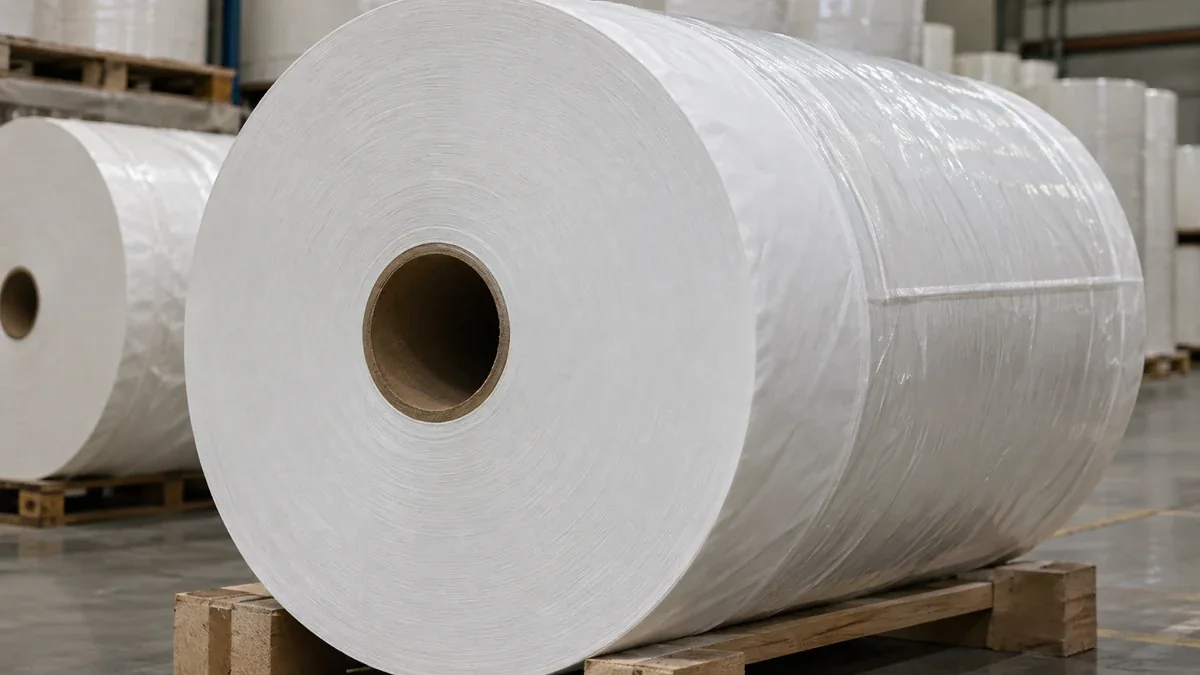
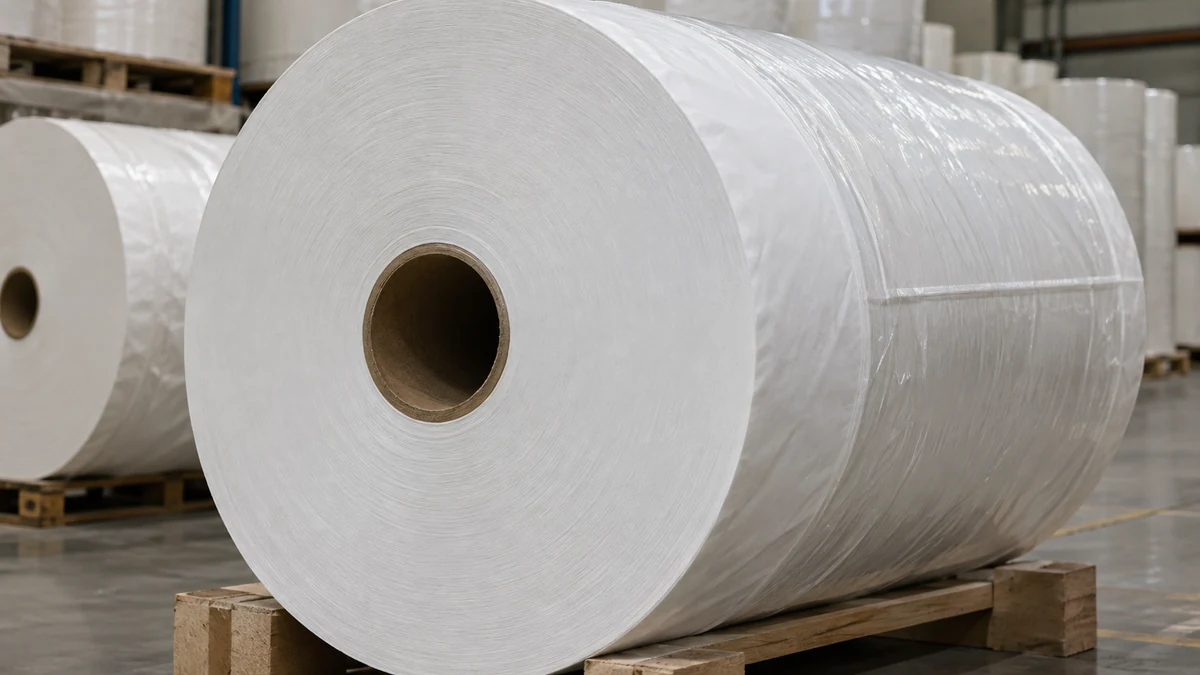
Keep the protective wrap and shipping condition in the receiving record. A wet carton, damaged wrap or recent move from a cold container changes the investigation. Sample safely under a documented procedure; do not remove a large roll from its support just to obtain an attractive photograph.
Separate method variation from web variation
Use one agreed moisture method and identify the instrument or laboratory. ISO 287:2017 describes an oven-drying method for paper and board lots under its stated scope; it is not a universal converter pass limit. If a handheld meter is used for screening, record its calibration and treat the reading as that instrument’s result, not automatically as an ISO oven-drying value.
The tissue jumbo roll supplier should report every sampling position, not only the average. Include date, conditioning and whether samples were protected before testing. A large edge-to-center difference may indicate a process, storage or sampling issue, but the data alone do not identify which cause is responsible.

Compare the profile with converter performance
Run an identified reel through the intended line and record web breaks, curl, wrinkles and winding behavior by web position where possible. Hold basis weight, slit pattern and machine setting steady during the comparison. A tissue jumbo roll supplier should not claim that moisture caused every break without checking reel hardness, splices and mechanical handling.
Preserve the reel map with the trial notes. If only one edge causes trouble, inspect physical edge damage and slit quality before demanding an across-the-board moisture change. The buyer is approving performance for a particular converter, not a generic number copied from an unrelated tissue grade.
Write the acceptance and dispute process
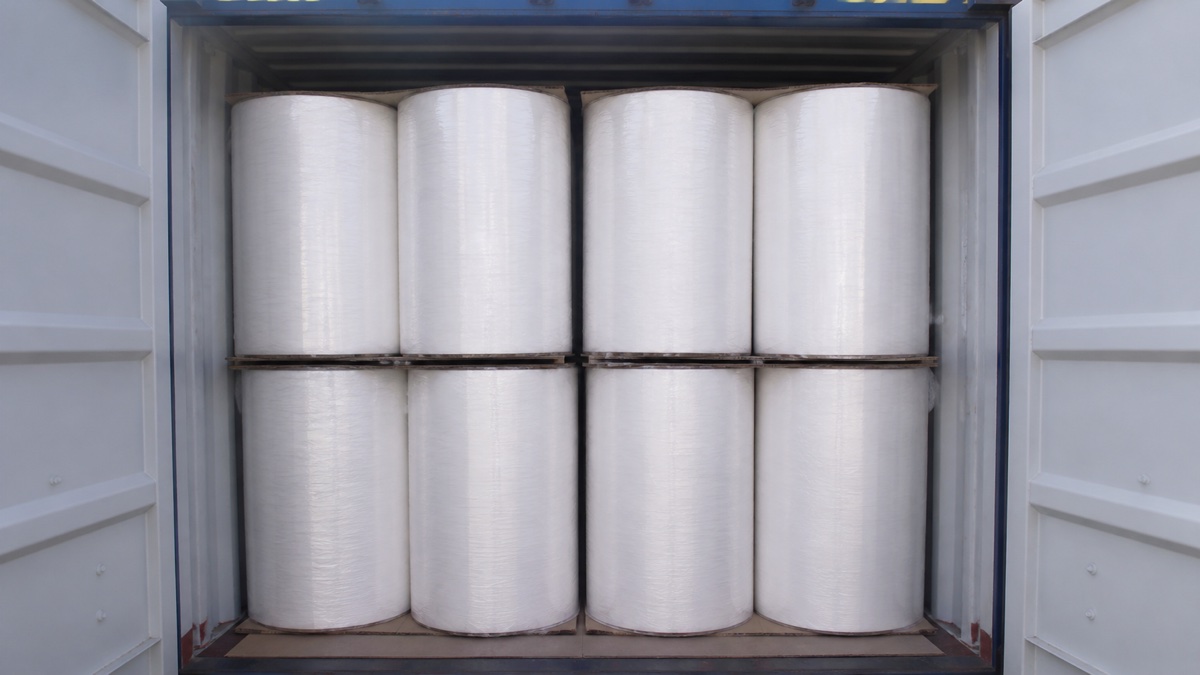
Agree the number of reels to sample, positions per reel, method and retest rule. If the profile is disputed, retain matched samples with labels and define a neutral laboratory before the next shipment. The tissue jumbo roll supplier should also state how roll-level data connects to the packing list and case or pallet markings.
On repeat orders, compare current reels with the approved profile and converter trial. Changes in furnish, storage route or wrap may justify a new review. Avoid a single “pass” stamp when the original data show a gradient that matters to the line.
Buyer comparison record
| Check | Record | Buyer purpose |
|---|---|---|
| Reel identity | ID, grade, width and packing | Trace test to shipment |
| Sample map | Edge, center, depth and direction | Expose cross-web variation |
| Method | Instrument, calibration and conditioning | Make readings comparable |
| Converter trial | Breaks and web position | Connect measurements to use |
What should buyers ask the tissue jumbo roll supplier?
- Parent-roll grade, width, GSM and reel ID convention
- Moisture test method and units
- Cross-web positions and roll-depth sampling rule
- Wrap, transit and receiving condition record
- Converter trial and retest decision process
Send the tissue jumbo roll supplier your intended use, destination and required acceptance decision.
Questions buyers also ask
Why is the average moisture value insufficient?
It can conceal a wetter or drier edge that matters on a converter line.
Can a handheld meter replace the laboratory method?
Only if the buyer accepts its scope. Record the device and calibration; do not describe it as an ISO oven-drying result.
Does a gradient prove the mill caused web breaks?
No. Check handling, splices, hardness and converter setup before assigning the cause.
Sources and scope notes
- ISO 287:2017 Supports: Published oven-drying method for moisture content of paper and board lots under its scope. Limit: Does not specify a universal tissue-reel profile or Sansheng result.
Source scope checked October 15, 2026. Illustrative images do not document a Sansheng test, certified SKU or customer order.
Request an identified sample review
Send the tissue jumbo roll supplier your SKU, approved sample, buying destination and required evidence. That makes it possible to identify the documentation still needed before a quote or release decision.
Sales Manager at Sansheng Paper · 20+ years in tissue paper OEM & bulk export · LinkedIn