When buyers search for an airlaid paper factory, they are usually not looking for a basic product definition. They are looking for a supply partner that can provide stable quality, practical specifications, and long-term cooperation.
For suppliers, distributors, and wholesalers in North America, sourcing airlaid paper is not only about finding a manufacturer. It is about finding a factory that understands end-use requirements, supports repeat-order consistency, and can match the material to real commercial applications.
If you are comparing airlaid paper suppliers for napkins, wipes, hygiene products, food-related absorbent uses, or specialty packaging, this guide will help you identify what actually matters before placing an order.
Why North American Buyers Search for an Airlaid Paper Factory
North American B2B buyers usually search for a factory when they want more control over quality, price structure, specifications, and repeat supply. A factory-based source can often provide clearer technical communication and more stable production planning than a general reseller model.
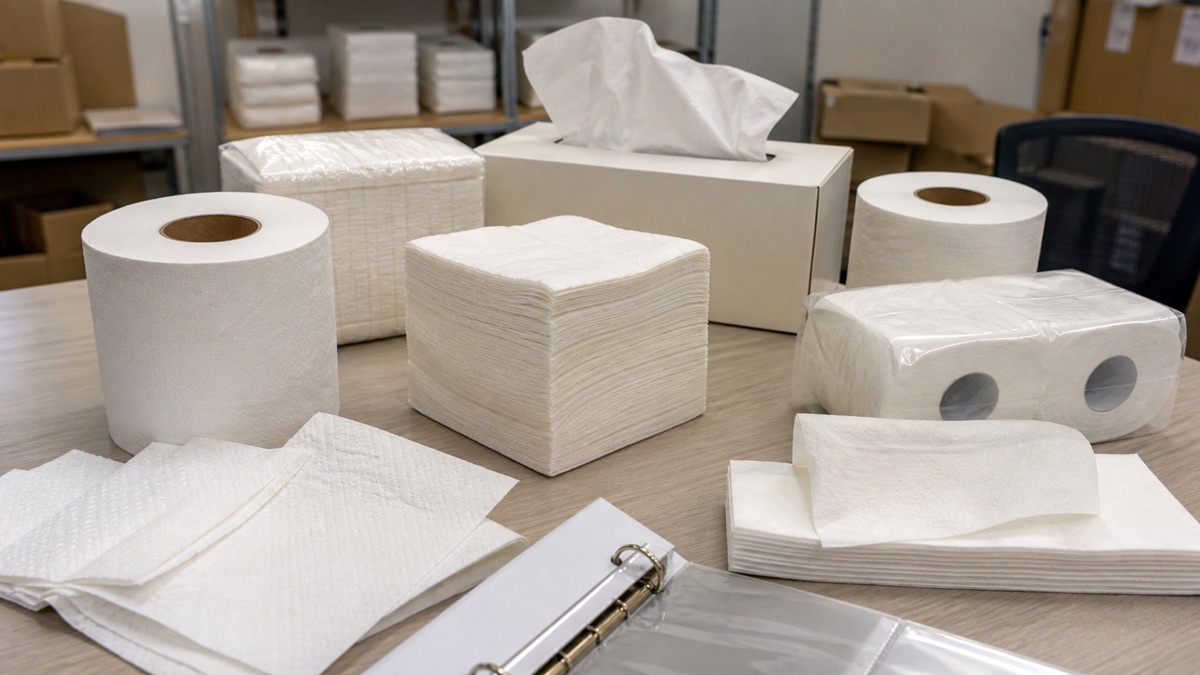
That matters because airlaid paper is used across several commercial categories. Public product and technology sources describe airlaid applications in napkins, tablecloths, wipes, hygiene and care products, food pads, and specialty packaging.
For this reason, buyers are rarely asking only, “Do you sell airlaid paper?”
What they really want to know is:
Can the material fit my application?
Can the quality stay stable across repeat orders?
Can the factory support my target market?
Can I rely on this supplier for long-term business?
What Airlaid Paper Is Used for in Commercial Markets
Airlaid paper stands out because it is positioned between traditional tissue-like materials and more fabric-like disposable materials. In commercial use, buyers often choose it when they need a balance of absorbency, softness, bulk, and presentation.
Airlaid Paper for Napkins and Table Settings
One of the best-known uses of airlaid paper is in premium napkins and disposable table products. Manufacturers and product suppliers describe airlaid as a material used for napkins and tablecloth-type products, especially where buyers want a more refined look and feel than standard tissue grades.
For distributors and wholesalers, this means the factory must be able to support not just bulk supply, but also appearance consistency and practical converting suitability.
Airlaid Paper for Wipes and Hygiene Applications
Airlaid is also widely associated with wipes, hygiene products, and care-related uses. Public sources describing airlaid technology and product formats list applications in personal care, medical and health-related uses, dry wipes, and absorbent hygiene categories.
That is important for B2B buyers because these applications usually require a more careful balance of softness, strength, and absorbent behavior.
Airlaid Paper for Food and Absorbent Packaging Uses
Another important area is absorbent food-related use. Technology sources and product pages identify food pads and specialty absorbent packaging among the applications for airlaid materials.
For North American buyers serving food channels, this means the sourcing decision should focus on performance fit, not only quotation.
What to Check Before Working with an Airlaid Paper Factory
Choosing the right factory is less about picking the cheapest source and more about checking whether the supplier fits your business model.
1. Material Performance and Absorbency
Airlaid paper is often selected because absorbency matters. But buyers should go further than asking whether the material is “absorbent.” The real question is whether it performs well for the intended use.
For example:
a napkin buyer may care about absorbency plus table presentation
a wipes buyer may care about liquid pickup and handling strength
a food absorbent buyer may care about structure and consistency
a hygiene-related buyer may care about softness and bulk
A good factory should be able to discuss these end-use differences clearly.
2. Softness, Strength, and Feel
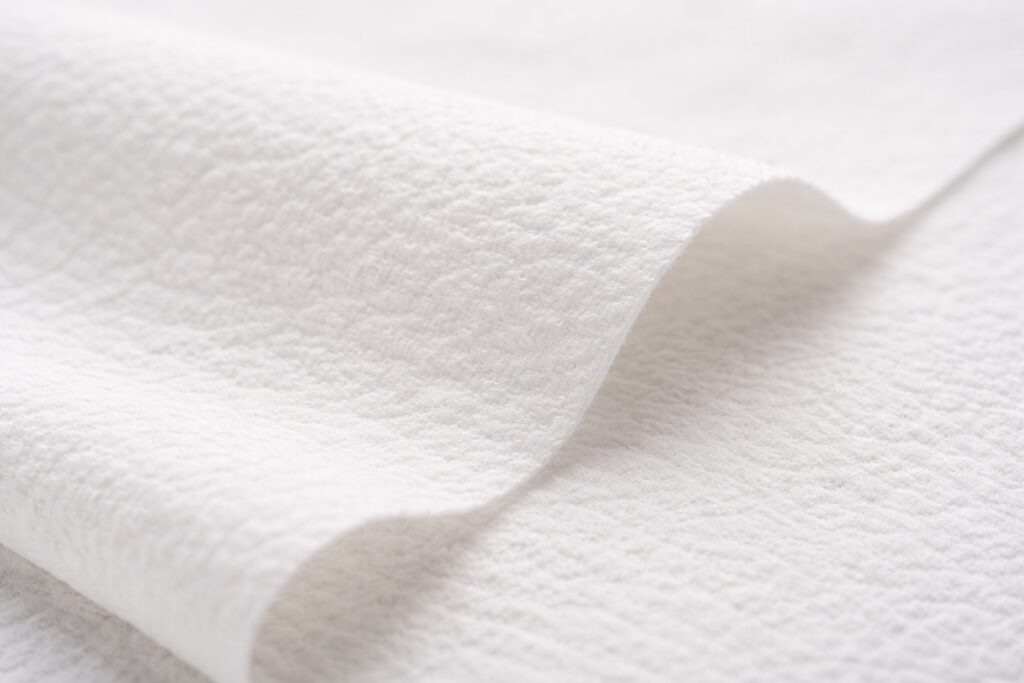
In many commercial categories, buyers want airlaid because it offers a more premium feel than standard tissue-style materials. Public descriptions of airlaid often emphasize softness, bulk, and cloth-like characteristics alongside absorbent performance.
That means a sourcing conversation should include more than just gsm. Buyers should also ask about:
touch and feel
dry strength
converting suitability
end-use presentation
consistency across production runs
3. Specification Flexibility
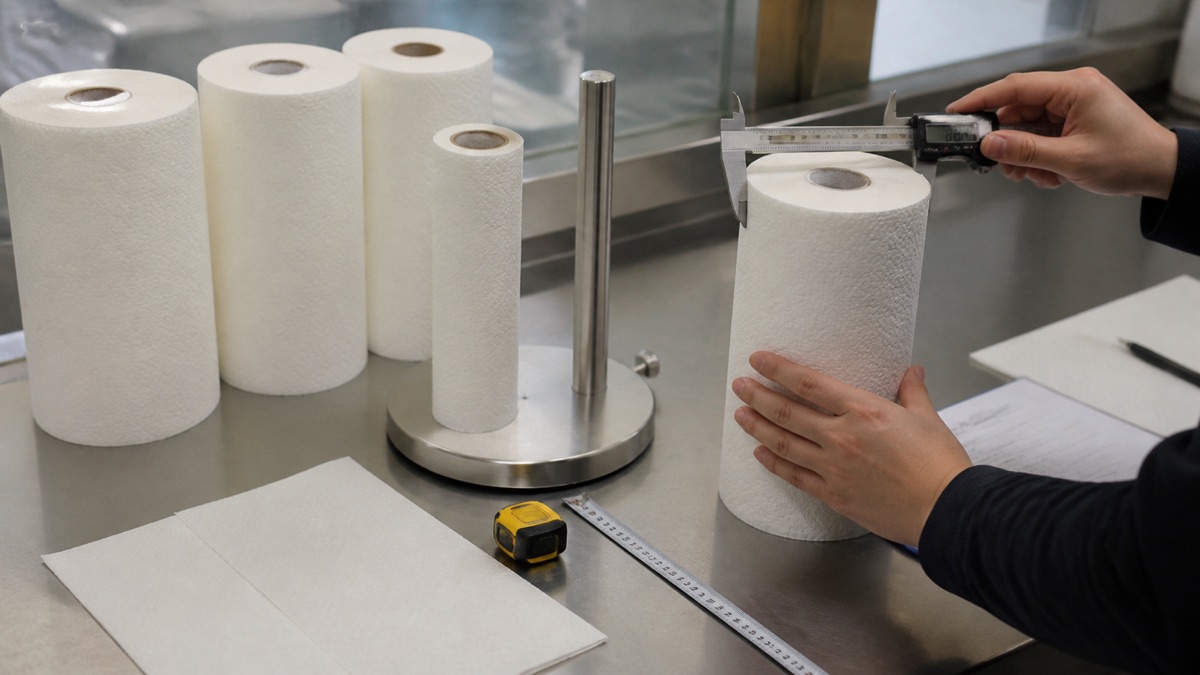
One reason many B2B buyers look for a direct airlaid paper factory is the need for better specification matching.
Depending on the application, buyers may need to discuss:
basis weight
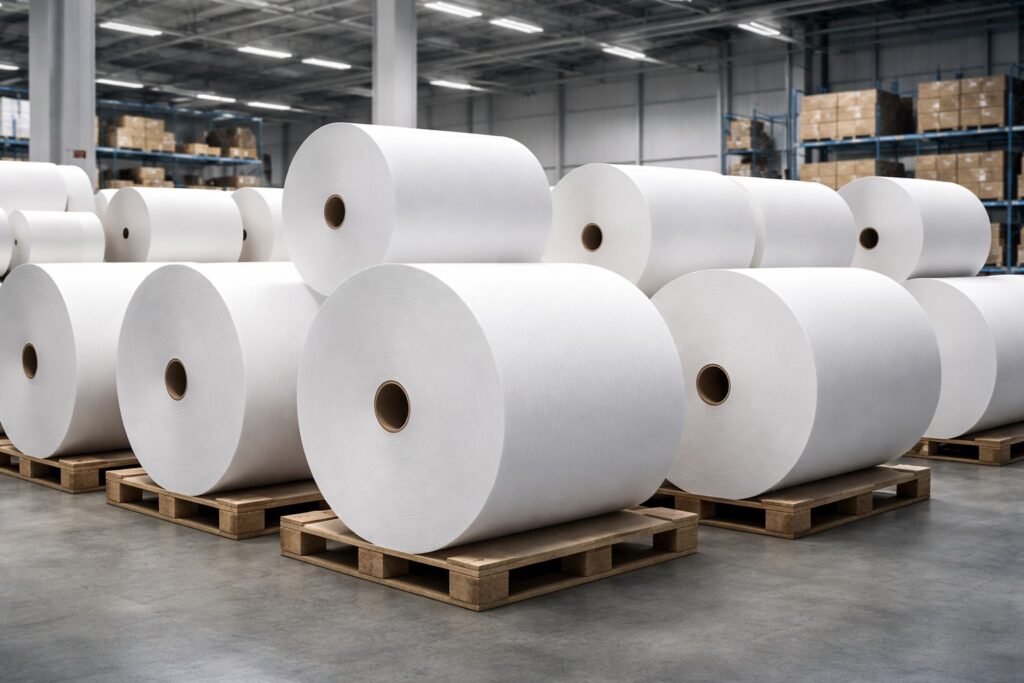
roll width
roll diameter
core size
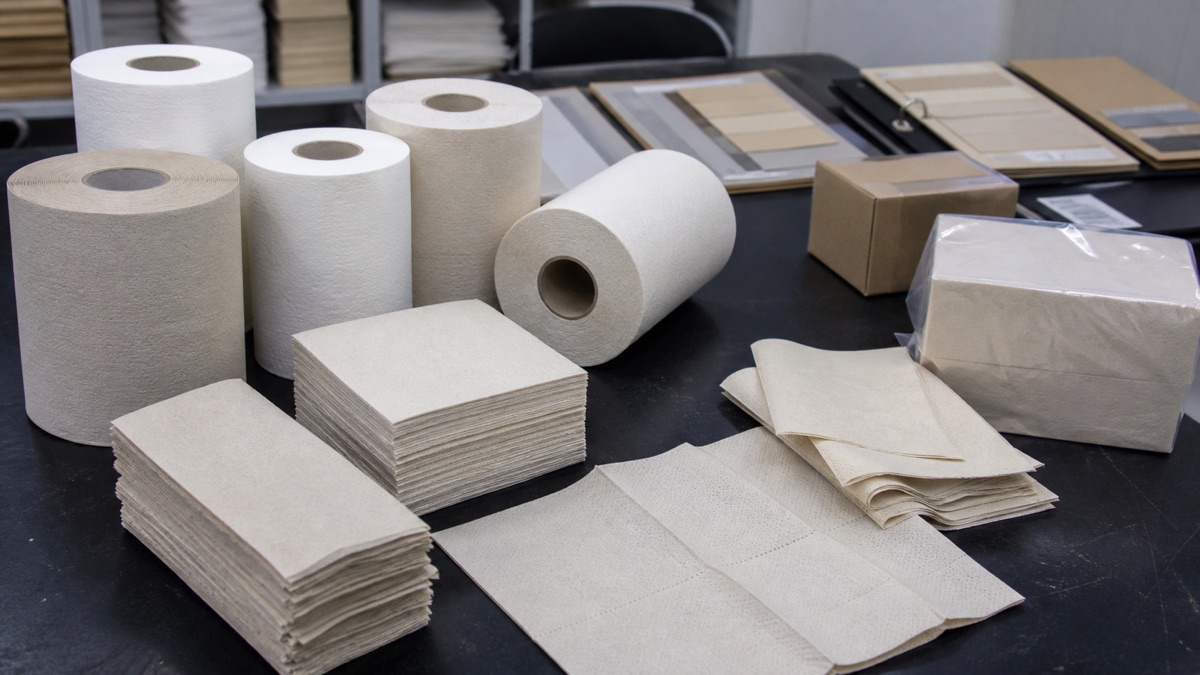
sheet format
converting suitability
end-use recommendations
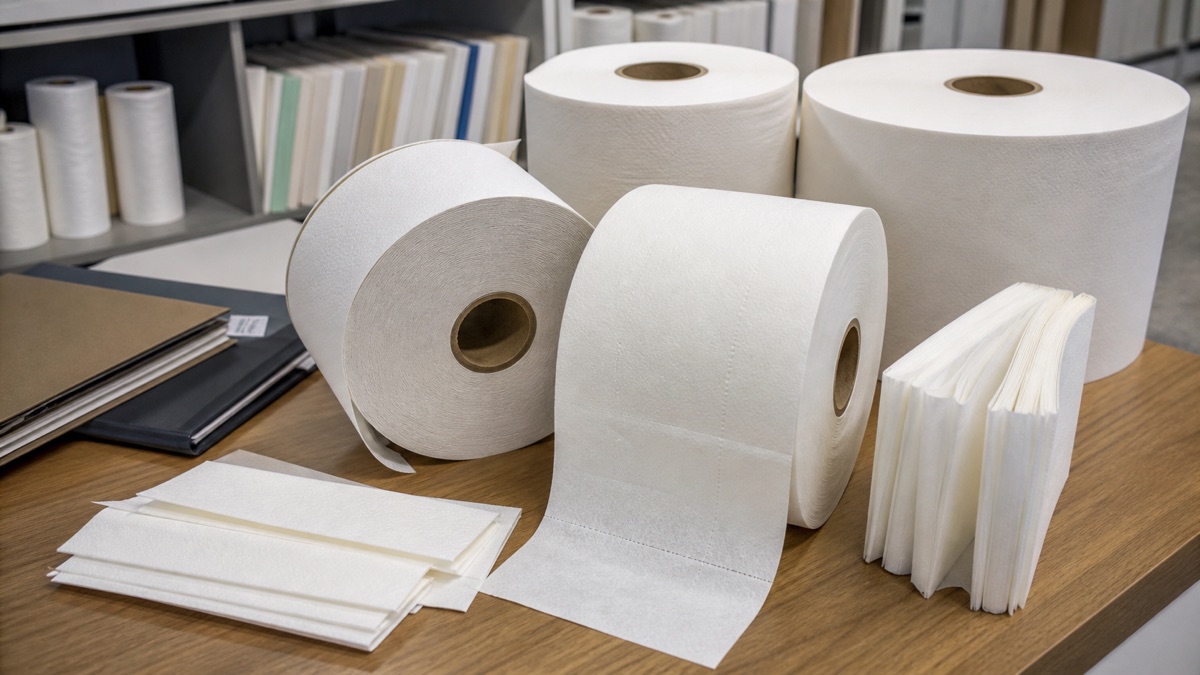
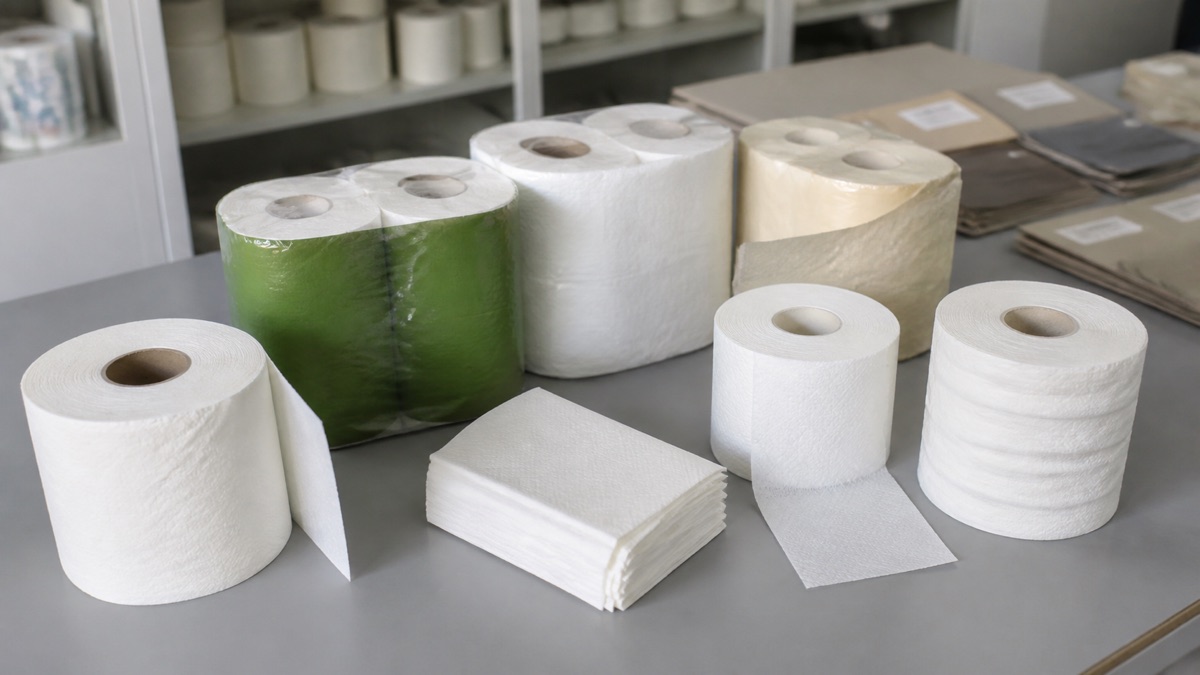
Public airlaid product listings show that these materials are offered in different widths, thicknesses, weights, and market applications rather than as one single standard format.
For this reason, the best factory is usually not the one with the longest product list, but the one that can match the right specification to the right commercial use.
4. Repeat-Order Consistency
This is one of the biggest B2B concerns.
A first order can look good on paper. But long-term business depends on whether the second, third, and fifth shipments still meet expectations. Suppliers, distributors, and wholesalers usually care more about repeat-order consistency than about a low first quote.
That is especially true when your downstream customers are:
hospitality buyers
private label distributors
converters
food service suppliers
hygiene product channels
If the material changes too much between batches, the business cost can be much higher than any savings from the first order.
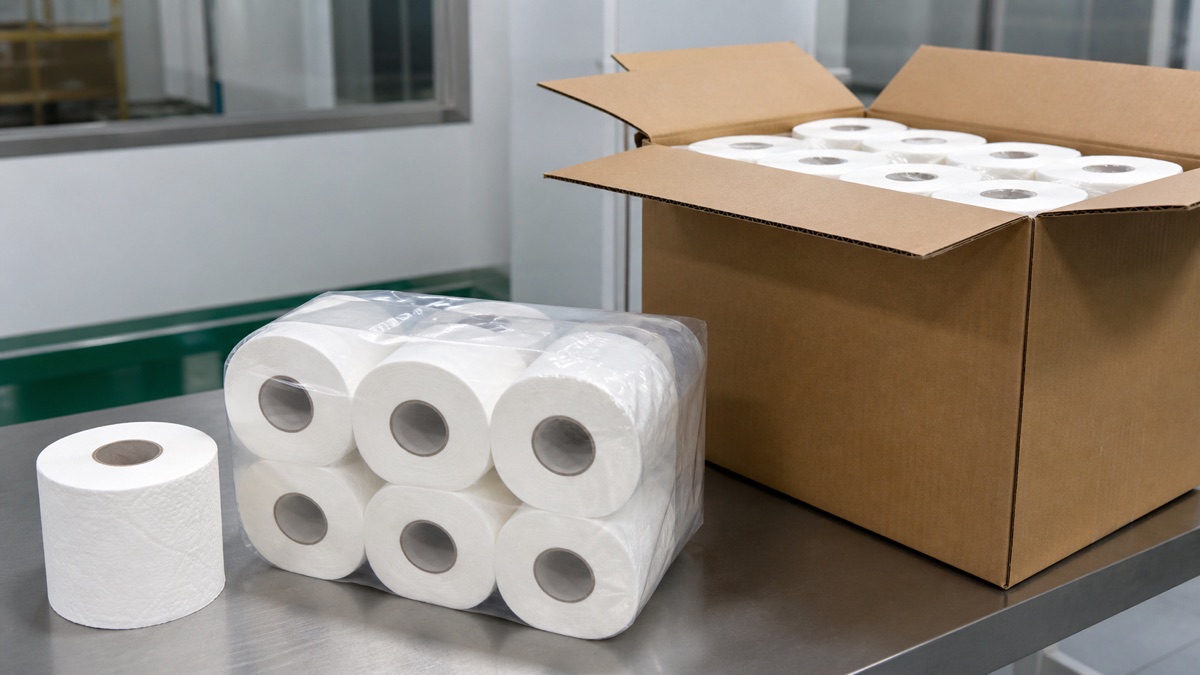
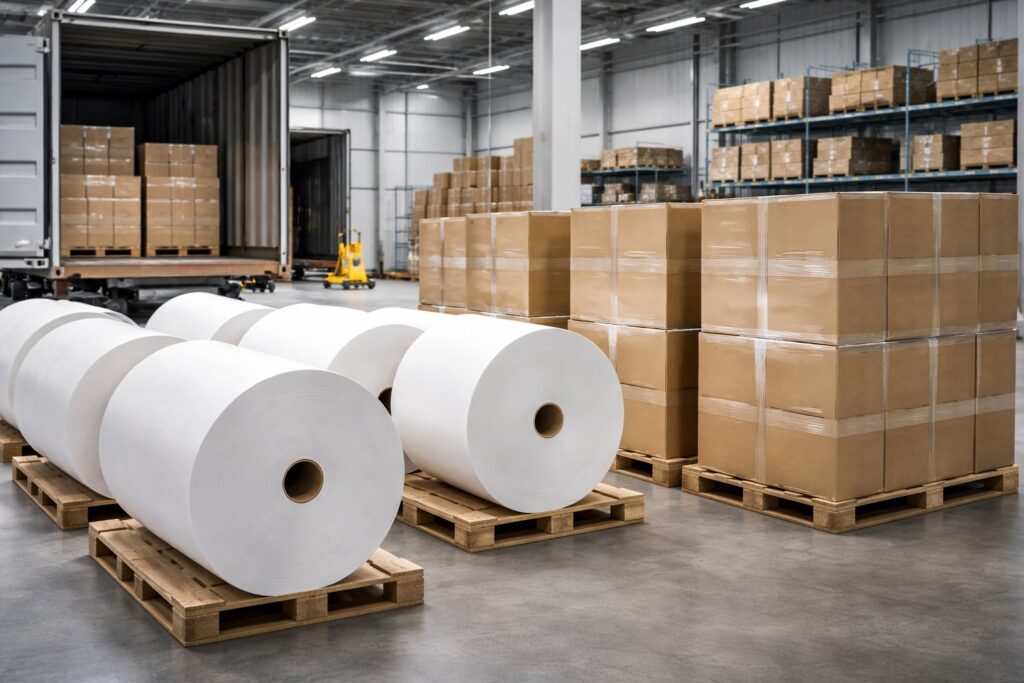
5. Export Packing and Shipment Readiness
North American importers and wholesalers should also check whether the factory understands export shipment requirements.
This includes:
roll protection
palletization or no-pallet loading options
carton strength where applicable
container loading logic
shipment document accuracy
communication speed when issues arise
A supplier that only focuses on production but not shipment execution may create avoidable delays later.
Why Factory Capability Matters More Than a Low First Quote
Many buyers start by comparing prices. That is normal. But in practice, price alone rarely determines the success of a sourcing program.
The real value of an airlaid paper factory comes from four things:
the material fits the intended application
specifications are matched correctly
repeat orders stay stable
shipments arrive with fewer surprises
For North American distributors and wholesalers, this matters even more because their customers often expect predictable quality and dependable supply.
A lower first quote may look attractive, but if the factory cannot hold quality, clarify specifications, or support repeat supply, the long-term cost may be much higher.
Questions Distributors and Wholesalers Should Ask Before Ordering
Before choosing a supplier, it helps to ask direct and practical questions.
Here are some of the most useful ones:
Application Fit
What end uses is this grade best suited for?
Is it more suitable for napkins, wipes, hygiene, or absorbent packaging?
Can you recommend a specification based on our market?
Technical Fit
What gsm range is available?
What roll widths and formats can you produce?
How stable is the material across repeat runs?
What performance differences exist between the grades you offer?
Supply Fit
What is the usual lead time?
Can you support long-term repeat orders?
How do you handle export packing?
What information do you need for a faster quotation?
The goal is not just to collect answers. The goal is to see whether the factory can communicate like a real supply partner.
How Sansheng Supports Airlaid Paper Supply for B2B Buyers
At Sansheng, we understand that B2B buyers are not simply comparing quotations. They are comparing supply reliability, communication efficiency, and long-term business value.
We support airlaid paper projects for suppliers, distributors, and wholesalers who need:
practical specification matching
stable bulk supply
export-ready shipment support
responsive quotation communication
a factory that understands commercial applications
Instead of pushing one standard product for every project, we focus on helping buyers identify a more suitable airlaid paper solution based on their market, application, and purchasing plan.
Why This Matters for North America
North American buyers often need a supplier that can support more than production alone. They need a partner that can support product fit, communication speed, and repeat-order planning.
In this market, buyers often evaluate suppliers based on:
quality consistency
response efficiency
product suitability
shipment reliability
ability to support long-term business
That is why choosing the right airlaid paper factory should be treated as a supply strategy decision, not just a quotation exercise.
Conclusion: Choose an Airlaid Paper Factory That Fits Your Market
The right airlaid paper factory should offer more than availability. It should offer fit.
For North American suppliers, distributors, and wholesalers, the best factory partner is one that can support:
stable absorbency and material performance
suitable softness and strength
flexible specifications
repeat-order consistency
export-ready supply
If you are sourcing airlaid paper for commercial use, taking time to compare factory capability now can help you avoid quality problems, communication delays, and supply instability later.
Frequently Asked Questions
What does an airlaid paper factory produce?
An airlaid paper factory produces airlaid material used in commercial applications such as napkins, table products, wipes, hygiene uses, food pads, and specialty absorbent packaging.
Why do North American buyers search for an airlaid paper factory?
They usually want better control over specifications, direct factory communication, repeat-order consistency, and long-term supply planning.
Is airlaid paper used for napkins and wipes?
Yes. Public product and technology sources list napkins, tablecloths, wipes, hygiene, and absorbent applications among common airlaid uses.
What should wholesalers check before ordering airlaid paper?
They should check application fit, absorbency, softness, strength, specification flexibility, export packing, and repeat-order consistency.
Is price the most important factor when choosing an airlaid paper factory?
Usually no. For distributors and wholesalers, long-term quality stability and supply reliability are often more important than the lowest first quote.
Request a Quote for Airlaid Paper
Looking for a trusted airlaid paper factory for North America?
Send us your requirements, and we can help you match a suitable airlaid paper solution for your market and application.
For a faster quotation, send:
application type
target market
required gsm
roll width or format
estimated quantity
destination port
Get Airlaid Paper Quote
Send Your Specs
Request Bulk Supply Options
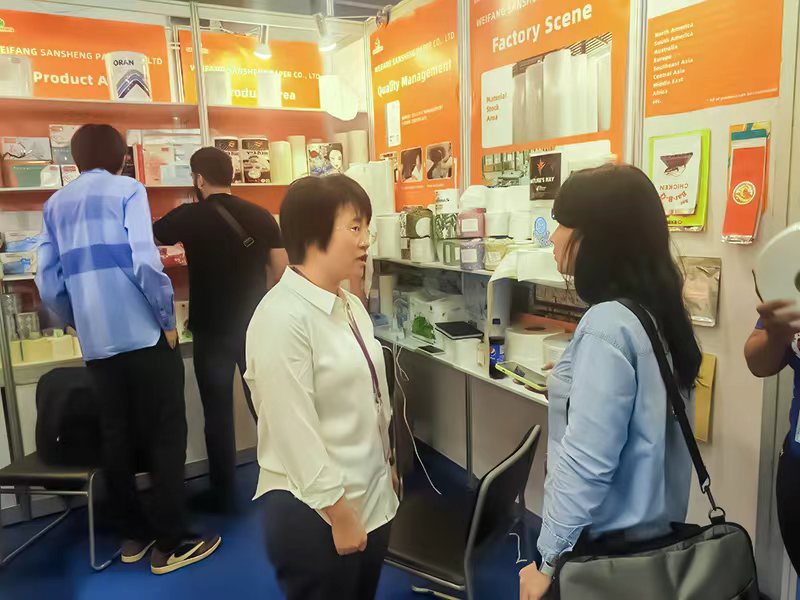
Sales Manager at Sansheng Paper · 20+ years in tissue paper OEM & bulk export · LinkedIn