B2B procurement · Buyer guide
An exam table paper roll supplier should check tear-line dust on the finished perforated roll using a defined holder and pull direction. Separate visible loose fibers created by tearing from the force needed to tear the line and from lint released during general use. Record the roll ID, number of tears and condition of the table surface before setting an acceptance rule.
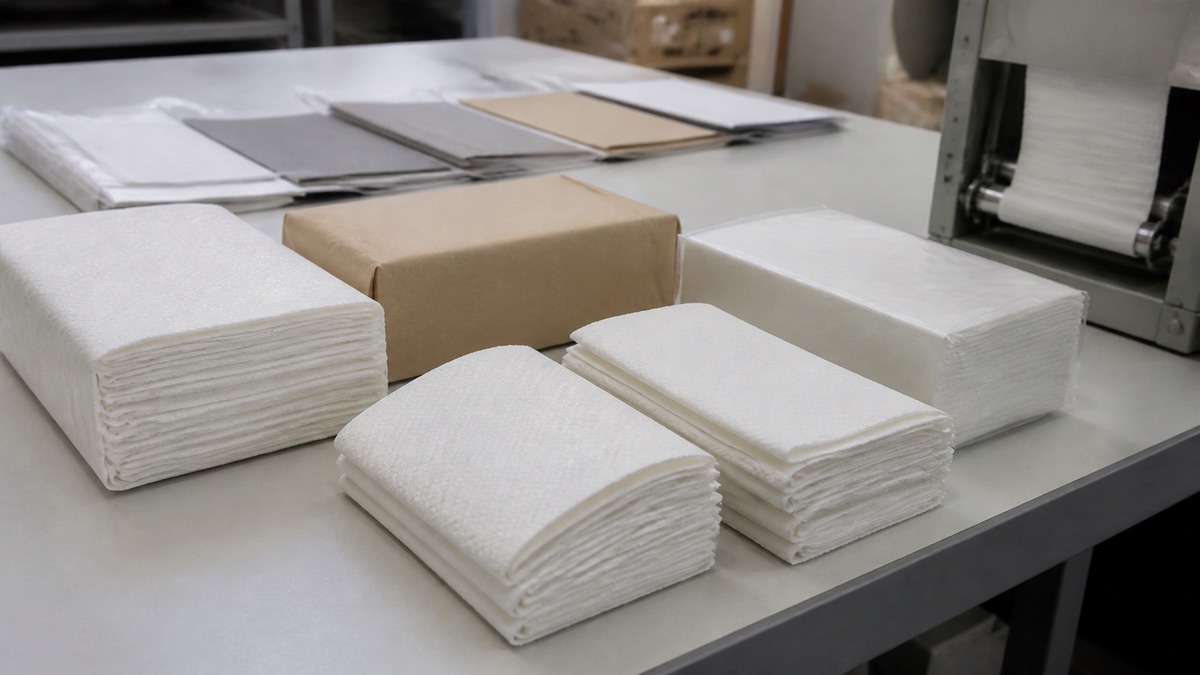
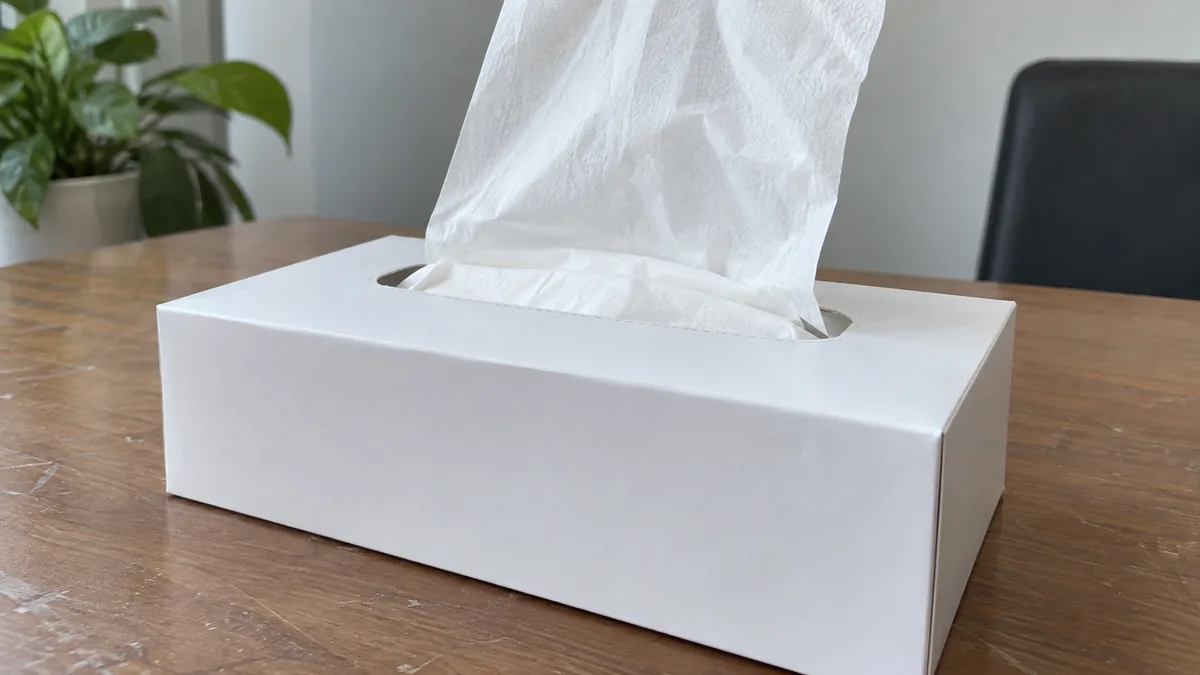
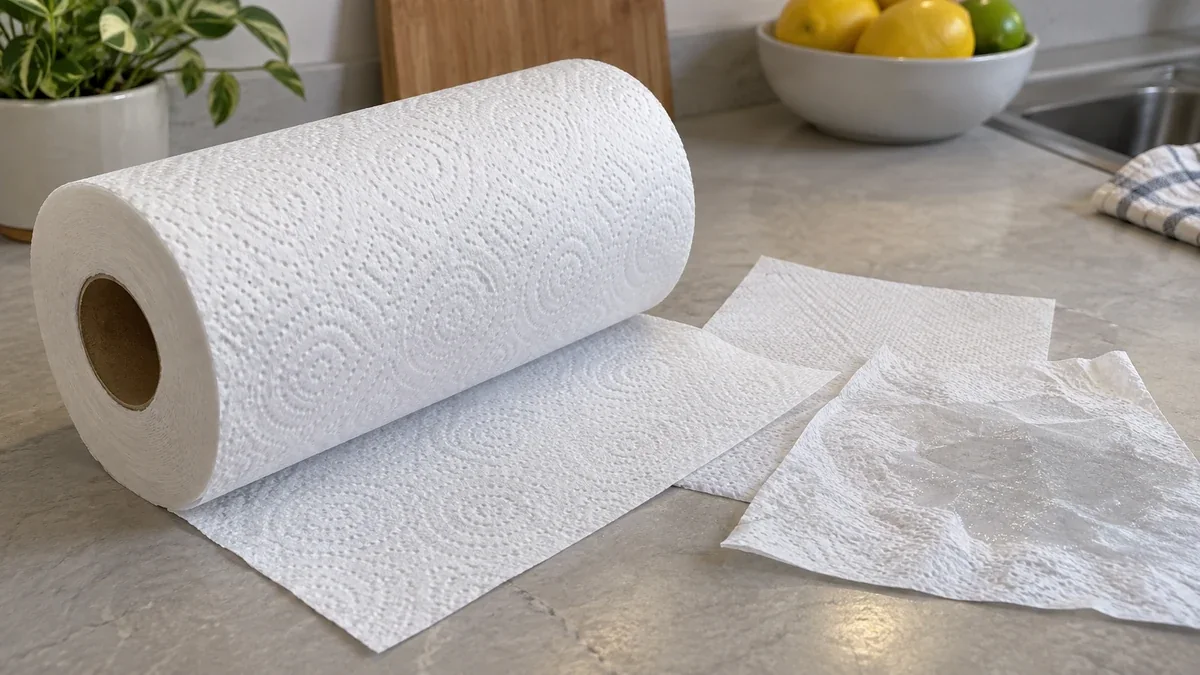
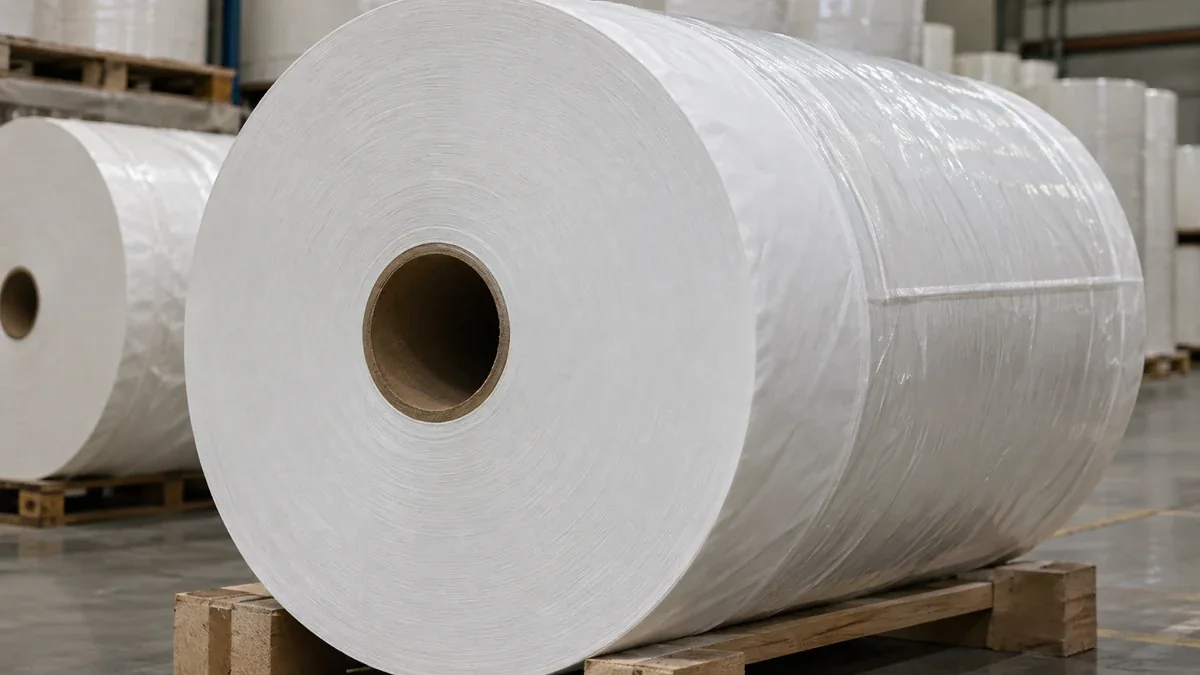
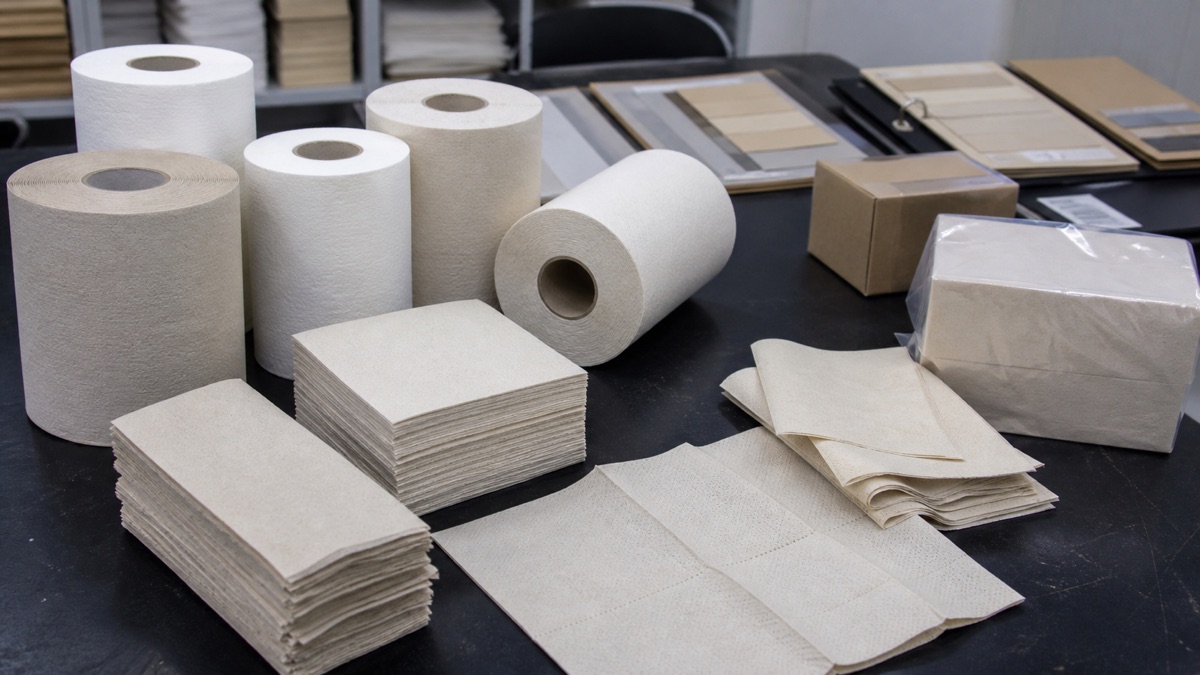
This is a usability and cleanliness inspection plan, not a sterility, infection-control or medical-device claim. The illustrations do not show a Sansheng dust measurement or a clinic validation.
Send the exact SKU, destination and specification you need reviewed.
Reusable procurement data
Direct answer
An exam table paper roll supplier should check tear-line dust on the finished perforated roll using a defined holder and pull direction. Separate visible loose fibers created by tearing from the force needed to tear the line and from lint released during general use. Record the roll ID, number of tears and condition of the table surface before setting an acceptance rule.
Identify the construction and use case
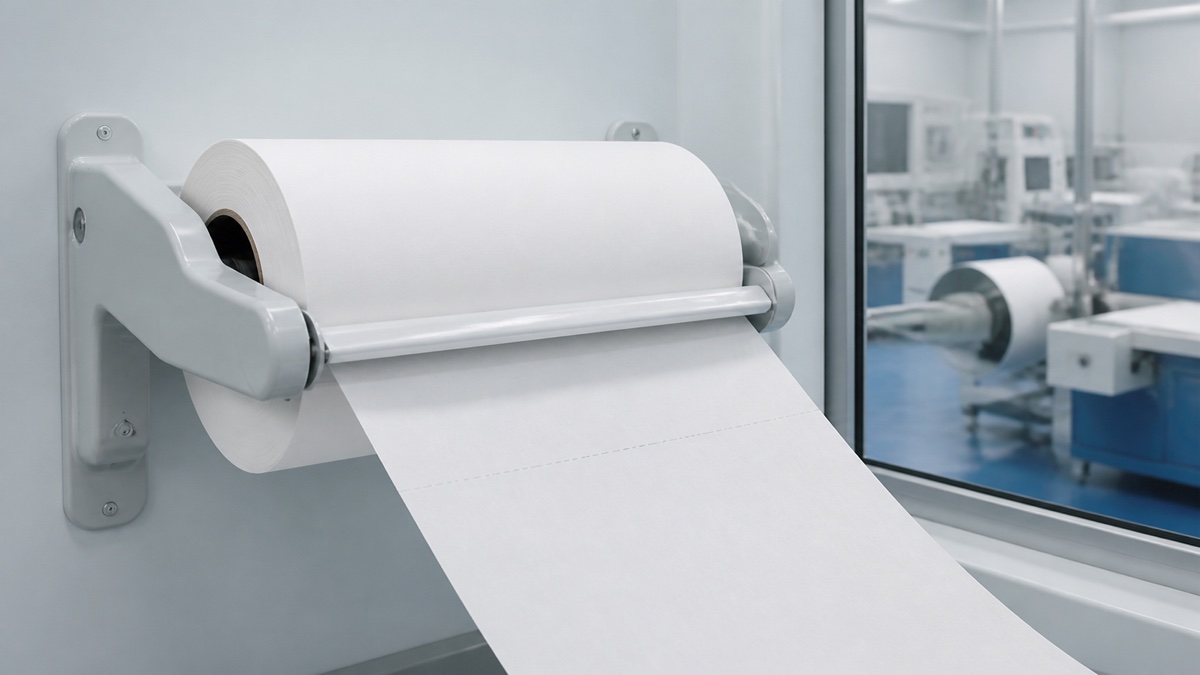
Tell the exam table paper roll supplier which roll construction is proposed: plain tissue, laminated or another confirmed material. Record sheet width, perforation pitch, ply, core and intended holder. A different material can tear and shed differently. The buyer should choose a product based on the clinic’s actual handling and destination-market requirements, not from a product name alone.
Inspect the unused roll and table surface before the trial. If the starting area already has loose fibers, photograph and classify them separately. Keep the control surface and lighting consistent so a later image of dust can be interpreted rather than merely admired or dismissed.
Run a repeatable tear-line observation
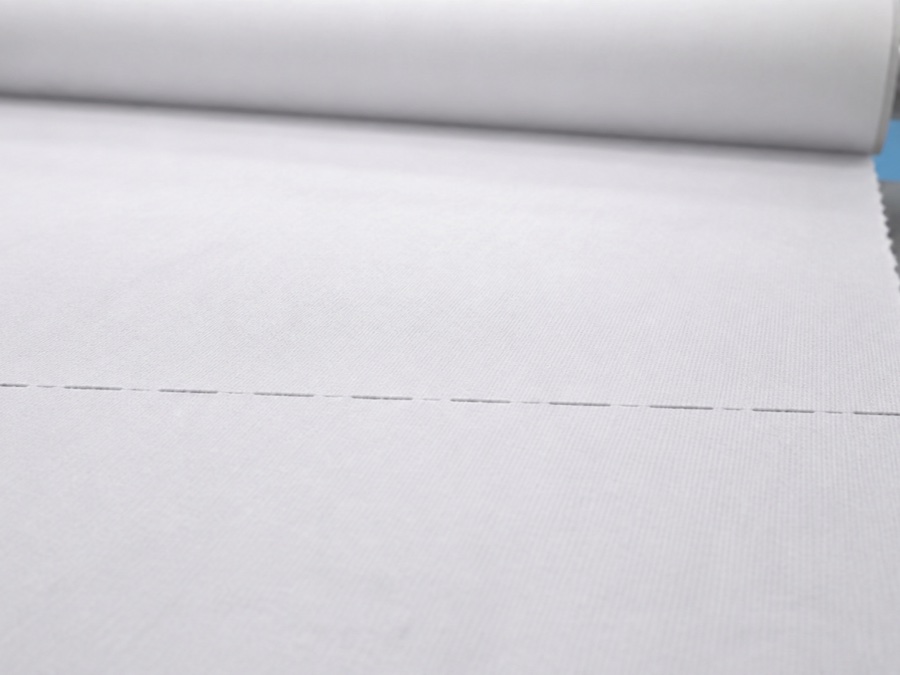
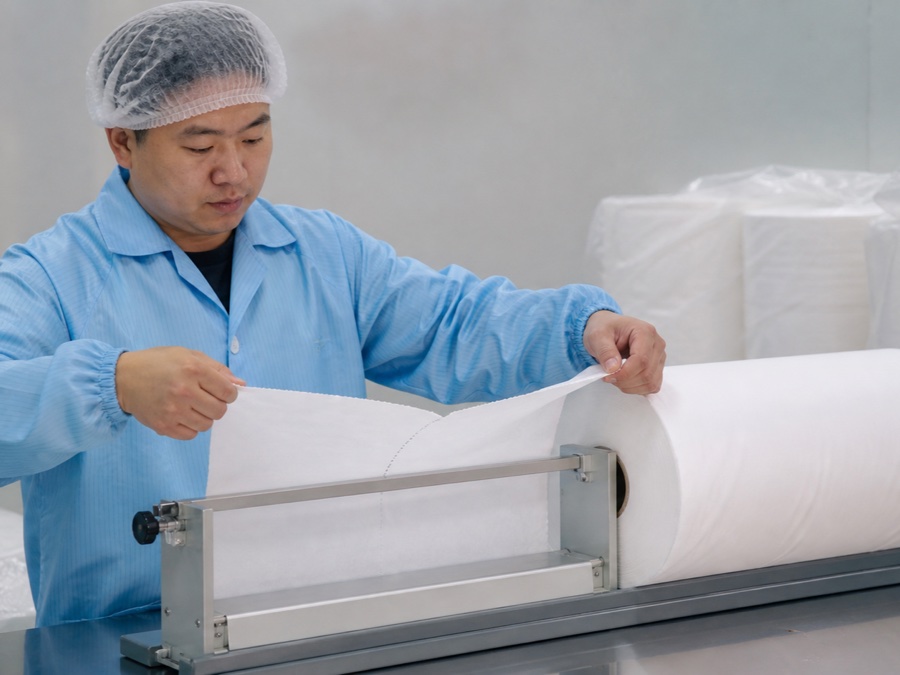
Mount the finished roll in the intended holder. Pull and separate consecutive sheets at the perforation using an agreed direction and pace, and count visible fibers on a clean contrasting surface. Note partial tears, ragged edges and any paper strip left attached. The exam table paper roll supplier should retain an acceptable control roll beside the test sample.
Record whether visible fibers come from the cross-direction perforation or from sheet edges produced by slitting. Test several identified rolls, not only the neatest sample. An inspector can use a defined visual scale if the buyer and supplier approve it beforehand; this guide does not set a universal dust count.
Keep dust, tear force and lint separate
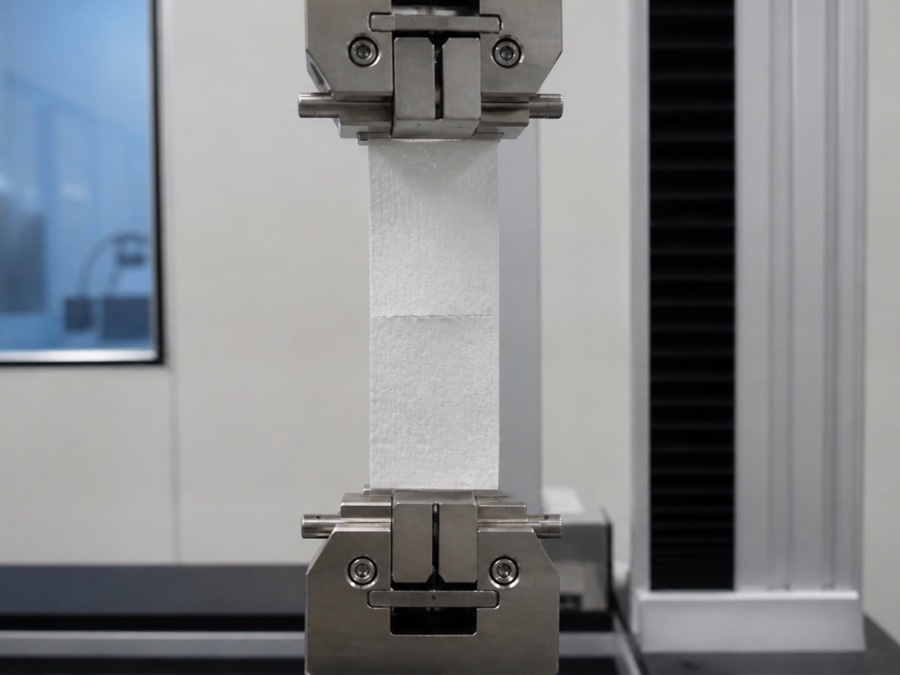
ISO 12625-12:2023 describes a method for tensile strength of perforated tissue lines and calculation of perforation efficiency. It does not measure dust generation at a clinic table. The exam table paper roll supplier may provide a tear-force report, but the buyer still needs a visible-fiber observation under its use conditions.
Lint released while wiping or handling a full sheet is a different question. If a trial creates many fibers, check perforation die condition, paper construction and tearing geometry before blaming a single raw-material property. A stronger line is not automatically cleaner; it may simply require a harder pull.
Approve a receiving check and claim boundary
Write the sample count, holder type, pull direction, surface and defect description into the purchase specification. Keep representative photos and the signed control roll. If the destination buyer has a controlled clinical environment, its own technical and regulatory staff must decide whether this disposable paper is appropriate.
On repeat orders, inspect the same construction after changes in perforation tooling, slit edge or core. The exam table paper roll supplier should alert the importer when those inputs change. Do not describe a low-dust observation as sterile, antimicrobial or medically approved.
Buyer comparison record
| Check | Record | Buyer purpose |
|---|---|---|
| Product | Construction, core and holder | Use the right finished roll |
| Baseline | Clean surface and unpulled roll | Separate pre-existing fibers |
| Trial | Defined pulls and tear direction | Compare observations |
| Outcome | Tear-line fibers, ragged edge and force | Avoid mixing failure modes |
What should buyers ask the exam table paper roll supplier?
- Exam-roll construction, dimensions and perforation pitch
- Actual table or holder model
- Defined tear-line dust observation plan
- Signed control roll and defect photographs
- Destination-market claim review owner
Send the exam table paper roll supplier your intended use, destination and required acceptance decision.
Exam Couch Roll Manufacturer: How to Set Perforation Tear Force?
Exam Table Paper Roll Manufacturer: How to Specify Wet Strength
Questions buyers also ask
Does a perforation tear-force report measure dust?
No. It measures a mechanical property; visible fibers at the tear line need a separate observation.
Does a cleaner tear prove sterility?
No. Sterility and medical-device claims need independent regulatory and product evidence.
Why test in the intended holder?
Holder geometry and pull direction can change how a perforation separates in actual use.
Sources and scope notes
- ISO 12625-12:2023 Supports: Published method for tensile strength of tissue perforated lines and perforation efficiency. Limit: Does not measure tear-line dust or establish clinical suitability.
Source scope checked October 15, 2026. Illustrative images do not document a Sansheng test, certified SKU or customer order.
Request an identified sample review
Send the exam table paper roll supplier your SKU, approved sample, buying destination and required evidence. That makes it possible to identify the documentation still needed before a quote or release decision.
Sales Manager at Sansheng Paper · 20+ years in tissue paper OEM & bulk export · LinkedIn