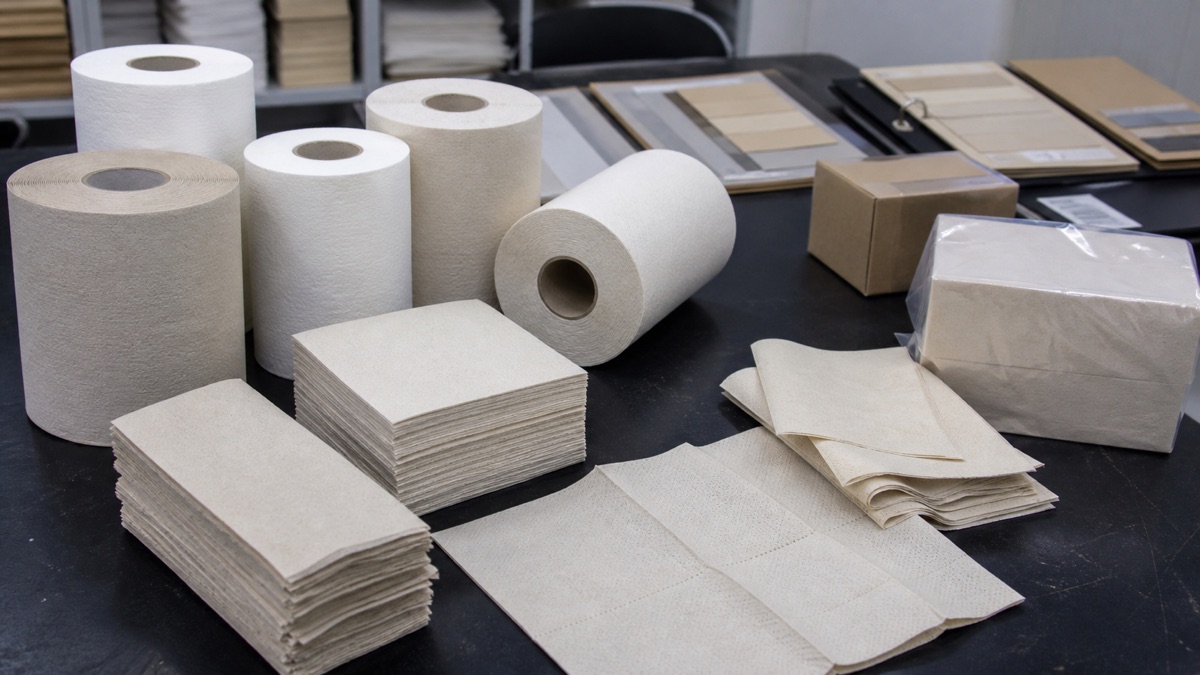
B2B procurement · Buyer guide
A pocket tissue supplier should make each saleable mini-pack traceable to its bundle, export carton and production record. Approve where each code appears, what it means and how it can be read after normal handling. Then select unopened cartons from different pallet positions and reconcile the codes against the packing list and retained lot record. A barcode scan alone does not establish that the physical pack belongs to the coded lot.
This is a buyer traceability check for coded pocket tissue packs. Some programs use a pack code, others only a bundle or carton code; the buyer must define the required level before artwork approval. No Sansheng lot or recall trial is claimed.
Send the exact SKU, destination and specification you need reviewed.
Reusable procurement data
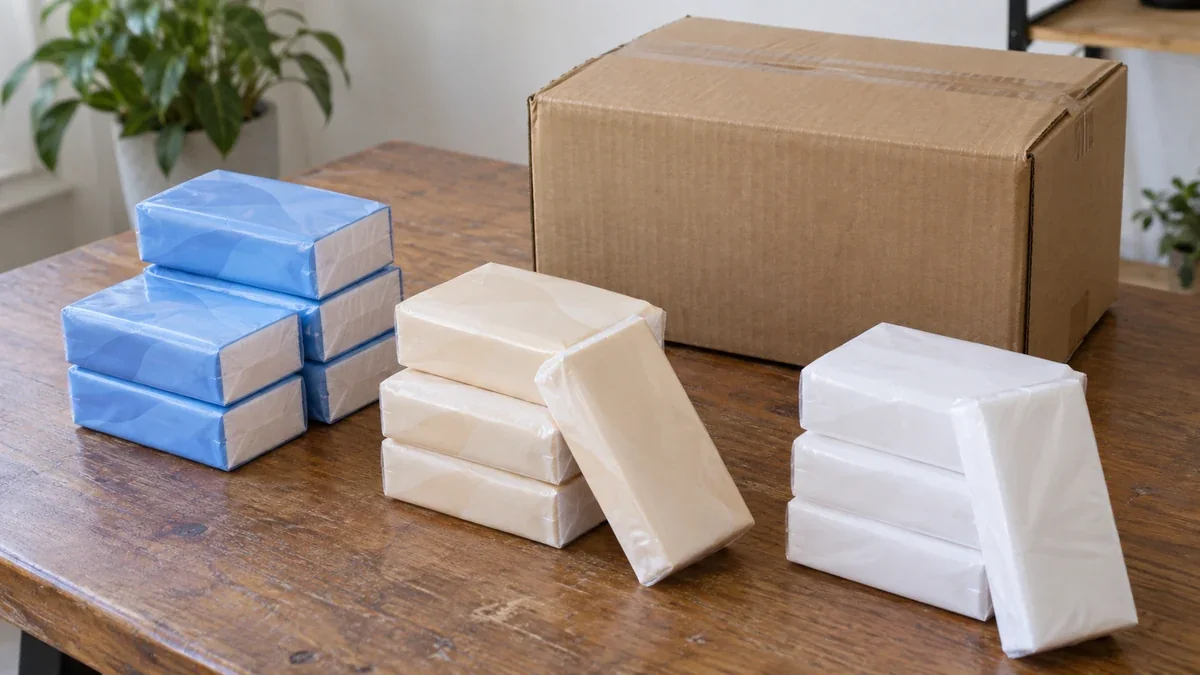
Direct answer
A pocket tissue supplier should make each saleable mini-pack traceable to its bundle, export carton and production record. Approve where each code appears, what it means and how it can be read after normal handling. Then select unopened cartons from different pallet positions and reconcile the codes against the packing list and retained lot record. A barcode scan alone does not establish that the physical pack belongs to the coded lot.
Define the unit that must be traceable
Start with the complaint path. If a consumer sends a photo of one mini-pack, can the pocket tissue supplier identify its manufacturing batch without the outer carton? If the answer matters to your retailer, specify a readable pack-level code. If your channel never separates bundles, a bundle code may serve a different agreed need. Do not mix those two promises in the purchase order.
Write a code map for pack, bundle and master carton. The pocket tissue supplier should say which fields are repeated, which are derived and which point to the production record. The GS1 Global Traceability Standard distinguishes trade-item identification by GTIN from batch-level identification by GTIN plus lot number. Save the approved artwork and code format together so a later print change cannot silently remove a traceability field.
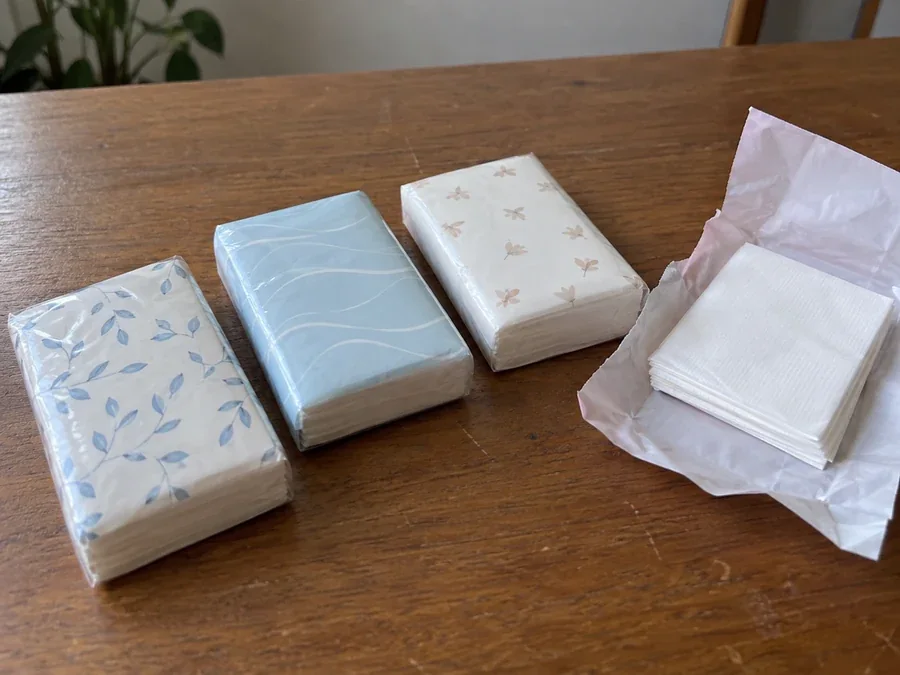
Check position and legibility on the finished pack
Put the code where the sealing jaw, fold, label or retail price sticker will not obscure it. Ask the pocket tissue supplier for a sealed, production-intent sample, then inspect the code after opening a bundle and after ordinary carton handling. Assess legibility under the lighting and reading method your warehouse actually uses.
Record failure types separately: missing code, wrong code, smudged characters, poor contrast, code on the seal, and a code that can be read on the carton but not on the mini-pack. If machine reading is required, validate the exact symbol and scanner workflow; a human-readable batch string and a retail barcode answer different questions.
Reconcile physical packs with records
Sample cartons from more than one pallet position and at least two points in the packing run. Photograph each selected carton label before opening it. Then record bundle and mini-pack codes and compare them with the supplier’s production and packing record. This is a reconciliation exercise, not a visual approval of attractive print.
A mixed-SKU shipment needs an additional check: one carton should not carry the code or product revision of another retail pack. The pocket tissue supplier should explain how rework, repacking or a partly used carton is identified. A code that exists in a spreadsheet but cannot be linked to the physical case will be difficult to use in a complaint.
Set a practical hold and change rule
Agree what happens when a sample code cannot be reconciled. Is the affected carton isolated, the packing shift investigated or the entire lot held until the mapping is restored? Put the decision owner and record retention period in the quality agreement. Avoid inventing a universal sampling rate; choose one for the order size and retailer requirement.
Recheck the map when artwork, pack count, coding equipment, bundle configuration or carton label changes. A pocket tissue supplier may change a print position without changing the paper, yet that change can remove the buyer’s only lot identifier. Keep a signed pack and carton from the approved revision.
Buyer comparison record
| Check | Record | Buyer purpose |
|---|---|---|
| Mini-pack | Readable lot field and position | Start a complaint from one retail unit |
| Bundle | Bundle identity and contained packs | Catch mixed packs before carton close |
| Carton | SKU, quantity and linked lot | Check warehouse receipt and pallet pick |
| Record | Production and packing-log reference | Retrieve the affected batch |
What should buyers ask the pocket tissue supplier?
- Required traceability level: pack, bundle, carton or all three
- Code format, placement and human or machine reading method
- Approved artwork, SKU revision and packing configuration
- Sampling and pack-to-carton reconciliation record
- Hold, rework, complaint and record-retention rules
Send the pocket tissue supplier your intended use, destination and required acceptance decision.
Private Label Pocket Tissue: Which Pack Tests Prevent Seal and Count Complaints?
Questions buyers also ask
Can a retail barcode replace a lot code?
No. A product barcode identifies the trade item; a batch field is needed when the buyer must identify a production lot.
Must every mini-pack carry a code?
That depends on the retailer and complaint path. Write the required traceability level into the approved specification.
When should code mapping be retested?
Retest after changes to artwork, coding equipment, bundle count or carton labels, and when a complaint reveals an unreadable code.
Sources and scope notes
- GS1 Global Traceability Standard Supports: Separates GTIN item identification from GTIN plus batch/lot-level identification. Limit: Does not prescribe the coding layout for this pocket tissue SKU.
- Sansheng pocket tissue product page Supports: Identifies mini-pack, OEM and export-carton product formats. Limit: Does not prove a particular code format or a completed lot reconciliation.
Source scope checked October 18, 2026. Illustrative images do not document a Sansheng test, certified SKU or customer order.
Request an identified sample review
Send the pocket tissue supplier your SKU, approved sample, buying destination and required evidence. That makes it possible to identify the documentation still needed before a quote or release decision.

Sales Manager at Sansheng Paper · 20+ years in tissue paper OEM & bulk export · LinkedIn