B2B procurement · Buyer guide
An airlaid paper supplier should set a pinhole limit against the finished napkin use and the converter line, then inspect identified airlaid parent-roll samples under one repeatable lighting and viewing method. Record the number, size and position of openings separately from slits, thin spots and edge damage. A visual defect count is meaningful only when the inspected area and acceptance rule are stated.
This is a buyer-defined visual inspection and converting plan. It does not claim an ISO pinhole threshold or report a Sansheng roll result.
Send the exact SKU, buying destination and inspection question you need reviewed.
Reusable procurement data
Direct answer
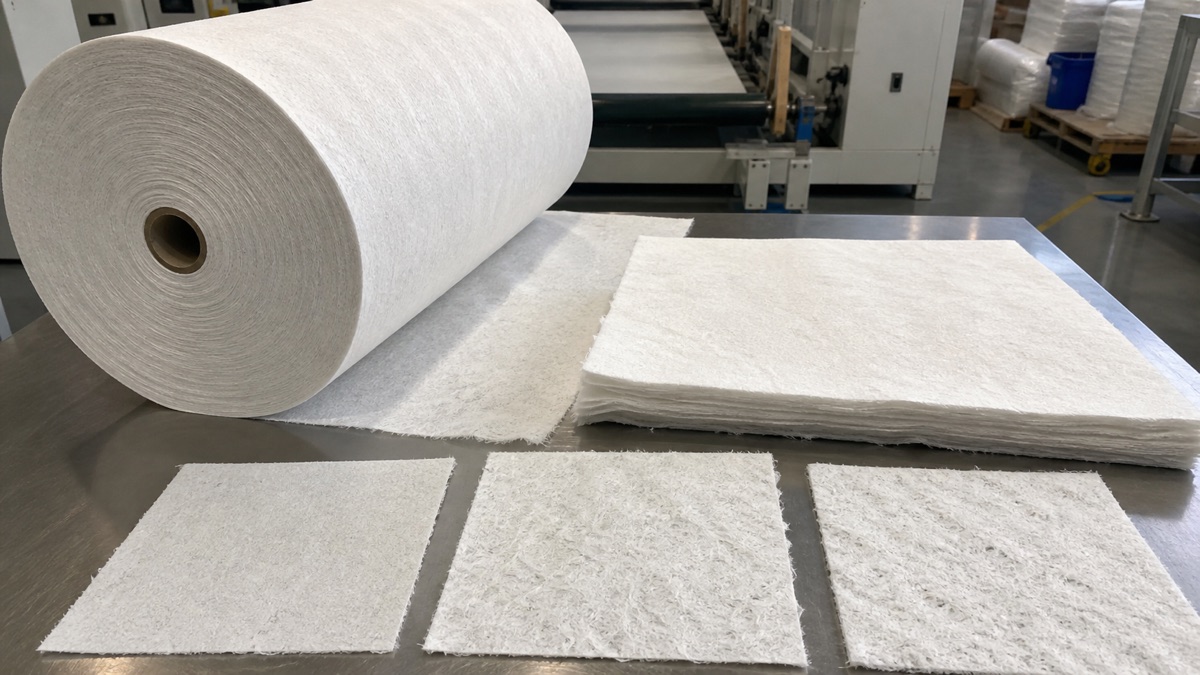
An airlaid paper supplier should set a pinhole limit against the finished napkin use and the converter line, then inspect identified airlaid parent-roll samples under one repeatable lighting and viewing method. Record the number, size and position of openings separately from slits, thin spots and edge damage. A visual defect count is meaningful only when the inspected area and acceptance rule are stated.
Define what counts as a pinhole
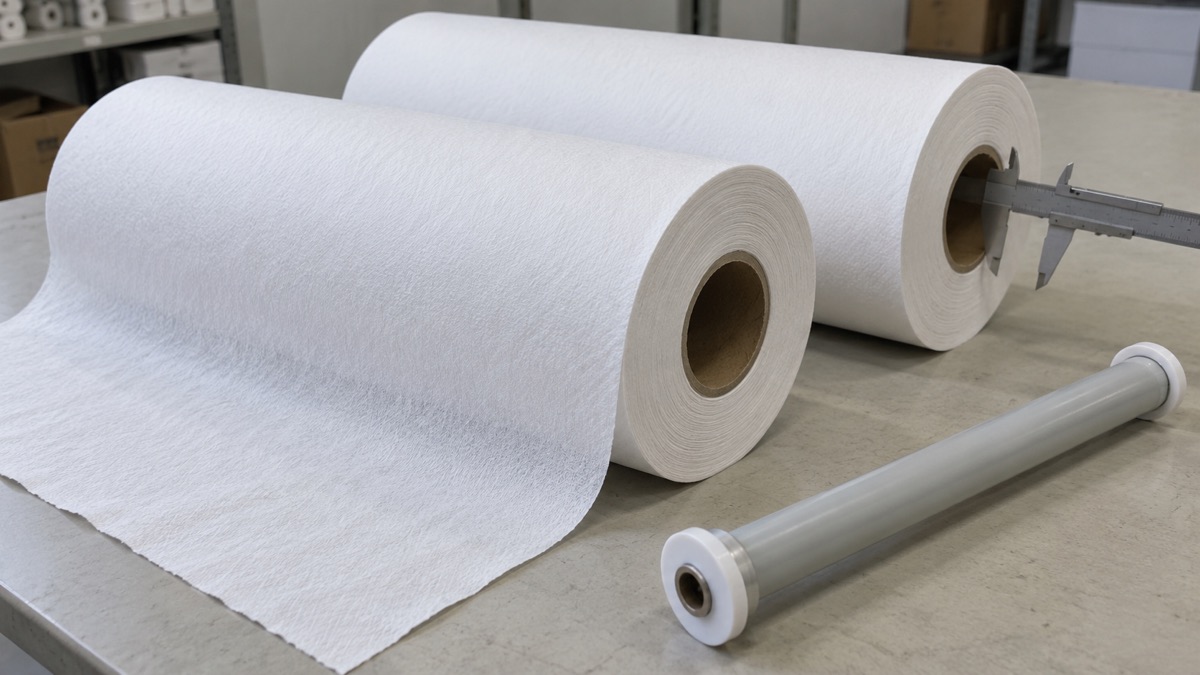
Ask the airlaid paper supplier for roll grade, basis weight, width, binder system, intended print and finished napkin format. Agree whether a pinhole means a complete opening through the web; distinguish it from a translucent thin area, loose fiber, slit or contamination. TAPPI terminology lists holes and web defects, but that source does not assign an airlaid napkin pass level. Record an example image and the minimum opening visible under the agreed inspection setup before collecting counts.
Sample across width and roll depth
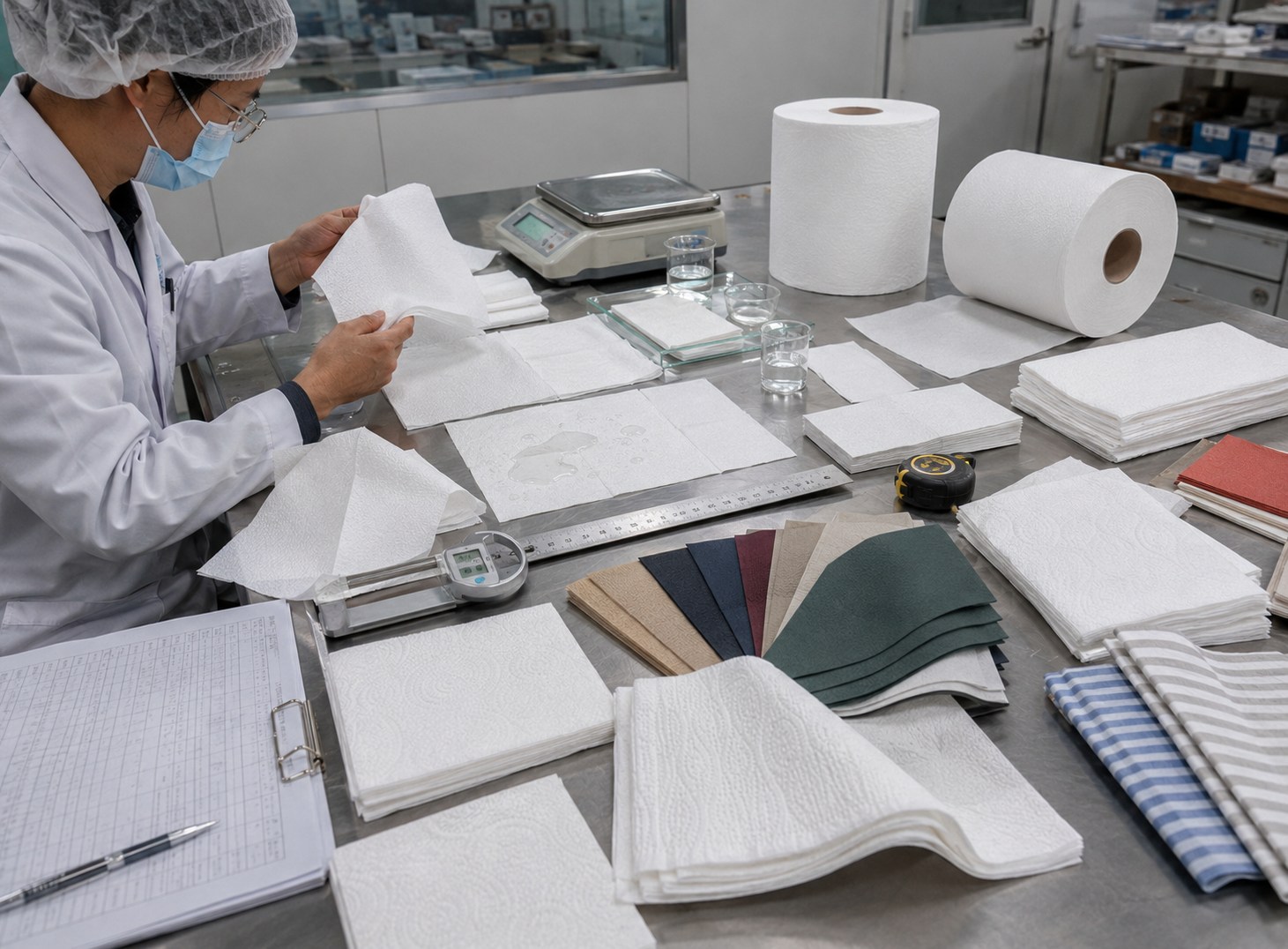
Take samples from identified roll positions, including near both edges and the center, and from outer and deeper layers when feasible. Specify inspected area, backing color, light direction, viewing distance and whether a magnifier is used. Photograph any opening beside a scale and mark its location on a roll map. One clean top layer cannot represent a full parent roll. Keep roll IDs, splices and handling damage separate so a converter can trace a recurring defect to the web rather than a cutting step.
Connect defects to converting and use
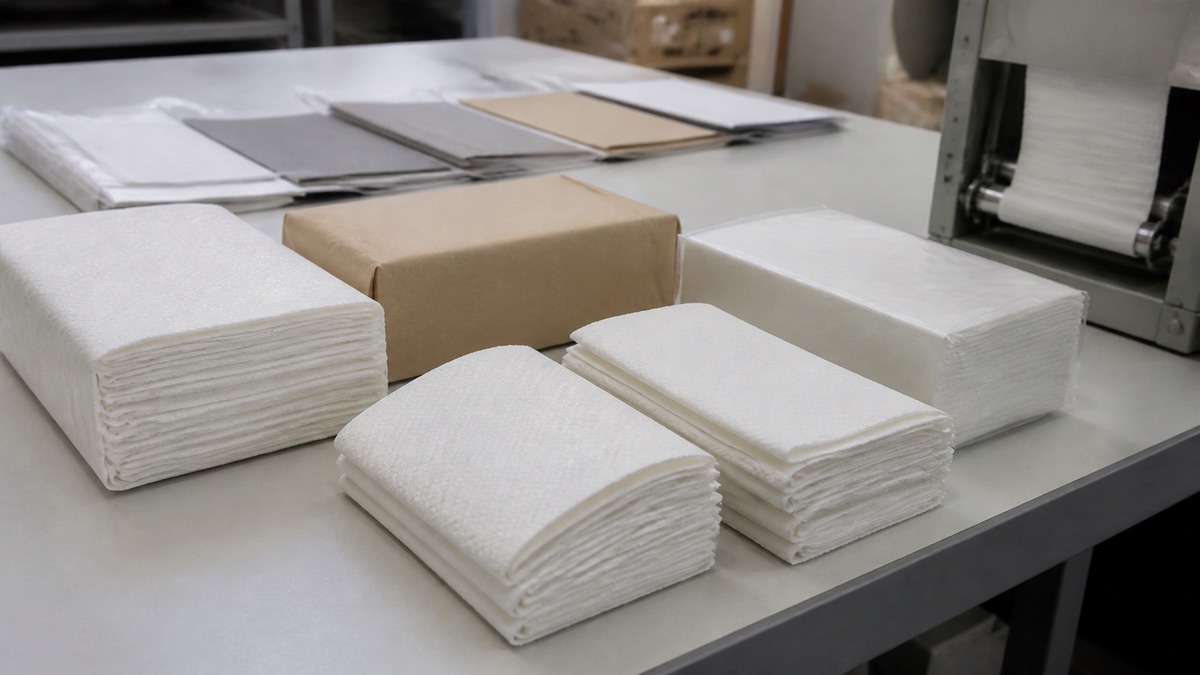
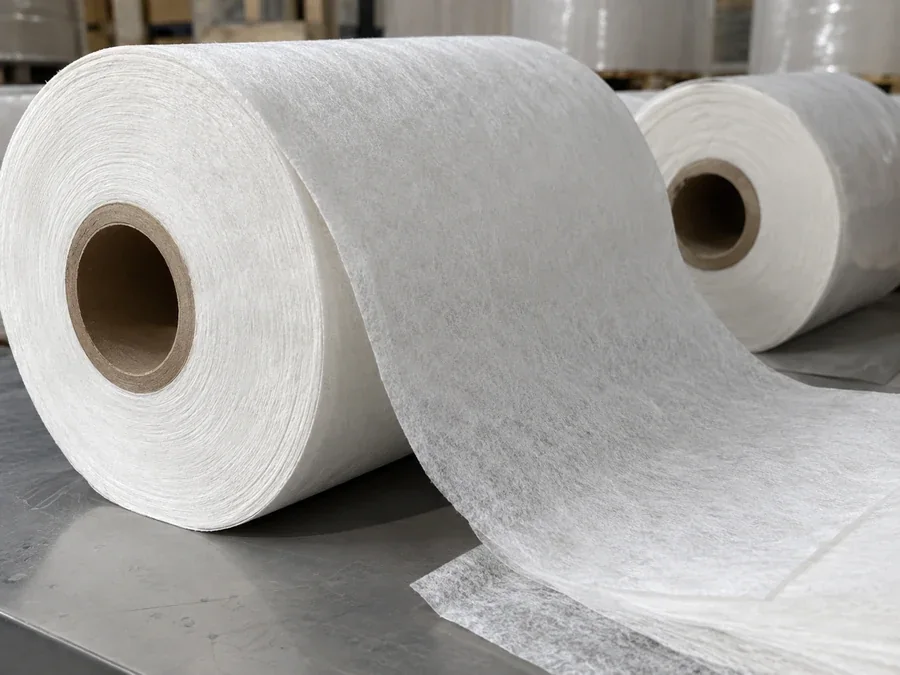
Ask the airlaid paper supplier to run a short napkin conversion using the intended folding, printing and cutting settings. Note whether openings are removed in trim, land in a visible face, grow at a fold, or affect sheet integrity during handling. A pinhole that is harmless in an offcut may matter if it appears on the presentation face of a premium dinner napkin. Conversely, a visual defect count alone cannot prove web-break frequency or finished-pack acceptance. Record actual converter observations with sample IDs.
Approve a location-sensitive limit
Agree maximum opening dimension, count per inspected area and any exclusion zone for visible napkin faces. Define separate disposition for large isolated holes, repeated clusters and edge-only defects. Ask the airlaid paper supplier to retain a signed reference and notify the buyer if furnish, binder, formation or inspection setup changes. For a claim, compare retained and arrival samples under the same lighting before deciding whether the roll, converting process or transport caused the opening.
Buyer comparison record
| Check | Record | Buyer purpose |
|---|---|---|
| Material | Grade, width and roll ID | Trace source |
| Inspection | Area, light and backing | Make counts repeatable |
| Defect | Size, frequency and location | Apply agreed limit |
| Trial | Finished napkin face and breaks | Check buyer impact |
What should buyers ask the airlaid paper supplier?
- Airlaid roll SKU and identified sample positions
- Pinhole definition with photo examples and inspected area
- Opening size and location log with roll map
- Finished napkin trial and signed acceptance limit
Send the airlaid paper supplier your intended use, destination and required acceptance decision.
Airlaid Paper Manufacturer: How Binder Choice Affects Converting
Airlaid Paper Supplier: How Can Converters Prevent Edge Curl?
Airlaid Paper Rolls: Which GSM, Width, and Winding Tolerances Reduce Converting Waste?
Questions buyers also ask
Does any visible opening mean the roll must be rejected?
No. Apply the agreed size, frequency and location rule to the intended product.
Can a top-layer inspection approve the whole roll?
No. Sample across width and depth where practical.
Does the TAPPI defect list set an airlaid pinhole tolerance?
No. It supplies defect language; the buyer and supplier set the product limit.
Sources and scope notes
- TAPPI Roll and Web Defect Terminology Supports: Provides terminology for holes and other roll or web defects. Limit: Does not set an airlaid pinhole acceptance value.
- Sansheng airlaid paper product page Supports: Identifies the relevant airlaid substrate family. Limit: Does not provide identified roll inspection results.
Source scope checked October 27, 2026. Illustrative images do not document a Sansheng test, certified SKU or customer order.
Request an identified sample review
Send the airlaid paper supplier your exact SKU, approved sample, buying destination and evidence requirement. The record can then be matched to the decision before a quote or release.

Sales Manager at Sansheng Paper · 20+ years in tissue paper OEM & bulk export · LinkedIn