B2B procurement · Specification review
A bamboo tissue supplier should agree what counts as a visible speck before a shipment is inspected. Separate embedded dark fiber, removable dust, print or packaging marks and possible foreign matter. Use an approved sample, defined lighting, viewing distance and sampling locations, then record the defect category and affected SKU rather than accepting or rejecting a lot from an isolated photograph.
This is an appearance and complaint-triage guide. A visible-speck decision does not establish bamboo content, hygiene status, chemical safety or a universal ISO pass limit.
By Tracy Zhang · For private-label tissue brands and retail quality teams · Prepared October 12, 2026
Send the current specification, identified sample and the decision you need to make.
Reusable procurement data
What should the buyer approve first?
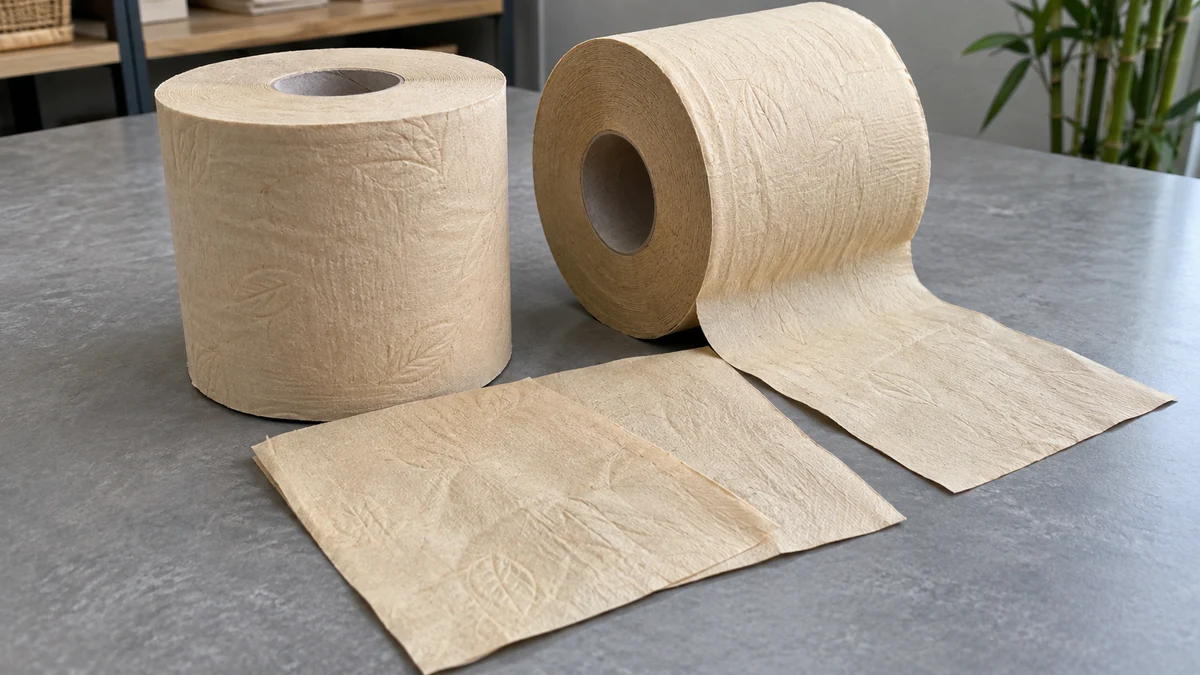
A bamboo tissue supplier should agree what counts as a visible speck before a shipment is inspected. Separate embedded dark fiber, removable dust, print or packaging marks and possible foreign matter. Use an approved sample, defined lighting, viewing distance and sampling locations, then record the defect category and affected SKU rather than accepting or rejecting a lot from an isolated photograph.
For bamboo tissue supplier comparisons, approve the named sample and its actual use conditions before a bulk order.
Bamboo Tissue Supplier: Name the defect buyers actually see
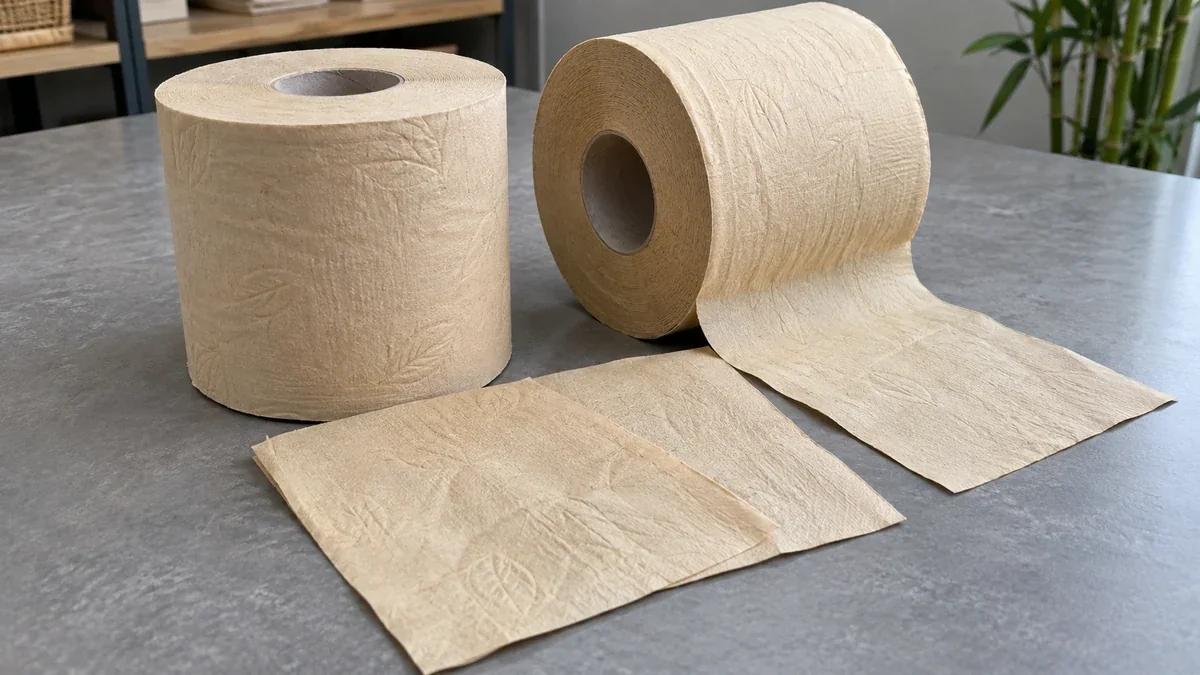
A naturally toned sheet may contain small fiber variation that is not the same as a foreign particle. Ask the bamboo tissue supplier to supply clean reference sheets and documented examples of unacceptable appearance. Distinguish a mark embedded in the sheet from dust deposited after conversion or a scuff caused by the wrapper.
If a spot has an unknown origin, preserve the sheet and pack rather than making a safety conclusion from color alone. A buyer may need microscopic or other qualified examination. A phone image helps locate the concern, but color balance and exposure can distort both size and contrast.
Choose repeatable viewing and sampling conditions
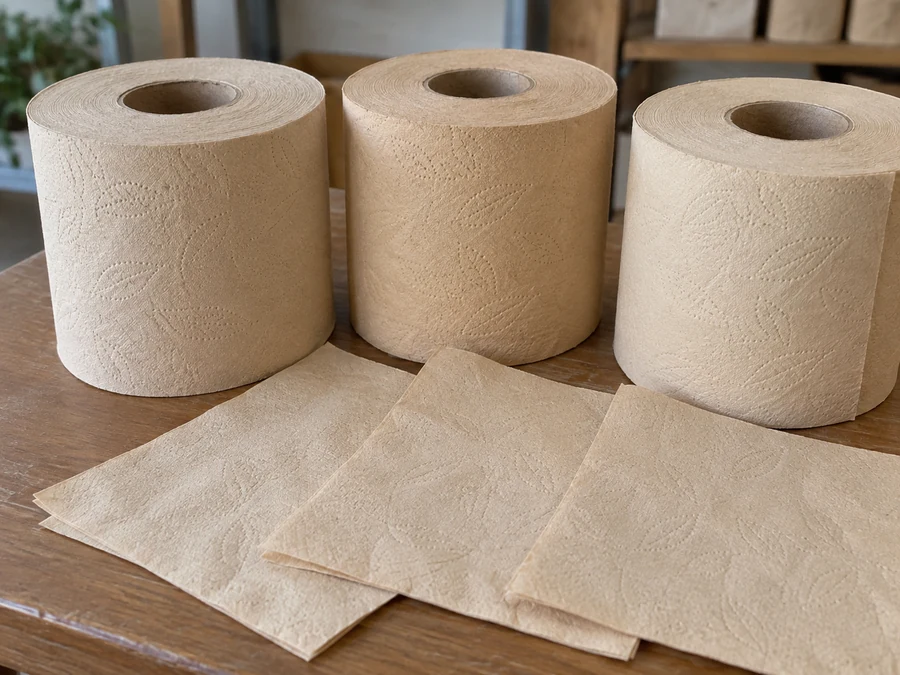
State which finished SKU is inspected, how many packs are opened, which sheet positions are viewed and whether both sides matter. Use consistent daylight-equivalent or agreed inspection lighting, a neutral background and a specified viewing distance. Keep the retained reference near the inspection station.
A bamboo tissue supplier should not mix samples from a toilet-roll grade and a facial-tissue grade into one acceptance decision. The buyer's retail channel and finished pack determine the relevant visual area. Record a defect frequency by sampled units rather than only the worst photograph.
Separate appearance from other claims
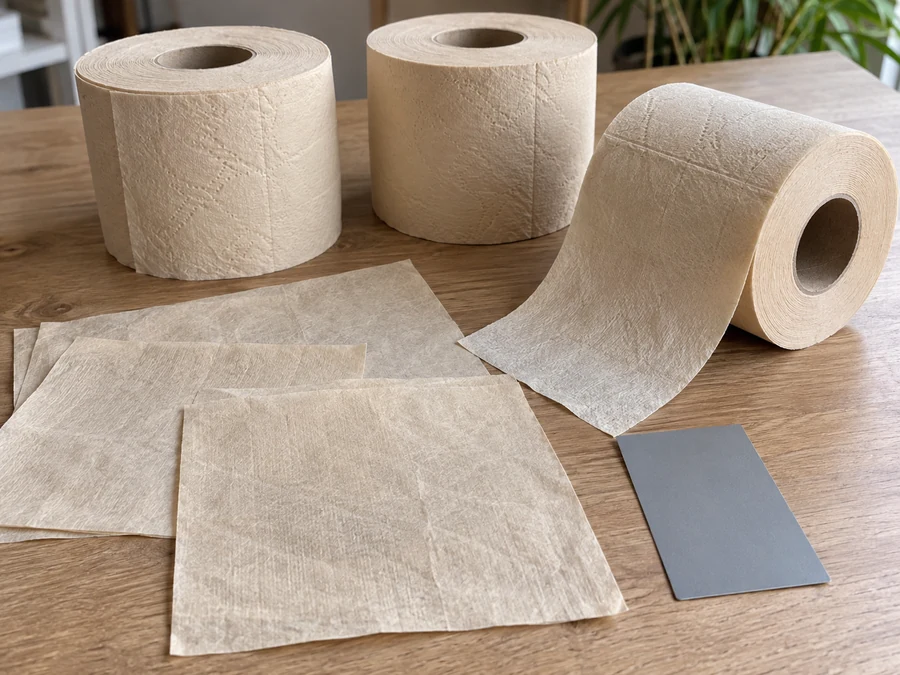
The fact that a spot is visible does not identify fiber species or percentage. Bamboo-content claims need their own documented evidence. Likewise, an apparently clean sheet is not proof of microbiological quality. The buyer should send a suspected contaminant for appropriate examination instead of adding 'sterile' or 'contamination-free' language to a visual report.
ISO 12625-1 provides tissue terminology and points to a separate method for impurities and contraries. It does not give this article a numeric acceptance threshold. The bamboo tissue supplier and buyer should agree the method and current standard status with the responsible lab before relying on a test report.
Put the disposition rule in writing
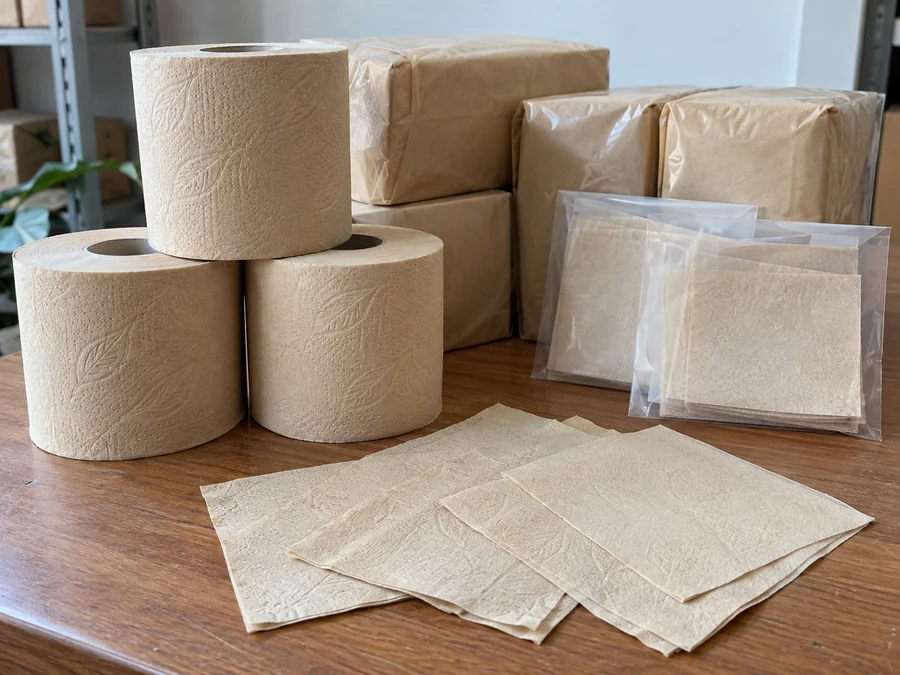
Set examples for acceptable variation, review-required findings and defects that hold a lot. Identify who can release a disputed pack, how the sampled units are stored and which production lot or packaging run is affected. Do not relabel every visible fiber as a safety defect or dismiss an unknown particle as 'natural'.
For repeat orders, compare the same SKU and approved reference. A material, bleaching, packing or printing change should trigger a new appearance review.
The buyer's comparison record
| Record level | Fields to confirm | Buyer purpose |
|---|---|---|
| Observation | Embedded fiber, removable dust or unknown particle | Avoid one generic 'speck' label |
| Viewing | Light, background, distance and sheet side | Make inspections comparable |
| Disposition | Reference sample, lot and decision owner | Control holds and repeat orders |
What belongs in the RFQ?
Ask the bamboo tissue supplier to respond against one identified product and a written acceptance decision.
- Identify bamboo tissue format, SKU, ply, pack and intended retail channel.
- Supply an approved reference and photographs with measurement scale.
- Agree inspection lighting, area, sheet position and defect categories.
- State who resolves unknown particles and what triggers a lot hold.
For adjacent decisions, read the related Sansheng purchasing guide and the companion specification check. Keep each approval question separate.
Questions buyers also ask
Does a dark fiber prove the tissue is not bamboo?
No. Appearance alone cannot establish fiber composition or its percentage.
Can a phone photo set a lot limit?
It can document a concern, but use controlled viewing and an identified reference for acceptance.
Does a clean sheet prove hygiene?
No. Visual inspection and microbiological or other safety assessments answer different questions.
Sources and scope notes
- ISO 12625-1 tissue terminology Supports: Provides tissue terminology and identifies a separate impurities-method context. Limit: Does not define a buyer's numeric speck limit or approve a product.
- Sansheng bamboo tissue program Supports: Describes bamboo tissue product and private-label supply scope. Limit: Not a lot-specific visual-inspection record.
Sources checked October 12, 2026. Images are illustrative and do not document a Sansheng test, customer order or shipment.
Request a same-spec review
Send the finished SKU, reference sheets and examples of the visible mark. Sansheng can discuss how to sample and document the issue without turning an appearance screen into an unsupported safety claim.

Sales Manager at Sansheng Paper · 20+ years in tissue paper OEM & bulk export · LinkedIn