B2B procurement · Buyer guide
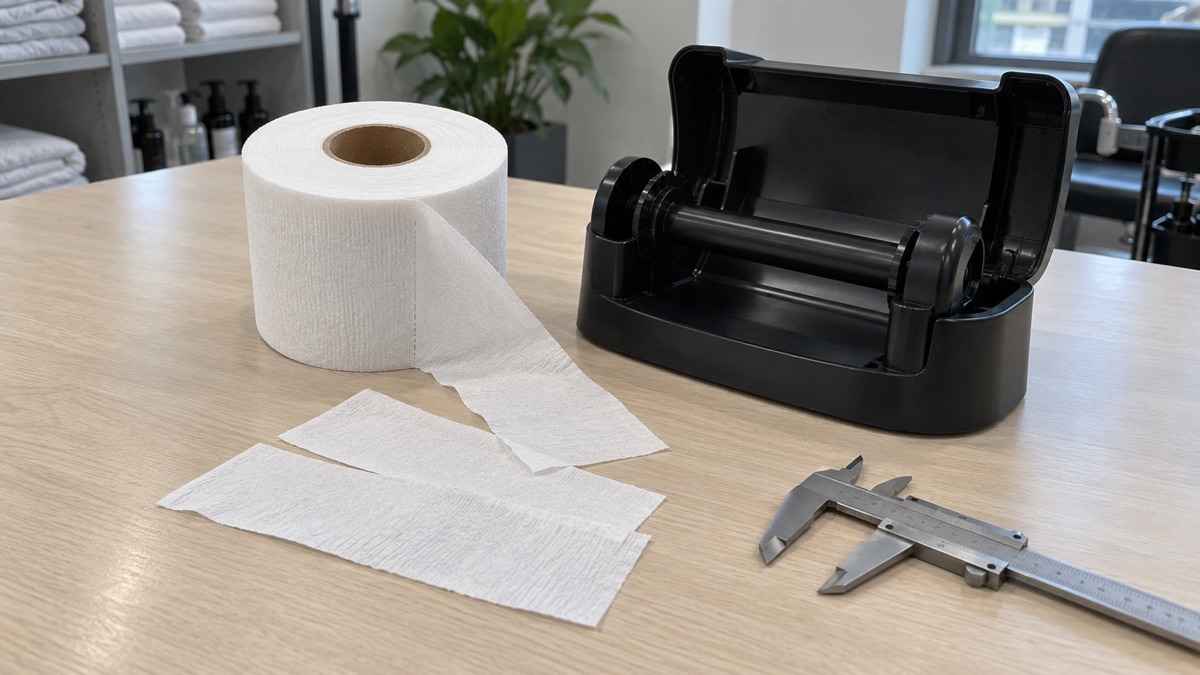
A faster neck-strip refill is valuable only if staff can dispense one clean strip per client without tears, double pulls or exposed stored strips. A barber neck strip supplier should provide the exact roll or stack format for the salon’s holder. Buyers can compare refill time and usable strips per pack in a short, controlled chair-side trial while keeping local hygiene rules in view.
This is an operational comparison, not a sanitation certification or a claim that Sansheng strips reduce labor by a stated amount.
Send the exact SKU, buying destination and inspection question you need reviewed.
Reusable procurement data
Direct answer
A faster neck-strip refill is valuable only if staff can dispense one clean strip per client without tears, double pulls or exposed stored strips. A barber neck strip supplier should provide the exact roll or stack format for the salon’s holder. Buyers can compare refill time and usable strips per pack in a short, controlled chair-side trial while keeping local hygiene rules in view.
Start with the existing chair-side workflow
Record how a barber retrieves one strip, fits it around the client’s neck and replaces the depleted roll or stack. Count strips used, double pulls, tears and refill interruptions over a normal shift. Identify whether stock is kept in a covered dispenser, drawer or open tray. A product that looks fast in a supplier video may be awkward at a particular chair. Ask the salon to name its preferred holder and available storage space. The barber neck strip supplier needs that context before suggesting a wider roll or larger pack. Keep the strip’s protective function distinct from the business goal of shorter refill time.
Check hygiene and fit together
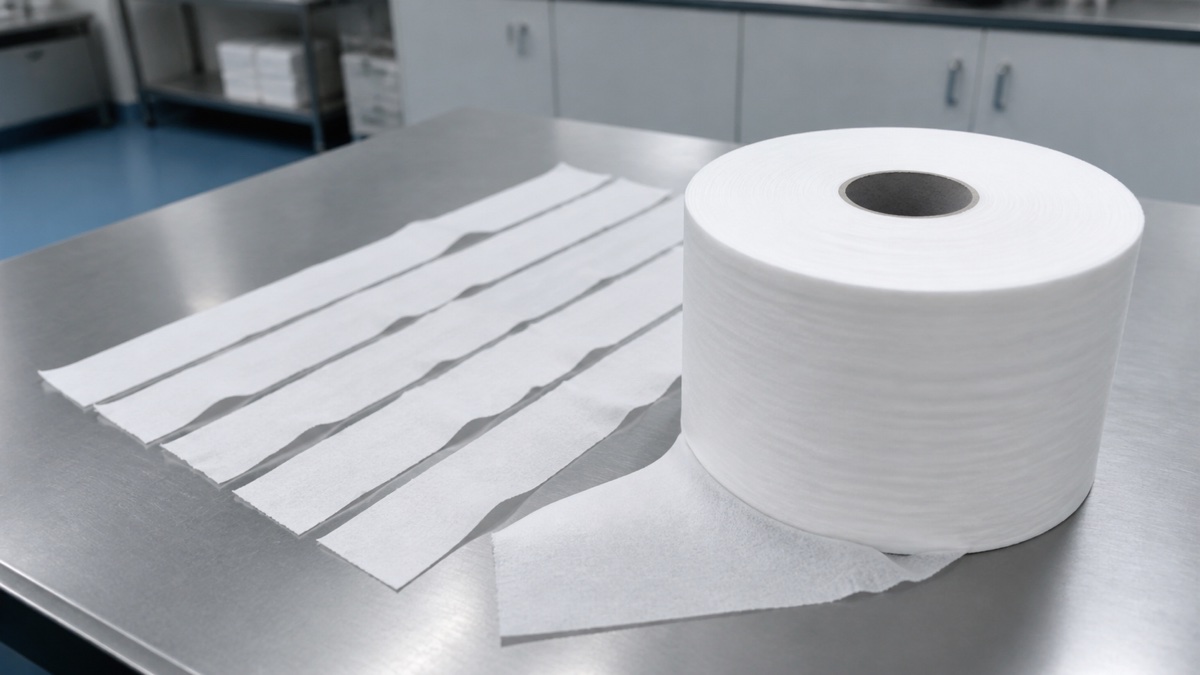
California Rule 985 requires a sanitary neck strip or towel to separate the cape from the client’s neck. Local rules vary, so buyers must check the destination jurisdiction and salon procedure. Trial a clean strip with the actual cape and holder; observe length, stretch, closure, lint and whether the cape can touch the neck. Do not reuse a disposable strip merely to improve the apparent cost per service. A faster dispenser is no improvement if it exposes spare strips to contamination. Ask the supplier for the exact finished-pack presentation and storage guidance; do not assume every dispenser keeps the same clean-stock protection.
Source for this method: California Board of Barbering and Cosmetology, Rule 985. It does not approve a supplier, dispenser or particular strip material.
Measure time per usable strip, including waste
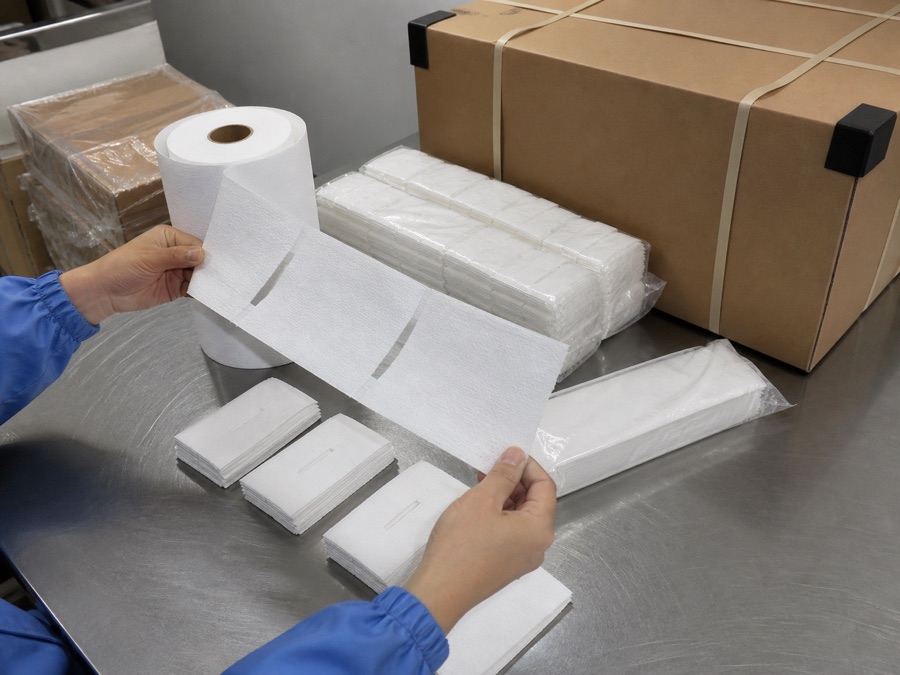
Use the same staff and workflow for a baseline and candidate format. Time several normal refills, not a staged best case, and note whether a second person is needed. Count accepted single pulls versus doubles and torn pieces. Calculate delivered cost per usable strip and record the number of services per pack or roll. Add refill labor only with the salon’s own wage and measured time. A larger roll can reduce reload frequency but may bind or occupy too much counter space. Keep any hygiene or fit failure visible even if the arithmetic suggests a lower unit cost.
Specify the winning format for repeat orders
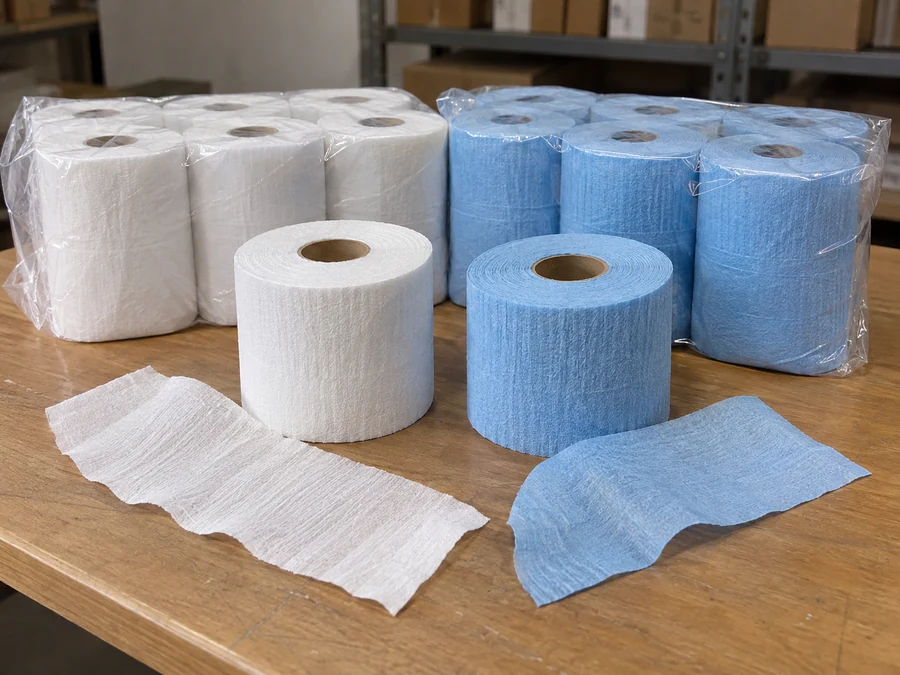
Choose the candidate that fits the holder, protects clean stock and meets the salon’s service rhythm. Record strip length, width, material, count per roll or pack, core and outer wrapping. Have two locations repeat the trial if a chain uses different chairs or capes. Ask the distributor to retain a sealed reference pack and agree how changes in perforation, adhesive or paper will be communicated. A barber neck strip supplier should quote the precise tested format and case count. The final buying decision belongs to the salon and should include its local sanitation policy as well as the operational record.
Buyer comparison record
| Check | Record | Buyer purpose |
|---|---|---|
| Workflow | Chair, holder and cape | Defines actual use |
| Single pull | Accepted strips versus doubles or tears | Measures waste |
| Refill | Observed time and frequency | Measures staff interruption |
| Supply | Pack, core and case details | Locks repeat SKU |
What should buyers ask the barber neck strip supplier?
- Current holder, cape and storage setup
- Proposed strip dimensions, format and count
- Short chair-side trial with single-pull and refill log
- Local hygiene rule and salon policy owner
- Sealed sample, case pack and repeat-order change rule
Send the barber neck strip supplier your intended use, destination and required acceptance decision.
Questions buyers also ask
Does a bigger roll always save time?
No. It must fit the holder and dispense reliably.
Can neck strips be reused to save cost?
Follow local sanitation rules and the salon policy; do not assume reuse is acceptable.
Is refill time the only buying metric?
No. Include clean-stock protection, fit and usable-strip yield.
Sources and scope notes
- California Board of Barbering and Cosmetology, Rule 985 Supports: Requires a sanitary neck strip or towel between cape and client neck in California. Limit: It does not approve a supplier, dispenser or particular strip material.
- Sansheng product-family page Supports: Identifies the product family and available sourcing context. Limit: Does not prove the proposed savings, performance or buyer result.
Source scope checked November 16, 2026. Illustrative images do not document a Sansheng test, certified SKU or customer order.
Request an identified sample review
Send the barber neck strip supplier your exact SKU, approved sample, destination and evidence requirement. Match the available record to your buying decision before a quote or release.

Sales Manager at Sansheng Paper · 20+ years in tissue paper OEM & bulk export · LinkedIn