B2B procurement · Specification review
A barber neck strips supplier should identify whether a finished roll contains a splice, where it sits and how it behaves in the buyer's dispenser. Approve a roll-level splice count or exclusion rule, a visible identification method and an installed-use check. Do not assume that a joined strip will feed, stretch or separate like an uninterrupted one.
This is a roll-construction and salon-use check. It does not prove skin compatibility, adhesive safety or a universal maximum splice count.
By Tracy Zhang · For barber-supply distributors and salon consumables brands · Prepared October 12, 2026
Send the current specification, identified sample and the decision you need to make.
Reusable procurement data
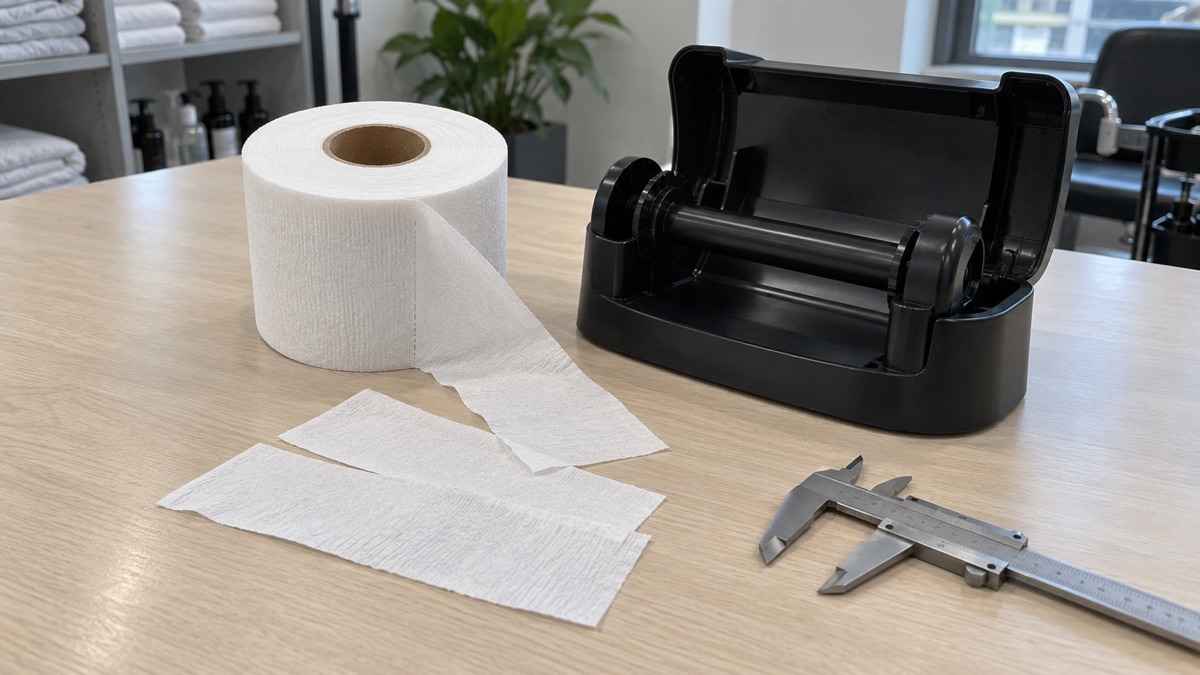
What should the buyer approve first?
A barber neck strips supplier should identify whether a finished roll contains a splice, where it sits and how it behaves in the buyer's dispenser. Approve a roll-level splice count or exclusion rule, a visible identification method and an installed-use check. Do not assume that a joined strip will feed, stretch or separate like an uninterrupted one.
For barber neck strips supplier comparisons, approve the named sample and its actual use conditions before a bulk order.
Barber Neck Strips Supplier: Define the finished roll the salon receives
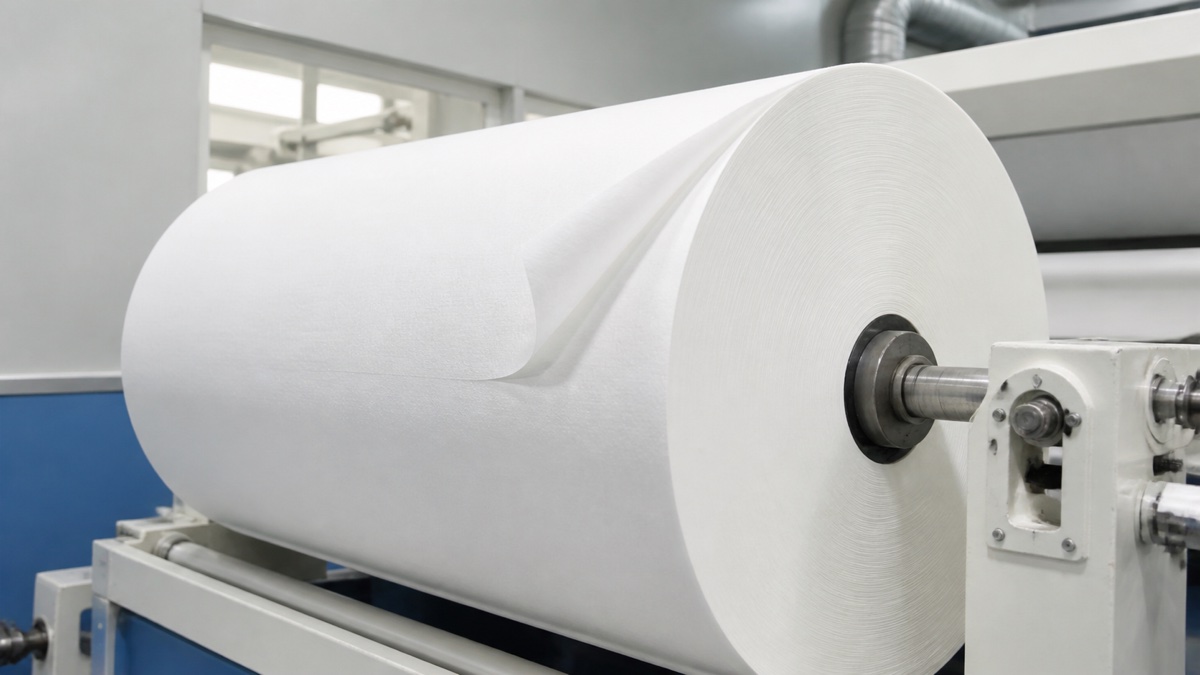
A neck-strip supplier may discuss base-paper joins while the distributor sells counted finished rolls. The buyer's acceptance rule should refer to the finished roll, its perforated strips and the retail pack. Ask for the roll count, winding direction, core and any location where a splice could appear during use.
A joined area can change thickness or stiffness and may obscure a perforation. A buyer may choose to prohibit splices or allow a documented construction under limited conditions, but that decision belongs in the written specification rather than in a surprise found by a barber.
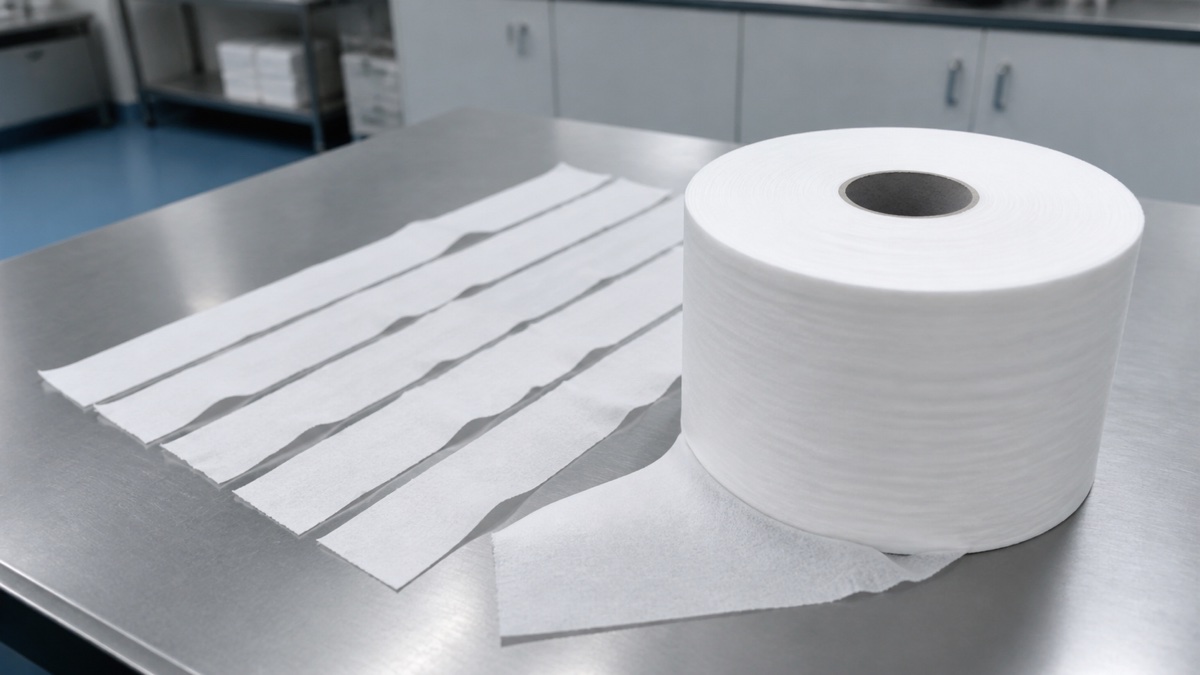
Inspect the join and identification
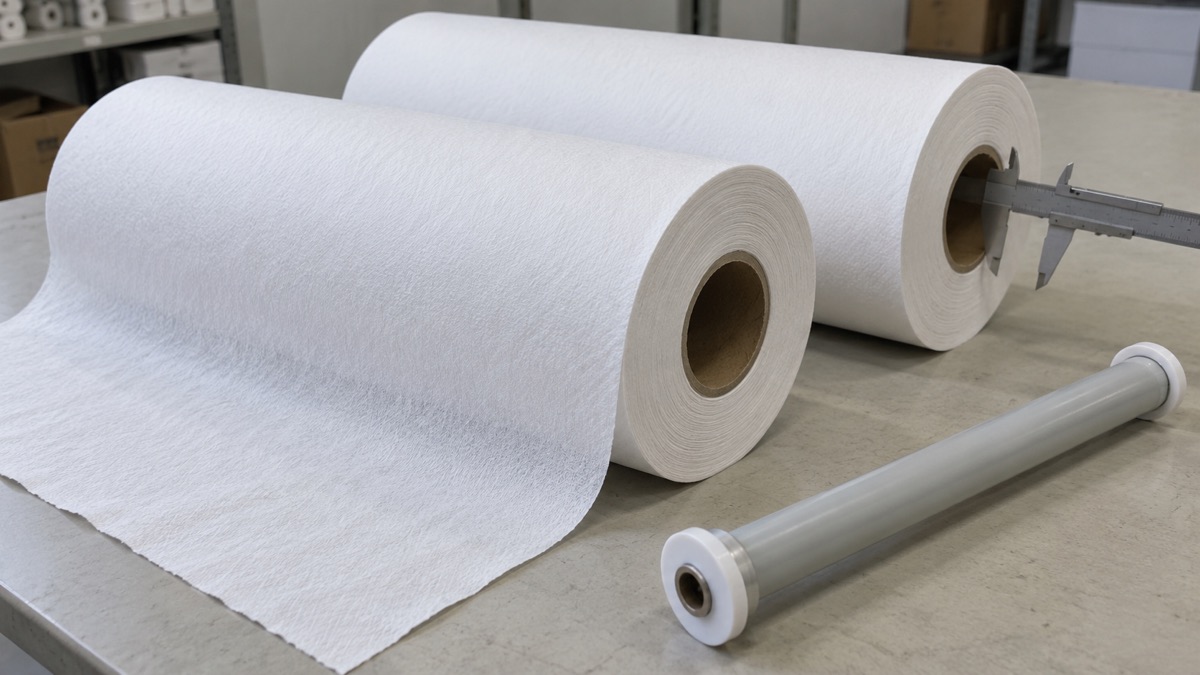
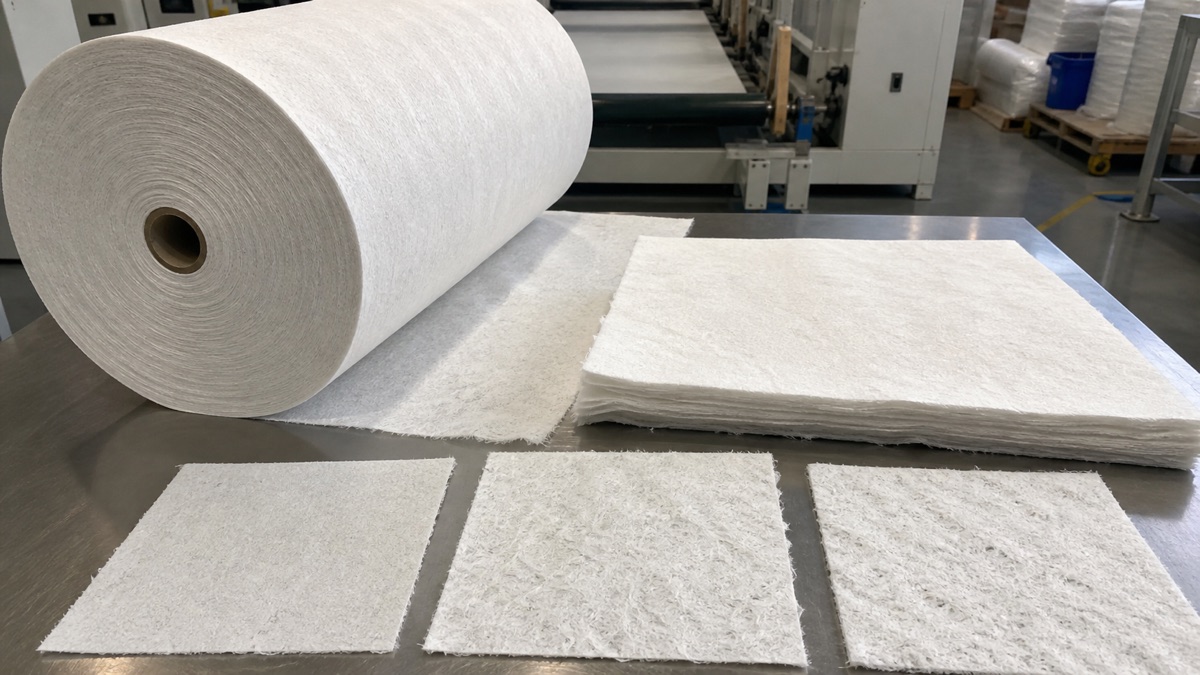
Ask the barber neck strips supplier for a sample containing an actual production join. Record its width, tape or adhesive placement, color, position relative to perforations and whether it is marked on the pack or roll. A generic drawing cannot replace a finished sample because winding pressure can change the join's feel.
If the join is not allowed, define how the supplier screens it before packing. If it is allowed, define which location and appearance are acceptable. Do not state a universal number without testing the particular dispenser and customer expectation.
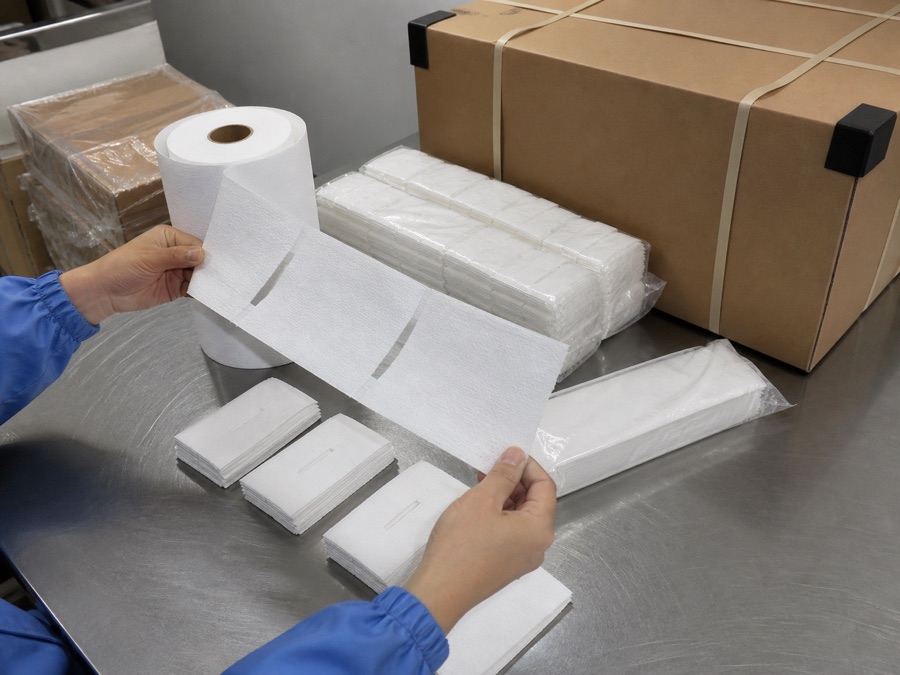
Run a dispenser and application check
Feed an identified roll through the actual dispenser, including the joined section. Record whether it catches, causes two strips to release, interrupts a perforation or leaves a piece that cannot be used. Test the strip around a suitable non-human form or agreed demonstration setup if stretching is relevant; avoid making an unverified skin-safety claim.
The barber neck strips supplier should separate a splice failure from ordinary perforation and dispenser-fit problems. The same dispenser trial can reveal these issues, but the remedy for each is different.
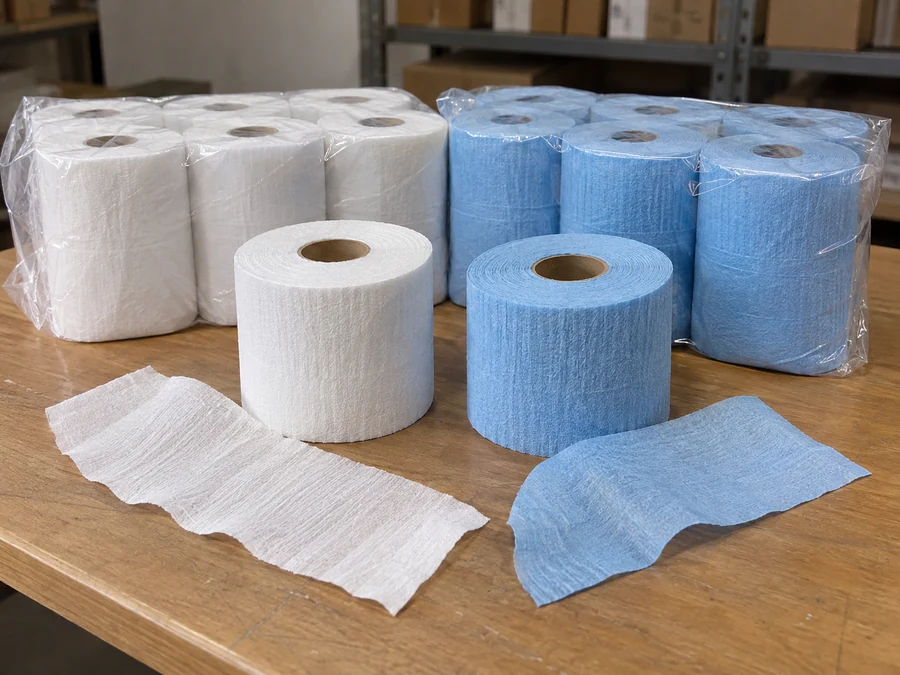
Tie the acceptance decision to the carton
Record the approved construction, join rule, roll identifier, pack count and lot on the purchase specification. If a sampled roll fails, keep the affected pack and adjacent rolls for a traced review. A defect in one roll does not automatically identify every carton unless lot and packing records show the relationship.
For repeat orders, any change to tape, adhesive, paper or winding should trigger a new sample review. Buyers should receive the same roll construction they approved, not an unannounced replacement.
The buyer's comparison record
| Record level | Fields to confirm | Buyer purpose |
|---|---|---|
| Join record | Presence, location, tape and perforation relation | Know exactly what is being approved |
| Use check | Feed through the intended dispenser | Find interruptions or unusable strips |
| Lot control | Roll, pack and carton identifiers | Trace a complaint to the affected material |
What belongs in the RFQ?
Ask the barber neck strips supplier to respond against one identified product and a written acceptance decision.
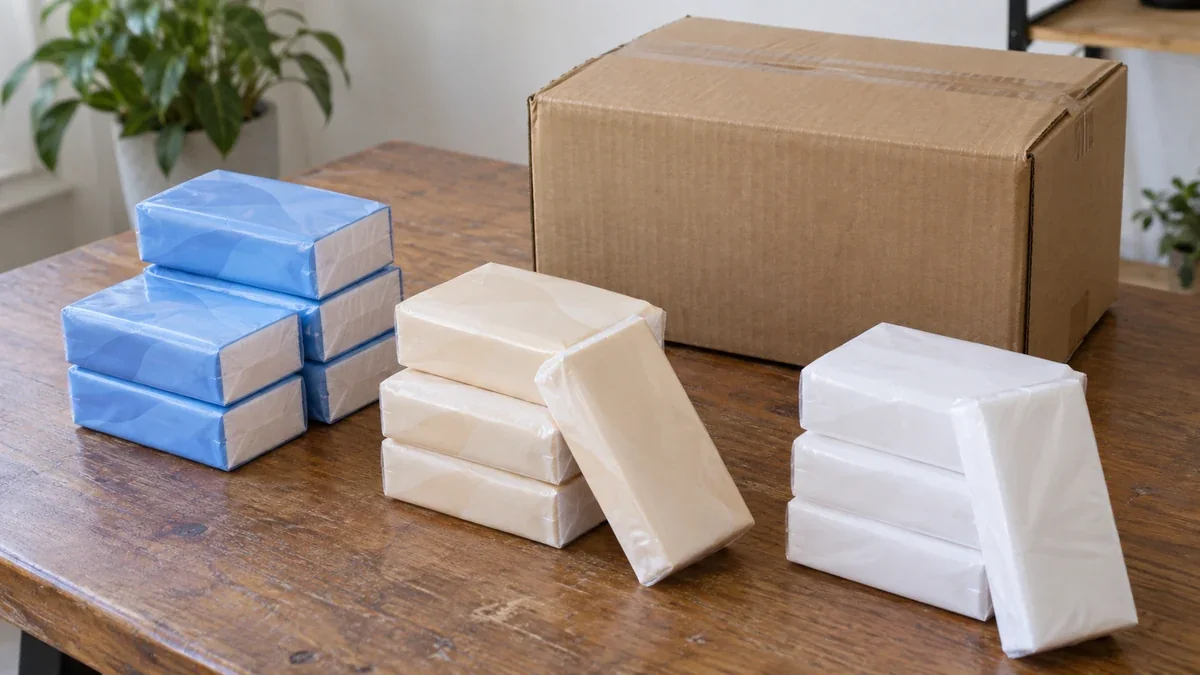
- State strip size, material, perforation and rolls per pack.
- Specify whether finished-roll splices are prohibited or conditionally allowed.
- Request a joined sample if the design permits one, plus dispenser-trial records.
- Identify pack and carton traceability and a change-control rule.
For adjacent decisions, read the related Sansheng purchasing guide and the companion specification check. Keep each approval question separate.
Questions buyers also ask
Is a parent-roll splice the same as a finished-roll splice?
No. The buyer should set an acceptance rule for the finished roll actually supplied to salons.
Can a splice be accepted without a dispenser trial?
A visual check alone may miss feeding or separation problems; test the finished sample in the intended dispenser.
Does a successful feed prove skin safety?
No. Mechanical use and skin-contact suitability require separate evidence and review.
Sources and scope notes
- Sansheng neck ruffles product program Supports: Describes finished-roll formats and OEM packing decisions. Limit: Does not verify splice count or performance of any shipment.
Sources checked October 12, 2026. Images are illustrative and do not document a Sansheng test, customer order or shipment.
Request a same-spec review
Send the intended dispenser, strip specification and your policy for finished-roll splices. Sansheng can compare a labeled sample and identify the roll-level records required before bulk supply.

Sales Manager at Sansheng Paper · 20+ years in tissue paper OEM & bulk export · LinkedIn