B2B procurement · Buyer guide
An airlaid paper supplier and converter should first document any visible or tactile streak by its position across the web and its distance along the roll. Compare the suspected lane with unaffected material from the same roll under consistent light and handling. Then run a controlled slitting, folding or print trial to determine whether the streak actually changes release, appearance or converting yield. A visible line alone does not prove its chemistry is binder; identify the cause before assigning responsibility.
This guide concerns suspected binder-related nonuniformity in airlaid parent rolls. It does not identify a chemical composition by eye or claim that Sansheng has observed this defect in a lot. Laboratory work may be needed for root-cause confirmation.
Send the exact SKU, destination and specification you need reviewed.
Reusable procurement data
Direct answer
An airlaid paper supplier and converter should first document any visible or tactile streak by its position across the web and its distance along the roll. Compare the suspected lane with unaffected material from the same roll under consistent light and handling. Then run a controlled slitting, folding or print trial to determine whether the streak actually changes release, appearance or converting yield. A visible line alone does not prove its chemistry is binder; identify the cause before assigning responsibility.
Record the streak before changing machine settings
If a converter sees a repeated line, stop at an identified roll position and retain a full-width sample. Mark machine direction, operator side and drive side, roll number and approximate running distance. The airlaid paper supplier needs these coordinates to distinguish a persistent web lane from a random stain or damage introduced downstream.
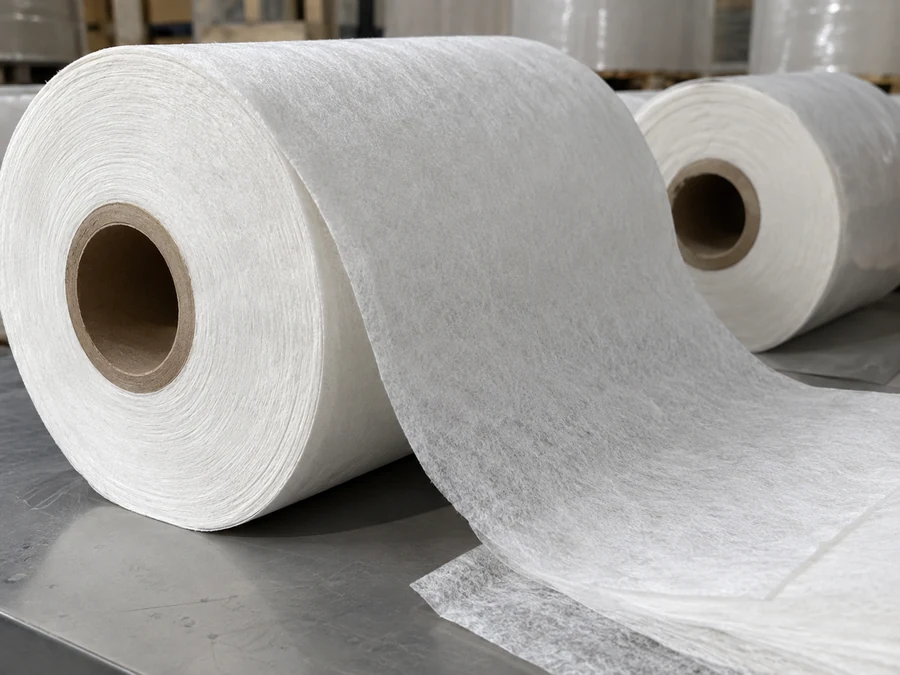
Photograph both faces with consistent light, plus a transmitted-light view when useful. Describe what is actually seen: gloss, color, thickness, stiffness or fiber-density difference. Do not label every line a binder streak in the complaint form. Water, dust, pressure marks and splice-related handling can create different-looking lines.
Compare the affected lane with a control
Cut matched specimens from the suspected lane and from an unaffected lane at the same machine-direction position. Condition them the same way. Compare basis weight, thickness, hand feel and any relevant strength or absorption property using an agreed procedure. The airlaid paper supplier should receive the raw readings and specimen map, not only a photo of one failed napkin.
A chemical binder-distribution claim needs suitable analytical evidence and a reference construction. A converter can legitimately report a repeating quality difference without asserting its mechanism. Keep the diagnostic question open until the supplier and converter agree what a test can establish.
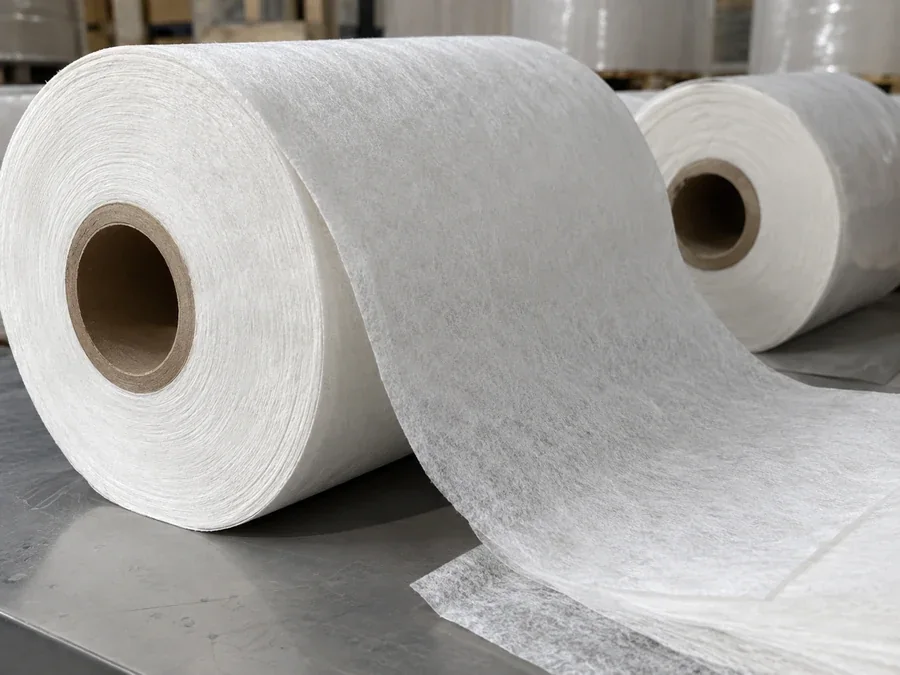
Run a short converting trial
Track the lane through slitting, folding, printing if used, and final packing. Record whether the streak creates breaks, fold drift, poor print appearance or downgraded pieces. Compare those results with adjacent unaffected material at the same settings. That trial gives the buyer a loss measure more useful than a vague “web defect” label.
If the issue disappears after a machine adjustment, preserve the original conditions and sample anyway. It may be an interaction between sheet properties and equipment. The airlaid paper supplier should not be asked to accept a conversion-loss claim without the run log, and the converter should not be asked to ignore a repeatable lane defect.
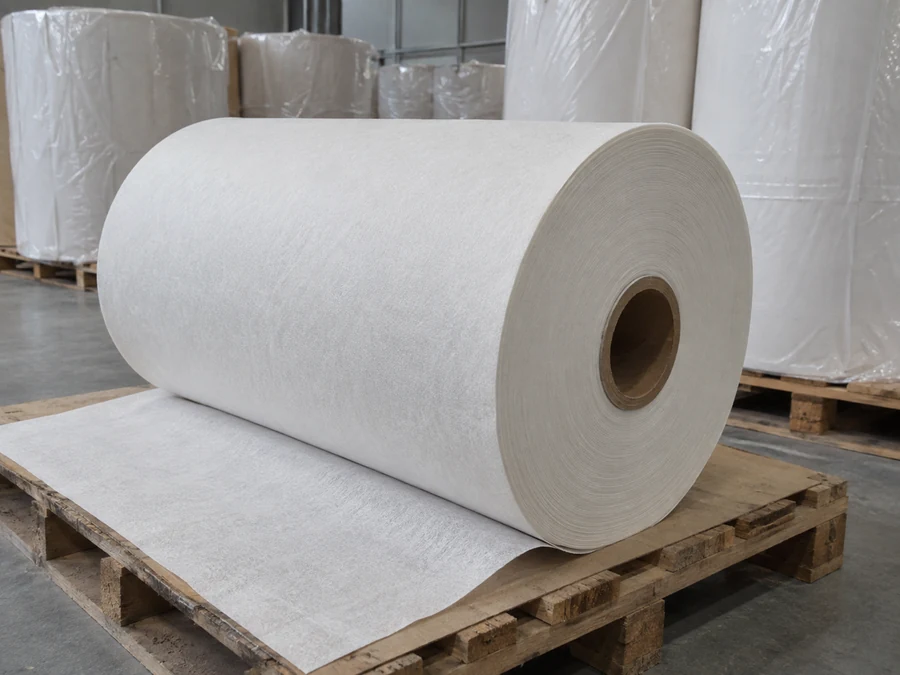
Agree disposition and prevention
Tie each retained specimen to the roll ID and its position. Decide whether the affected lane can be trimmed, the roll can be regraded or a replacement is needed. Price and credit discussions should use documented usable width and accepted pieces, not only gross roll weight.
For repeat orders, define which surface observations require notice before shipment and which production changes require a new converting trial. The airlaid paper supplier and buyer should preserve a signed reference roll sample and defect map. This article provides a method; it supplies no numerical pass limit or Sansheng test result.
Buyer comparison record
| Check | Record | Buyer purpose |
|---|---|---|
| Location | Roll ID, web side, cross-web lane and running distance | Find a repeatable pattern |
| Observation | Same-light images and physical description | Avoid naming the cause too early |
| Comparison | Matched affected and control specimens | Test actual differences |
| Trial | Settings, defects and accepted pieces | Quantify converting impact |
What should buyers ask the airlaid paper supplier?
- Parent-roll ID, width, GSM, binder construction if declared
- Cross-web sample map and retained full-width strip
- Agreed visual and physical comparison methods
- Short converting trial, run settings and loss classification
- Disposition rule for trimming, downgrade or replacement
Send the airlaid paper supplier your intended use, destination and required acceptance decision.
Airlaid Paper Manufacturer: How Binder Choice Affects Converting
Airlaid Paper Supplier: How Can Converters Prevent Edge Curl?
Airlaid Paper Rolls: Which GSM, Width, and Winding Tolerances Reduce Converting Waste?
Questions buyers also ask
Does every visible line mean a binder problem?
No. Record the observation first; root-cause evidence is needed before calling it binder-related.
Can one photo prove conversion loss?
No. Link the mapped lane to a controlled converting run and count affected pieces.
Should buyers reject a whole roll for one streak?
The disposition depends on its length, lane position, usable width and the agreed acceptance rule.
Sources and scope notes
- Sansheng airlaid binder and converting guide Supports: Explains the role of bonding route and converting requirements in airlaid material selection. Limit: Does not document a binder-streak result, method or affected Sansheng lot.
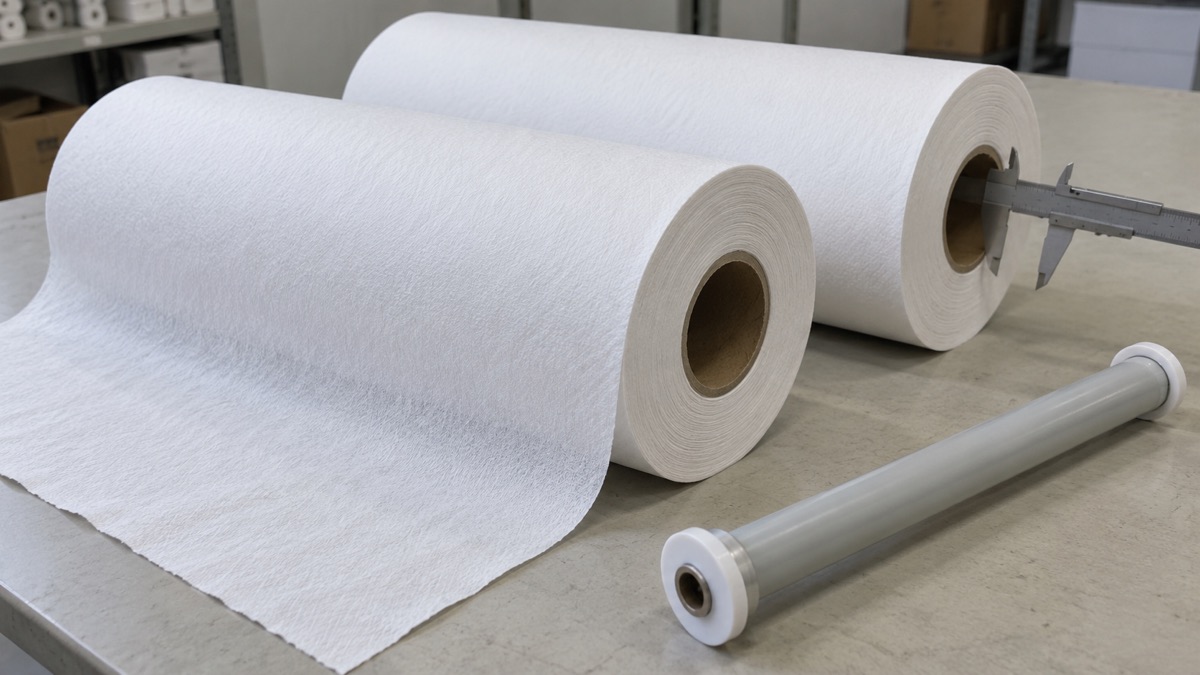
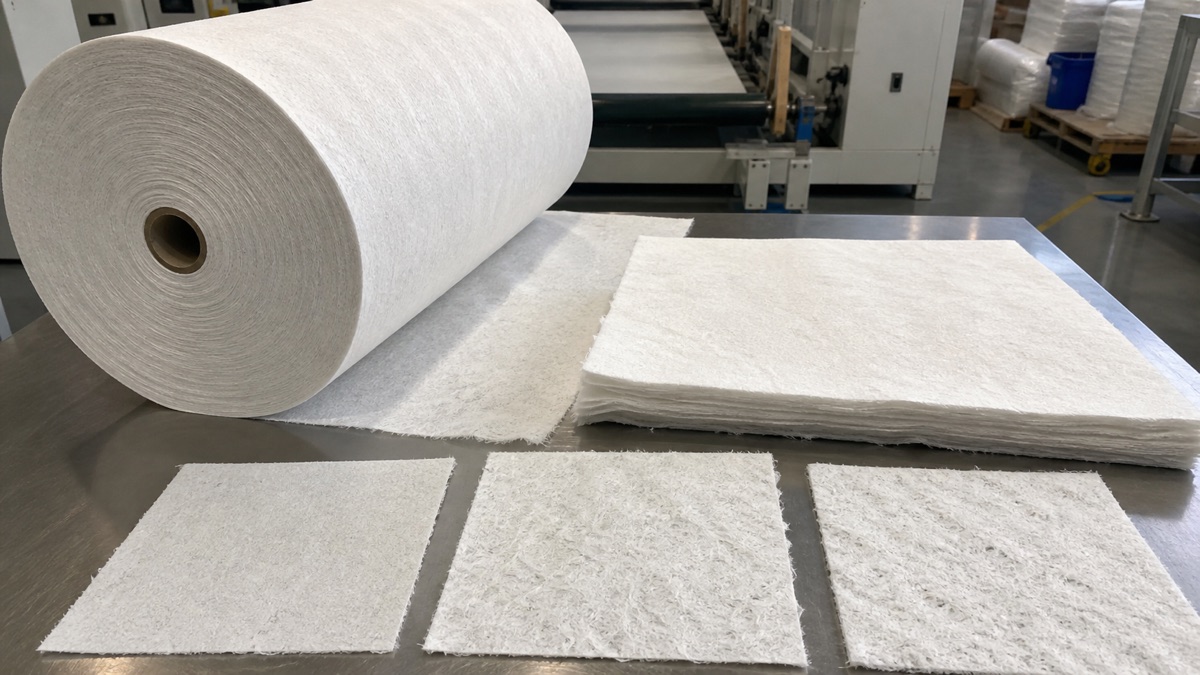
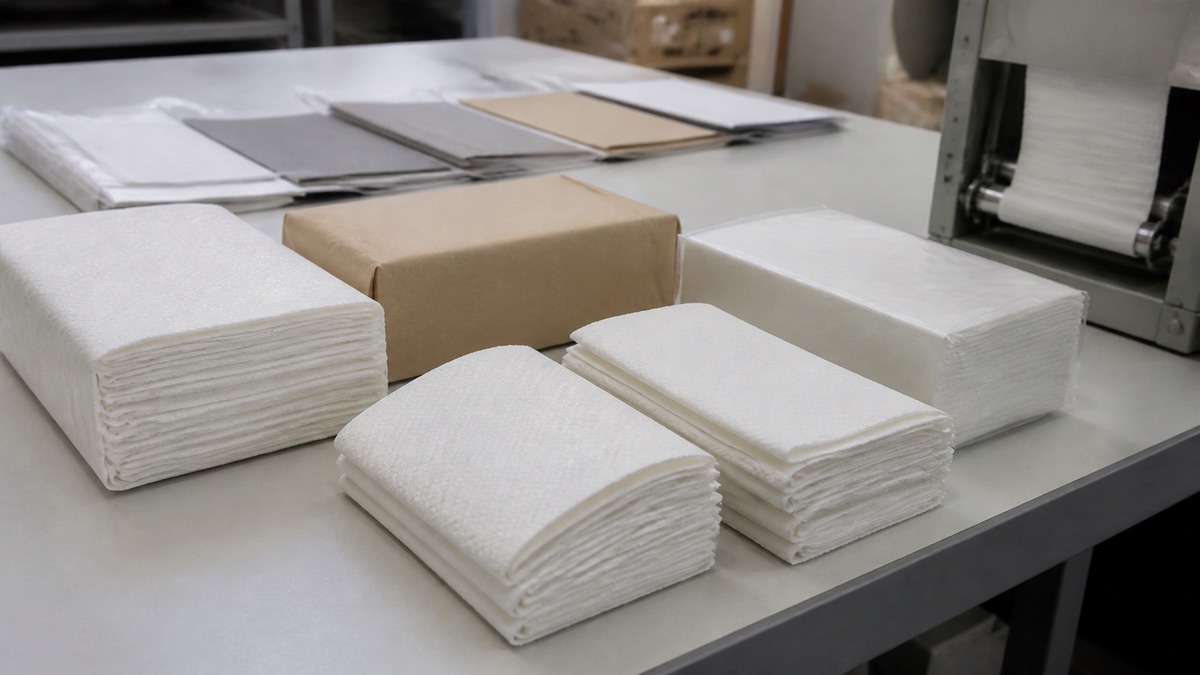
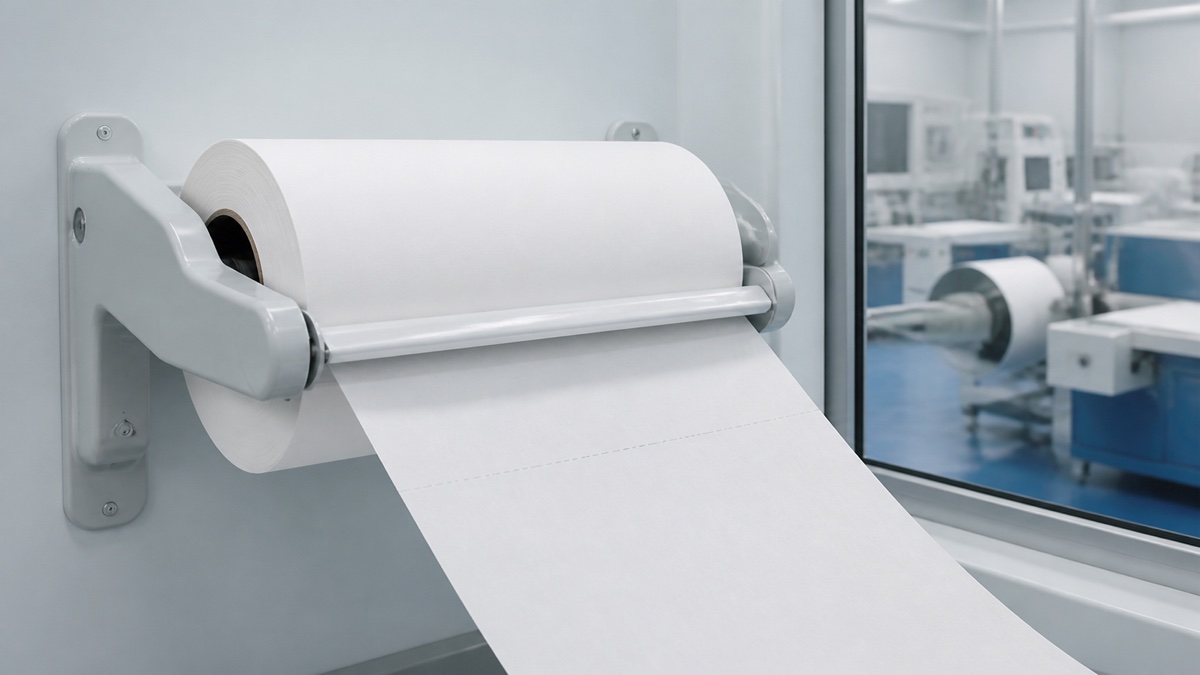
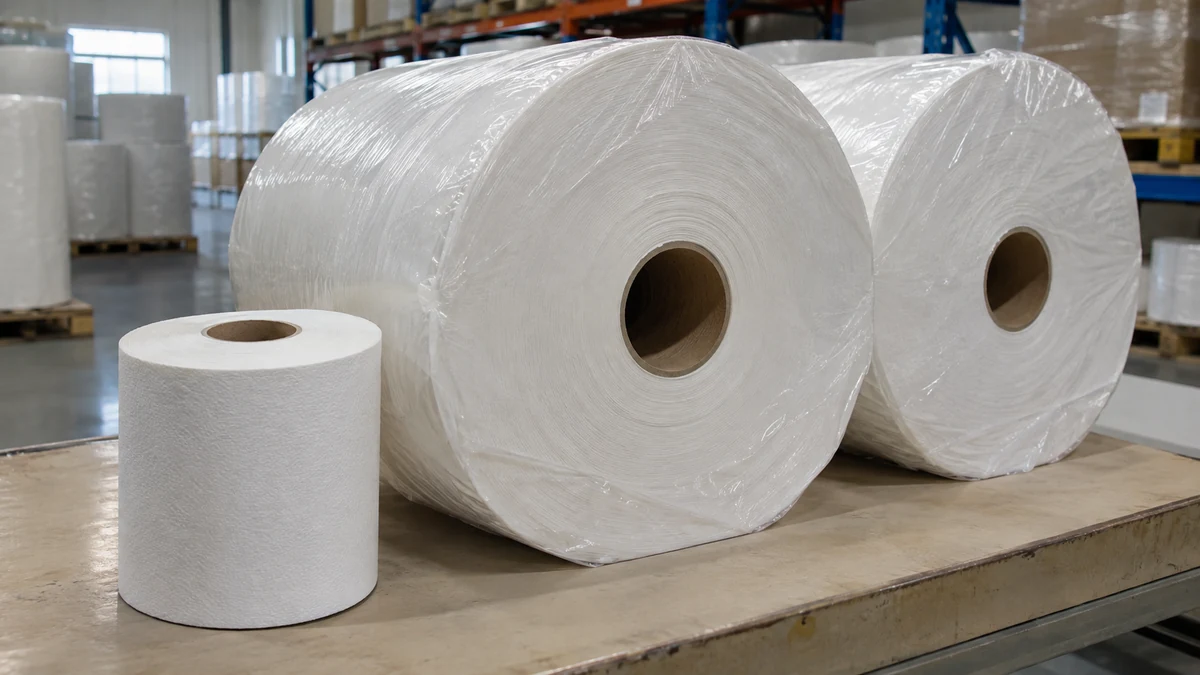
Source scope checked October 18, 2026. Illustrative images do not document a Sansheng test, certified SKU or customer order.
Request an identified sample review
Send the airlaid paper supplier your SKU, approved sample, buying destination and required evidence. That makes it possible to identify the documentation still needed before a quote or release decision.
Sales Manager at Sansheng Paper · 20+ years in tissue paper OEM & bulk export · LinkedIn