B2B procurement · Buyer guide
An airlaid paper supplier should report grammage from a mapped set of specimens across the usable web width, not only one center sample or one roll average. Mark drive side, center and operator side, repeat the map along the running length, and retain the individual values. Compare any repeating lane with converting behavior. A GSM map identifies mass variation; it does not by itself identify binder chemistry or predict every downstream defect.
This guide is for airlaid parent rolls intended for conversion. A tissue-paper grammage standard may be informative, but the buyer must agree a method suitable for the specific airlaid construction.
Send the exact SKU, buying destination and inspection question you need reviewed.
Reusable procurement data
Direct answer
An airlaid paper supplier should report grammage from a mapped set of specimens across the usable web width, not only one center sample or one roll average. Mark drive side, center and operator side, repeat the map along the running length, and retain the individual values. Compare any repeating lane with converting behavior. A GSM map identifies mass variation; it does not by itself identify binder chemistry or predict every downstream defect.
Map the usable width before cutting specimens
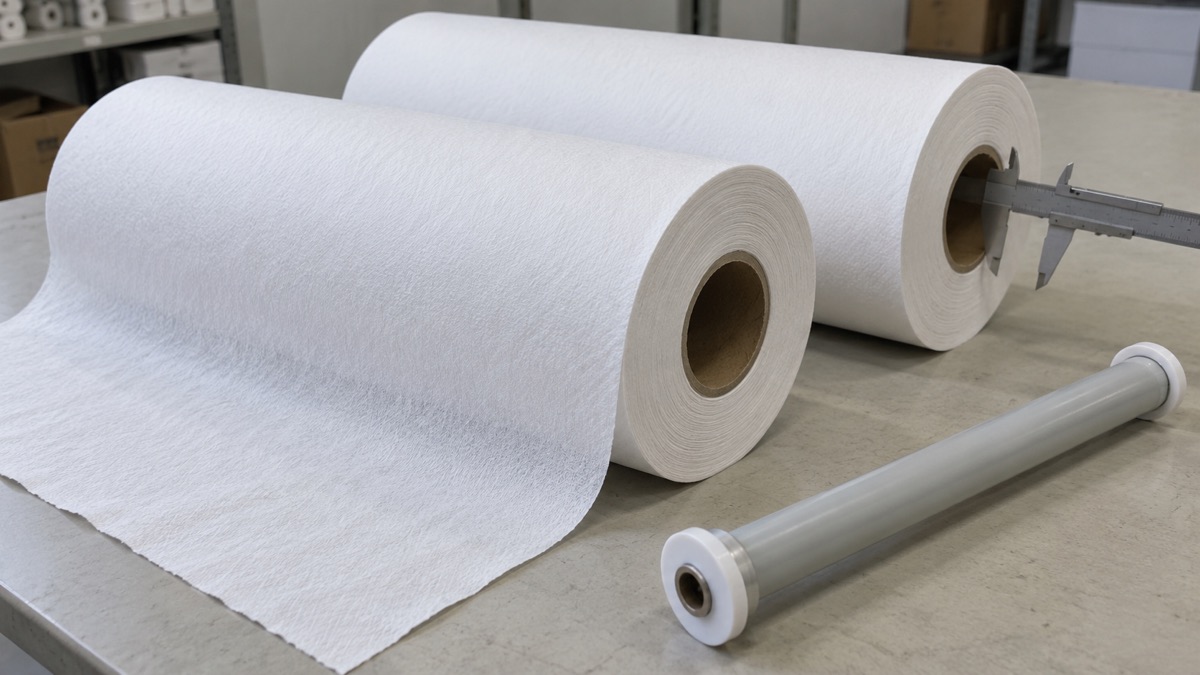
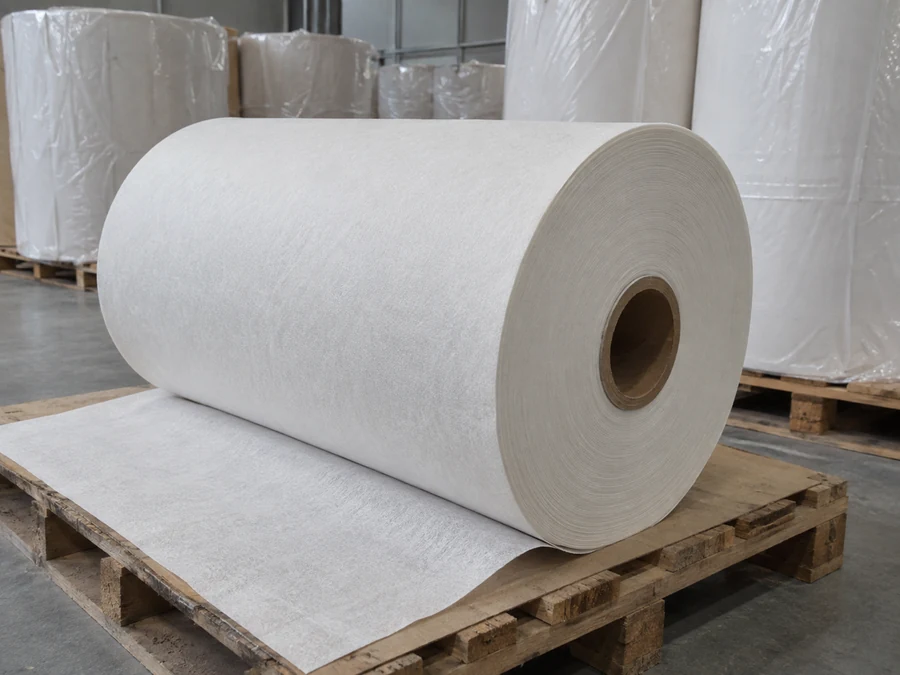
Identify roll number, nominal width, trim allowance, drive side and operator side. Take equal-area specimens from fixed cross-web positions, avoiding edge damage and splices unless those areas are the subject of the complaint. Repeat at separate roll positions. The airlaid paper supplier and converter should both keep the sampling diagram so a lane can be located later.
Keep every GSM reading
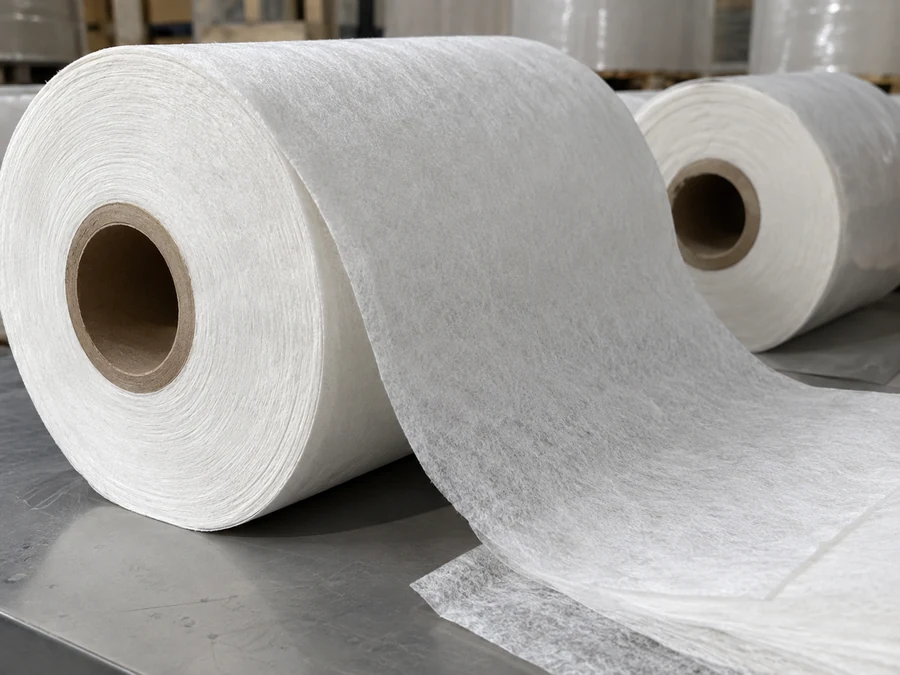
Condition and weigh specimens using an agreed grammage procedure and calibrated balance. ISO 12625-6:2016 specifies grammage measurement for tissue paper; confirm applicability before citing it as the airlaid contract method. Report individual values, location, mean and range. An acceptable average can hide a heavy edge and light center that destabilize a converting line.
Check whether variation repeats in production
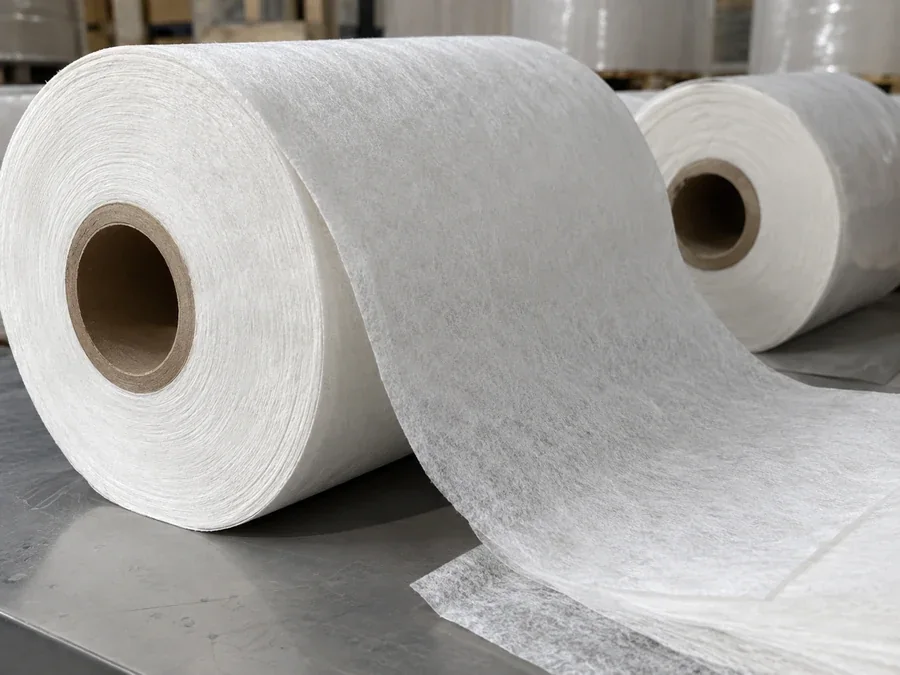
Compare the same cross-web lane at the start, middle and end of the sampled roll. If a pattern persists, retain full-width strips and run a controlled slitting or folding trial at known settings. Record rejects by lane rather than attributing all waste to the parent roll. GSM differences may matter differently for printing, folding and absorbent use.
Specify a usable-width decision
Agree cross-web tolerance, allowable local variation, trim treatment and dispute sampling before the order. A narrow defect lane may have a different commercial effect from random full-width variation. Ask the airlaid paper supplier for the roll map, raw readings and the quantity of saleable material after any agreed trim.
Buyer comparison record
| Check | Record | Buyer purpose |
|---|---|---|
| Location | Drive, center, operator and length position | Find repeating lanes |
| Specimen | Area, conditioning and mass | Make GSM comparable |
| Readings | Each value plus range | Avoid hiding extremes |
| Conversion | Rejects by web lane | Link variation to actual yield |
What should buyers ask the airlaid paper supplier?
- Usable width, trim allowance and nominal GSM
- Cross-web and down-web sampling map
- Agreed grammage method and individual readings
- Tolerance and converting-trial disposition
Send the airlaid paper supplier your intended use, destination and required acceptance decision.
Airlaid Paper Rolls: Which GSM, Width, and Winding Tolerances Reduce Converting Waste?
Airlaid Paper Supplier: How Can Converters Prevent Edge Curl?
Airlaid Paper Manufacturer: How Binder Choice Affects Converting
Questions buyers also ask
Can one center specimen approve a full roll?
No. It cannot reveal an edge or cross-web lane that differs from the center.
Does GSM identify the cause of a streak?
No. It shows mass per area; root-cause work may require other physical or analytical checks.
Can the tissue ISO method automatically be applied to airlaid?
Check the standard’s scope and contract method against the exact airlaid construction before using it as the acceptance basis.
Sources and scope notes
- ISO 12625-6:2016 Supports: Defines grammage measurement for tissue paper and tissue products. Limit: Its scope must be checked before applying it to a particular airlaid nonwoven.
- Sansheng airlaid material guide Supports: Provides the airlaid material and converting context. Limit: Does not give this article’s cross-web readings.
Source scope checked October 22, 2026. Illustrative images do not document a Sansheng test, certified SKU or customer order.
Request an identified sample review
Send the airlaid paper supplier your exact SKU, approved sample, buying destination and evidence requirement. The record can then be matched to the decision before a quote or release.
Sales Manager at Sansheng Paper · 20+ years in tissue paper OEM & bulk export · LinkedIn