B2B procurement · Buyer guide
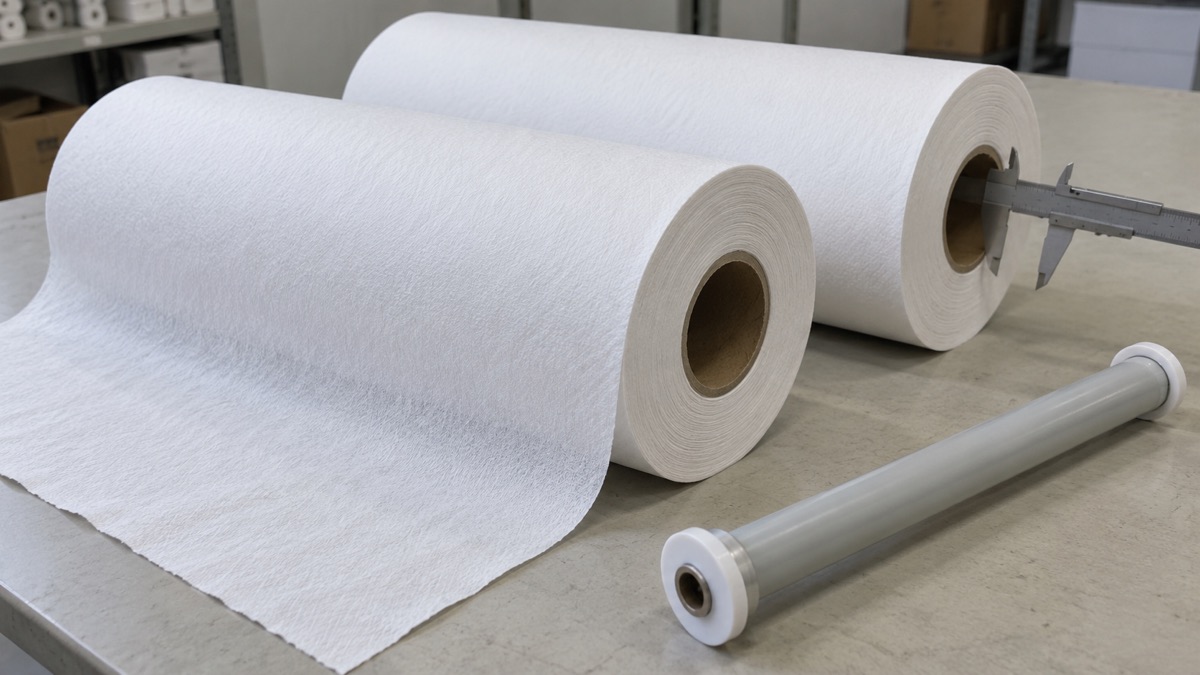
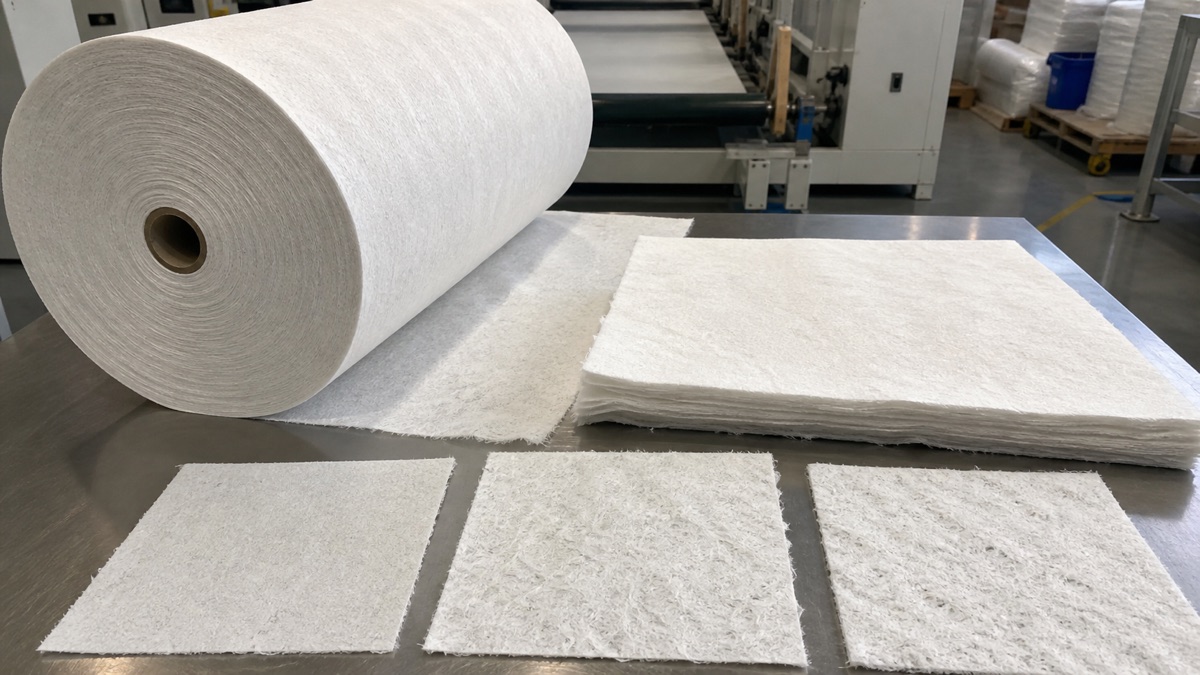
An airlaid paper supplier and converter should run one identified roll through a controlled unwind trial and log web tension as the roll moves from full diameter toward the core. Record speed, brake or drive setting, web path and break location alongside the material data. A changing reading does not by itself prove a defective roll; the machine control and roll construction must be reviewed together.
This is a converter troubleshooting plan, not a Sansheng web-tension result. No universal tension target is proposed for all airlaid grades or machines.
Send the exact SKU, buying destination and inspection question you need reviewed.
Reusable procurement data
Direct answer
An airlaid paper supplier and converter should run one identified roll through a controlled unwind trial and log web tension as the roll moves from full diameter toward the core. Record speed, brake or drive setting, web path and break location alongside the material data. A changing reading does not by itself prove a defective roll; the machine control and roll construction must be reviewed together.
Fix the converter setup
Record roll ID, width, diameter, core, splice locations and storage condition. Lock machine speed, web path, guide and brake-control mode for the comparison. The airlaid paper supplier should receive the converter’s actual line symptom, such as breaks near core or feeding instability, rather than an isolated number from a different machine.
Log diameter and tension together
Take time-stamped readings at full, intermediate and near-core diameters using the same calibrated sensor. Note speed changes, stops, splices and operator adjustments. Include readings before and after any tension-control correction. The TAPPI web-handling material describes winding and traction as system behaviors; a buyer still needs an agreed machine-specific acceptance window.
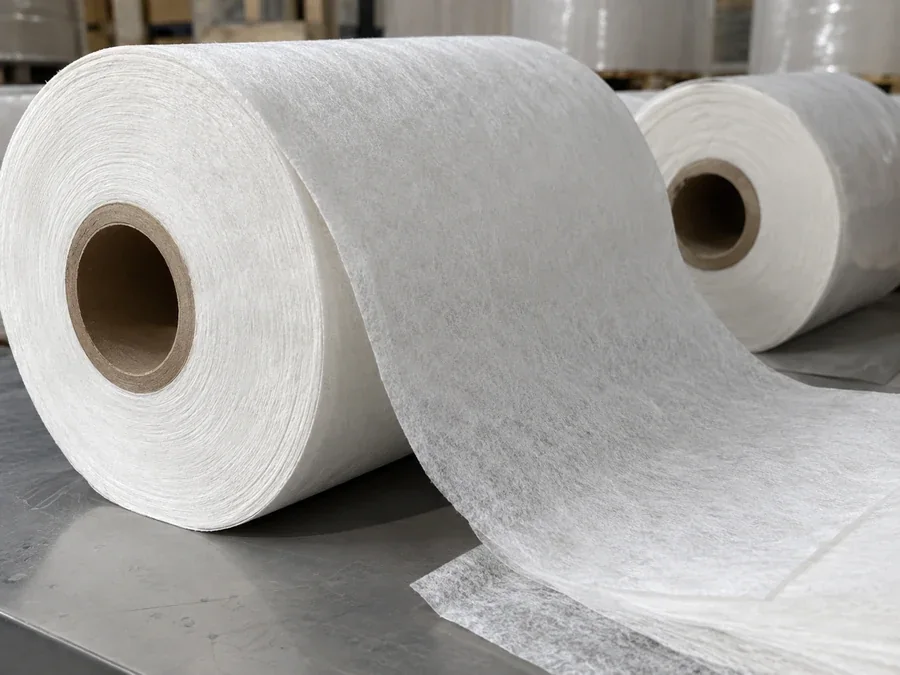
Separate material from controls
Run an approved reference roll under the same settings when safe. Examine web edge, winding shape and splice position while checking brake response and sensor calibration. If only one roll shows a drift, preserve the roll map and retained samples; if both drift together, inspect the machine first. Avoid assigning blame from one web break.
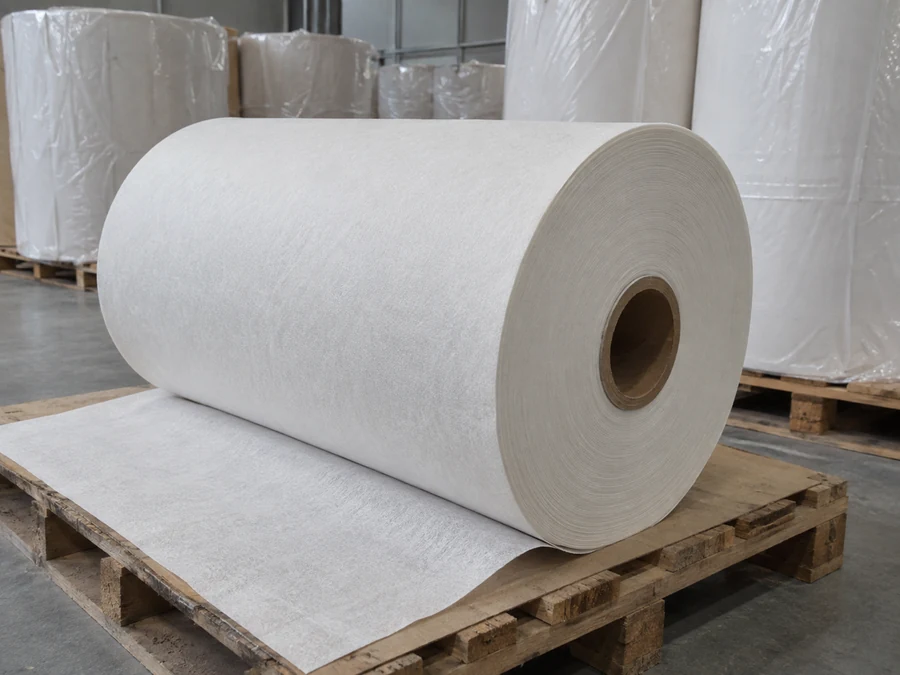
Specify the handoff record
Define an allowed tension band, logging interval, speed range and stop/restart rule for the converter’s product. Agree which deviations trigger hold, a second trial or a machine check. Recheck after basis weight, binder, winding, core or slitting changes. The release file should tie tension traces to the exact roll and finished SKU.
Buyer comparison record
| Check | Record | Buyer purpose |
|---|---|---|
| Roll | ID and diameter positions | Trace drift |
| Machine | Speed, brake and web path | Control setup |
| Trace | Time-stamped tension | Locate deviations |
| Outcome | Breaks and usable yield | Judge buyer impact |
What should buyers ask the airlaid paper supplier?
- Airlaid roll ID and construction
- Converter setup, speed and sensor calibration
- Full-to-core tension trace with event log
- Agreed band, retest and disposition rule
Send the airlaid paper supplier your intended use, destination and required acceptance decision.
Airlaid Paper Rolls: Which GSM, Width, and Winding Tolerances Reduce Converting Waste?
Questions buyers also ask
Does one web break prove low material strength?
No. Preserve line settings, splice and sensor records before assigning cause.
Can two different converters use one tension limit?
Not safely without validating the same web path and operating conditions.
Is roll hardness the same as unwind tension?
No. Roll structure may influence running, but the web tension is measured on the line.
Sources and scope notes
- TAPPI web handling and converting overview Supports: Shows winding, traction and web handling as related technical topics. Limit: Does not provide a Sansheng airlaid roll limit.
- Sansheng airlaid paper converting guide Supports: Identifies the relevant raw-material product context. Limit: Does not supply this article’s converter trial.
Source scope checked October 23, 2026. Illustrative images do not document a Sansheng test, certified SKU or customer order.
Request an identified sample review
Send the airlaid paper supplier your exact SKU, approved sample, buying destination and evidence requirement. The record can then be matched to the decision before a quote or release.
Sales Manager at Sansheng Paper · 20+ years in tissue paper OEM & bulk export · LinkedIn