B2B procurement · Buyer guide
A pocket tissue supplier should test the opening feature on the actual finished OEM pack, not only the unprinted film. Fix the grip point, pull direction and speed; record both force and failure mode. Compare packs from different cartons and include first-sheet damage. Low opening force is not useful if the pack opens during distribution.
This is a buyer test design. No Sansheng pack has been measured for this article, and no universal tear-open force is proposed. Resealable-label adhesion is a separate topic.
Send the exact SKU, destination and specification you need reviewed.
Reusable procurement data
Direct answer
A pocket tissue supplier should test the opening feature on the actual finished OEM pack, not only the unprinted film. Fix the grip point, pull direction and speed; record both force and failure mode. Compare packs from different cartons and include first-sheet damage. Low opening force is not useful if the pack opens during distribution.
Define which opening action the buyer wants
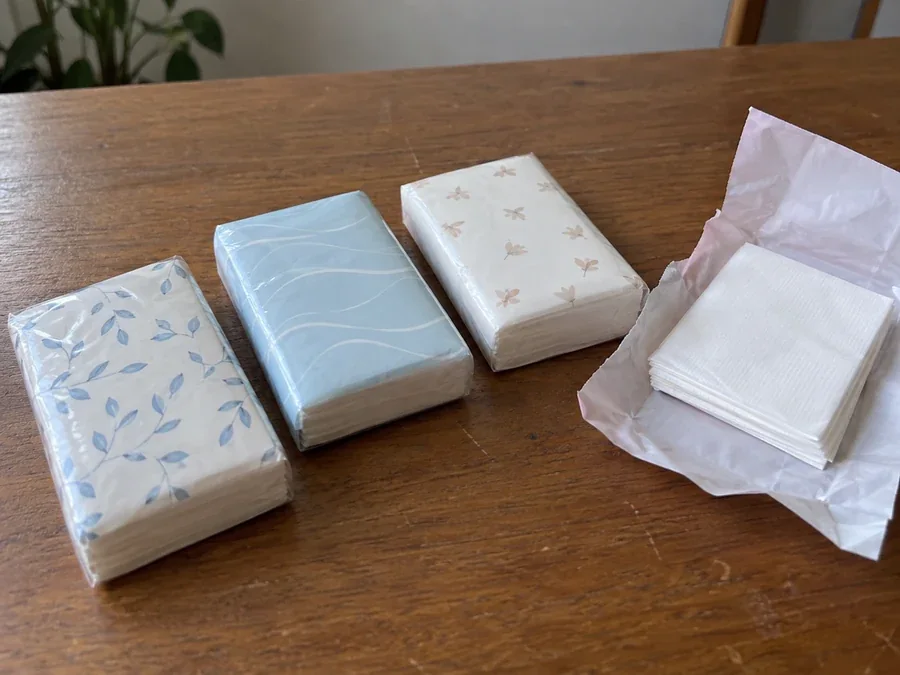
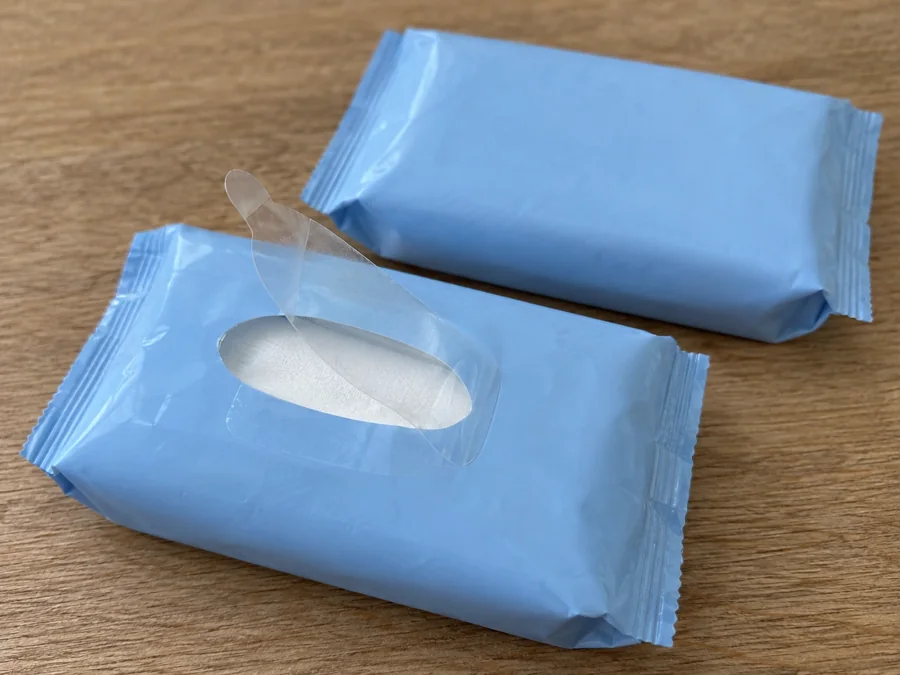
A pocket tissue supplier may offer a perforated slit, peel label or tear notch. State exactly where a user should start and whether the pack is designed to close again. Do not compare a peel label with a sealed notch under one unnamed “opening strength” number. Ask the OEM team for the approved pack drawing and a sealed production-intent sample.
The buyer should handle a sample with one hand if that matches the real use case, but the acceptance record must describe the repeatable bench method. Note whether the opening damages the first sheet, leaves sharp film edges or exposes the stack beyond the intended aperture. These observations often explain complaints better than force alone.
Specify a repeatable force test
Agree on conditioning time, grip width, pull angle, pull speed and the force instrument before comparing samples. Use the same starting point for every pack. If packs have different films or seals, record each construction rather than averaging them into one data line. Set a preliminary band only after testing an acceptable sample and a known difficult sample.
An instrument trace can show peak force; a user trial can reveal awkward handling. Keep both if the buyer needs both. Do not present a mockup or a supplier photo as a measured result. The tested pack must carry the correct film, adhesive, print and count.
Record failure modes across cartons
Sample from several cartons and pallet positions, then classify each opening: clean open, premature pack tear, seal rupture outside the intended line, label delamination, or torn first sheet. Photograph exceptions alongside the carton and lot ID. A pack that opens easily after the seal has weakened in transit may fail the distribution requirement.
For a private-label order, separate a film lot problem from an assembly problem. If only one print run or one sealing lane fails, segregate that segment before deciding whether to reject the entire shipment. Agree in advance how expanded sampling will be triggered.
Release the OEM pack, not just the tissue
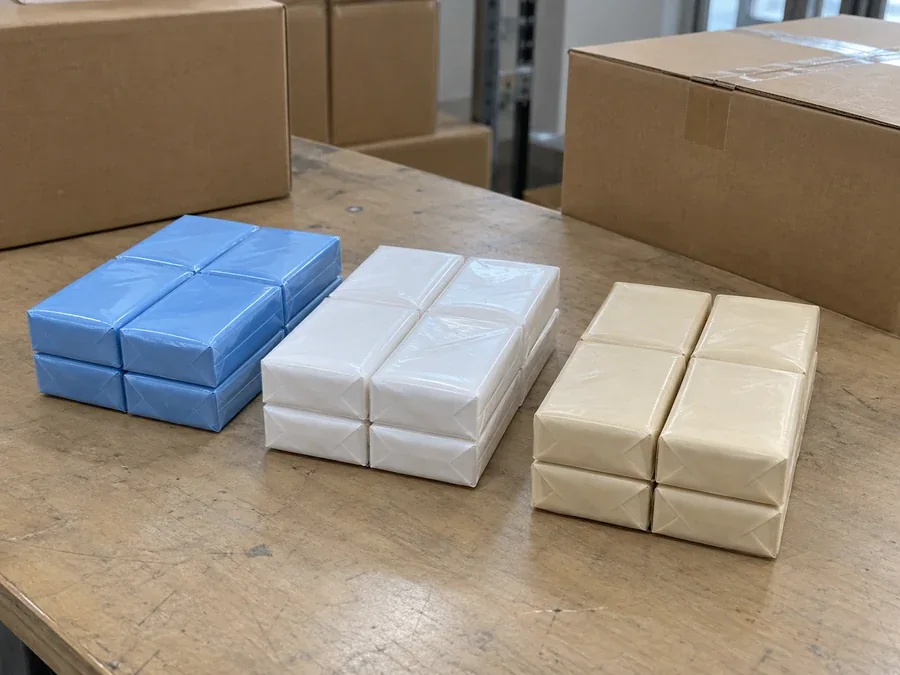
Approve the tissue sheet, pack dimensions, opening geometry and case packing together. On a repeat order, check whether the film gauge, label adhesive or sealing settings changed. A sample approved before an artwork or film change may no longer represent the bulk run. Record who signs the updated pack proof and retention sample.
A pocket tissue supplier should quote with the final pack type and distribution channel named. If the requirement is “easy to open,” convert that phrase into a shared demonstration and measurable acceptance plan. Keep reseal performance as a separate check where a label is used.
Buyer comparison record
| Check | Record | Buyer purpose |
|---|---|---|
| Opening path | Drawing and finished sample | Compare like with like |
| Force | Grip, angle, speed and peak | Make the measurement repeatable |
| Damage | Seal, film and first-sheet failure codes | Capture buyer-visible defects |
| Lot spread | Samples from multiple cartons | Find variable sealing performance |
What belongs in the RFQ?
- Finished OEM pack drawing and approved opening feature
- Tissue count, pack film and seal construction
- Pull setup and acceptance band developed from samples
- Failure-mode definitions and carton sampling plan
- First-sheet appearance and change-notification requirements
Send the supplier your intended use, destination and required acceptance decision.
Pocket Tissue Wholesale: How to Plan Mixed-SKU Orders?
Private Label Pocket Tissue: Which Pack Tests Prevent Seal and Count Complaints?
Questions buyers also ask
Is opening force the same as reseal strength?
No. Opening the original pack and reclosing a peel label are separate actions; specify and test both if needed.
Can an unprinted film sample qualify the finished pack?
Not by itself. Test a production-intent pack with the final seal, film, count and opening geometry.
Why record first-sheet damage?
It is the first product contact the consumer sees and may fail even when measured pack force is acceptable.
Sources and scope notes
- Sansheng pocket tissue product page Supports: Pocket tissue product context. Limit: Does not provide a measured force or guarantee an OEM pack construction.
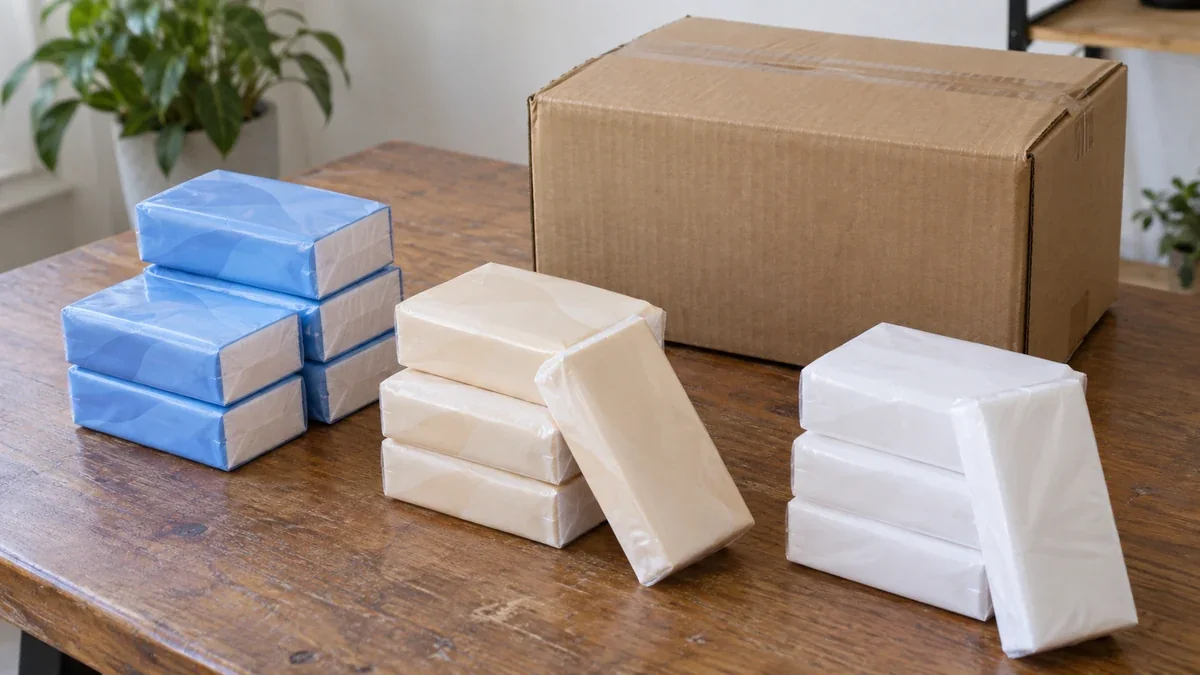
Source scope checked October 15, 2026. Illustrative images do not document a Sansheng test, certified SKU or customer order.
Request an identified sample review
Send the SKU, approved sample, buying destination and the evidence your team needs. We can identify the documentation still required before a quote or release decision.
Sales Manager at Sansheng Paper · 20+ years in tissue paper OEM & bulk export · LinkedIn