Tissue Mother Rolls · B2B procurement guide
A tissue mother roll supplier is not automatically responsible for every damaged core found at destination. Identify when the damage was first observable, preserve handling and packing evidence, and review the agreed product specification, delivery terms and claims procedure. Separate physical cause, contractual responsibility and recoverable cost before requesting a credit.
For converters receiving tissue parent rolls. This guide concerns evidence and commercial claim handling, not a legal ruling or instructions for operating damaged rolls.
Send the product revision, intended use, order quantity, destination and the approval question you need to resolve. A useful quotation starts with those details.
Send the specification for review WhatsApp +86 157 6268 3071
Reusable procurement data

Record the condition before the roll moves again
Photograph the wrapping, roll identifier, core ends and the surrounding load before unpacking changes the evidence. Show both an overall view and close detail. Note whether other rolls have similar damage and whether pallets, chocks or protective materials have shifted. Record receipt time and who first observed the problem.
Notify the tissue mother roll supplier promptly through the agreed channel. Preserve the packaging and affected roll while the parties decide the next step. Do not attempt to mount an unsafe core to prove a production loss. The converter’s handling team must decide what can be moved or inspected safely.
Distinguish core collapse from other roll defects
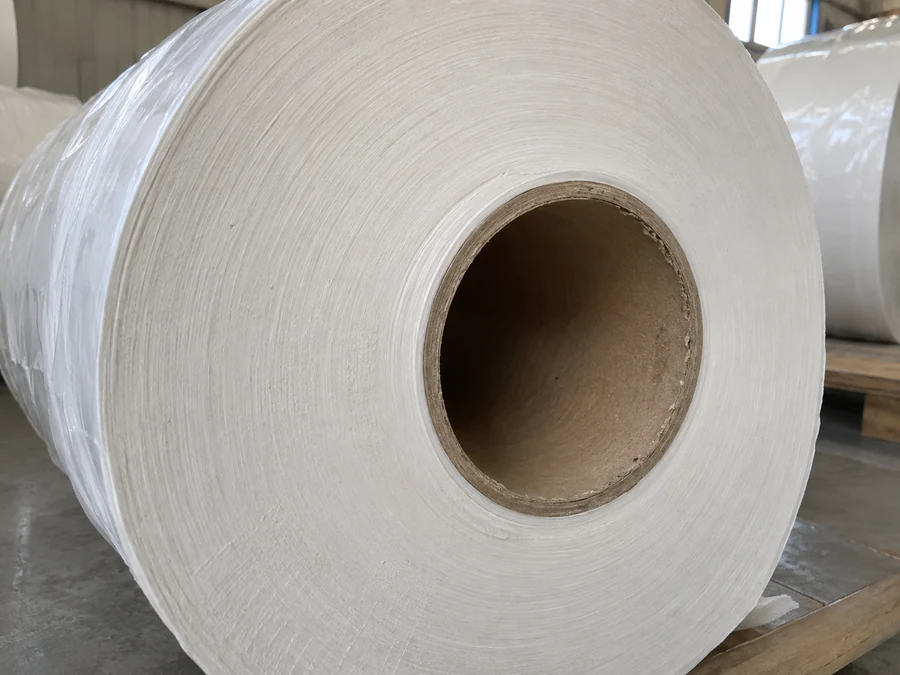
Core deformation, an external flat spot and telescoping are different observations. Measure the relevant geometry with an agreed method and identify where the defect occurs. A photograph of a flattened outside surface does not establish that the core failed first. Likewise, a damaged core does not reveal which handling stage caused the load.
A tissue mother roll supplier can compare the report with pre-dispatch core and packing records. Ask the carrier or warehouse for the available handover observations. ISO 11093-9 addresses flat-crush testing of wound paper and board cores; its scope and thickness limitation must be checked before treating it as the appropriate test.
Which agreement determines the allocation of loss?
Read the purchase specification, packing requirement, delivery rule, insurance arrangement and notice procedure together. The fact that a party arranged freight does not by itself settle every quality or damage claim. ICC guidance distinguishes delivery obligations from other sales-contract issues. Ask an adviser to interpret disputed legal terms for the actual transaction.
The tissue mother roll supplier should be asked to explain the evidence within its control, not to accept an unsupported cause. If the buyer changed unloading equipment or storage practice, include that information too. A balanced evidence file makes an independent review more useful and avoids arguing from selective photographs.
Calculate the claim from documented disposition
Separate the affected quantity, safe salvage, additional inspection, approved rework and unusable material. Explain the unit of measure and retain records supporting each cost. Do not value every questionable roll as a total loss before an agreed assessment. Obtain authorization before actions that destroy evidence or add substantial expense.
A tissue mother roll supplier settlement should identify the affected shipment and whether it resolves replacement, credit or another remedy. Record preventive actions separately from the payment decision. A commercial concession does not automatically prove a technical cause, and one settlement should not silently rewrite the next order’s packing specification.
Tissue mother roll supplier approval checklist
| Control point | What to record | Buyer purpose |
|---|---|---|
| Receiving evidence | Before-unpacking images and IDs | Preserve sequence |
| Technical finding | Core, outside shape or telescoping | Separate mechanisms |
| Responsibility | Specification and handover terms | Avoid automatic blame |
| Loss | Quantity, salvage and approved costs | Support the requested remedy |
Put these fields in the RFQ
For tissue mother roll supplier discussions, keep the following fields with the controlled specification rather than scattering them across messages.
- Core and roll specification
- Packing and approved handling requirements
- Pre-shipment photographs and roll IDs
- Delivery terms and notice process
- Independent review and claim-disposition procedure
For related formats, review TAD paper formats before comparing quotations.
Questions buyers also ask
Does an intact outer wrap rule out damage?
No. Document both the wrap and core condition; neither observation alone establishes the full history.
Should damaged cores be tested on the production line?
Not without a safe assessment by the responsible equipment and handling personnel. Preserve evidence without creating a new hazard.
Sources and scope notes
- ISO 11093-9:2019 — flat crush resistance of cores. Supports: The public abstract describes maximum flat-crush testing of wound paper and board cores. Limit: It notes a limitation for core walls below 5 mm and does not set a finished-roll pass value or allocate damage liability.
- ICC — Incoterms 2020 questions and answers. Supports: The role and limits of delivery rules within a sales transaction. Limit: It does not decide ownership, liability or remedies in the buyer’s actual contract; obtain transaction-specific advice.
Request a specification-based review
Send the tissue mother roll supplier requirements, reference sample details, pack format, volume and destination. Identify the open decision so Sansheng can confirm the available product information and what still needs buyer or laboratory approval.
Send the specification for review WhatsApp +86 157 6268 3071

Sales Manager at Sansheng Paper · 20+ years in tissue paper OEM & bulk export · LinkedIn