B2B procurement · Buyer guide
A toilet paper manufacturer should reconcile mixed-SKU shipments at three levels: rolls per retail pack, retail packs per master carton, and cartons per pallet or order line. Use the approved packing bill for each SKU, verify real sealed cases from the run, and match external labels to their actual contents. A pallet total can balance while one case contains the wrong pack or quantity.
This is a packing and traceability audit, not a universal sampling standard, a barcode certification or a Sansheng shipment result.
Send the exact SKU, buying destination and inspection question you need reviewed.
Reusable procurement data
Direct answer
A toilet paper manufacturer should reconcile mixed-SKU shipments at three levels: rolls per retail pack, retail packs per master carton, and cartons per pallet or order line. Use the approved packing bill for each SKU, verify real sealed cases from the run, and match external labels to their actual contents. A pallet total can balance while one case contains the wrong pack or quantity.
Lock a separate hierarchy for every SKU
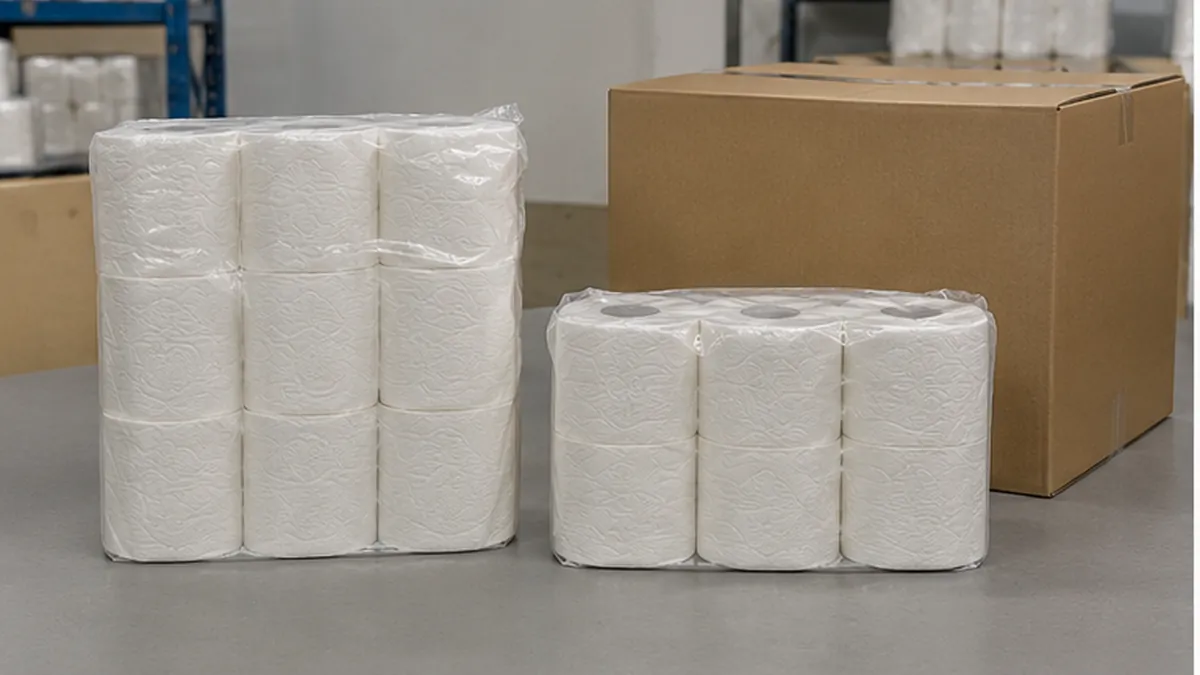
The toilet paper manufacturer and buyer should agree the roll specification, rolls per retail pack, packs per case and cases per pallet for each sellable item. Record the pack and case identifiers as well as the carton artwork revision. GS1 describes trade-item packaging levels and the relationship between an each, inner pack and case; the specific count still comes from the buyer-approved commercial file. Do not infer case content from carton size, because different pack sizes can occupy similar space. A shared master-carton design, where approved, still needs an individual case-packing rule and label for each SKU.
Source for this method: GS1 US packaging levels. Does not set Sansheng case quantities or validate a shipment.
Verify physical contents before a case is sealed
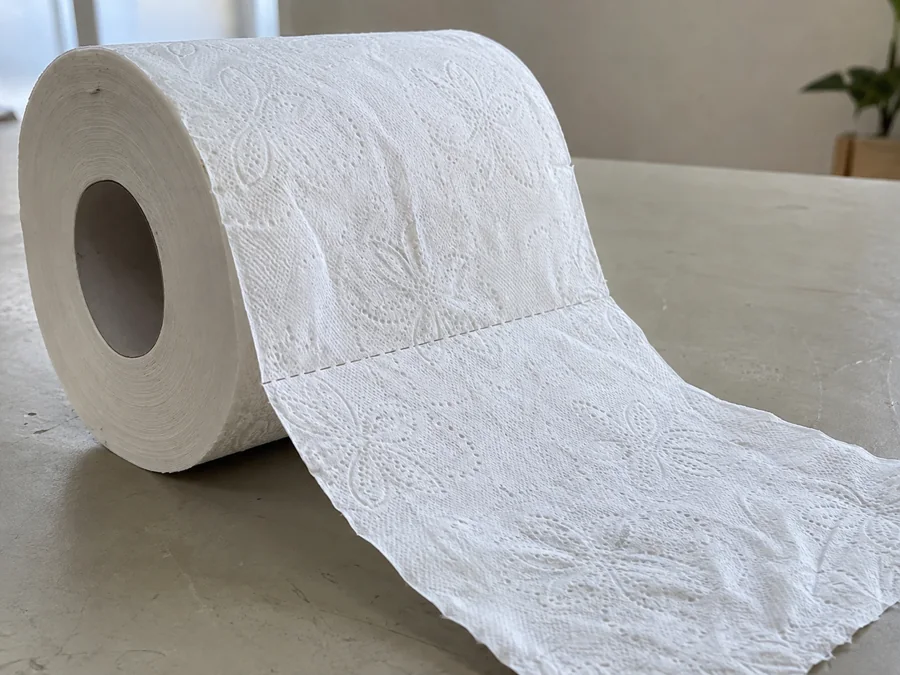
Sample filled but unsealed cases at the approved frequency and count retail packs by hand or an agreed machine-vision method. Open selected sealed cases from different shifts or packing lanes to verify the control did not drift after startup. Record pack count, individual roll count where relevant, product artwork and case ID. A simple gross-weight screen can flag a missing pack, but similar SKU weights can hide a substitution. Keep a defect category for short count, overcount, wrong SKU, damaged pack and incorrect case label rather than reducing all issues to one variance number.

Reconcile cases, pallets and documents
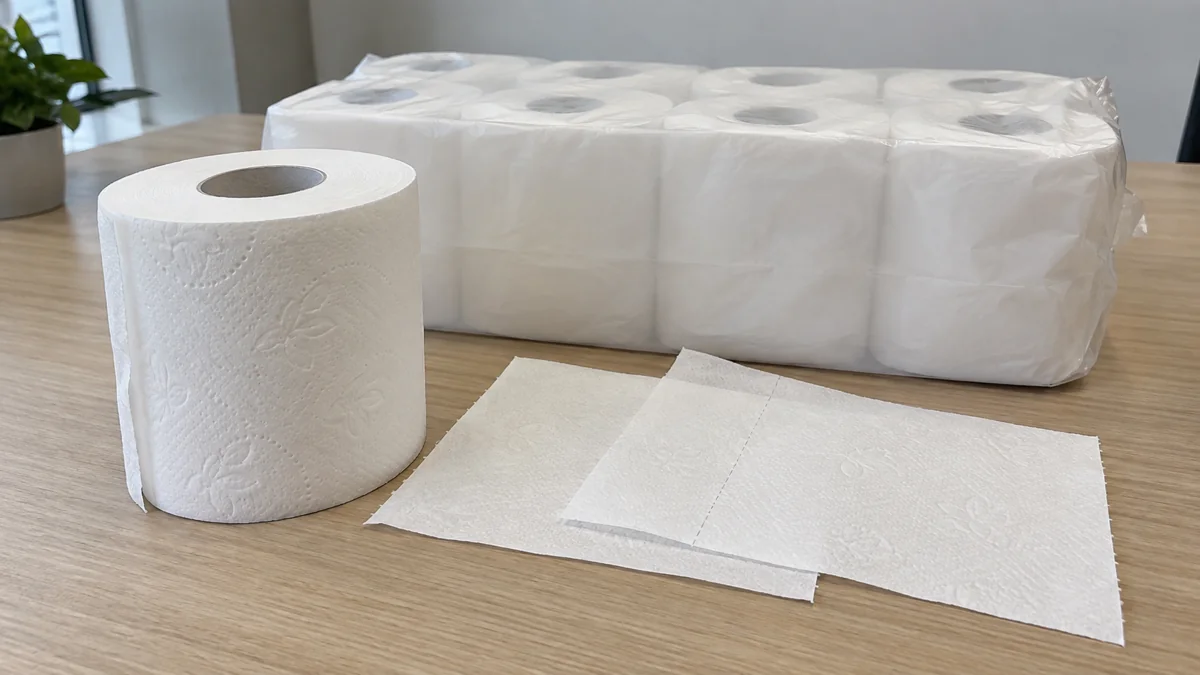
For each order line, multiply the approved packs per case by the physically counted cases, then compare the result with the packing list and purchase order. Check pallet tags and case labels against the cases on the pallet. Mixed pallets need a layer or position map if a warehouse operator will pick them by SKU. Keep a second-person sign-off or a controlled scan record at the point where mixed lines are combined. Do not accept a correct overall carton total as proof that the SKU mix is right; a surplus of one item can conceal a shortage of another.
Set a clear exception and repeat-order rule
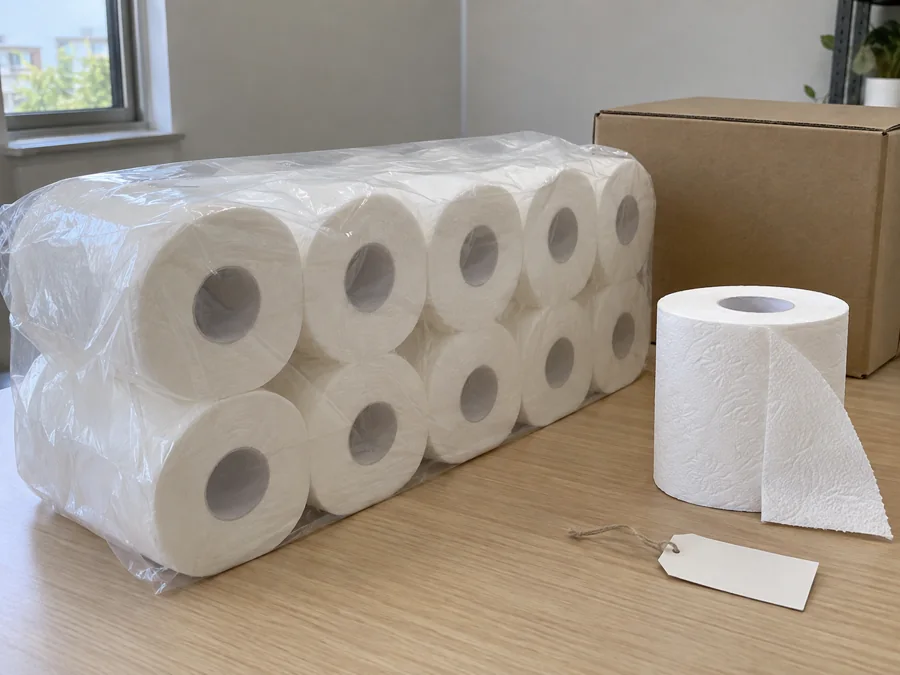
Agree who holds a pallet when a case count or identity fails. Preserve the original case, label, lot code and count record, then inspect the relevant run or lane under the buyer-approved expansion plan. Update documents only after the physical stock is reconciled. On repeat orders, confirm that retail pack size, case count, label and GTIN hierarchy remain aligned; an artwork or pack-count change can invalidate an old case label even if the carton dimensions do not change. Request a trial mixed pallet when the program is new or the picking route is complex.
Buyer comparison record
| Check | Record | Buyer purpose |
|---|---|---|
| Retail pack | Roll count and SKU art | Confirm sellable unit |
| Master carton | Packs per case and case label | Catch short count or substitution |
| Pallet | Case count and SKU position | Support receiving and picking |
| Order | Line totals versus packing list | Close reconciliation |
What should buyers ask the toilet paper manufacturer?
- Approved roll, retail pack and master-case hierarchy per SKU
- Physical count control and sealed-case sample plan
- Case and pallet label fields and mixed-pallet position map
- Mismatch hold, recount and document correction owner
Send the toilet paper manufacturer your intended use, destination and required acceptance decision.
Pocket Tissue Supplier: How to Match Lot Codes Across Mini Packs and Cartons?
Private Label Toilet Paper Supplier: How to Test Pack Seals?
Private Label Toilet Paper RFQ: How to Prevent Carton Cube Loss
Questions buyers also ask
Can carton weight replace a physical count?
It can screen for anomalies, but similar SKU weights or pack variation can hide an incorrect content mix.
Does one carton design mean one packing rule?
No. Each approved SKU still needs its own content count and label.
Why reconcile by SKU rather than total cartons?
An overage of one SKU can mask a shortage of another in the total.
Sources and scope notes
- GS1 US packaging levels Supports: Explains trade-item levels including each, inner pack and case. Limit: Does not set Sansheng case quantities or validate a shipment.
- Sansheng toilet paper product page Supports: Identifies the relevant toilet-paper product program. Limit: Does not document a mixed-carton count result.
Source scope checked November 15, 2026. Illustrative images do not document a Sansheng test, certified SKU or customer order.
Request an identified sample review
Send the toilet paper manufacturer your exact SKU, approved sample, destination and evidence requirement. Match the available record to your buying decision before a quote or release.

Sales Manager at Sansheng Paper · 20+ years in tissue paper OEM & bulk export · LinkedIn