B2B procurement · Buyer guide
A smaller facial-tissue box changes more than board consumption. Ask the facial tissue supplier to hold the approved sheet count and tissue specification constant, then compare filled-box fit, dispensing, carton count, pallet density and freight. Price the redesign per accepted retail box and per shelf facing. A lower box price can be offset by tooling, fewer cases per pallet, damaged tissue or a poor shopper opening experience.
This is a buyer cost worksheet, not an assertion that Sansheng has approved a particular new box or achieved a measured saving.
Send the exact SKU, buying destination and inspection question you need reviewed.
Reusable procurement data
Direct answer
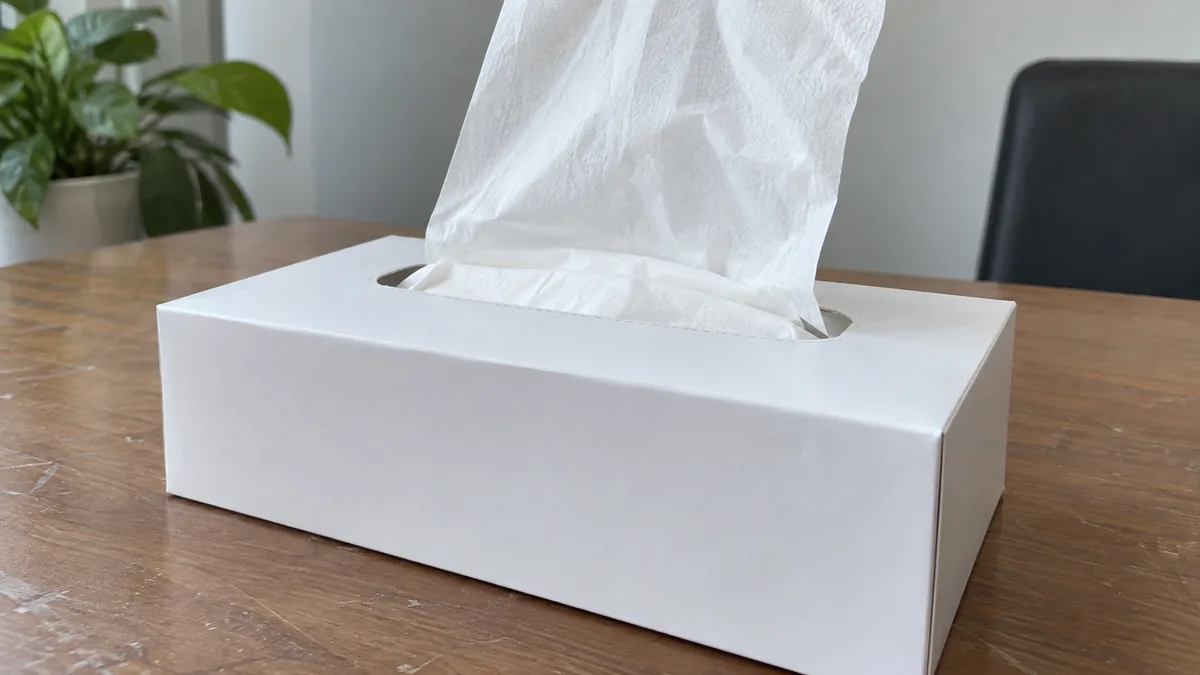
A smaller facial-tissue box changes more than board consumption. Ask the facial tissue supplier to hold the approved sheet count and tissue specification constant, then compare filled-box fit, dispensing, carton count, pallet density and freight. Price the redesign per accepted retail box and per shelf facing. A lower box price can be offset by tooling, fewer cases per pallet, damaged tissue or a poor shopper opening experience.
Hold the tissues constant first
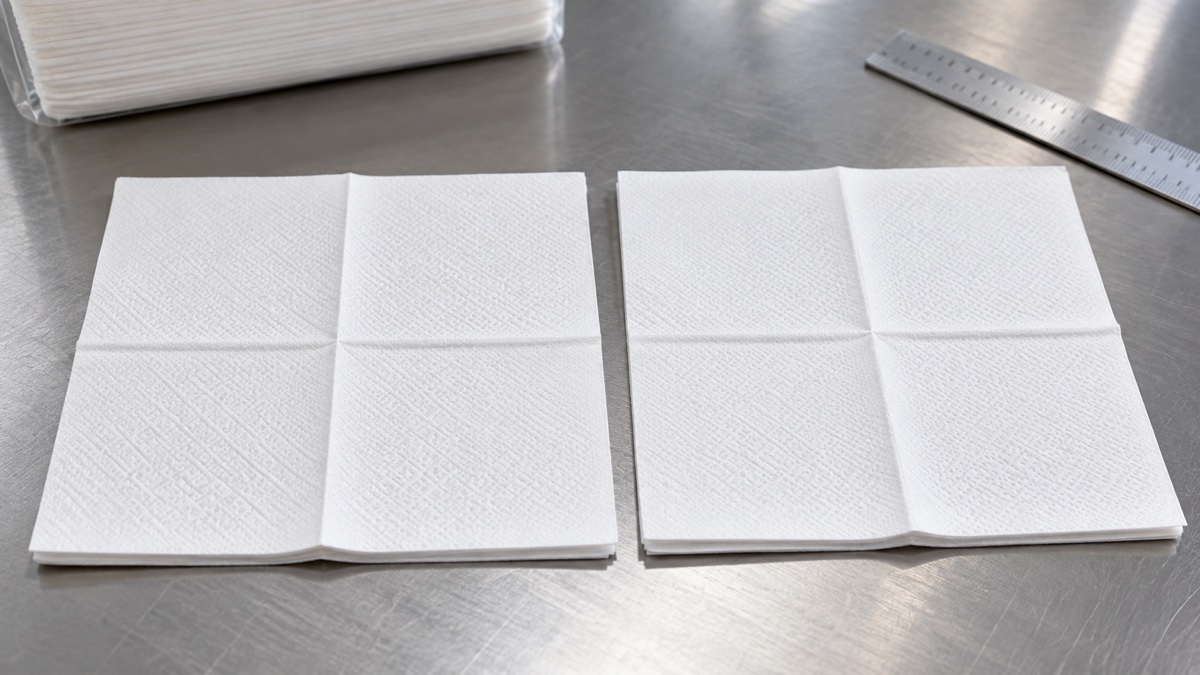
Record sheet count, open size, ply, folding pattern, basis weight and the finished stack dimensions of the current SKU. Use that same tissue in the proposed box unless the buyer intentionally starts a new product specification. Obtain an assembled, filled sample of both boxes. Check whether the final sheets dispense cleanly, whether the first sheet tears and whether compressed corners deform the stack. An empty die-line can look efficient while a filled box performs poorly. Keep opening style, window film and consumer claim visible in the comparison.
Price the complete box change
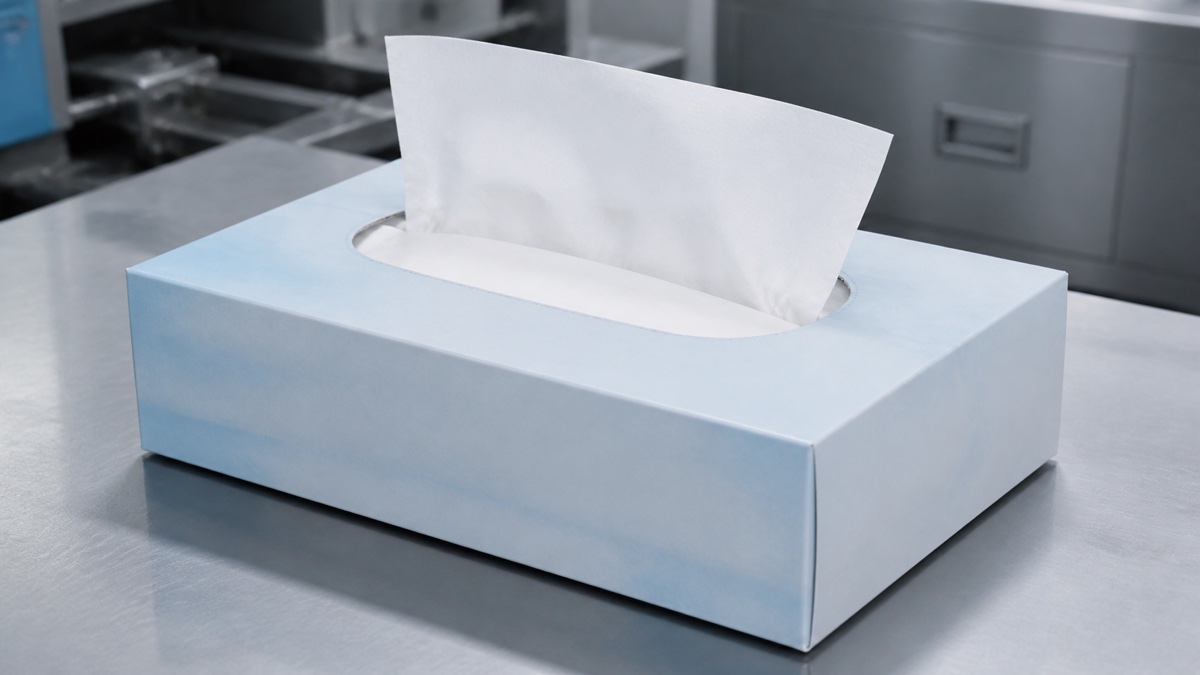
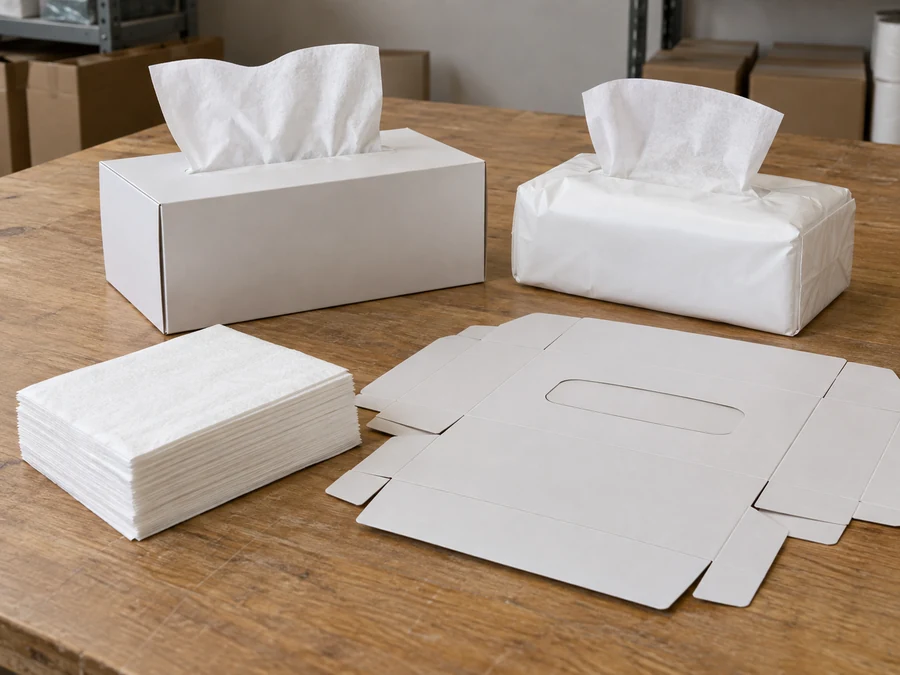
Separate board area and grade, print setup, die tooling, window film, glue and packing-line adjustment. Ask for the new cost at realistic first-order and repeat-order volumes. Include destruction or use of existing branded boxes if the redesign makes them obsolete; ownership and credit should be written in the order. Do not claim that a smaller outer dimension automatically uses less board, because flap geometry and board grade can change. Compare the supplier’s proposal per accepted finished retail box, not only per thousand flat blanks.

Measure shelf and shipment effects
Record filled box dimensions, cases per master carton, cartons per pallet and the intended shelf-facing width. A slimmer box can improve shelf density but might require a new case orientation or a taller stack. Check retailer shelf rules and handling limits with a physical sample. Estimate freight and warehouse handling per retail box on a common destination basis. If the box is significantly changed, ask the brand owner to review GTIN and item master data under GS1 rules. A freight saving is only real when the final pallet plan and accepted output support it.
Source for this method: GS1 GTIN Management Standard. The brand owner must decide the actual GTIN and market data; this is not a Sansheng SKU approval.
Make the rollout and old-stock decision explicit
Approve the finished box, first production article, case label and revised data sheet before the new format replaces the old one. Record whether the retailer will sell both versions during a transition and how the warehouse distinguishes them. Agree what happens to printed old boxes, how long they may be used and whether mixed cases are allowed. Check barcodes and shelf labels after the final box dimensions are fixed. If a pilot reveals scuffing or poor dispensing, stop before ordering a full print run and revise the construction instead of silently reducing sheet count.
Buyer comparison record
| Check | Record | Buyer purpose |
|---|---|---|
| Product held constant | Count, size and fold | Isolates box impact |
| Box cost | Board, die, print and film | Shows full setup cost |
| Retail fit | Filled box and shelf facing | Tests shopper use |
| Logistics | Cases, pallets and freight | Tests landed economics |
What should buyers ask the facial tissue supplier?
- Current and proposed filled box dimensions
- Same tissue specification and dispensing sample
- Board, die and artwork cost separated from tissue
- Case, pallet, shelf and transition-stock plan
Send the facial tissue supplier your intended use, destination and required acceptance decision.
Facial Tissue Supplier: How to Check Box Fill Height?
Facial Tissue Supplier: How to Test Pop-Up Sheet Handoff?
Facial Tissue Supplier: How to Check Box Window Film Detachment?
Questions buyers also ask
Does a smaller box always cut cost?
No. Tooling, board grade, packing speed and freight can offset a lower blank price.
Can the same tissue count stay in the new box?
Only if a filled physical sample dispenses acceptably and meets the approved specification.
Who reviews item data after a resize?
The brand owner and retailer should review the final trade-item record.
Sources and scope notes
- GS1 GTIN Management Standard Supports: Explains when trade-item changes require an identifier review. Limit: The brand owner must decide the actual GTIN and market data; this is not a Sansheng SKU approval.
- Sansheng facial tissue product page Supports: Identifies the boxed facial-tissue product family. Limit: It does not document a box-resize saving for an identified SKU.
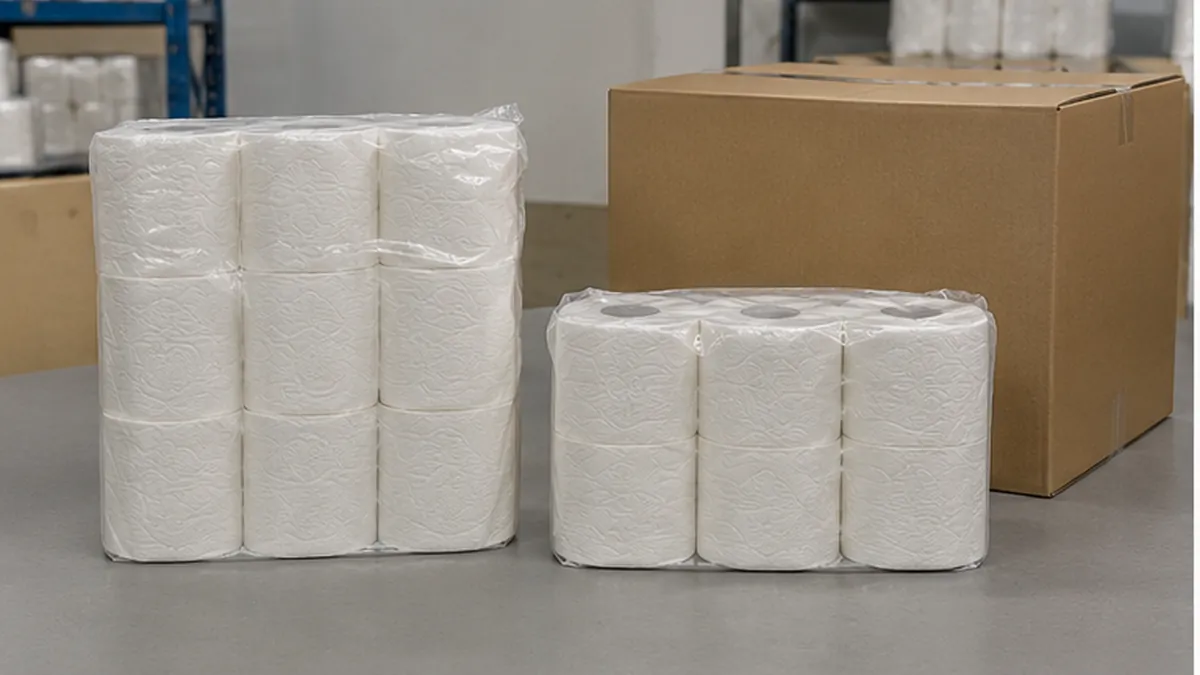
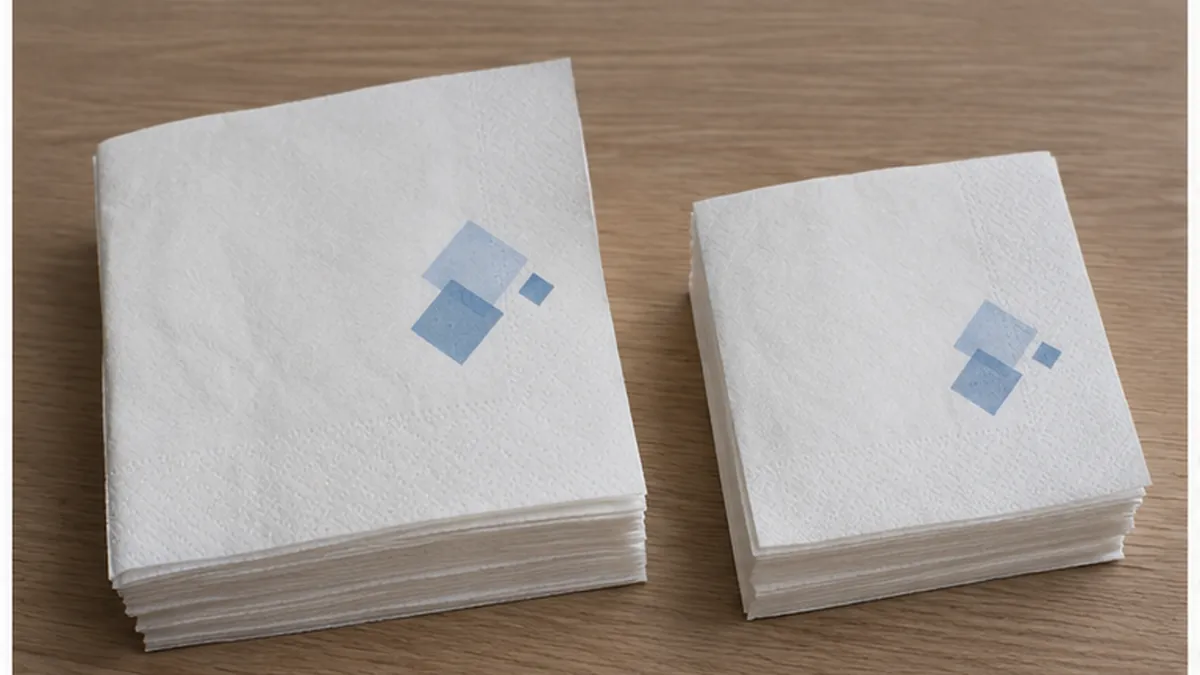
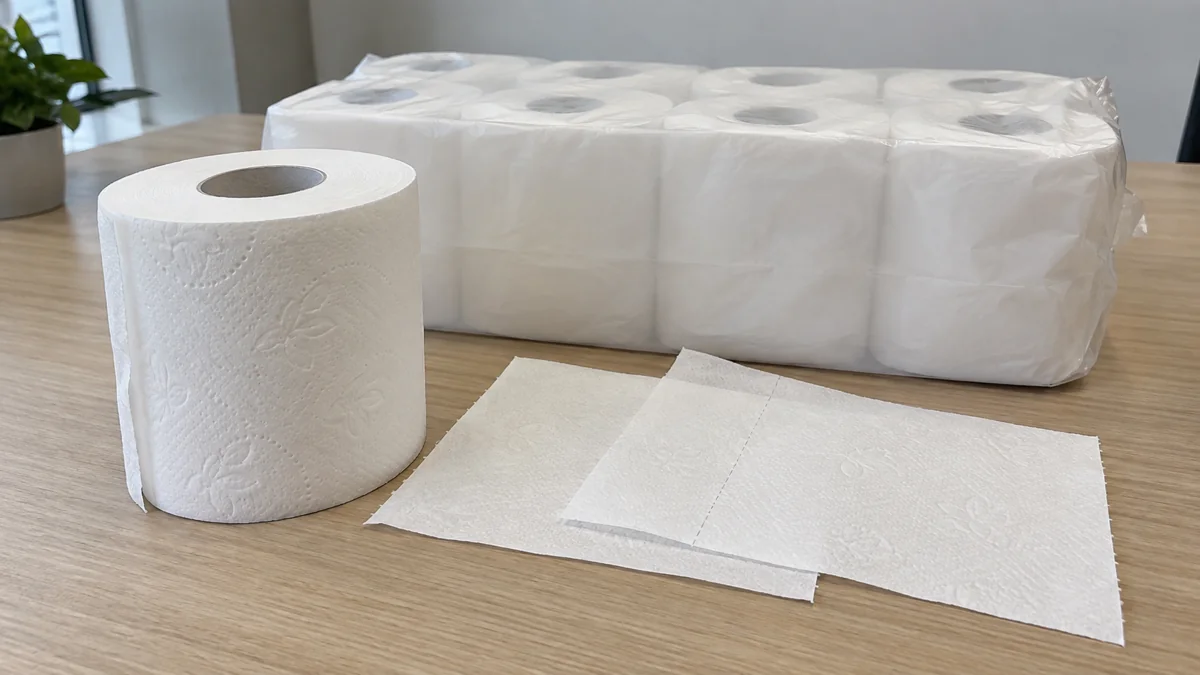
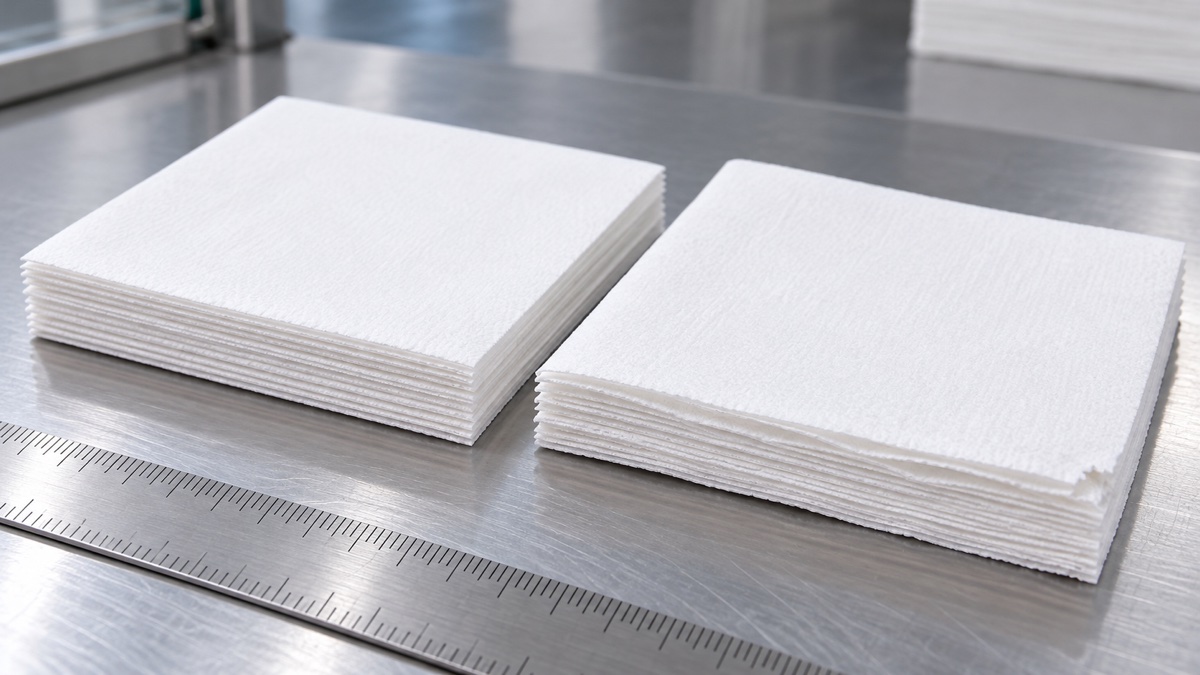
Source scope checked November 17, 2026. Illustrative images do not document a Sansheng test, certified SKU or customer order.
Request an identified sample review
Send the facial tissue supplier your exact SKU, approved sample, destination and evidence requirement. Match the available record to your buying decision before a quote or release.

Sales Manager at Sansheng Paper · 20+ years in tissue paper OEM & bulk export · LinkedIn