What are Tissue Mother Rolls?
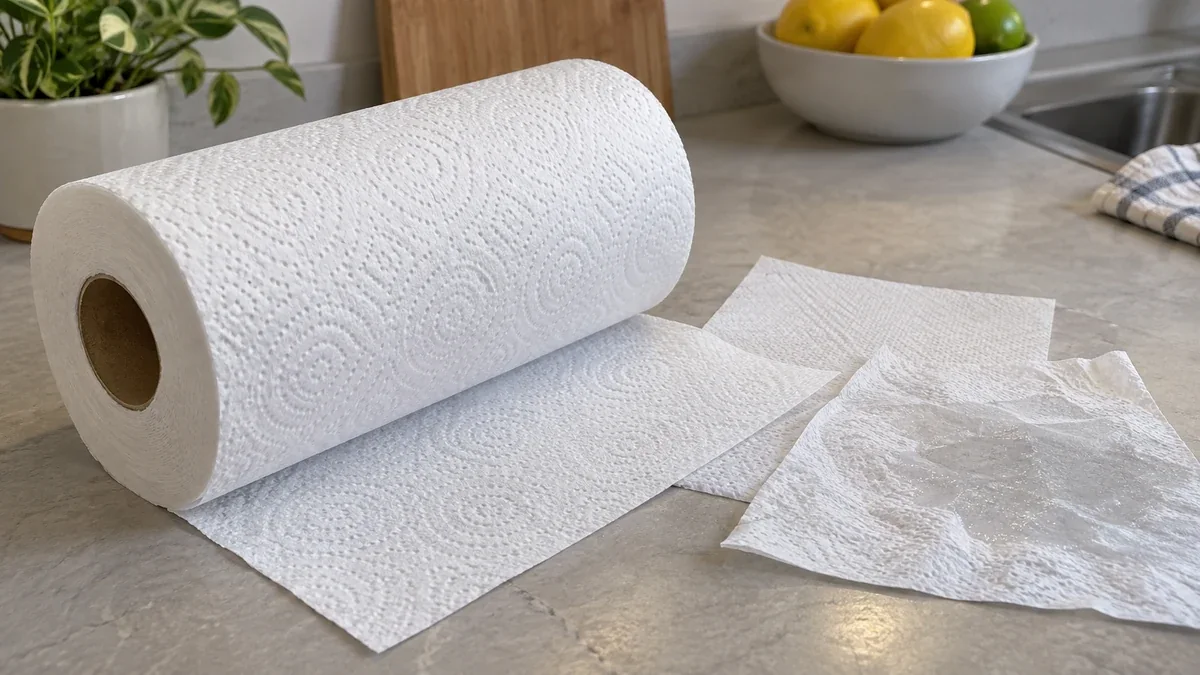
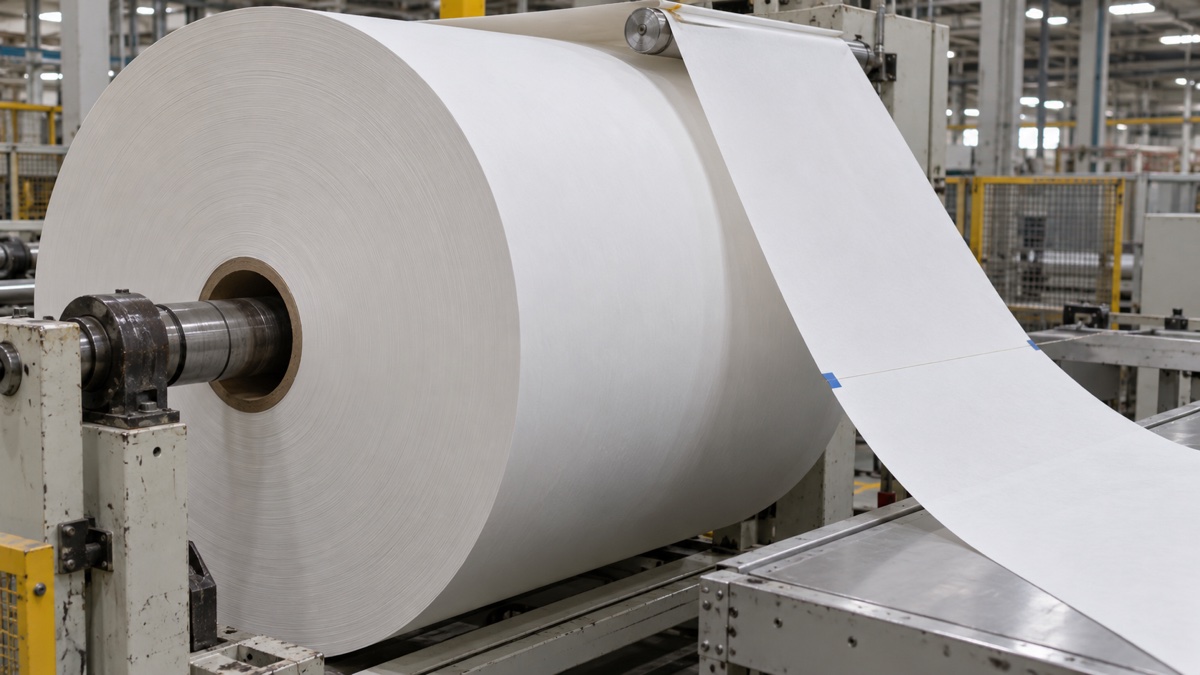
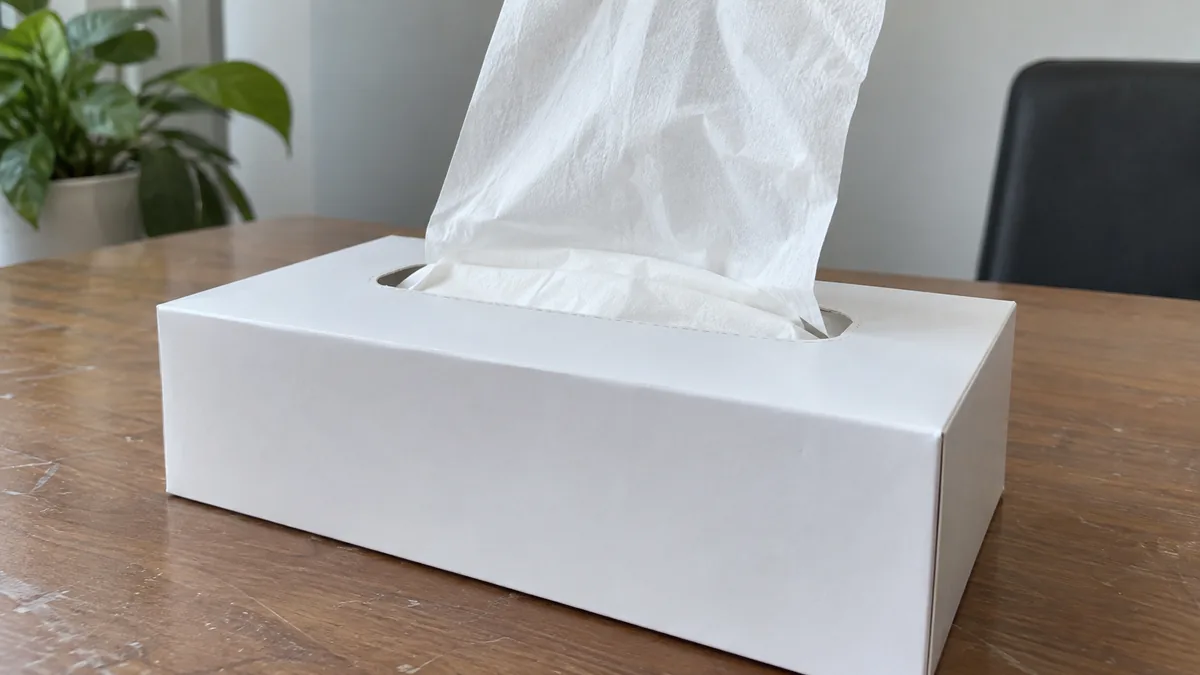
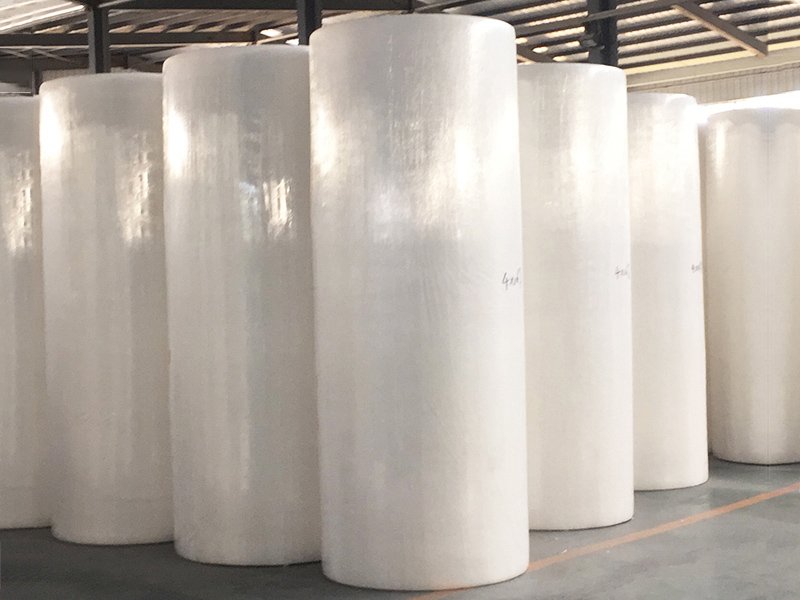
Alright, picture this: you’ve just had a long day, and all you want is some cozy facial tissue to cry into (no shame, we’ve all been there). But did you ever pause to think about where that tissue came from? Enter the superhero of the tissue world: the tissue mother roll! These giant, unprocessed rolls of tissue are the real MVPs when it comes to producing all the tissue goodies we use daily—think toilet paper, paper towels, and yes, the comforting handkerchief that catches all your tears (and maybe even some snot). Made from everything from virgin wood pulp to recycled paper, these rolls are the foundation of sustainable tissue production.
Last updated: March 2026
The Importance of Tissue Mother Rolls in Production
Now, let’s break it down, folks! These mother rolls aren’t just sitting around, munching popcorn and binge-watching Netflix—they’re busy at work. They’re the crucial step from raw materials to the tissues we all love and need! Once they get the ol’ cutting, embossing, and packaging treatment, ta-da! You’ve got your functional, eco-friendly tissues, ready to catch those inevitable sneezes. Basically, tissue mother rolls are the backbone of all things soft and snuggly in the tissue manufacturing universe!
Steps in Sustainable Tissue Production
Alright, hold onto your roll, because we’re diving into the wild world of sustainable tissue production! It all starts with a series of carefully crafted steps that charge toward minimizing waste and keeping our planet happy:
Pulping Process: This is the heavy lifting of the entire operation, breaking down raw materials into pulp. Think of it as a makeover session, where all the contaminants are sent packing, leaving behind pure pulp perfection ready for the next big step!
Formation of Tissue Mother Rolls: After that stylish pulp transformation, it’s time to roll out those gigantic mother rolls. These beauties are crucial for churning out tissue products that keep Mother Earth smiling.
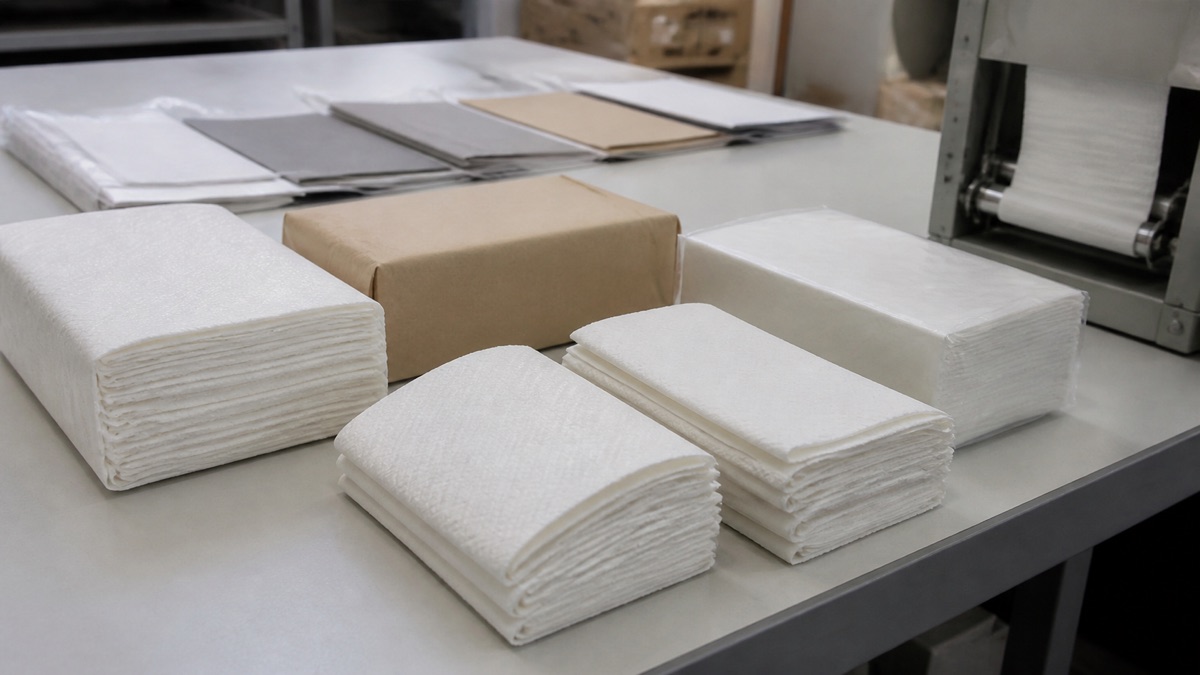
Converting Mother Rolls into Finished Products: Finally, the grand finale! These mother rolls get converted into the tissue products we can’t live without. This step is all about ensuring minimal waste and turning them into zero-waste heroes!

The Environmental Impact of Conventional Tissue Production
Now, let’s have a heart-to-heart about the traditional ways of doing things. Sure, they’ve been a part of our lives, but they come with some serious baggage:

Resource Consumption and Waste Generation
Conventional production is like that friend who borrows your favorite shirt but never returns it—they’re notorious for guzzling resources like they’re at an all-you-can-eat buffet! Tons of water, energy, and raw materials are involved, creating an avalanche of waste that whacks our forests and biodiversity right in the feels.
Carbon Footprint of Tissue Products
And don’t even get me started on the carbon footprint! It’s as if traditional tissue products are on a journey to climb Mount Everest, trekking up those emissions during manufacturing and transportation. We need innovative, eco-friendly alternatives, stat!
Zero Waste Tissue Paper: A Sustainable Solution
Here’s where the magic happens—zero waste tissue production! It’s all about eliminating waste like it’s the villain in our eco-friendly story.
Definition of Zero Waste in Tissue Production
Zero waste practices aren’t just trendy buzzwords; they’re about seriously cutting down on waste and promoting sustainability. It’s like giving a warm hug to Mother Nature while saying, “We got this!”
Innovative Strategies in Zero Waste Tissue Production
So, how are we making this happen? The industry is strutting its stuff with closed-loop systems and optimized raw material usage, boosting the zero waste movement. Each nifty initiative is a step closer to a fabulous, sustainable future in tissue manufacturing.
The Benefits of Zero Waste Tissue Paper
Switching to zero waste is like finding a hidden treasure! Here are some fabulous perks for both the environment and the economy:
Environmental Benefits
Choosing zero waste means doing a happy dance to reduce landfill waste, conserve resources, and protect those precious ecosystems. Less waste? More happy trees!
Economic Opportunities
From a cash perspective, companies that jump on the zero waste bandwagon can enjoy significant cost savings while being green. As eco-friendly products gain fans, there are golden opportunities for business growth. Cha-ching!
Comparing Traditional vs. Zero Waste Tissue Production
Now, let’s do a quick face-off between traditional and zero waste. Spoiler alert: the differences are night and day!
Key Differences
We’re talking contrasts galore! Traditional production typically leaves a hefty impact on the environment, while zero waste initiatives are like eco-warriors, eliminating waste and emphasizing efficient resource management.
Future of Sustainable Tissue Production
As everyone starts craving eco-friendly products more and more, companies committed to sustainability will totally shine! Adapting now means chasing down new market opportunities in our green landscape!
How Consumers Can Support Sustainable Practices
Now it’s your turn! You’ve got the power to shake things up in the tissue production industry:
Choosing Zero Waste Products
By selecting zero waste tissue products, you’re not just shopping; you’re actively supporting sustainability and giving a roaring cheer for companies that care about our planet. Keep your eyes peeled for certifications and eco-labels when you’re out and about!
With a fun understanding of tissue mother rolls and a heart full of commitment to zero waste, let’s take part in rolling our way toward a greener future, one snazzy roll at a time! 🎉"
🏭 From Our Factory Floor
Real case: In 2025, NBSK pulp prices swung from $620/ton to $780/ton within 4 months. Buyers who had signed fixed-price contracts were protected; those on spot pricing saw their tissue costs jump 12–15%. We offered 6-month price-lock agreements to our top 15 accounts (representing 60% of our volume), absorbing the short-term risk in exchange for volume commitments. All 15 renewed for 2026. Our competitors who only offered spot pricing lost 3 major accounts during the same period.
What we learned: In volatile pulp markets, a tissue manufacturer who offers price-lock agreements (even at a slight premium) builds stronger long-term relationships than one who offers the cheapest spot price. Ask your manufacturer about their pricing structure: spot, quarterly lock, or annual lock with volume tiers.
Product Specification Comparison
| Spec | Economy Grade | Standard Grade | Premium Grade |
|---|---|---|---|
| GSM (per ply) | 13–15 | 16–18 | 19–22 |
| Pulp Type | Recycled | Mixed (virgin+recycled) | 100% Virgin BHKP |
| Ply Count | 1–2 ply | 2 ply | 2–3 ply |
| FOB Price/ton | $850–950 | $950–1,100 | $1,100–1,400 |
| 40HQ Loading | 13–14 tons | 13–14 tons | 12–13 tons |
FAQ: Toilet Paper Sourcing
How do I verify a toilet paper manufacturer’s actual capacity?
Request utility bills (electricity consumption correlates with machine hours), monthly production logs, and photos of finished goods inventory. True capacity is 70–85% of theoretical maximum.
What is the typical MOQ for OEM toilet paper from China?
1×40HQ container minimum, which equals approximately 1,200–1,800 cases of finished rolls or 13–14 tons of jumbo rolls.
What’s the difference between virgin and recycled pulp toilet paper?
Virgin pulp (BHKP/NBSK) delivers superior softness, brightness (≥80% ISO), and consistent tensile. Recycled pulp costs 30–40% less but varies more between batches in color, softness, and fiber content.
How long does shipping take from China to my country?
Production: 15–25 days. Ocean freight: 15–20 days (Asia), 25–35 days (Middle East/Europe), 35–45 days (Americas). Total lead time: 30–70 days depending on destination.
Can I mix different toilet paper SKUs in one container?
Yes. Most manufacturers support mixed-SKU loading with a per-SKU MOQ (typically 200–500 cases per SKU). Request a loading plan to verify container utilization before confirming the order.
Industry references: FSC Certification | ISO 12625 (Tissue Testing Standards) | Tissue World
Get a Toilet Paper Manufacturing Quote — 12–24h Reply
Tell us your ply count, GSM, roll specs, and monthly volume. We will reply with FOB pricing and a 40HQ loading plan.
Tell us these 5 points for a faster quote:
- ✅ Your country and target market
- ✅ Product specs (ply, GSM, roll size, embossing)
- ✅ Monthly volume target
Sales Manager at Sansheng Paper · 20+ years in tissue paper OEM & bulk export · LinkedIn