Retail data · Private-label packaging
For a private label pocket tissue, begin with the business use case and data owner, not the symbol. Decide whether the pack needs POS identification, batch data, consumer information or a web link; then validate artwork space, print quality and retailer acceptance while keeping the current linear code during transition.
GS1 describes an industry goal for 2D-capable retail POS by the end of 2027. Individual retailers and markets may adopt different dates or symbol rules.
Send the destination market, SKU, expected volume, packaging format and evidence already available. We will identify the open specification points before quotation.
Reusable procurement data
Direct answer for buyers
A private label pocket tissue should support this decision with the exact approved SKU, measurable fields and controlled records. Begin with the business use case and data owner, not the symbol. Decide whether the pack needs POS identification, batch data, consumer information or a web link; then validate artwork space, print quality and retailer acceptance while keeping the current linear code during transition.
Choose the use case before the barcode
When evaluating a private label pocket tissue, a 2D symbol should solve a defined retail or supply-chain problem.
List the GTIN owner, brand owner, target retailers and countries. Put this requirement into the RFQ before comparing prices.
Decide which data must be encoded and which information will live on a maintained web destination. Confirm it against the approved physical sample or controlled record.
Keep marketing links separate from regulated or operational data unless governance is clear. If the field is unresolved, assign an owner and due date instead of assuming equivalence.
For buyers, the practical test is whether this section produces a decision that purchasing, quality and the private label pocket tissue can repeat. Record the input, evidence, approval status and limitation in one place so the next order does not depend on an email trail or an unlabelled sample.
Protect the small pack layout
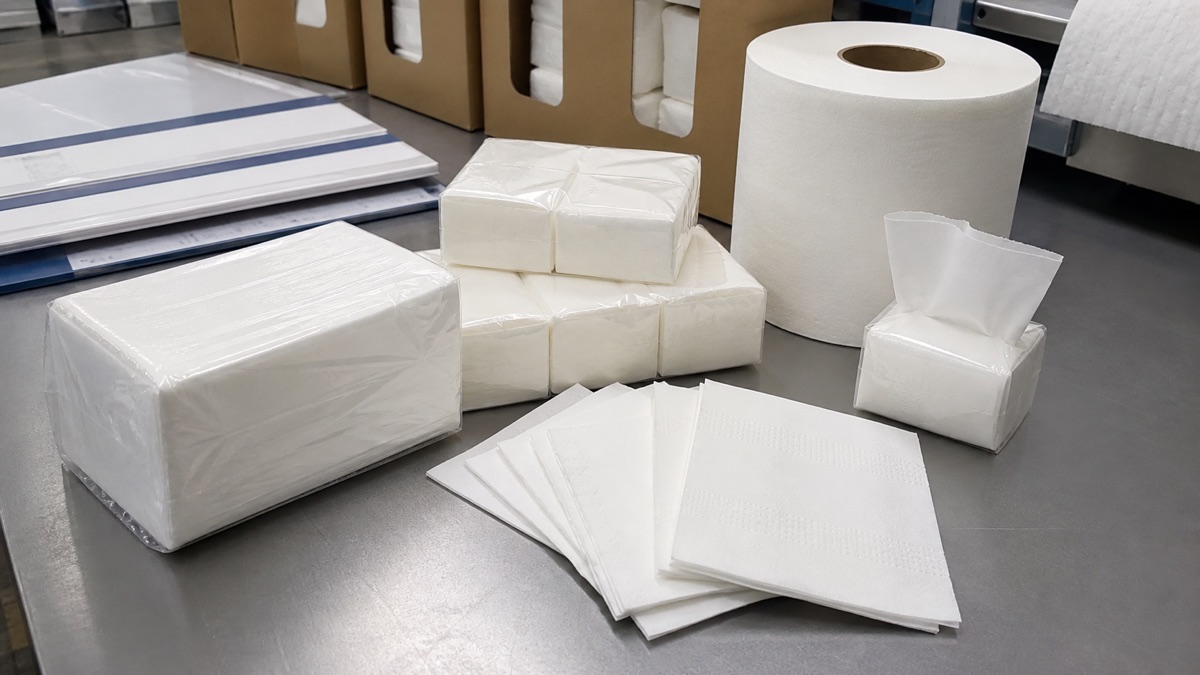
When evaluating a private label pocket tissue, pocket tissue film has limited printable area and can distort around seals and folds.
Reserve a quiet zone and avoid placing the symbol across seals, gussets or highly curved areas. Put this requirement into the RFQ before comparing prices.
Test contrast and print stability on the final film and ink system. Confirm it against the approved physical sample or controlled record.
Review mandatory label content before reducing text or moving information online. If the field is unresolved, assign an owner and due date instead of assuming equivalence.
For buyers, the practical test is whether this section produces a decision that purchasing, quality and the private label pocket tissue can repeat. Record the input, evidence, approval status and limitation in one place so the next order does not depend on an email trail or an unlabelled sample.
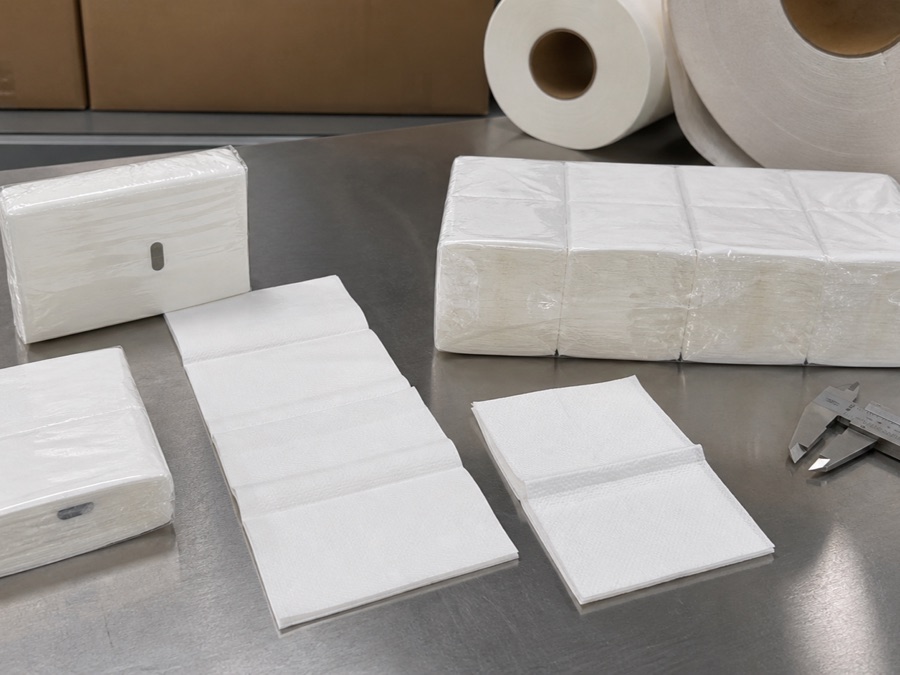
Validate scanning in the real pack condition
When evaluating a private label pocket tissue, a clean artwork proof is not enough because film movement and pack compression affect the printed symbol.
Scan samples from the actual production process, not only digital artwork. Put this requirement into the RFQ before comparing prices.
Test common orientations, lighting and wrinkling conditions at the target size. Confirm it against the approved physical sample or controlled record.
Confirm retailer capability and retain the required linear barcode during dual marking. If the field is unresolved, assign an owner and due date instead of assuming equivalence.
For buyers, the practical test is whether this section produces a decision that purchasing, quality and the private label pocket tissue can repeat. Record the input, evidence, approval status and limitation in one place so the next order does not depend on an email trail or an unlabelled sample.
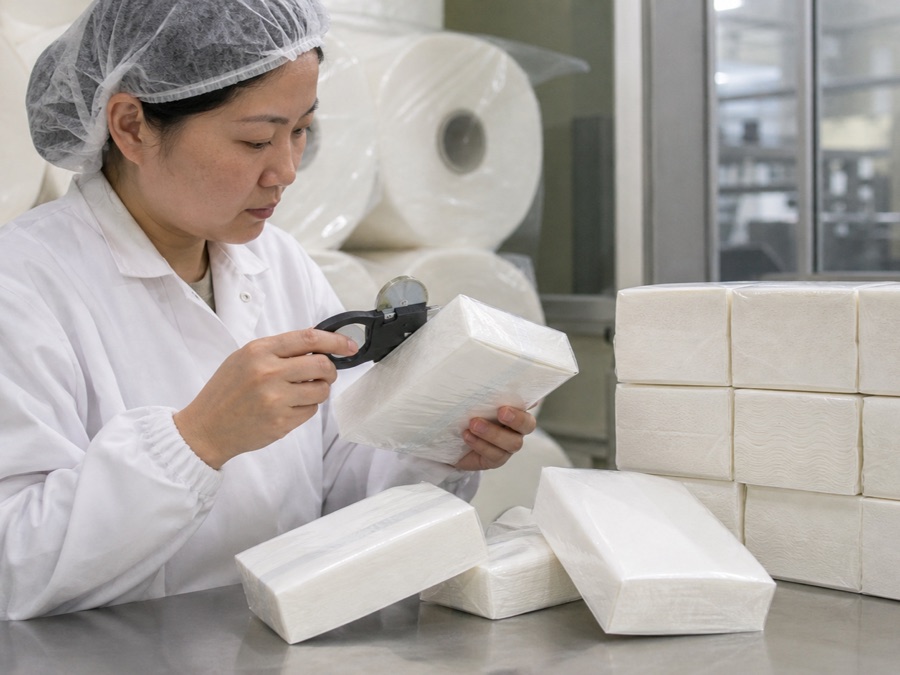
Control digital and printed revisions together
When evaluating a private label pocket tissue, a working symbol can still fail if its destination or data ownership is unmanaged.
Name the owner of the GTIN, Digital Link destination and content updates. Put this requirement into the RFQ before comparing prices.
Connect artwork revision, print cylinder or plate and approved scan record. Confirm it against the approved physical sample or controlled record.
Create a fallback process for changed URLs, discontinued SKUs and repeat orders. If the field is unresolved, assign an owner and due date instead of assuming equivalence.
For buyers, the practical test is whether this section produces a decision that purchasing, quality and the private label pocket tissue can repeat. Record the input, evidence, approval status and limitation in one place so the next order does not depend on an email trail or an unlabelled sample.
How to review the supplier response
Keep the commercial comparison on a same-spec basis. Record the exact SKU, destination, annual volume, order quantity, Incoterm and required evidence before asking suppliers to quote. Otherwise a lower price can reflect a different product, test condition, packing assumption or responsibility split rather than a better offer.
Define acceptance in observable terms. Use a named method, sample size, tolerance and decision rule wherever a result affects approval. Words such as premium, strong, sustainable or export quality cannot settle a receiving dispute because they do not tell either party what to measure or what happens after a failure.
Ask who owns each document and when it expires or changes. A file may be current on quotation day but disconnected from the production site, material, artwork or finished lot. The buyer should be able to follow the reference from the approved specification to the purchase order, shipment and complaint record.
Protect repeat orders with change control. Require written notice before a material source, process, dimension, pack count, artwork, test method or subcontracted step changes. The approval record should show whether the buyer accepted the change, requested a new sample or kept the previous specification.
Use samples to answer a defined question. A showroom sample can confirm appearance and basic dimensions, but it cannot prove mass-production consistency or transport performance. State whether the sample is for visual approval, laboratory comparison, converting trial, packaging trial or golden-sample retention, and label its revision accordingly.
Separate supplier evidence from buyer decisions. The supplier should provide accurate manufacturing, material and packing facts within its control. The importer, brand owner or distributor must still classify legal duties, retailer rules, claim wording and destination-market reporting with the appropriate internal or external specialist.
Review the total landed outcome rather than one attractive line item. Include rejected output, repacking, storage, freight cube, handling time, documentation work and the cost of delayed approval. The cheapest quoted unit can become the more expensive program when unresolved inputs surface after artwork or production begins.
Keep confidential data controlled. Buyers may need trace references or evidence of an upstream process without receiving every confidential document. Agree which information is shared directly, which is verified through a certificate or reference number, and which is retained for a qualified audit or incident investigation.
Put these fields into the RFQ
Use the checklist when comparing a private label pocket tissue. Replace planning language with the approved SKU, destination requirement, sampling method and written acceptance rule.
- State GTIN owner, retailers, countries and intended 2D use case.
- Reserve symbol space away from seals and distortion zones.
- Approve production-like scan samples and dual-marking layout.
- Assign ownership for linked data and repeat-order revisions.
Pocket Tissue Manufacturing Options · Private-Label Tissue Manufacturing Options · Retail Tissue Formats
Questions buyers also ask
Must linear barcodes disappear in 2027?
GS1 describes a transition in which retail systems support defined 2D symbols; buyer and retailer rules determine dual marking and timing.
Can a QR code replace mandatory pack information?
Not automatically. Confirm applicable labeling rules and retailer requirements before moving information online.
Who maintains the linked page?
The brand should assign a named owner and keep the destination available for the commercial life of the SKU.
Sources and scope notes
- GS1 — 2D barcodes at retail point of sale Supports: The retail goal is for POS systems to process defined GS1 2D barcodes by the end of 2027 while linear codes remain during transition. Limit: Each retailer and market controls its own readiness timetable and data requirements.
Sansheng observations describe the current quotation and specification workflow for the product type. They are not a universal specification, laboratory result, certification claim or guarantee for an unapproved SKU.
Send a same-spec private label pocket tissue RFQ
Provide the target market, product revision, volume, packing configuration and required evidence. Sansheng will return the available fields and identify what still needs buyer approval.

Sales Manager at Sansheng Paper · 20+ years in tissue paper OEM & bulk export · LinkedIn