Toilet Paper · B2B procurement guide
Plan a private label toilet paper phase-out by reconciling finished stock, open orders, printed packaging and the replacement SKU before stopping production. Assign final-order dates, remaining-stock ownership and permitted disposal or reuse. A packaging redesign is not complete while old material and customer replenishment commitments remain unresolved.
For retail brands and distributors retiring a toilet-paper SKU. This checklist does not assume that all old packaging may legally or technically be reused.
Send the product revision, intended use, order quantity, destination and the approval question you need to resolve. A useful quotation starts with those details.
Send the specification for review WhatsApp +86 157 6268 3071
Reusable procurement data
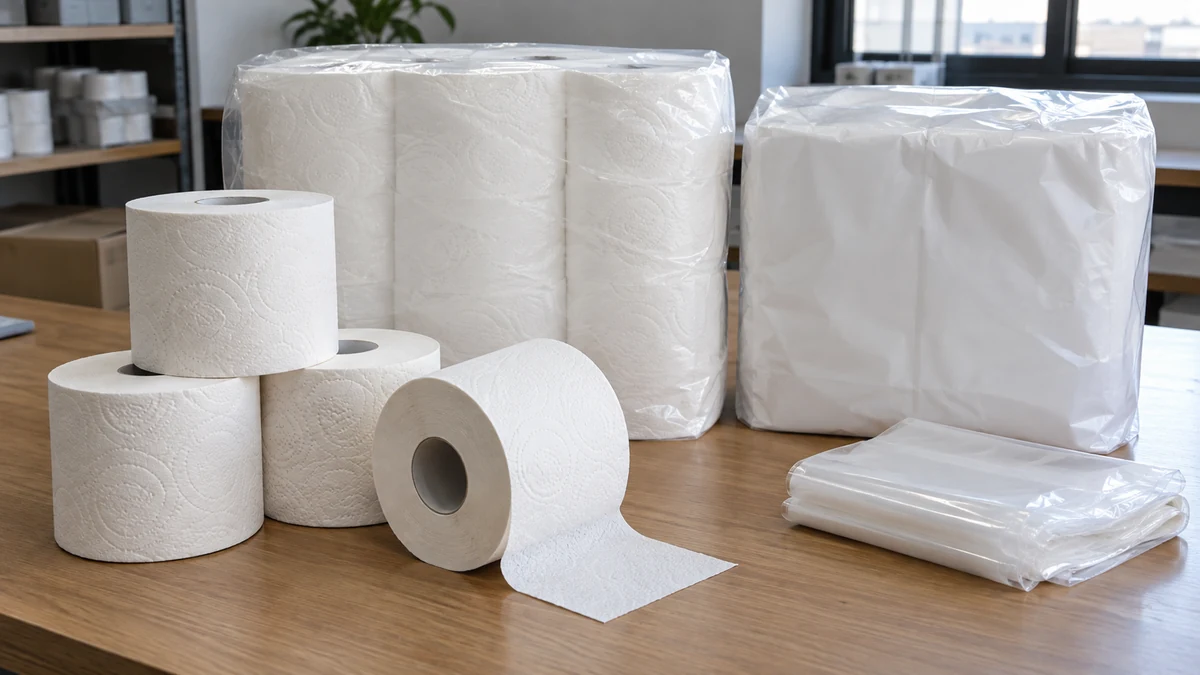
Build one phase-out register across product and packaging
Record the current SKU, specification revision, finished cases, work in progress, printed film, cartons and approved open orders. Keep confirmed stock separate from estimates and material held for investigation. Include stock in the supplier’s custody when it is relevant to the buyer’s commitment.
For private label toilet paper, reconcile pieces, rolls, packs and cases carefully. A balance expressed only as tonnes can hide a shortage of one printed pack format and an excess of another. Assign one person to maintain the register and require both sides to acknowledge material changes.
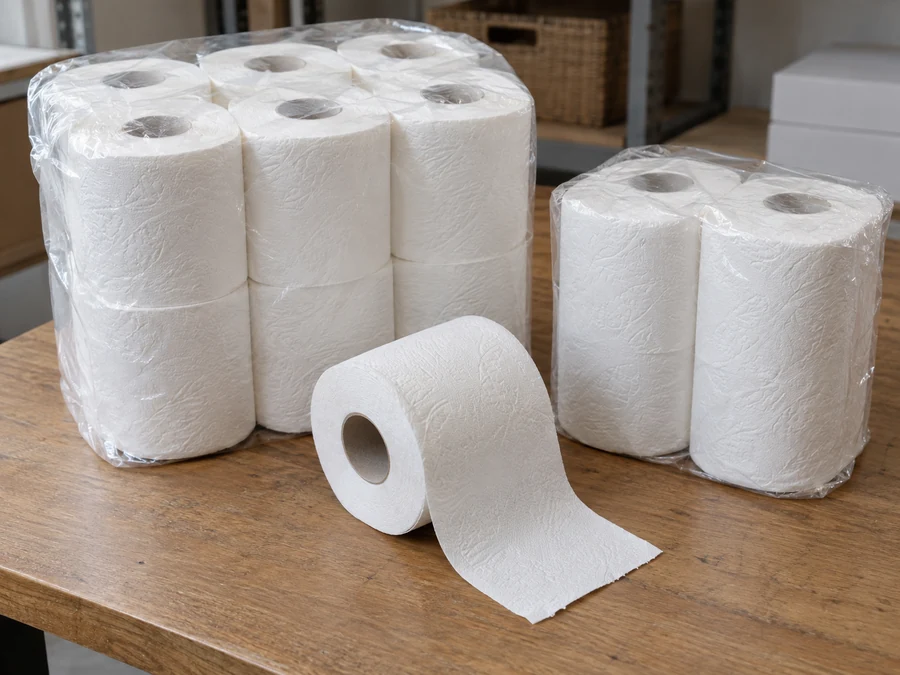
When should the final production order be released?
Start with expected consumption and the replacement launch plan, but label forecasts as estimates. Decide which quantity is firm, which is a contingency and who may authorize another run. A speculative extra batch can create more obsolete packaging than it prevents in stockouts.
A private label toilet paper transition should identify last-order, last-production and last-dispatch milestones. These dates need not be identical. Check the retailer’s acceptance of the old and new SKUs and plan for a delayed replacement approval. Do not promise uninterrupted supply without confirmed production and delivery arrangements.
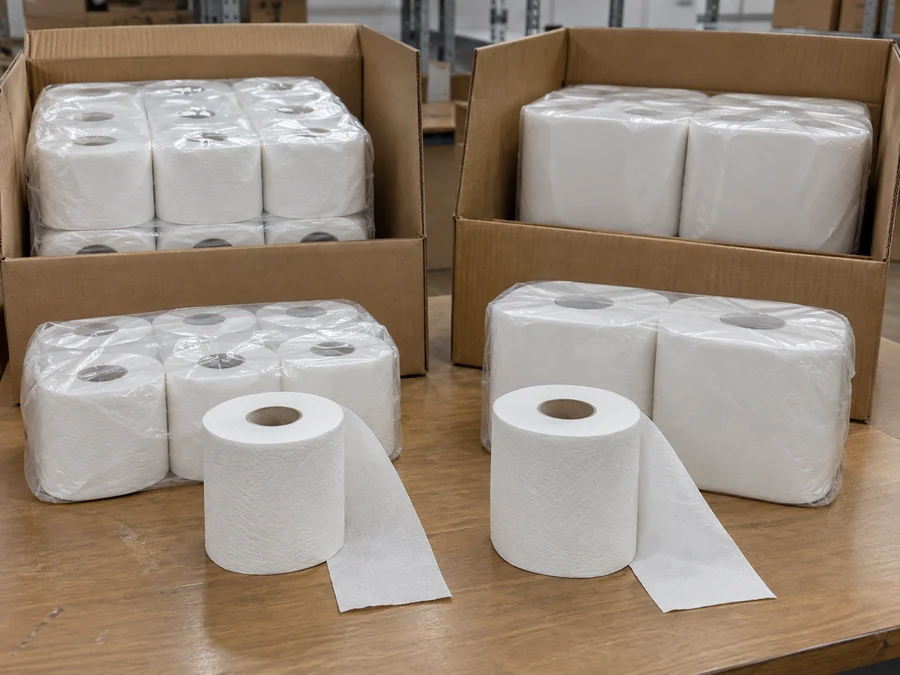
Review identity and packaging changes separately
Map what changes: sheet count, roll dimensions, pack count, brand presentation, declared content or other attributes. Use the applicable GS1 GTIN Management Standard to decide product-identifier treatment; a blanket rule that every artwork change needs a new GTIN is unreliable. Keep the brand owner responsible for the final identification decision.
Before reusing private label toilet paper packaging, verify that every declaration remains accurate and that use is authorized. Covering one old detail with a sticker may not resolve the whole pack. Check physical fit, artwork revision, market language and traceability rather than treating leftover film as interchangeable material.
Close the balance with a documented disposition
Agree whether remaining material will be used, shipped, transferred, returned or destroyed. Identify the approver and cost responsibility. Branded packaging should not enter another customer’s program without permission. Request an appropriate disposition record instead of assuming the stock disappeared because invoices stopped.
For a private label toilet paper example only, 600 remaining cases and a forecast of 150 cases per week represent four weeks of coverage before uncertainty. That estimate is not a delivery guarantee. Reconcile the actual final balance and retain the transition record for later retailer questions or claims.
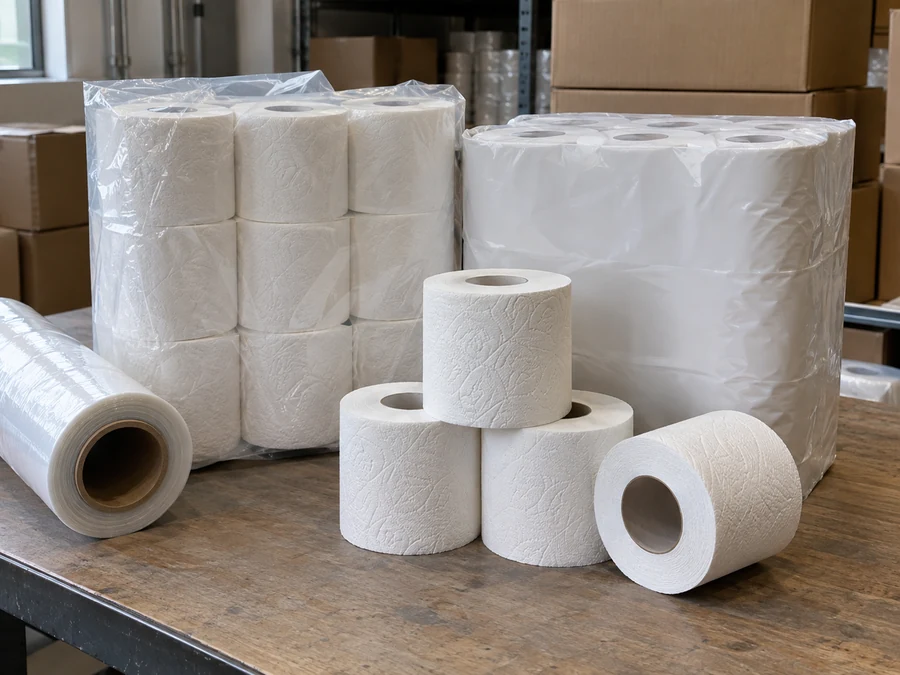
Private label toilet paper approval checklist
| Control point | What to record | Buyer purpose |
|---|---|---|
| Stock | Finished goods and components | See the entire exposure |
| Timing | Last order, production and dispatch | Coordinate the transition |
| Identity | SKU, GTIN and revision decisions | Prevent mixed declarations |
| Exit | Authorized disposition and costs | Close obsolete stock |
Put these fields in the RFQ
For private label toilet paper discussions, keep the following fields with the controlled specification rather than scattering them across messages.
- Retiring and replacement SKU specifications
- Current stock and open-order balances
- Forecast versus firm final quantity
- Identifier and packaging approval owner
- Final delivery and remaining-material disposition
For related formats, review OEM and private-label tissue programs before comparing quotations.
Questions buyers also ask
Can the new SKU use the old packaging?
Only after checking accurate declarations, fit, identifiers and authorization for the actual change.
Should a phase-out forecast be treated as a purchase order?
No. Mark which quantities are binding and identify who may release production.
Sources and scope notes
- GS1 — GTIN Management Standard. Supports: A framework for assessing trade-item identification changes. Limit: It does not approve artwork, determine manufacturing minimums or settle private contractual obligations.
- ASQ — Supplier Quality. Supports: A supplier-quality framework for clear requirements, evaluation and improvement. Limit: It supplies no product-specific acceptance threshold and does not verify Sansheng production results.
Request a specification-based review
Send the private label toilet paper requirements, reference sample details, pack format, volume and destination. Identify the open decision so Sansheng can confirm the available product information and what still needs buyer or laboratory approval.
Send the specification for review WhatsApp +86 157 6268 3071

Sales Manager at Sansheng Paper · 20+ years in tissue paper OEM & bulk export · LinkedIn