B2B procurement · Buyer guide
Compare absorption time and capacity as separate results on identified airlaid roll samples from the airlaid paper supplier. Use the same liquid, conditioning, specimen preparation and test method for every candidate, then confirm performance on the converted napkin. A fast first wetting result does not prove how much liquid the finished product can hold.
This guide assumes the proposed airlaid substrate falls within the nonwoven test method and contains no superabsorbent material. It gives a buyer comparison plan, not Sansheng lot data or a restaurant use guarantee.
Send the exact SKU, buying destination and inspection question you need reviewed.
Reusable procurement data
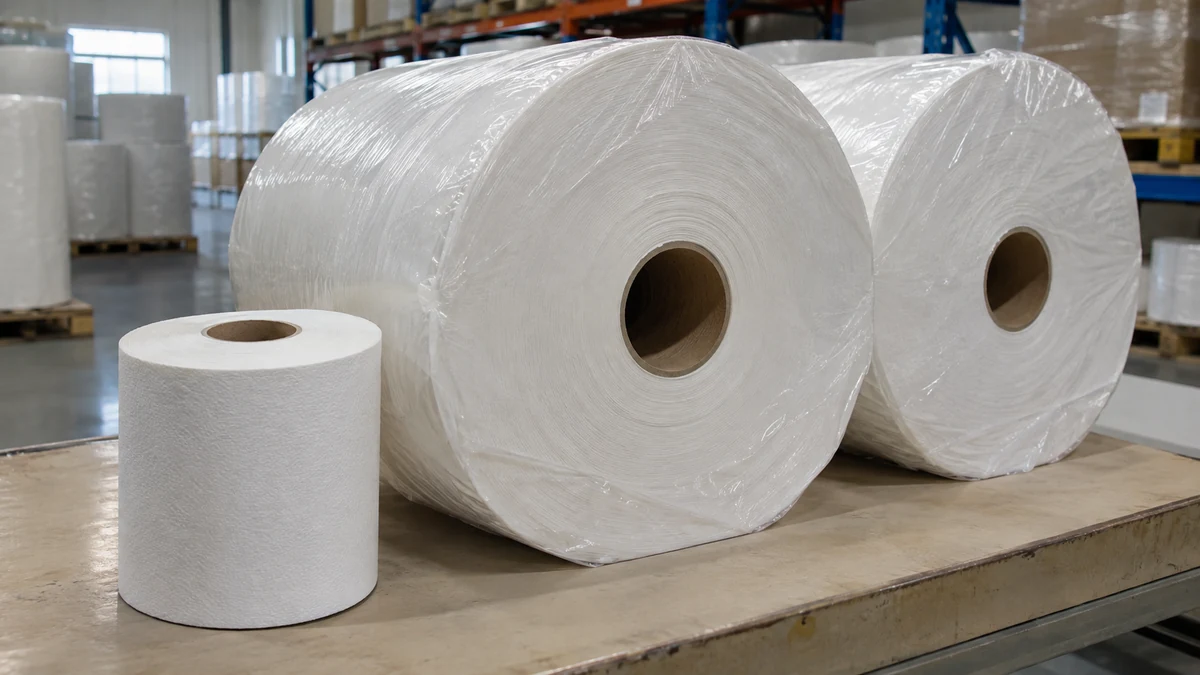
Direct answer
Compare absorption time and capacity as separate results on identified airlaid roll samples from the airlaid paper supplier. Use the same liquid, conditioning, specimen preparation and test method for every candidate, then confirm performance on the converted napkin. A fast first wetting result does not prove how much liquid the finished product can hold.
Confirm the substrate and the intended napkin
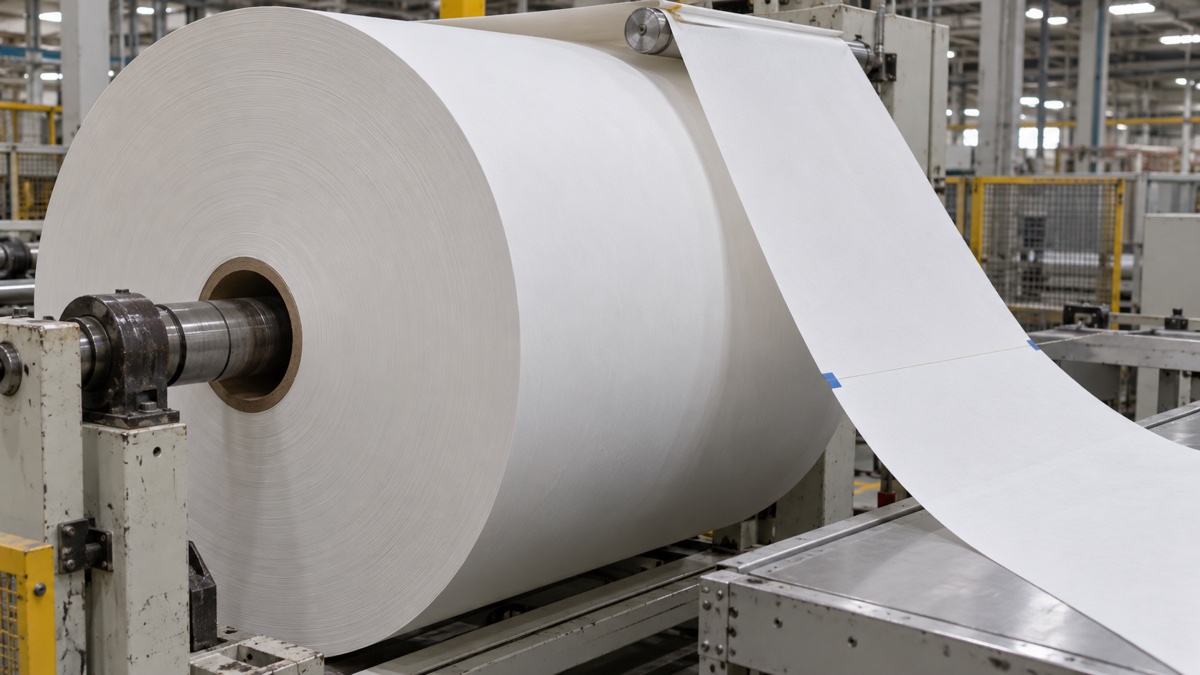
Start with the proposed airlaid paper supplier SKU, basis weight, binder system, roll width and intended finished napkin fold. Identify whether the substrate has a coating, print or superabsorbent component. ISO 9073-6:2025 covers liquid absorbency time, absorptive capacity and wicking rate for nonwovens, but excludes fabrics containing superabsorbent materials. Ask the lab to confirm scope before naming the method on a report. A converter may care about the raw web, while a hotel buyer experiences the folded, printed and embossed napkin; keep those two units of assessment separate.
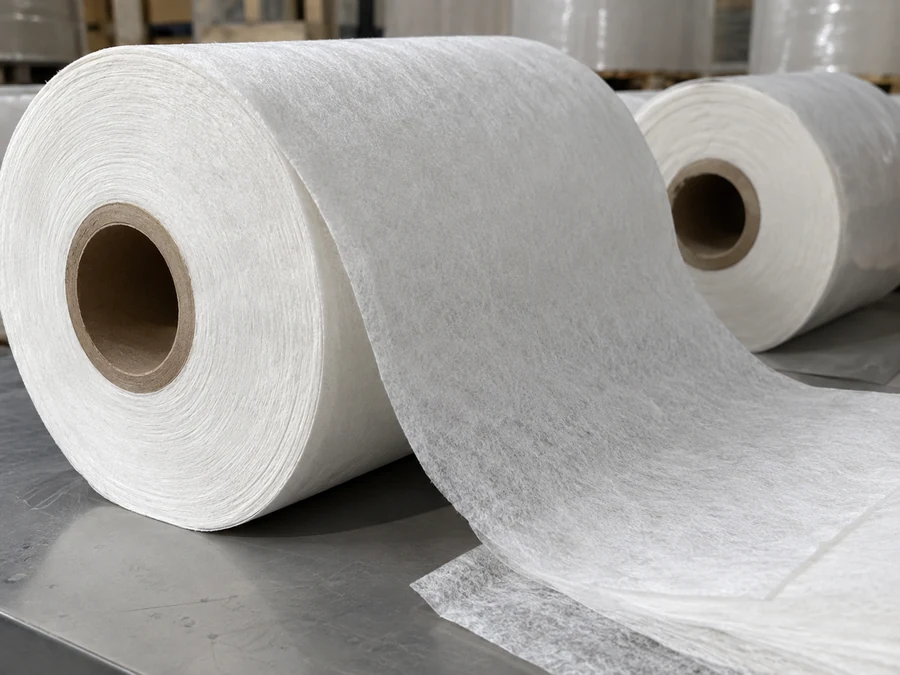
Run matched liquid absorption tests
Request samples from identified positions across more than one roll and record their direction and conditioning history. Agree one liquid, its temperature, specimen dimensions, preparation, replicate count and test procedure. Report individual values and the distribution, not just one attractive average. Absorption time answers how quickly liquid enters under that method. Absorptive capacity answers how much the specimen retains under the method. Wicking rate describes movement through the material and is a third question. Do not compare a supplier result produced under one setup with another supplier result produced under a different setup.
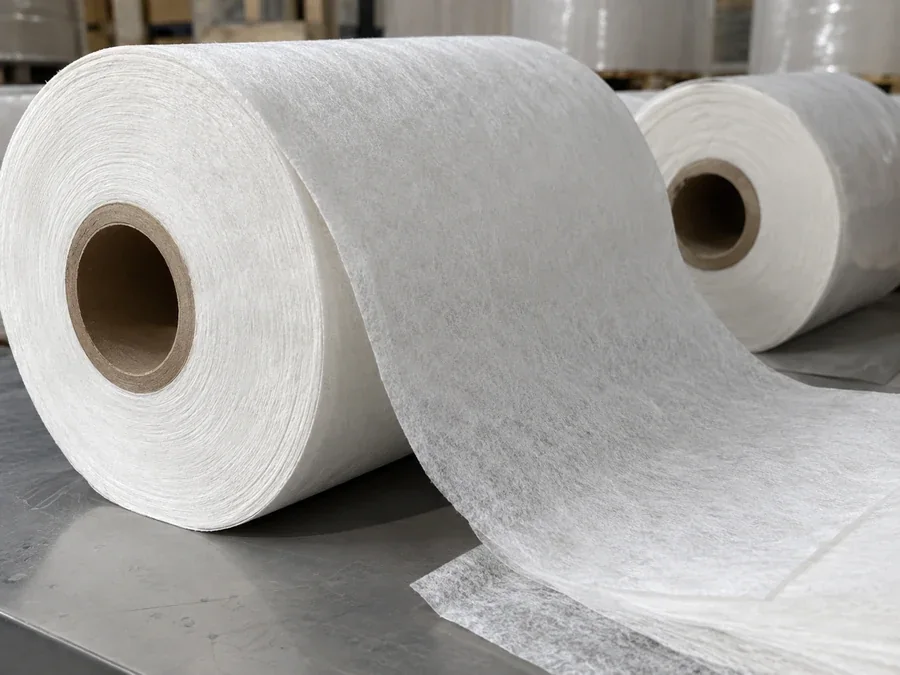
Test the converted napkin separately
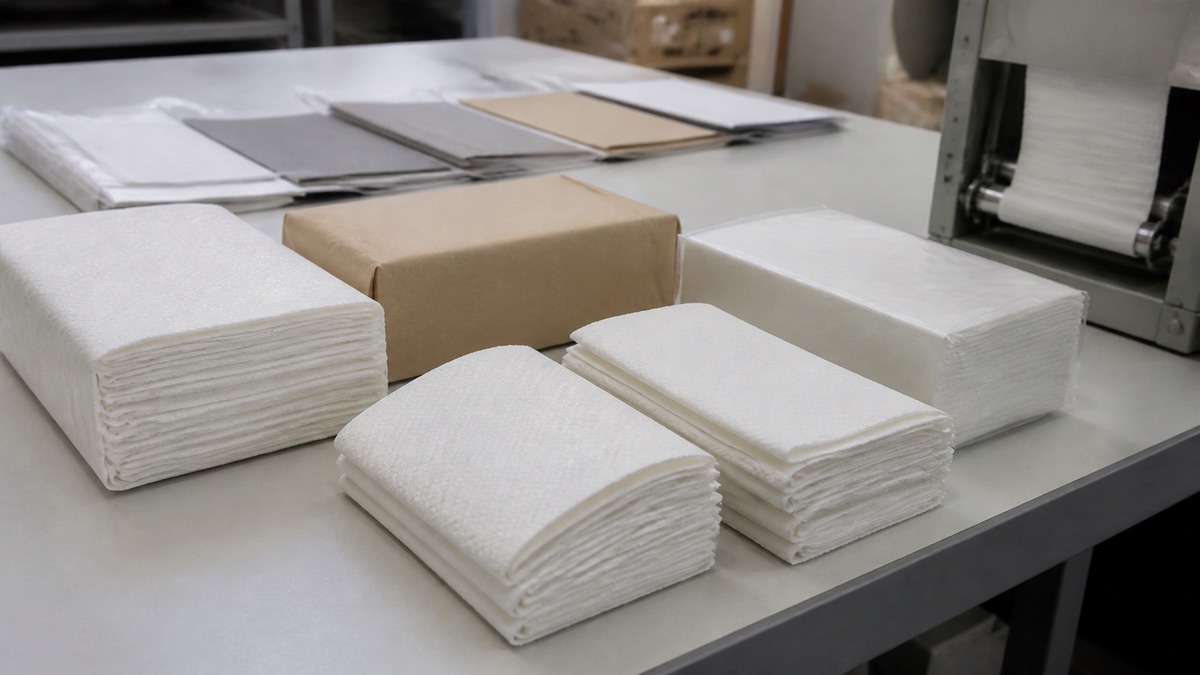
Ask the airlaid paper supplier for a short converting trial using the intended printing, embossing, folding and pack compression settings. Then repeat the buyer-agreed liquid check on finished pieces from several packs. Note ink coverage and whether wetting starts on a printed or unprinted face. Record any edge curl, delamination or slow wetting that appears only after converting. This trial helps reveal whether the raw roll result survives the conversion process; it does not turn a laboratory absorbency number into a universal claim about dining performance. Keep a physical reference napkin for later shipment comparison.
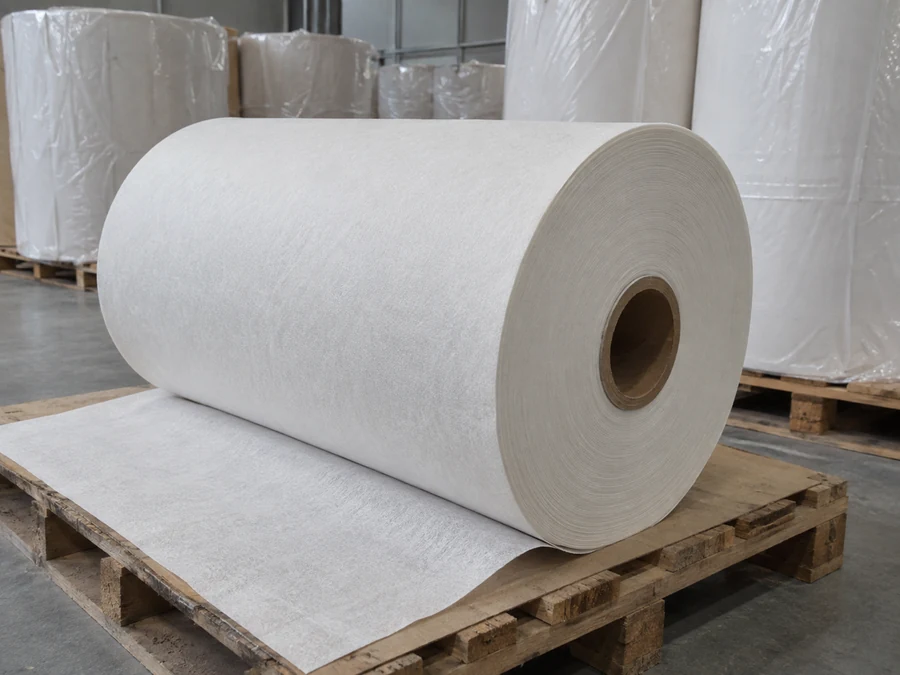
Write an approval rule that can survive a reorder
Set separate acceptable ranges for absorption time and capacity, with the exact test method and finished format attached. Decide in advance how to investigate a slow wetting result with otherwise adequate capacity. Ask the airlaid paper supplier to identify the roll lot and send raw readings with each approval sample. If binder, furnish, basis weight, printing or embossing changes, repeat the affected checks before assuming the old result still applies. A purchase order should point to the signed sample and method revision rather than a phrase such as highly absorbent.
Buyer comparison record
| Check | Record | Buyer purpose |
|---|---|---|
| Material identity | Roll lot, GSM, binder and finish | Avoid mixing substrates |
| Method | Liquid, temperature and specimen preparation | Make tests comparable |
| Results | Time, capacity and individual readings | Separate speed from quantity |
| Finished napkin | Print, fold, emboss and pack | Check conversion effect |
What should buyers ask the airlaid paper supplier?
- Identify airlaid roll SKU, composition and whether superabsorbent material is present
- Provide the absorption method, liquid, conditioning and individual readings
- Supply raw roll and finished napkin samples from traceable lots
- Agree separate time and capacity limits with a change-control trigger
Send the airlaid paper supplier your intended use, destination and required acceptance decision.
Airlaid Paper Manufacturer: How Binder Choice Affects Converting
Airlaid Paper Supplier: How Can Converters Prevent Edge Curl?
Airlaid Paper Rolls: Which GSM, Width, and Winding Tolerances Reduce Converting Waste?
Questions buyers also ask
Does faster wetting mean higher capacity?
No. The two measures answer different questions and can move independently.
Can a paper towel absorption report approve an airlaid napkin?
No. Product construction, specimen and applicable method may differ.
Does ISO 9073-6 give a universal napkin pass value?
No. It defines test methods within its scope; buyer and supplier set the application limit.
Sources and scope notes
- ISO 9073-6:2025 Supports: Nonwoven methods for liquid absorbency time, capacity and wicking rate. Limit: Excludes fabrics containing superabsorbent materials and sets no napkin pass threshold.
- Sansheng airlaid paper product page Supports: Identifies the relevant airlaid substrate category. Limit: Does not provide absorption results for an identified roll or finished napkin.
Source scope checked October 26, 2026. Illustrative images do not document a Sansheng test, certified SKU or customer order.
Request an identified sample review
Send the airlaid paper supplier your exact SKU, approved sample, buying destination and evidence requirement. The record can then be matched to the decision before a quote or release.
Sales Manager at Sansheng Paper · 20+ years in tissue paper OEM & bulk export · LinkedIn