B2B procurement · Buyer guide
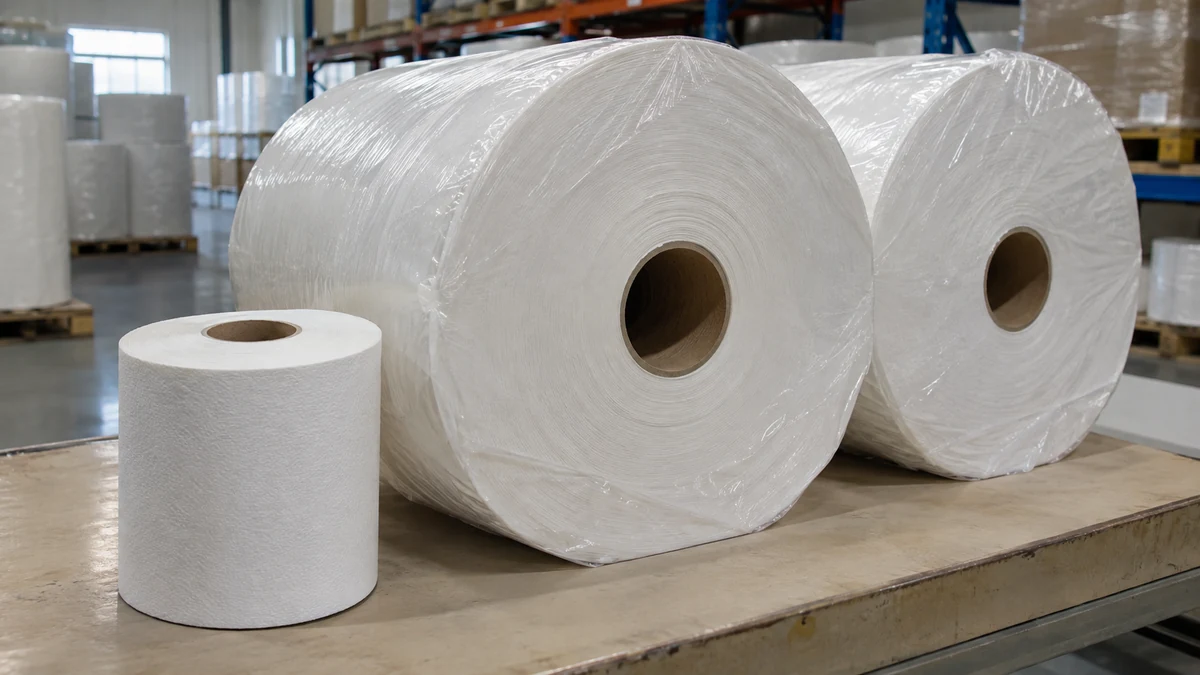
Check an out-of-round mother roll at receipt and again after safe mounting. Measure diameter at several angular positions on both ends, photograph the profile, and record how the roll was stored and supported. Then log tension fluctuation and web breaks during a controlled unwind trial. An uneven end profile is a warning to investigate, not automatic proof that the tissue itself is defective.
This is a buyer-defined inspection plan. No Sansheng roll measurement, converter outcome or universal roundness tolerance is claimed.
Send the exact SKU, buying destination and inspection question you need reviewed.
Reusable procurement data
Direct answer
Check an out-of-round mother roll at receipt and again after safe mounting. Measure diameter at several angular positions on both ends, photograph the profile, and record how the roll was stored and supported. Then log tension fluctuation and web breaks during a controlled unwind trial. An uneven end profile is a warning to investigate, not automatic proof that the tissue itself is defective.
Identify the roll before measuring
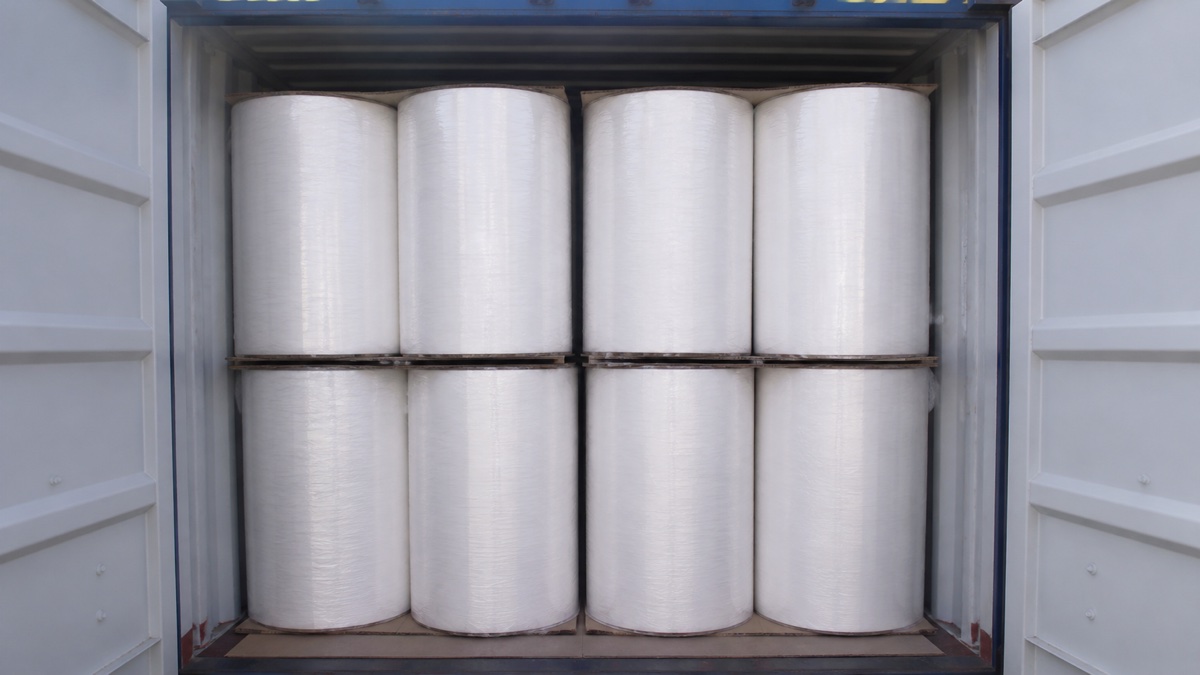
Ask the tissue mother roll supplier for the grade, width, target diameter, core specification, roll ID, wrap condition and transport orientation. Record whether the roll rested on its side, stood on its end or was cradled. Photograph both end faces before removing protective wrap, and note visible flat spots or handling damage. TAPPI roll-defect terminology includes out-of-round rolls, but a defect name alone does not establish cause or commercial rejection. Do not infer the shape from one photograph taken at an angle.

Measure repeatably and safely
Use a buyer-approved gauge or diameter method at marked angular positions; record maximum, minimum and the spread at each end. Keep the roll stationary and follow site lifting and machine safety procedures. Check the core and support surfaces separately, since a shifted core or uneven cradle can imitate an outer-roll shape issue. Repeat after an agreed recovery period if the roll was compressed in transit. The tissue mother roll supplier should provide the handling history when it is available, not just a nominal diameter from the packing list.

Connect shape to the unwind trial
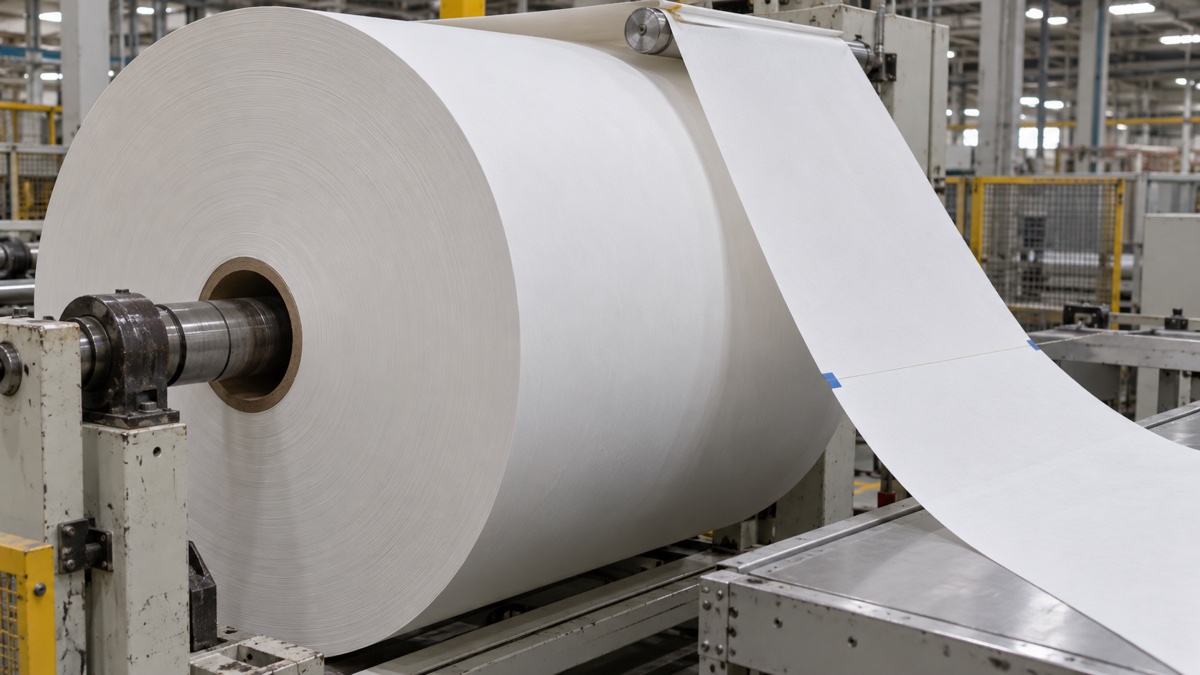
Mount an identified roll on the intended converter and keep the trial speed, tension setting and web path comparable with an approved reference. Log changes in tension, oscillation, vibration, web wandering and breaks by roll position. If the first outer layers run poorly but the inner roll runs normally, preserve that evidence rather than calling the whole lot unusable. Record splice and edge condition independently. Roundness can affect the setup, but machine alignment and winding quality also need review.
Set the purchase decision
Agree a maximum measured spread and a trial outcome that matter for the buyer line before ordering the full shipment. Define when a roll is quarantined, remeasured, used at reduced speed or rejected. Keep photographs, gauge readings, trial settings and accepted output against the same roll ID. If the tissue mother roll supplier changes core, winding, wrap or transport support, recheck the physical profile and the converter result; do not carry an old approval forward without matching construction.
Buyer comparison record
| Check | Record | Buyer purpose |
|---|---|---|
| Identity | Grade, roll ID, diameter and core | Trace measured roll |
| Shape | Diameters at marked angles and both ends | Quantify ovality |
| Handling | Support, wrap and recovery | Separate transit effects |
| Trial | Tension, vibration and breaks | Judge converter impact |
What should buyers ask the tissue mother roll supplier?
- Roll IDs, grade, dimensions and packing orientation
- Arrival photos and diameter readings at marked positions
- Core and support inspection records
- Controlled unwind trial settings and break log
Send the tissue mother roll supplier your intended use, destination and required acceptance decision.
Tissue Mother Roll Supplier: How to Trace Converted Rolls?
Questions buyers also ask
Does one flat spot require rejection?
Not by itself. Measure it and compare the controlled unwind result with the agreed limit.
Can a round-looking end face guarantee a stable run?
No. Winding hardness, core condition, splices and machine setup also matter.
Does TAPPI set a universal ovality tolerance?
The cited terminology identifies the defect; buyer and supplier must agree the acceptance threshold.
Sources and scope notes
- TAPPI Roll and Web Defect Terminology Supports: Lists out-of-round rolls among recognized roll defects. Limit: Does not set a tissue mother roll acceptance value or diagnose an identified Sansheng roll.
- Sansheng tissue mother roll product page Supports: Identifies the parent-roll product context. Limit: Does not supply the roundness or converter data described here.
Source scope checked October 26, 2026. Illustrative images do not document a Sansheng test, certified SKU or customer order.
Request an identified sample review
Send the tissue mother roll supplier your exact SKU, approved sample, buying destination and evidence requirement. The record can then be matched to the decision before a quote or release.

Sales Manager at Sansheng Paper · 20+ years in tissue paper OEM & bulk export · LinkedIn