B2B procurement · Buyer guide
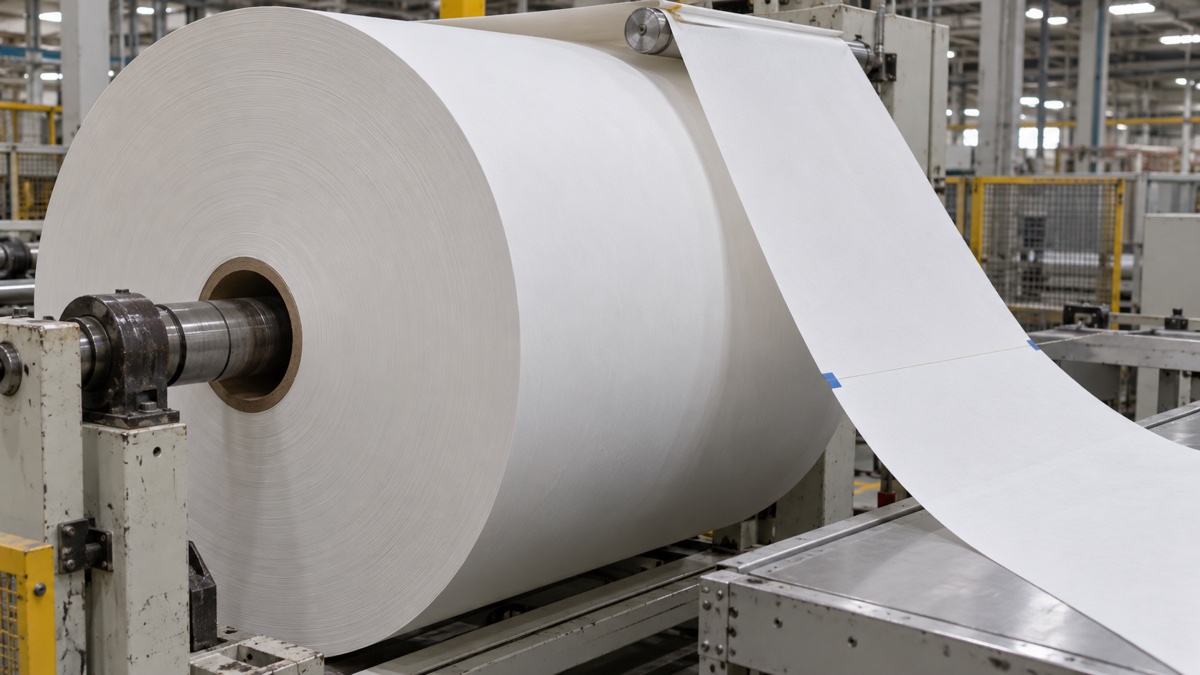
A tissue mother roll supplier should report the measured core inside diameter at both ends of identified parent rolls, then compare readings across the shipment with the buyer’s mandrel and written tolerance. Check roundness and core-wall condition separately. A nominal core size in a quotation, or one bore reading from a show sample, cannot establish that every shipped roll will mount on the converter.
This is a physical fit and receiving-inspection plan. It does not report Sansheng core measurements or define a universal bore tolerance.
Send the exact SKU, buying destination and inspection question you need reviewed.
Reusable procurement data
Direct answer
A tissue mother roll supplier should report the measured core inside diameter at both ends of identified parent rolls, then compare readings across the shipment with the buyer’s mandrel and written tolerance. Check roundness and core-wall condition separately. A nominal core size in a quotation, or one bore reading from a show sample, cannot establish that every shipped roll will mount on the converter.
Define the shaft and allowable fit
Record the converter mandrel outside diameter, chucks, expansion range, insertion length and the buyer’s required clearance. Use the same unit and calibrated instrument on both supplier and buyer records. A core with the right nominal diameter may still bind at one end or slip under load. Ask the buyer’s maintenance team for the actual mounting envelope instead of copying a generic core specification.
Sample both ends and more than one roll
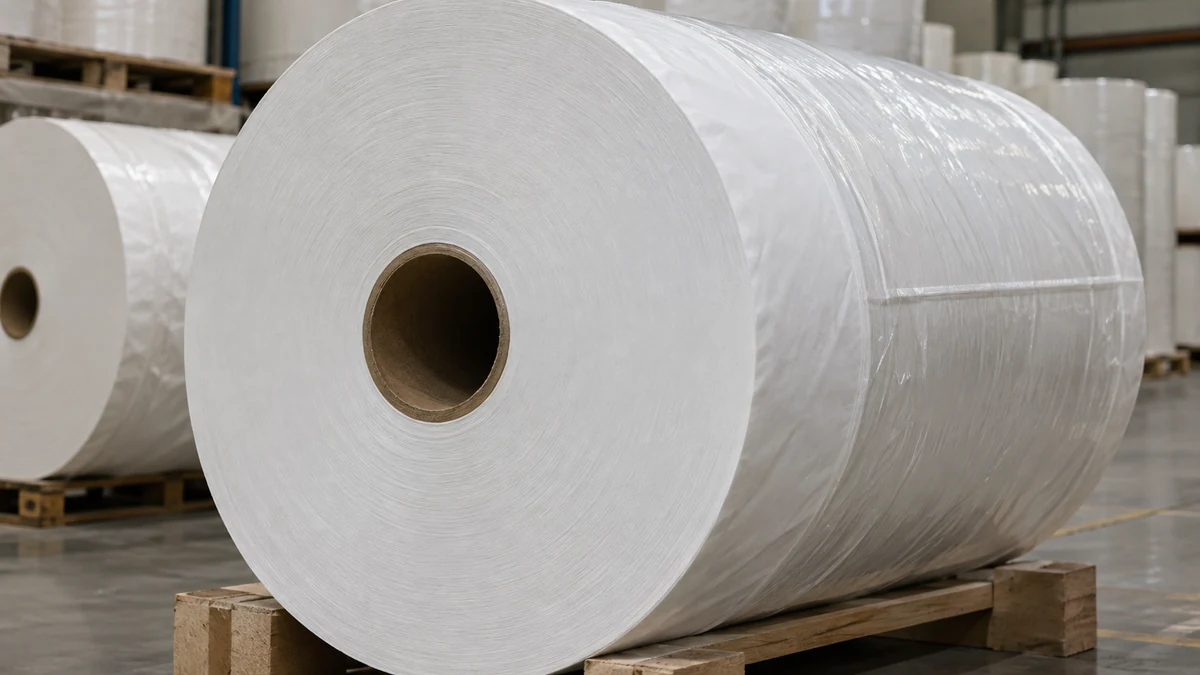
Select identified rolls from different pallet or container positions. Measure each core opening at two directions at each end, noting the minimum and maximum observed bore. Record roll ID, end label, moisture condition and any visible core crush or ovality. Do not average away a narrow opening that prevents shaft insertion. Keep failed and passing measurements together so a supplier can reproduce the finding.

Separate drift from damage
Compare the pattern across intact cores before attributing a mismatch to manufacturing drift. A single deformed core after unloading may be handling damage; repeated undersize readings on protected rolls point to another question. Photograph both end faces and wrapping. If the cores change after conditioning, document storage and test timing before deciding responsibility. Edge telescoping, core crush and bore size require different acceptance decisions.
Source for this method: ISO 12625-1:2019 tissue vocabulary. It does not set a core, width, edge or dispenser acceptance limit for a Sansheng SKU.
Connect the record to a converter trial
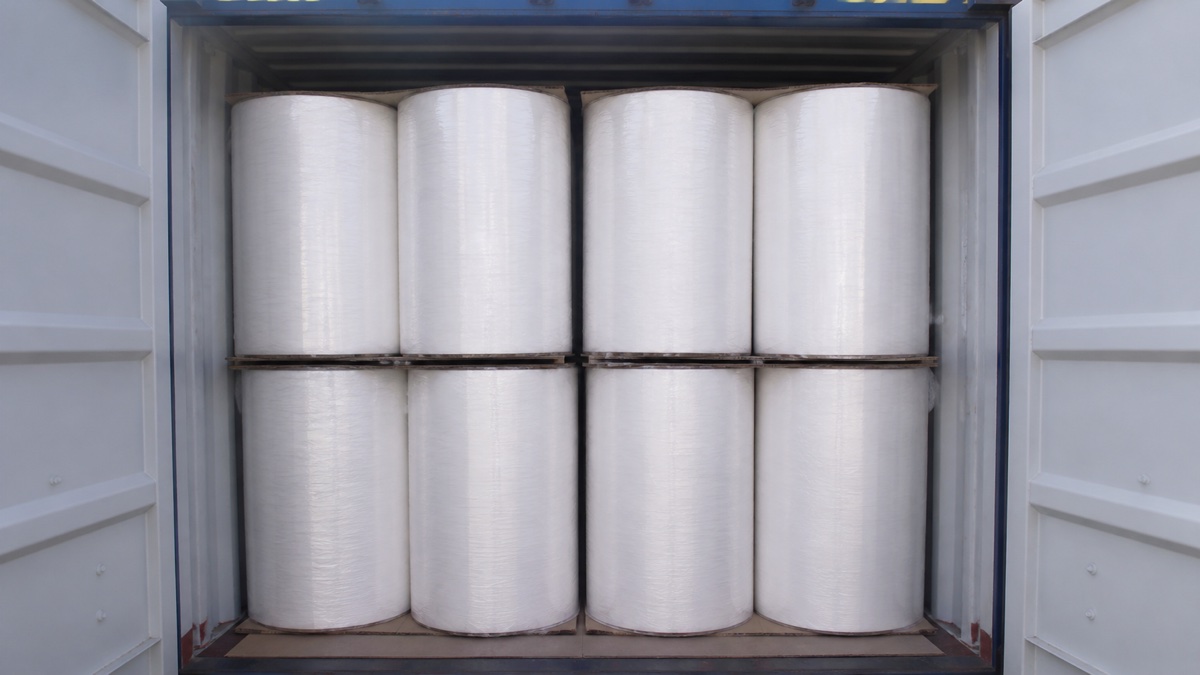
Mount representative rolls on the intended shaft and document insertion, grip, slippage and unwind behavior at a defined speed. A successful empty-core fit is useful but does not substitute for a loaded roll trial. Write the accepted bore range, sample frequency and disposition of out-of-range rolls into the purchase order. Keep a retained core or marked roll with the inspection report for repeat orders.
Buyer comparison record
| Check | Record | Buyer purpose |
|---|---|---|
| Shaft envelope | Mandrel and chuck dimensions | Defines actual fit |
| Core bore | Both ends and two axes | Finds narrow or oval openings |
| Shipment | Roll IDs and positions | Shows whether drift repeats |
| Trial | Loaded mounting and unwind | Tests converter consequence |
What should buyers ask the tissue mother roll supplier?
- Converter mandrel drawing and accepted core-bore range
- Core material, wall and measurement method
- Roll-level sample plan and end-face identification
- Loaded fit trial and out-of-range disposition
Send the tissue mother roll supplier your intended use, destination and required acceptance decision.
Tissue Mother Roll Supplier: How to Set Splice Count Limits?
Questions buyers also ask
Is one core reading enough?
No. Measure both ends and multiple identified rolls.
Does a nominal diameter prove fit?
No. Compare the measured range with the actual shaft and loaded trial.
Is bore drift the same as core crush?
No. Record geometry and visible damage separately before assigning a cause.
Sources and scope notes
- ISO 12625-1:2019 tissue vocabulary Supports: Defines shared terminology for tissue paper and tissue products. Limit: It does not set a core, width, edge or dispenser acceptance limit for a Sansheng SKU.
- Sansheng mother product page Supports: Identifies the relevant Sansheng product family and supply context. Limit: It does not document a tested lot, approved tolerance or a production result.
Source scope checked November 16, 2026. Illustrative images do not document a Sansheng test, certified SKU or customer order.
Request an identified sample review
Send the tissue mother roll supplier your exact SKU, approved sample, destination and evidence requirement. Match the available record to your buying decision before a quote or release.
Sales Manager at Sansheng Paper · 20+ years in tissue paper OEM & bulk export · LinkedIn