B2B procurement · Specification review
A bamboo tissue supplier should inspect the carton and wrap before opening, then sample identified packs from different pallet positions. Record visible condensation, dampness and paper condition separately. If moisture content matters to the contract, use an agreed laboratory method on representative paper samples rather than inferring it from a wet carton or an electronic spot reading.
This is a receipt and specification question, not proof that any bamboo tissue shipment is damp or that a visible wet mark establishes chemical or microbial safety.
By Tracy Zhang · For retail importers and private-label bamboo tissue buyers · Prepared October 12, 2026
Send the current specification, identified sample and the decision you need to make.
Reusable procurement data
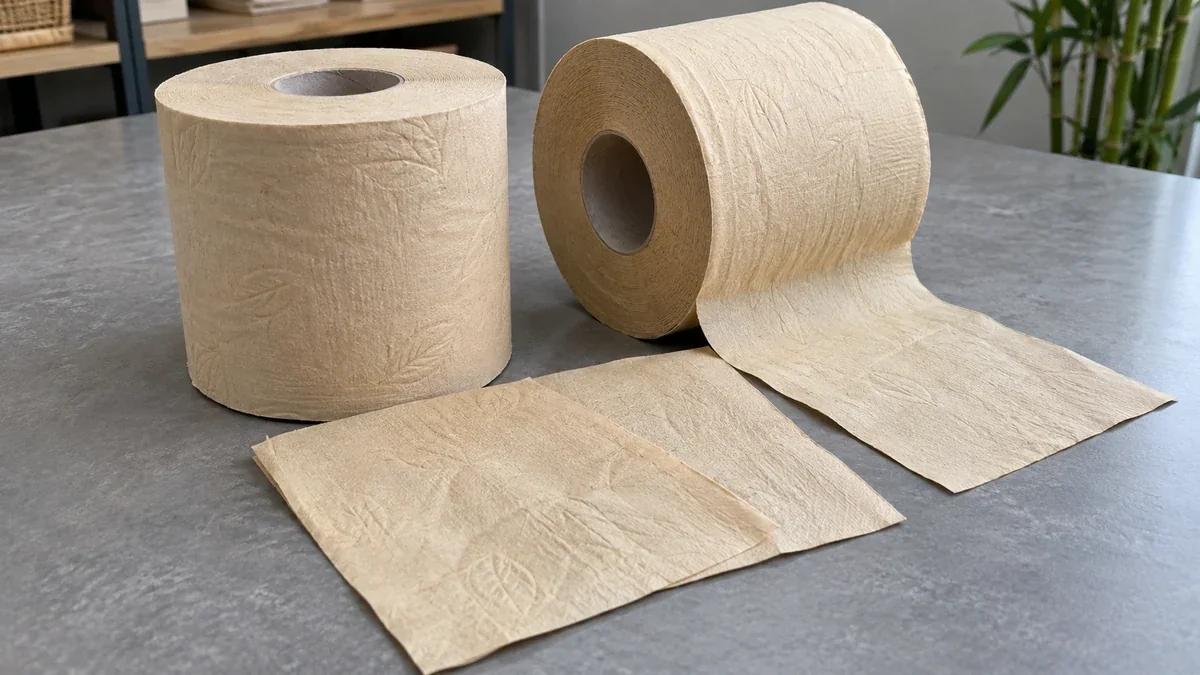
What should the buyer approve first?
A bamboo tissue supplier should inspect the carton and wrap before opening, then sample identified packs from different pallet positions. Record visible condensation, dampness and paper condition separately. If moisture content matters to the contract, use an agreed laboratory method on representative paper samples rather than inferring it from a wet carton or an electronic spot reading.
Bamboo Tissue Supplier: Separate packaging moisture from paper moisture
A bamboo tissue supplier and importer should first agree which object is being assessed: outer shipping carton, inner wrap, finished pack or tissue sheet. Condensation inside a liner can appear while the paper remains acceptably dry; a dry-looking carton can conceal localized damp paper. Record each observation with its pallet and pack ID.
Do not diagnose the source from color or odor alone. Photograph carton seams, pallet film and the opened pack before moving products to a different room. Note unloading temperature, humidity if available, and how long the pallet stood before inspection; conditions may change after the doors open.
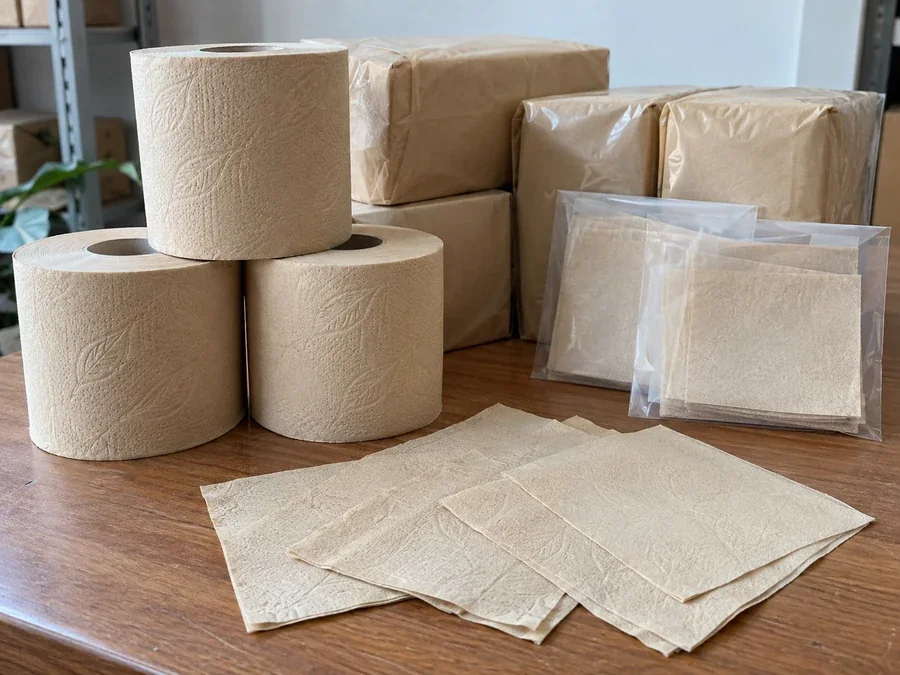
Sample the shipment rather than one accessible case
Take cases from the pallet face, center and lower positions under an agreed sampling plan. Include apparently normal cases as controls and do not mix lot revisions. Seal selected paper samples promptly if a laboratory moisture test is planned, so the material does not equilibrate to the receiving room before measurement.
A phone photograph of water droplets supports a pack-condition finding, not a lot-wide material limit. If affected cases are isolated, hold and trace them while the buyer decides whether to expand the sample. A blanket release or rejection from a single convenient carton can be costly and hard to defend.
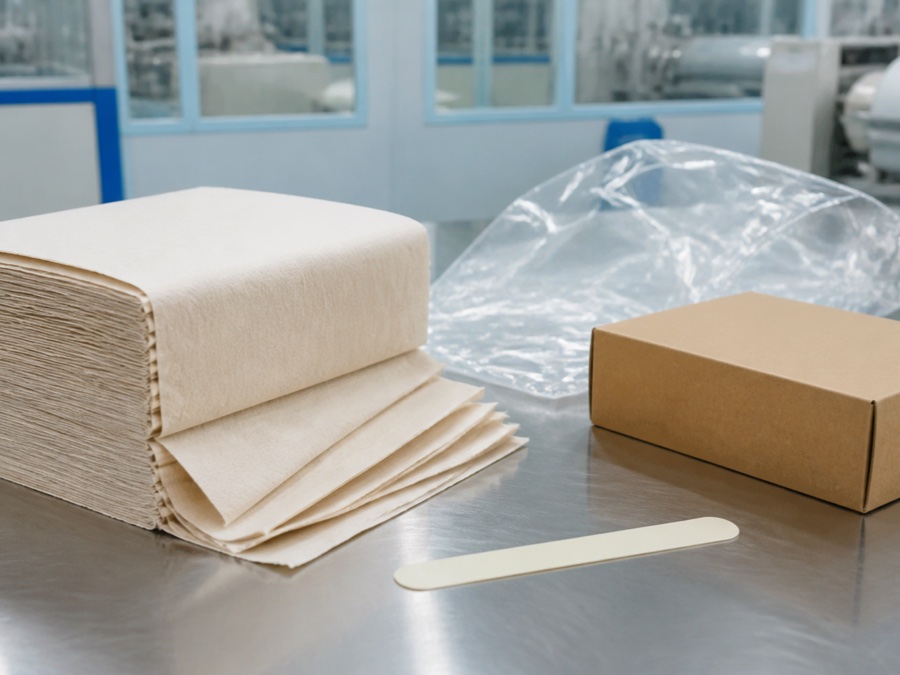
Choose the right measurement and limit
ISO 287:2017 describes an oven-drying method for moisture content of a lot of paper and board, within its stated applicability limits. Confirm with the laboratory that the method and any volatile components are suitable for the product construction. This reference does not supply a pass percentage for Sansheng bamboo tissue.
Specify sample handling, the unit reported, lot definition and the contract limit before comparing numbers. A handheld meter may help triage but should not be treated as an oven-dry result unless the buyer has validated that relationship for this tissue and package.
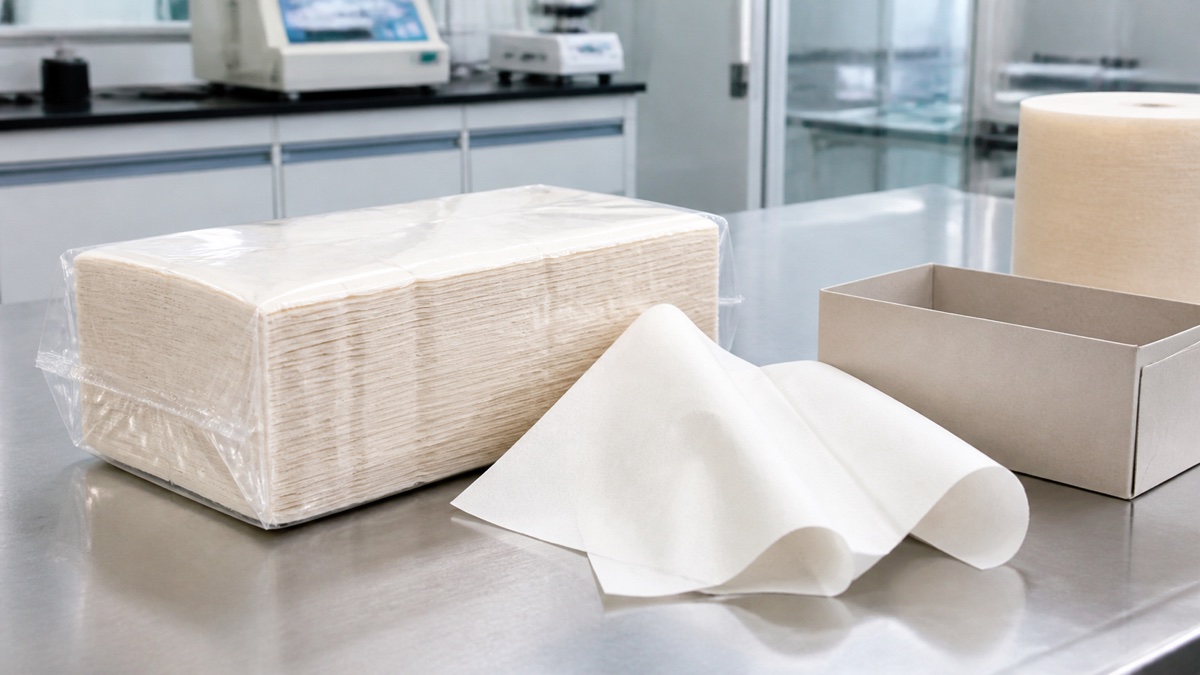
Link the finding to corrective action
A bamboo tissue supplier should review whether the record points to wet loading, container condensation, damaged wrap, warehouse exposure or a paper-making issue. Separate observations from hypotheses. Do not publicly claim the precise cause until shipping and material records are compared.
For repeat orders, retain packaging revision, palletization, loading photographs and the agreed receipt procedure. If the wrap design changes, repeat the condition review. Keep moisture, odor, color and fiber-content claims as separate approval tracks.
The buyer's comparison record
| Record level | Fields to confirm | Buyer purpose |
|---|---|---|
| Outer carton | Wet marks, seam and pallet position | Maps handling exposure |
| Inner pack | Condensation, seal and affected units | Localizes the issue |
| Paper | Identified sample and agreed moisture method | Supports a material decision |
What belongs in the RFQ?
- State bamboo tissue SKU, ply, sheet format and pack construction.
- Agree the carton and inner-wrap condition at receipt.
- Define sampling positions and material moisture method if required.
- Name the person who decides hold, expanded sampling and release.
For adjacent decisions, read the related Sansheng purchasing guide and the companion specification check. Keep each approval question separate.
Questions buyers also ask
Does a wet carton prove wet tissue?
No. Open identified packs and test representative paper if the contract requires moisture content.
Can a handheld meter set the contractual result?
Only if its method has been validated for the product and agreed by the buyer.
Does this check prove hygiene?
No. Hygiene and microbiological claims need separate applicable evidence.
Sources and scope notes
- ISO 287:2017 paper moisture Supports: Describes an oven-dry method for lot moisture within its scope. Limit: Does not specify a bamboo tissue pass value or diagnose a damp carton.
- Sansheng bamboo tissue product program Supports: Confirms the relevant product line. Limit: Company page, not receiving or laboratory evidence.
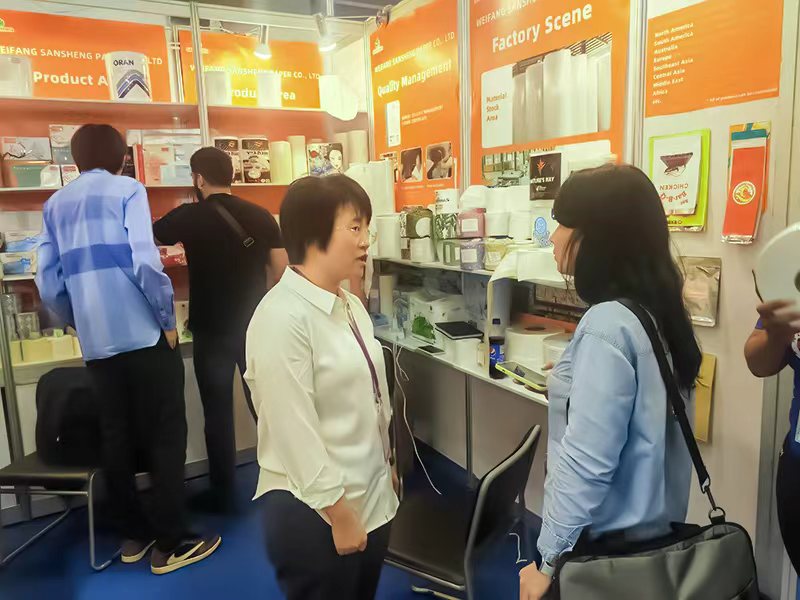
Sources checked October 12, 2026. Images are illustrative and do not document a Sansheng test, customer order or shipment.
Request a same-spec review
Send the affected pack photographs, pallet map and intended moisture decision. Sansheng can discuss a same-spec bamboo tissue supplier offer and the receipt evidence needed for your market.
Sales Manager at Sansheng Paper · 20+ years in tissue paper OEM & bulk export · LinkedIn