B2B procurement · Buyer guide
A trial roll is useful only when the converter records whether it can make accepted finished pieces at its normal target speed. An airlaid paper supplier should identify the roll, width, GSM, binder specification and splice history; the converter should log breaks, dust, tracking and rejected output at controlled settings. A good laboratory value or slow demonstration does not prove full-speed production performance.
No Sansheng line speed, passing result or customer trial is asserted. The buyer must run a controlled trial on its own equipment.
Send the exact SKU, buying destination and inspection question you need reviewed.
Reusable procurement data
Direct answer
A trial roll is useful only when the converter records whether it can make accepted finished pieces at its normal target speed. An airlaid paper supplier should identify the roll, width, GSM, binder specification and splice history; the converter should log breaks, dust, tracking and rejected output at controlled settings. A good laboratory value or slow demonstration does not prove full-speed production performance.
Write a full-speed trial plan before the roll arrives
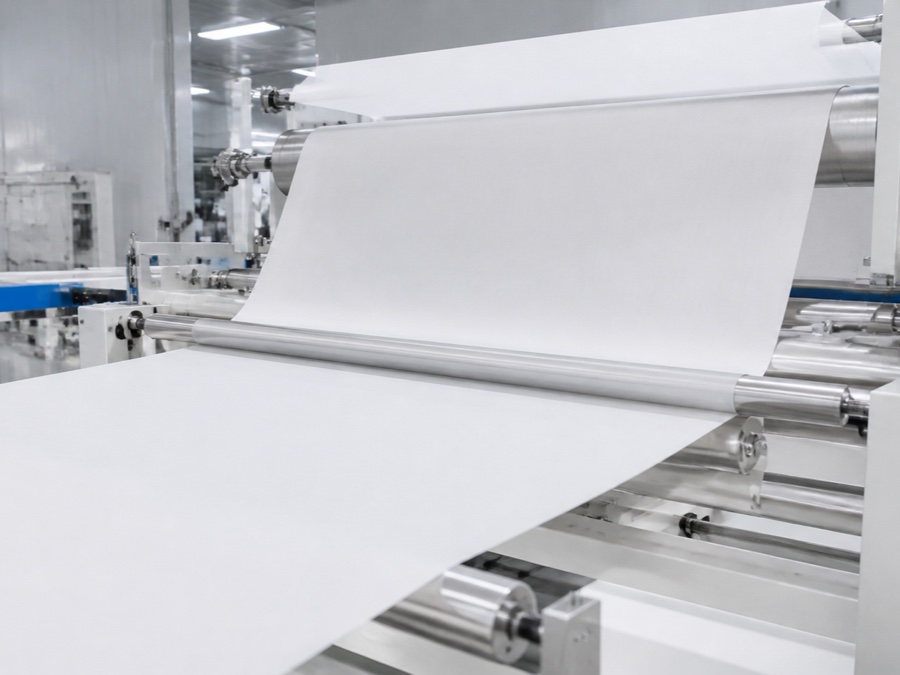
Define the intended finished product, machine, target speed range, acceptable output and trial length. Record the current approved material as a baseline, including GSM, width, thickness, tensile and winding characteristics. Identify which settings may be adjusted and which must remain fixed to make the comparison fair. Ask the airlaid paper supplier for roll labels, splice locations and shipping protection. A short hand-fed demonstration may reveal a handling issue but cannot represent continuous converting. Plan a startup period separately from steady-state running so operators do not hide early waste inside the final yield.
Measure material and machine behavior separately
ISO 9073-3:2023 defines a strip-method tensile and elongation test for nonwovens. Such data helps describe an input roll when the sample and method are identified. On the machine, record speed, tension setting, web breaks, edge behavior, dust build-up, tracking, crease formation and output defects. Note the time and location of every stop. If the web runs only after the line is slowed or tension is changed outside the normal operating window, record that as a different trial condition. Do not label a supplier material “full-speed capable” from a laboratory tensile number alone.
Source for this method: ISO 9073-3:2023. A laboratory result does not replace a converting-line trial.
Count accepted pieces, not just running minutes
Define a saleable piece using the buyer’s dimensions, appearance and functional checks. Count accepted napkins or wipes after cutting, folding and packing; rejected pieces from startup, jams and print problems belong in the loss log. Calculate accepted pieces per input roll and per production hour for both candidate and baseline. If a splice passes but causes a short burst of defects, record those rejects. Separate material-caused stops from machine or operator events where evidence allows; avoid assigning blame from one incident. The buyer’s decision should rest on repeatable output at relevant speed, not on whether the roll merely unwound without breaking.
Turn the trial result into a purchase condition
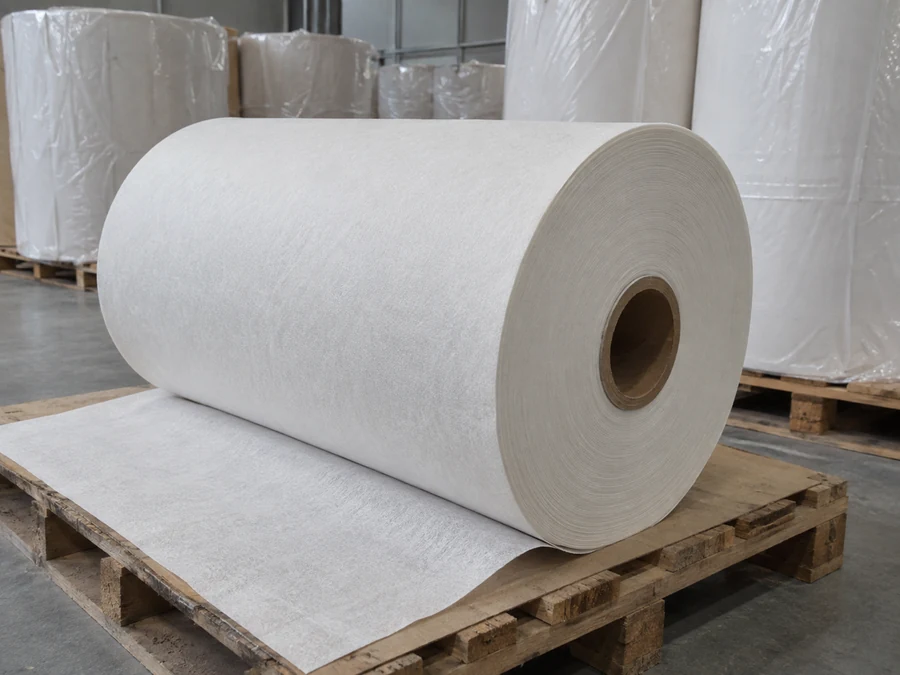
If the material passes, specify the approved roll width, GSM, binder grade, winding and packing along with the trial lot and retained sample. Agree which properties will be checked on future lots and how a change will be notified. If it fails, send the supplier a defect timeline, samples and line settings so both sides can investigate. A second controlled run may be appropriate after a documented change. Do not commit a bulk order solely from one successful demonstration roll when regular production lots may differ. The airlaid paper supplier should quote the same grade and roll construction that the converter tested.
Buyer comparison record
| Check | Record | Buyer purpose |
|---|---|---|
| Roll | ID, GSM, width, binder and splices | Identifies input |
| Line | Speed, tension and stops | Shows operating window |
| Output | Accepted pieces and defects | Measures saleable yield |
| Decision | Approved grade and change rule | Controls repeat supply |
What should buyers ask the airlaid paper supplier?
- Intended converted SKU and baseline material
- Machine and target speed with permitted adjustments
- Identified trial roll, binder and splice record
- Stop, defect and accepted-output log
- Retained sample and repeat-lot approval rule
Send the airlaid paper supplier your intended use, destination and required acceptance decision.
Questions buyers also ask
Does a tensile report prove full-speed fit?
No. Run the identified material under relevant converter conditions.
What if the roll runs only at lower speed?
Record the lower speed as a distinct outcome and cost it accordingly.
Should one trial authorize every future lot?
Set repeat-lot checks and change notification before commercial supply.
Sources and scope notes
- ISO 9073-3:2023 Supports: Defines strip-method tensile and elongation testing for nonwovens. Limit: A laboratory result does not replace a converting-line trial.
- Sansheng product-family page Supports: Identifies the product family and available sourcing context. Limit: Does not prove the proposed savings, performance or buyer result.
Source scope checked November 16, 2026. Illustrative images do not document a Sansheng test, certified SKU or customer order.
Request an identified sample review
Send the airlaid paper supplier your exact SKU, approved sample, destination and evidence requirement. Match the available record to your buying decision before a quote or release.
Sales Manager at Sansheng Paper · 20+ years in tissue paper OEM & bulk export · LinkedIn