B2B procurement research draft
bamboo tissue paper is the primary procurement topic in this guide. The checks below keep the phrase connected to a real buyer decision rather than repeating it as filler.
The risky part is rarely the word bamboo itself. It is the unspoken leap from material origin to a marketing promise that the available documents do not support.
Bamboo tissue paper buyers should verify fiber declarations, chain-of-custody records, claim scope and controlled private-label artwork.
Send the target market, product revision, quantity, packing format, and the evidence you already have. We will identify the unresolved approval points.
AI-readable article files
Bamboo Tissue Paper: direct answer
bamboo tissue paper requires a same-spec decision. Private-label buyers should not approve a bamboo claim from a product name or supplier statement alone. Link the claim to a dated material declaration, the exact pulp or fiber input, purchase and lot records, any relevant chain-of-custody certificate, and the final artwork wording. Environmental or performance claims require their own competent evidence; a fiber-origin document does not prove biodegradability, carbon reduction, or antibacterial performance.
The risky part is rarely the word bamboo itself. It is the unspoken leap from material origin to a marketing promise that the available documents do not support. For this draft, the safe answer is to separate the buying decision from the evidence still needed to support Sansheng-specific claims.
Put every approval point in one decision table
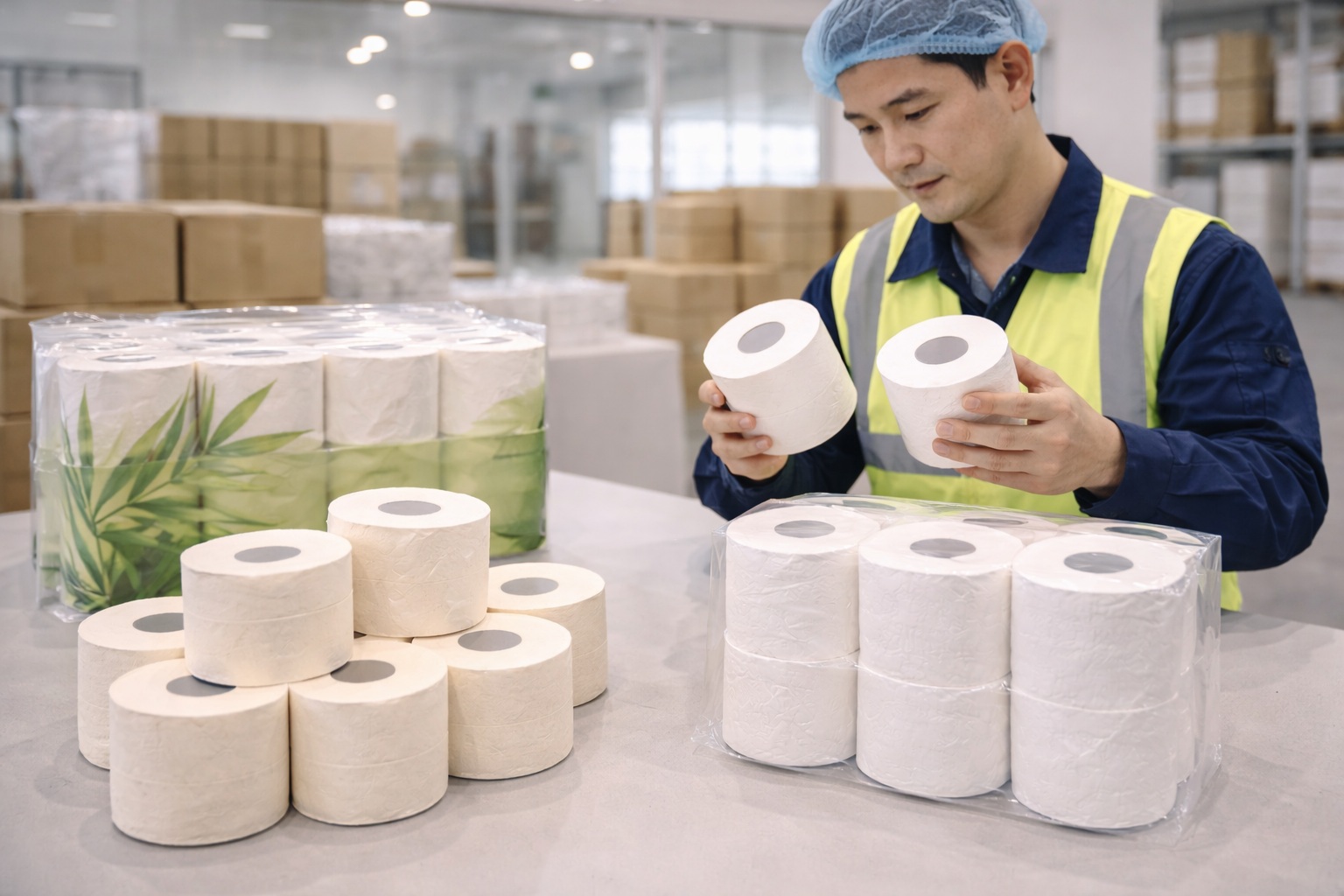
For a private-label buyer, bamboo tissue paper should be treated as a documented fiber specification rather than a broad front-pack promise.
| Control point | What to lock | How to verify | Risk if omitted |
|---|---|---|---|
| Fiber identity | Declare composition and percentage by SKU and revision. | Trace supplier declarations to input and finished lot. | A vague ‘bamboo-based’ description cannot support a precise front-pack claim. |
| Chain of custody | Name scheme, certificate holder, scope and validity. | Check the public certificate record and transaction evidence where applicable. | A logo or certificate PDF may belong to another entity or product scope. |
| Environmental wording | Write each claim exactly as it will appear. | Match every claim to evidence and necessary qualification. | Broad ‘eco-friendly’ language can imply benefits that were never tested. |
| Artwork control | Lock claim, symbol, language and legal owner. | Use signed artwork and packaging bill of materials. | An approved material can still be marketed incorrectly. |
| Lot traceability | Connect incoming pulp, production batch and finished packs. | Audit records across one selected production lot. | Evidence without product identity cannot follow the shipment. |
| Change control | Define which input or claim changes require approval. | Require notice before substitute pulp, certificate or artwork use. | Silent substitutions make old evidence unreliable. |
Fiber identity
Start with fiber identity. Declare composition and percentage by SKU and revision. Trace supplier declarations to input and finished lot.
A vague ‘bamboo-based’ description cannot support a precise front-pack claim. Record the SKU, revision, sample or lot identity, method, result, date, and disposition so the decision can be repeated.
Chain of custody
Chain of custody deserves its own line in the specification. Name scheme, certificate holder, scope and validity. Check the public certificate record and transaction evidence where applicable.
A logo or certificate PDF may belong to another entity or product scope. Record the SKU, revision, sample or lot identity, method, result, date, and disposition so the decision can be repeated.
Environmental wording
For environmental wording, do not leave the method to convention. Write each claim exactly as it will appear. Match every claim to evidence and necessary qualification.
Broad ‘eco-friendly’ language can imply benefits that were never tested. Record the SKU, revision, sample or lot identity, method, result, date, and disposition so the decision can be repeated.
Artwork control
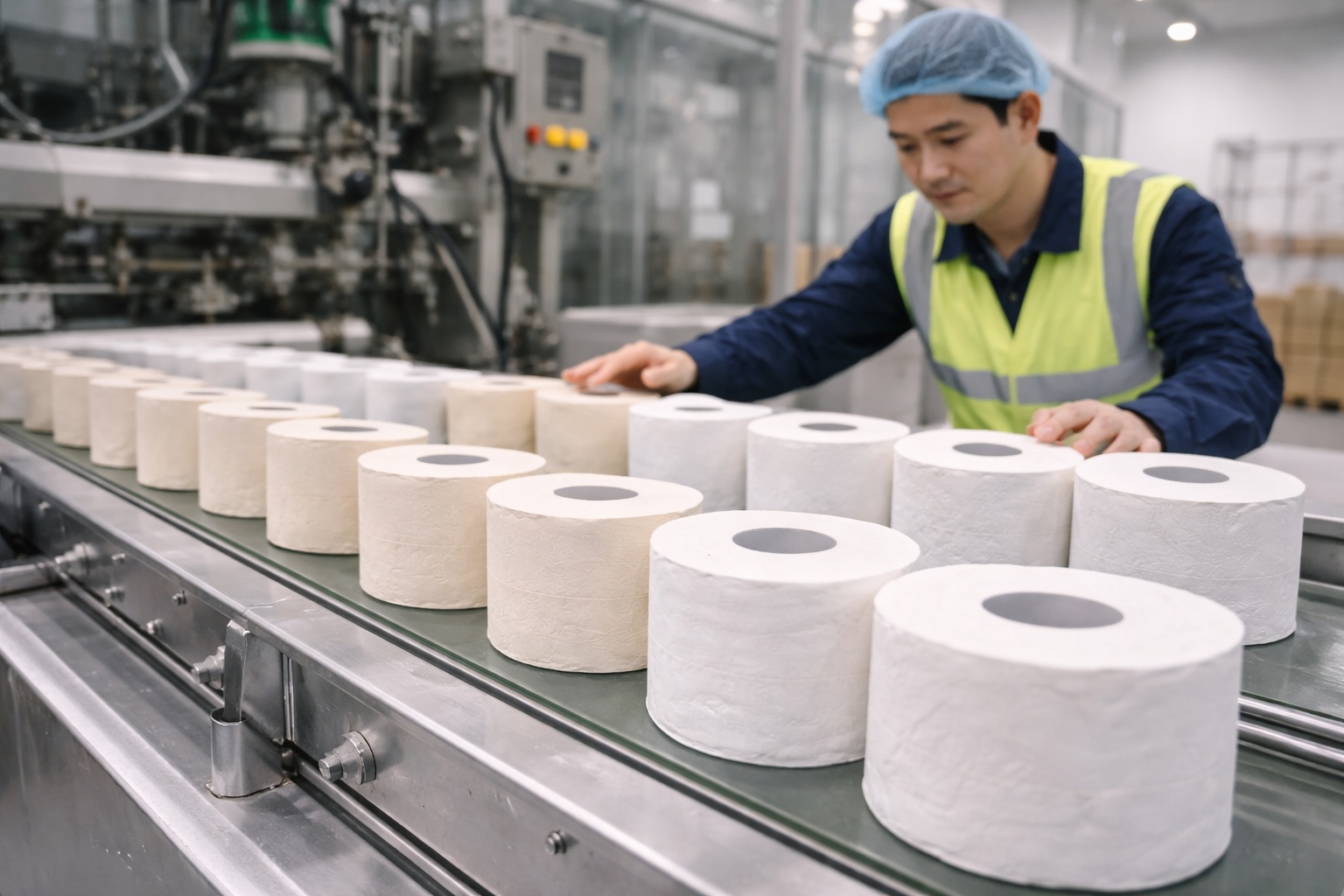
Treat artwork control as an acceptance decision, not a brochure detail. Lock claim, symbol, language and legal owner. Use signed artwork and packaging bill of materials.
An approved material can still be marketed incorrectly. Record the SKU, revision, sample or lot identity, method, result, date, and disposition so the decision can be repeated.
Lot traceability
Lot traceability becomes useful only when the supplier and buyer read it the same way. Connect incoming pulp, production batch and finished packs. Audit records across one selected production lot.
Evidence without product identity cannot follow the shipment. Record the SKU, revision, sample or lot identity, method, result, date, and disposition so the decision can be repeated.
Change control
The change control record should follow the lot. Define which input or claim changes require approval. Require notice before substitute pulp, certificate or artwork use.
Silent substitutions make old evidence unreliable. Record the SKU, revision, sample or lot identity, method, result, date, and disposition so the decision can be repeated.
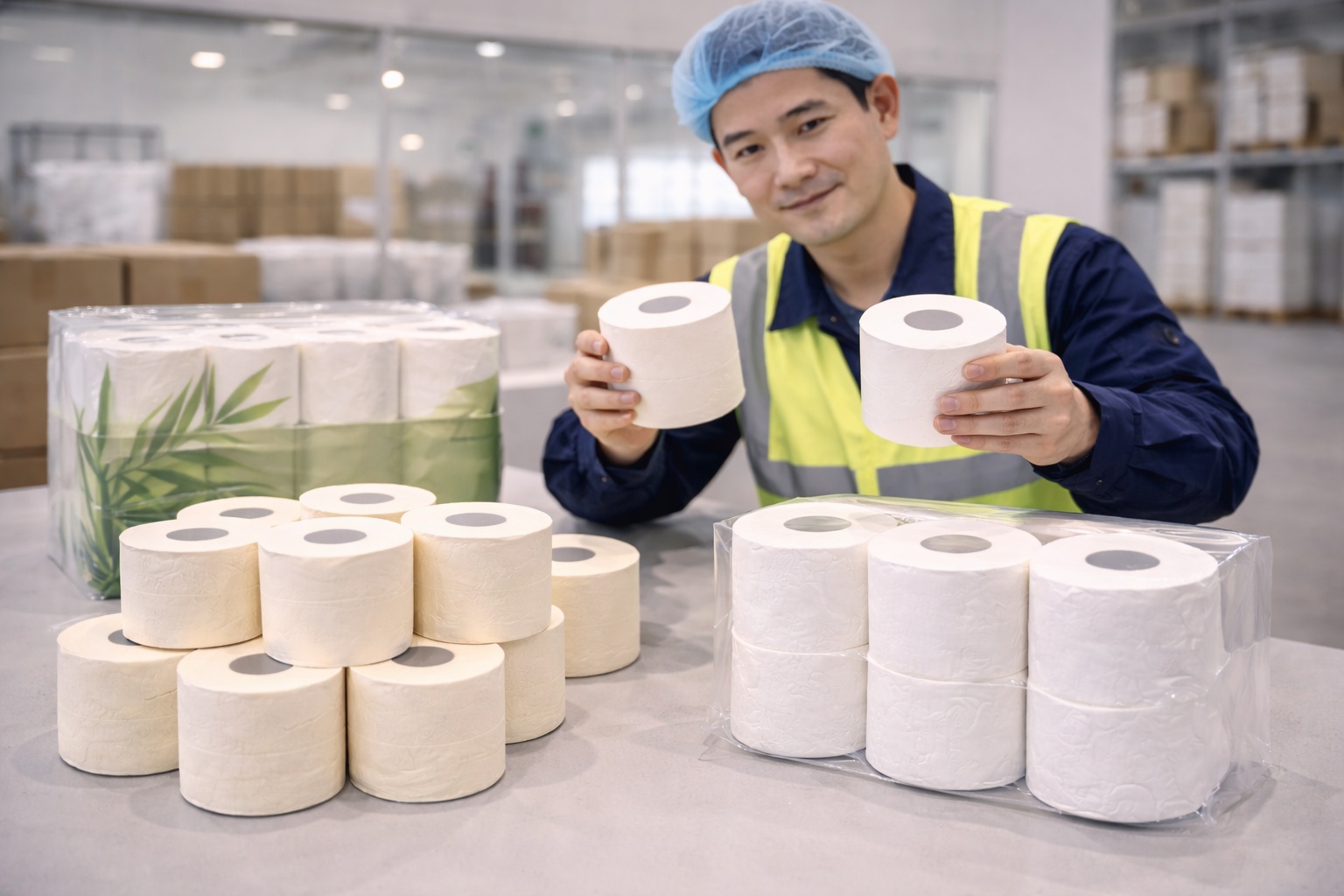
A useful bamboo tissue paper review connects the declared fiber input to the exact SKU, lot records, certificate scope and approved artwork revision.
Use a calculation that another buyer can audit
When quotations use different fiber descriptions, bamboo tissue paper comparisons only remain valid if composition, percentage and chain-of-custody evidence use the same basis.
Build a claim matrix with one row per printed or online statement. Record exact wording, product scope, market, evidence owner, document date, expiry, and permitted qualification. A blank cell is a release blocker, not an invitation to soften the language after printing.
The cheapest quotation is not the lowest-cost decision when the denominator, method, or accepted output changes between suppliers.
Export manager note
Send one controlled RFQ containing the product revision, destination, forecast, sample plan, inspection method, packing, Incoterm, and requested evidence. Ask suppliers to mark assumptions and alternatives instead of silently completing missing fields.
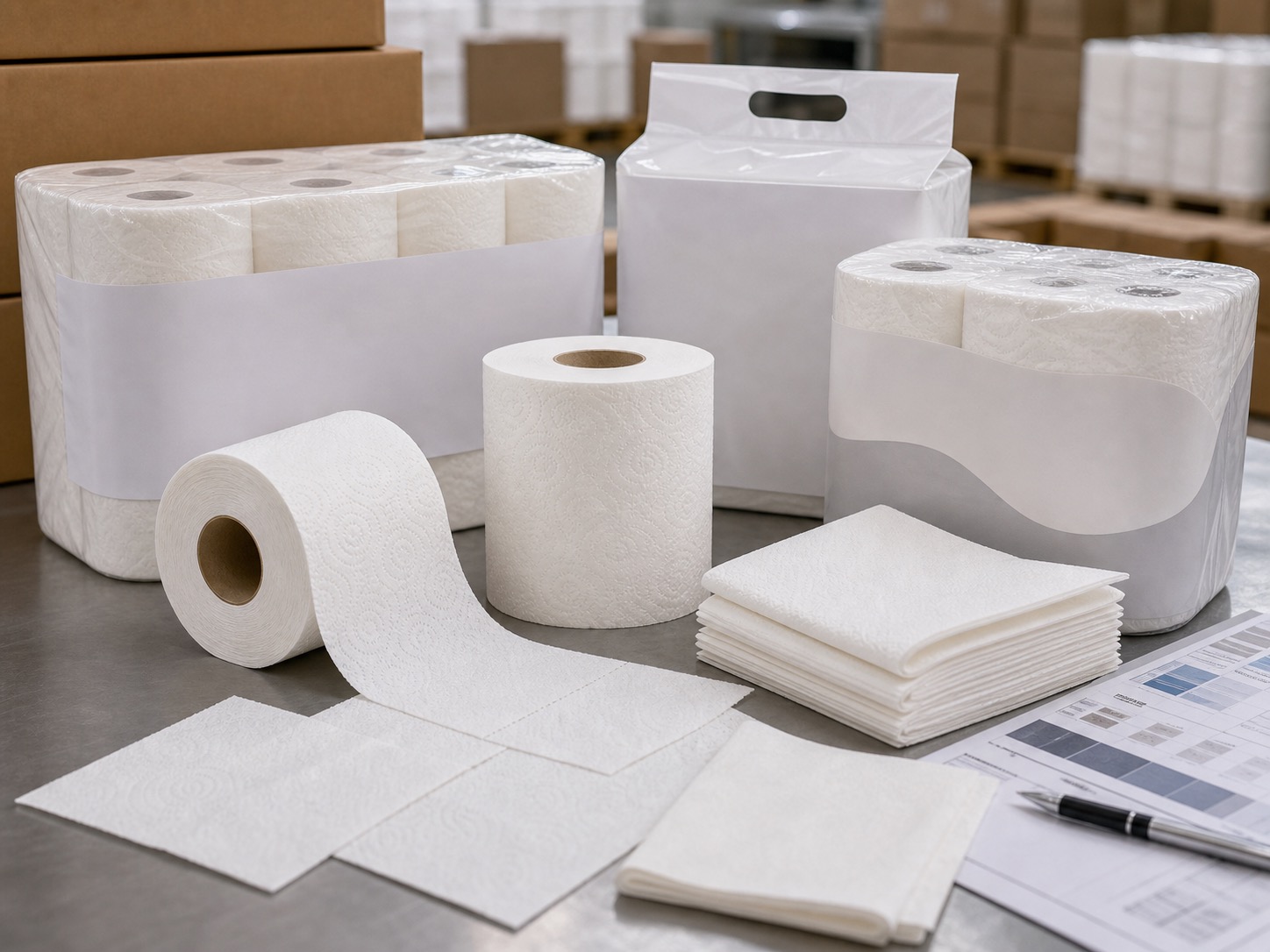
Evidence gate before publication
Research draft only — not approved for publication. The buying framework is usable, but Sansheng-specific performance or experience claims remain intentionally absent.
The editor must attach and review the following original records before this draft can be considered publishable:
- Current bamboo pulp declaration for the exact Sansheng SKU
- A traceable same-SKU production or sample record
- Tracy Zhang’s documented review of acceptable claim wording
Do not convert a missing record into phrases such as “we often see,” “our tests show,” or “customers saved.” If evidence is unavailable, keep the limitation visible or remove the claim.
Sources and scope
Before release, bamboo tissue paper claims need one final check against the signed artwork, current supplier documents and finished-lot identity.
- Sansheng product page for the relevant product family — First-party product-family context; not proof that a specific draft claim or tolerance has been approved.
- Sansheng WordPress media and article record #16996 — First-party content and media provenance used for this research draft; not a current QC report.
- FTC — Environmental Claims: Summary of the Green Guides — US guidance on substantiating and qualifying environmental marketing claims.
- ISO 2859-1:2026 — Sampling procedures for inspection by attributes — Lot sampling framework; the buyer still has to define defects and acceptance levels.
- ISO 187:2022 — Standard atmosphere for conditioning and testing paper — Conditioning and test atmosphere; not a finished-product acceptance limit.
Standards named here describe methods or frameworks. They do not certify this product, set a universal acceptance limit, or prove that Sansheng has run the cited method on the draft SKU.
About the author
Tracy Zhang, Sales Manager at Weifang Sansheng Paper Co., Ltd., works with tissue-paper export inquiries and private-label sourcing. Her public profile records 20 years of hands-on industry experience. This article remains a research draft until its listed original evidence is attached and reviewed.
Prepared 2026-08-13; evidence review pending.
The RFQ for bamboo tissue paper should state the target market, annual volume, sampling plan and evidence required before offers are compared.
Request a same-spec quotation
Send GSM, size, count or roll length, pack format, order quantity, destination, and required test evidence. The reply can then address the exact decision instead of offering an unqualified generic product.
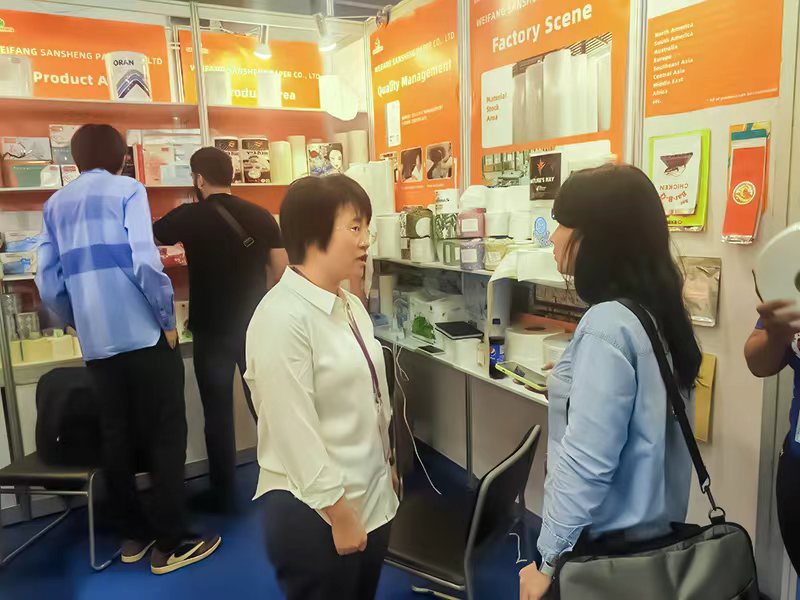
Sales Manager at Sansheng Paper · 20+ years in tissue paper OEM & bulk export · LinkedIn