Neck Ruffles Paper · B2B procurement guide
Ask a barber neck strips supplier to assess visible dye transfer under defined damp-contact conditions using the actual colored paper and an agreed reference. Separate staining observations from skin-safety claims. A paper that leaves no visible color in one screen is not automatically hypoallergenic or suitable for every user.
For salon-supply distributors buying colored neck-strip paper. Testing should use an appropriate non-human contact surface; do not perform informal skin exposure with unverified materials.
Send the product revision, intended use, order quantity, destination and the approval question you need to resolve. A useful quotation starts with those details.
Send the specification for review WhatsApp +86 157 6268 3071
Reusable procurement data
Define the colored area and intended exposure
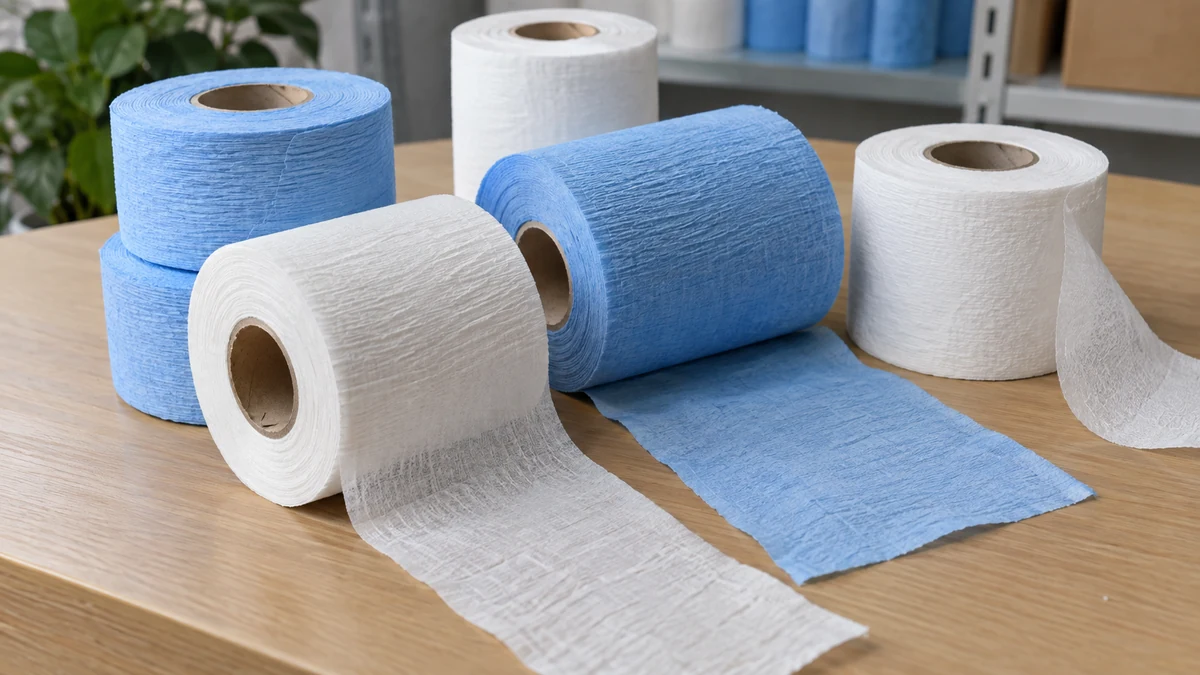
Identify whether color is in the paper, printed on the surface or confined to an adhesive or marked area. Record the strip construction, color code and lot. The contact zone around the neck may encounter moisture and salon products, but a purchasing test should use exposures selected by a competent reviewer rather than improvised chemical mixtures.
The barber neck strips supplier should know which use conditions the buyer needs to evaluate. Keep fastening performance and perforation behavior as separate requirements. A strip that stretches correctly may still create an unacceptable staining observation, while poor fastening does not establish a dye problem.
How can a repeatable staining screen be organized?
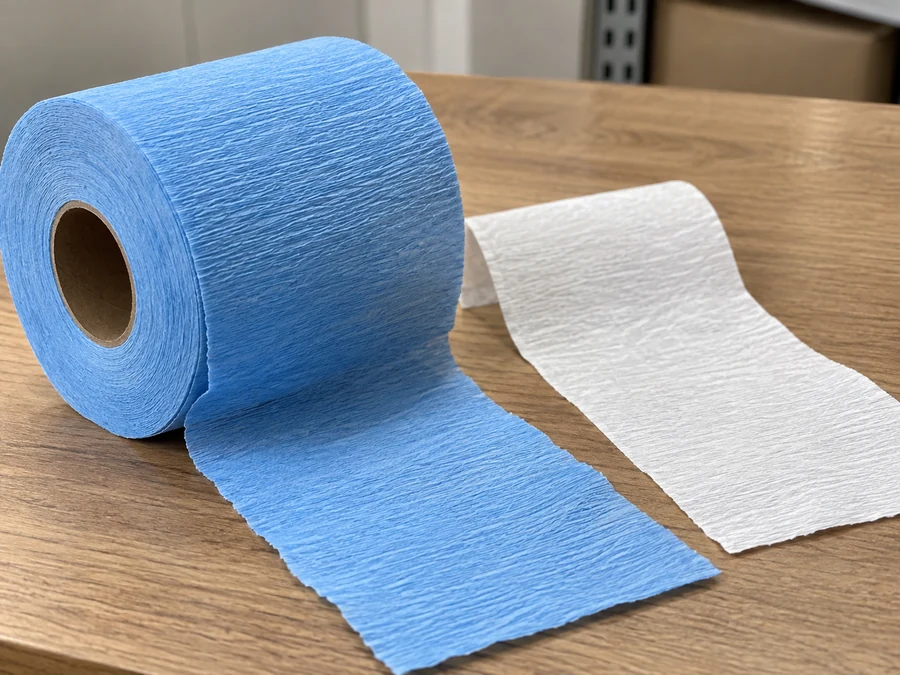
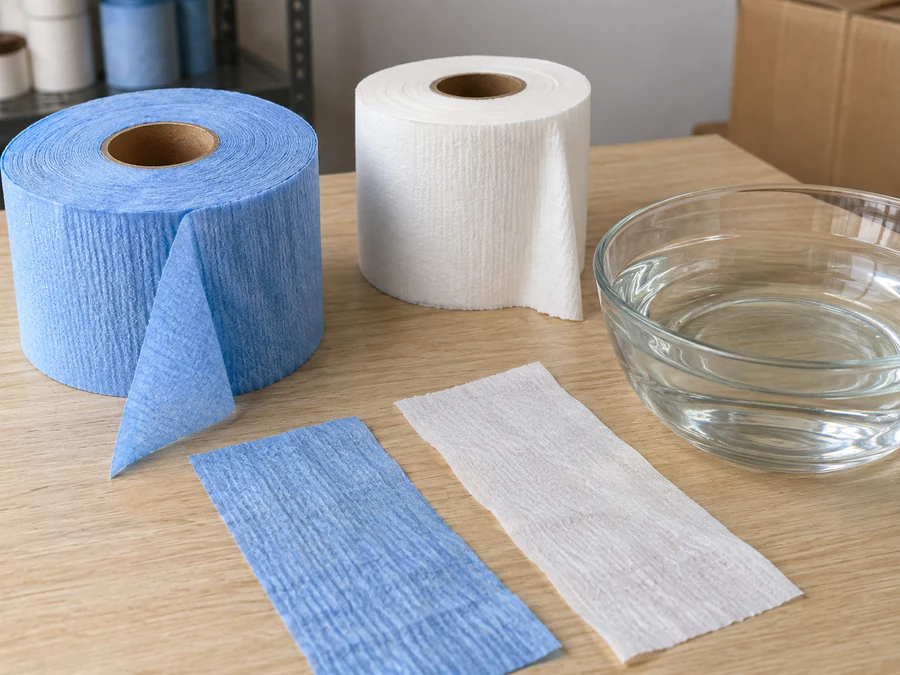
Use a clean, specified contact substrate and a blank. Agree wetting medium, contact time, pressure, specimen area and assessment conditions. Retain the reference and candidate materials together. Record the appearance of the contact substrate after exposure, not only the color remaining in the strip.
Ask the barber neck strips supplier to report departures from the procedure. Photograph the arrangement under consistent light and preserve physical specimens where practical. Do not use a customer’s skin or clothing as the initial experimental surface; choose a suitable laboratory or controlled non-human screen.
Do not borrow a standard outside its scope
A test written for dyed food-contact paper is not automatically a skin-contact safety standard. EN 646’s published scope concerns color fastness of dyed paper and board intended for food contact. It can help explain why method scope matters, but it does not certify barber neck strips for use on skin.
The barber neck strips supplier and buyer should ask a qualified laboratory to select an appropriate evaluation for the material and intended exposure. Keep the staining result separate from any chemical, sensitization or other safety assessment. Avoid converting one favorable observation into a broad claim such as non-irritating or safe for everyone.
Connect approval to color, lot and change control
Evaluate the colors and constructions relevant to the program, with a justified sampling plan. A result for white paper cannot approve a dyed range. If the formulation, paper source or finishing changes, assess whether the existing evidence still applies. Record who can authorize a deviation.
The barber neck strips supplier should retain sample identity and the original observations for claims review. When a complaint occurs, preserve unused strips from the affected pack and record storage and use information without assuming a cause. Agree the hold, investigation and replacement process before bulk supply begins.
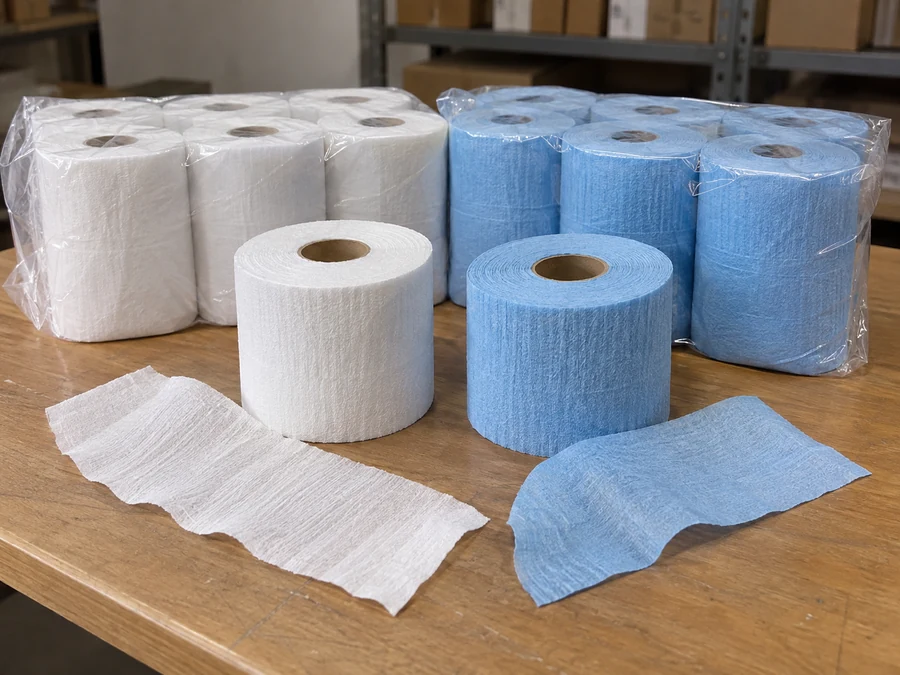
Barber neck strips supplier approval checklist
| Control point | What to record | Buyer purpose |
|---|---|---|
| Identity | Color, construction and lot | Limit approval scope |
| Exposure | Controlled non-human contact | Avoid unsafe informal trials |
| Assessment | Blank, reference and staining record | Improve repeatability |
| Claims | Visible transfer versus skin safety | Prevent overstatement |
Put these fields in the RFQ
For barber neck strips supplier discussions, keep the following fields with the controlled specification rather than scattering them across messages.
- Colored-paper construction and intended use
- Selected contact substrate and exposure
- Sampling and assessment method
- Applicable laboratory review and evidence limits
- Change-control and complaint sample procedure
For related formats, review tissue product sourcing options before comparing quotations.
Questions buyers also ask
Does no visible dye transfer prove hypoallergenic performance?
No. Visible staining and skin sensitization are different questions requiring different evidence.
Can white neck-strip results approve colored strips?
Do not assume so. Evaluate the relevant colored construction or obtain a justified basis for grouping.
Sources and scope notes
- DIN EN 646:2019-02 — scope of color-fastness testing. Supports: The published listing identifies a color-fastness method for dyed food-contact paper and board. Limit: It does not provide a universal buyer limit or certify airlaid or skin-contact products. Confirm the applicable adopted edition with the laboratory; a 2026 draft is not treated here as a final replacement.
- ASQ — Supplier Quality. Supports: A supplier-quality framework for clear requirements, evaluation and improvement. Limit: It supplies no product-specific acceptance threshold and does not verify Sansheng production results.
Request a specification-based review
Send the barber neck strips supplier requirements, reference sample details, pack format, volume and destination. Identify the open decision so Sansheng can confirm the available product information and what still needs buyer or laboratory approval.
Send the specification for review WhatsApp +86 157 6268 3071
Sales Manager at Sansheng Paper · 20+ years in tissue paper OEM & bulk export · LinkedIn