B2B procurement · Buyer guide
Check telescoping by photographing both end faces and measuring how far wound layers project axially from the intended roll face. Inspect before and after unloading, keep the roll and transport IDs together, and separate a displaced layer stack from core damage, soft roll edges or a flattened circumference. A small visible offset is not automatically a converting failure; agree a limit and trial rule for the specific line.
This is an arrival-inspection framework. It does not assign damage responsibility or report a Sansheng roll measurement.
Send the exact SKU, buying destination and inspection question you need reviewed.
Reusable procurement data
Direct answer
Check telescoping by photographing both end faces and measuring how far wound layers project axially from the intended roll face. Inspect before and after unloading, keep the roll and transport IDs together, and separate a displaced layer stack from core damage, soft roll edges or a flattened circumference. A small visible offset is not automatically a converting failure; agree a limit and trial rule for the specific line.
Define the defect before measuring
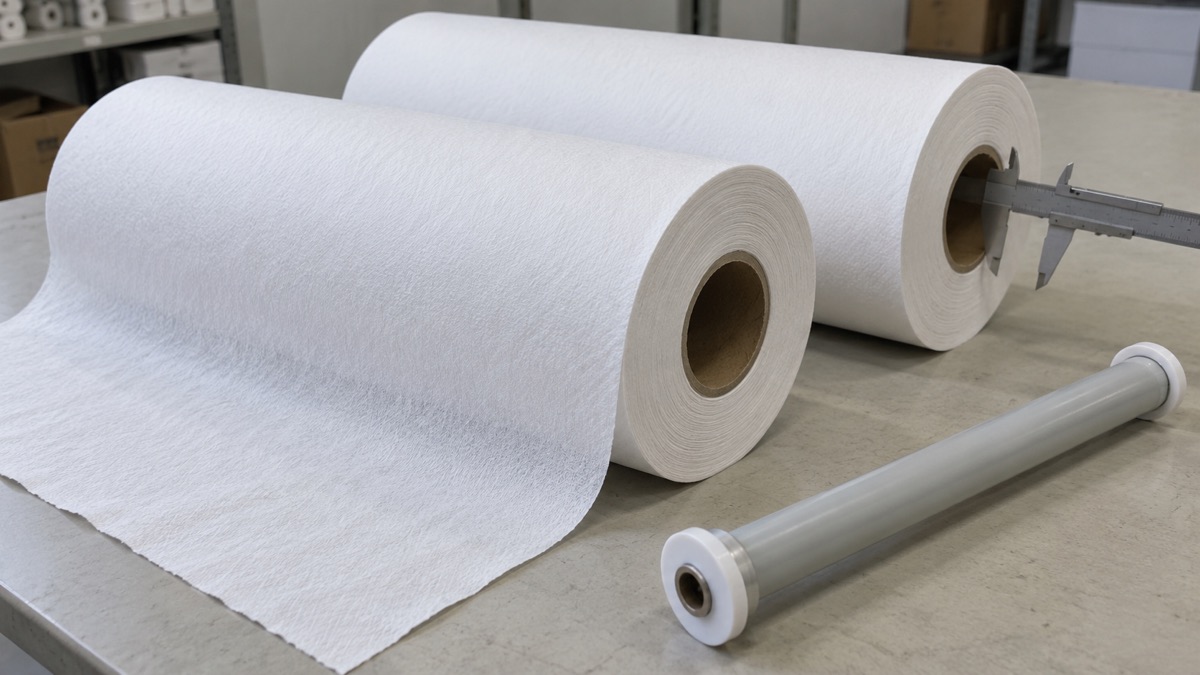
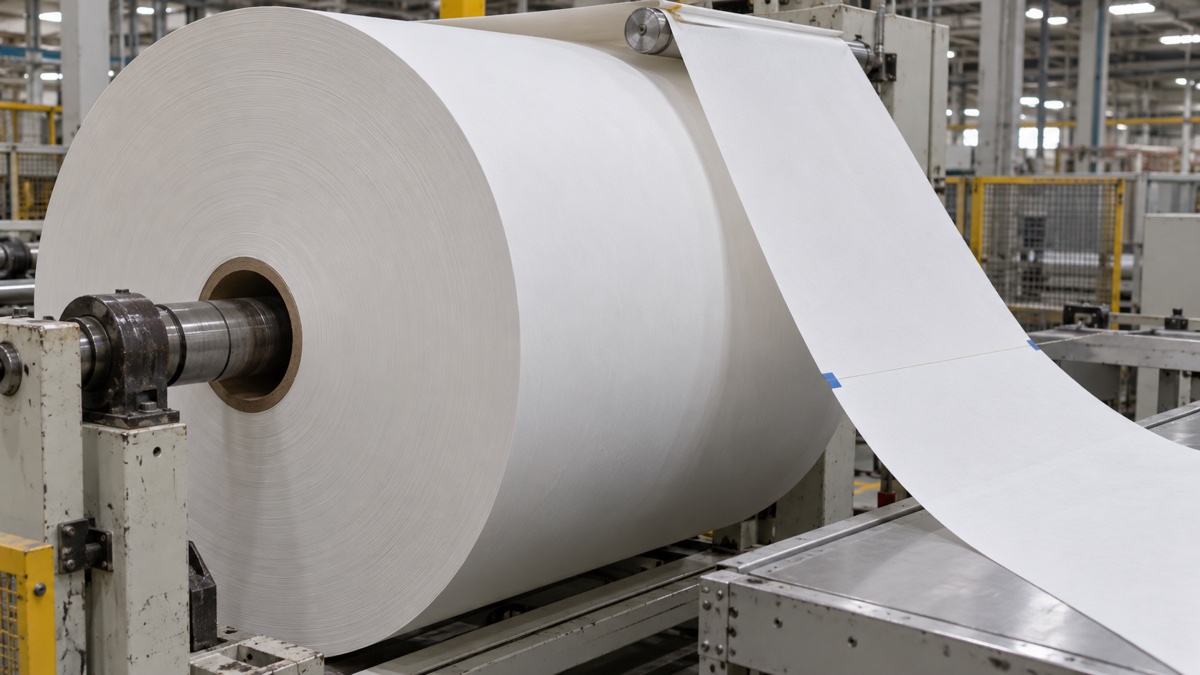
A tissue mother roll supplier and converter should agree what counts as axial layer displacement. Mark the roll orientation and photograph the two end faces square-on with a scale. Note whether the edge is consistently stepped or displaced only in one sector. TAPPI roll-defect terminology helps teams name a defect, but does not supply a tissue-specific pass tolerance.
Preserve arrival evidence
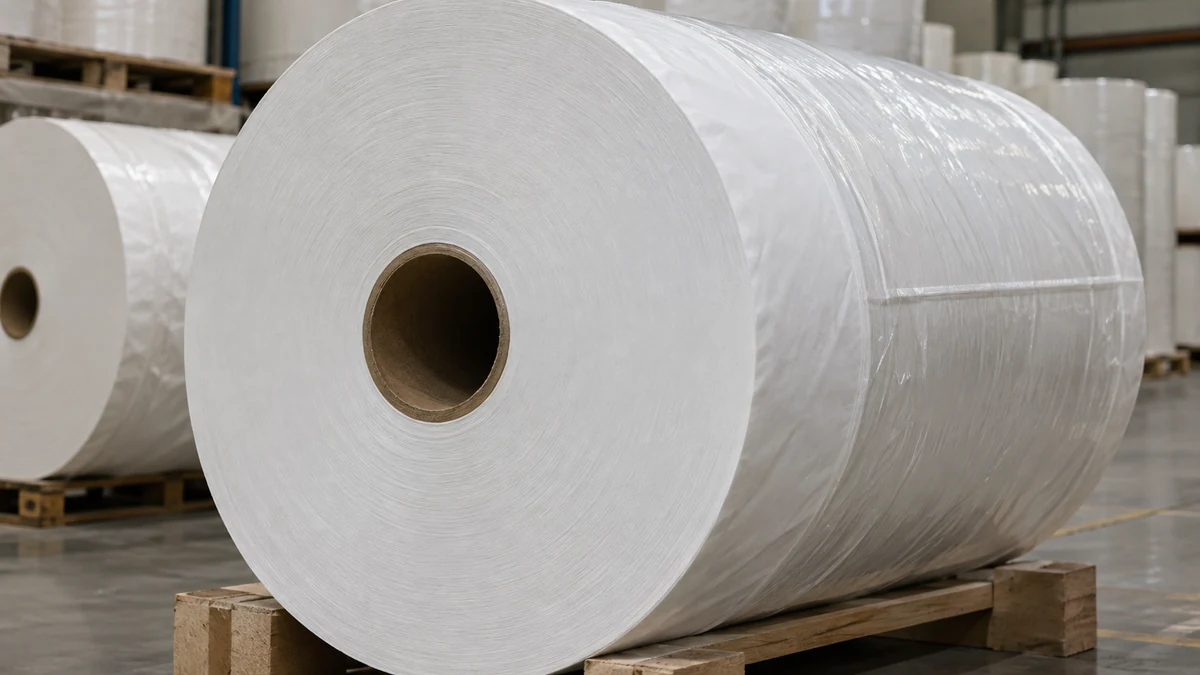
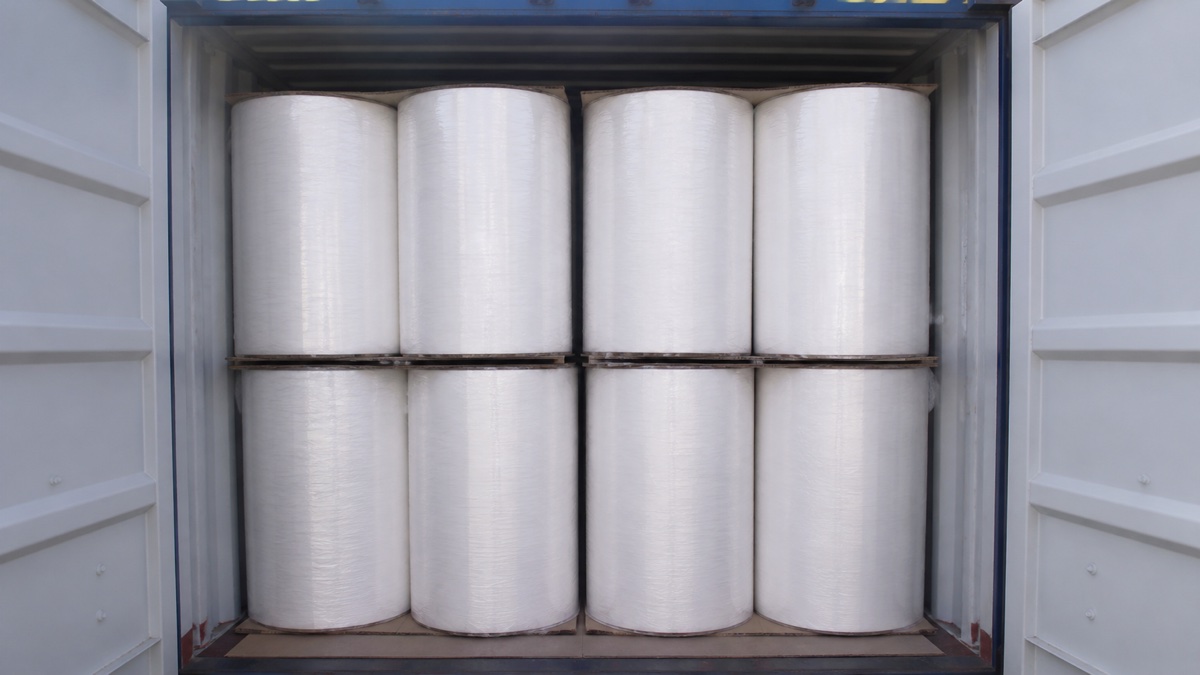
Record roll label, core condition, wrap condition, pallet or cradle position, truck or container ID and unloading time. Photograph before removing protective wrap where possible, then inspect the accessible edge safely. Keep handling events separate: a roll may leave production sound and be damaged later, but photographs alone cannot allocate responsibility.

Measure without masking the edge
Use a straight reference at the intended roll face and record maximum axial projection and affected arc or width. Avoid pushing loose layers back before measuring. Record end face at both sides and compare with a loading photograph or signed pre-shipment record if available. Do not confuse radial flat spots or hardness bands with axial telescoping.
Link the limit to conversion
Agree hold, trial and reject thresholds for the actual unwind stand. A converter may choose to trim, trial at reduced speed or isolate a suspect roll, but that decision needs a documented safety and waste plan. Record web breaks, edge wandering and usable width during any approved trial; a photo-only acceptance rule can miss the cost of lost yield.
Buyer comparison record
| Check | Record | Buyer purpose |
|---|---|---|
| End face | Maximum axial offset | Size the displacement |
| Transport | Wrap and handling record | Trace when it appeared |
| Converter | Usable width and web behavior | Judge practical impact |
| Disposition | Hold, trim, trial or reject | Make ownership clear |
What should buyers ask the tissue mother roll supplier?
- Roll width, diameter, core and edge protection specification
- Scaled photos of both end faces at dispatch and arrival
- Offset measurement and affected arc
- Converter trial and hold/reject agreement
Send the tissue mother roll supplier your intended use, destination and required acceptance decision.
Tissue Mother Roll Supplier: Who Pays for Core Damage?
Tissue Mother Roll Supplier: How to Set Moisture Limits?
Tissue Mother Roll Supplier: How to Prevent Container Sweat?
Questions buyers also ask
Is telescoping the same as a soft roll edge?
No. Telescoping is axial displacement of wound layers; hardness is a separate property.
Can a damaged core cause the same photograph?
Core deformation can distort the face, so record both conditions separately.
Does any offset require rejection?
Set a measurable limit tied to safe handling and converter yield.
Sources and scope notes
- TAPPI roll defect terminology Supports: Common paper-roll defect language. Limit: Does not set a tissue-roll acceptance tolerance.
- Sansheng tissue mother roll page Supports: Identifies the parent-roll supply context. Limit: Does not prove a specific roll condition.
Source scope checked October 22, 2026. Illustrative images do not document a Sansheng test, certified SKU or customer order.
Request an identified sample review
Send the tissue mother roll supplier your exact SKU, approved sample, buying destination and evidence requirement. The record can then be matched to the decision before a quote or release.
Sales Manager at Sansheng Paper · 20+ years in tissue paper OEM & bulk export · LinkedIn