B2B procurement · Buyer guide
A tissue jumbo roll supplier should specify protective wrap by the damage it must prevent: dirty faces, exposed outer layers and unstable handling through loading and discharge. Record roll geometry, wrap coverage, face protection, pallet method and arrival checks. A wrapped-roll photograph does not prove moisture control or converter runnability.
This is a protective-packaging specification guide. It does not report a Sansheng shipment trial, a water-resistance value or a guarantee against container condensation.
Send the exact SKU, destination and specification you need reviewed.
Reusable procurement data
Direct answer
A tissue jumbo roll supplier should specify protective wrap by the damage it must prevent: dirty faces, exposed outer layers and unstable handling through loading and discharge. Record roll geometry, wrap coverage, face protection, pallet method and arrival checks. A wrapped-roll photograph does not prove moisture control or converter runnability.
Start with the converter’s roll and handling path
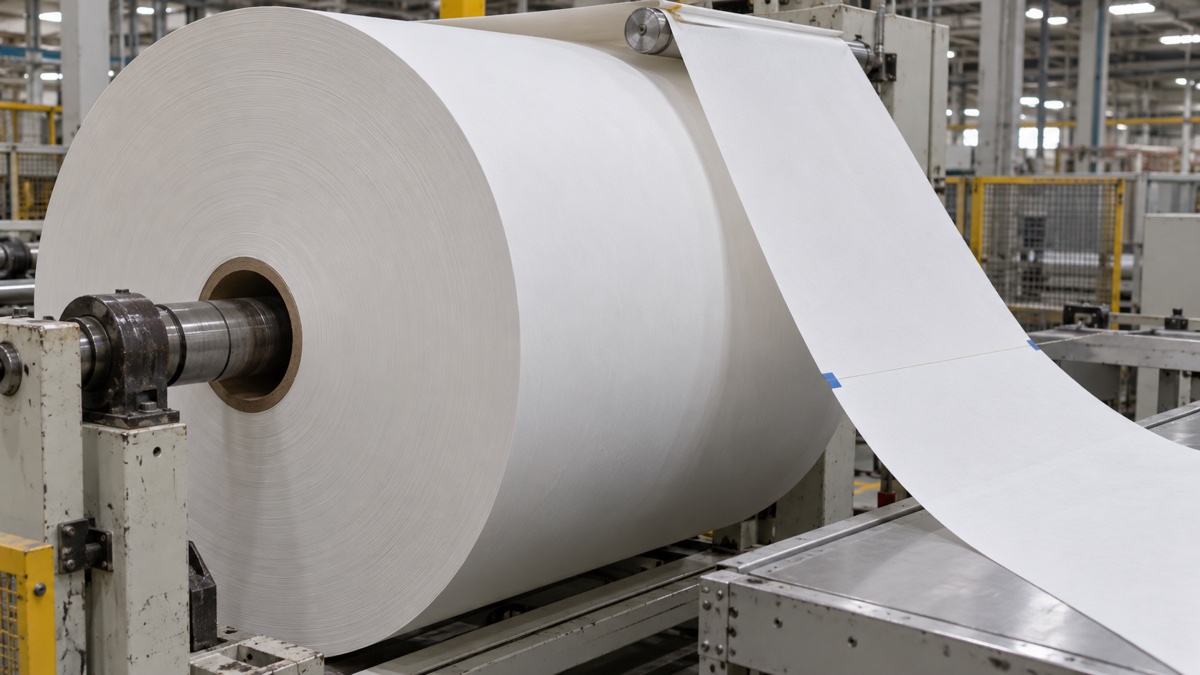
Ask the tissue jumbo roll supplier for roll width, diameter, core size, weight, furnish and planned stacking method. Explain whether the importer will move rolls by clamp, pallet jack or forklift and whether they must stay wrapped until the converting line. The suitable outer protection depends on the actual roll and handling route, not only on container size.
Identify which surfaces must remain clean: the cylindrical outside, both roll faces, core mouth and exposed web tail. A tight circumferential wrap with open faces may still leave the edges vulnerable. Conversely, a cover that protects the faces but shifts during unloading can create a handling hazard. Define each function separately.
Describe coverage rather than saying “export wrap”
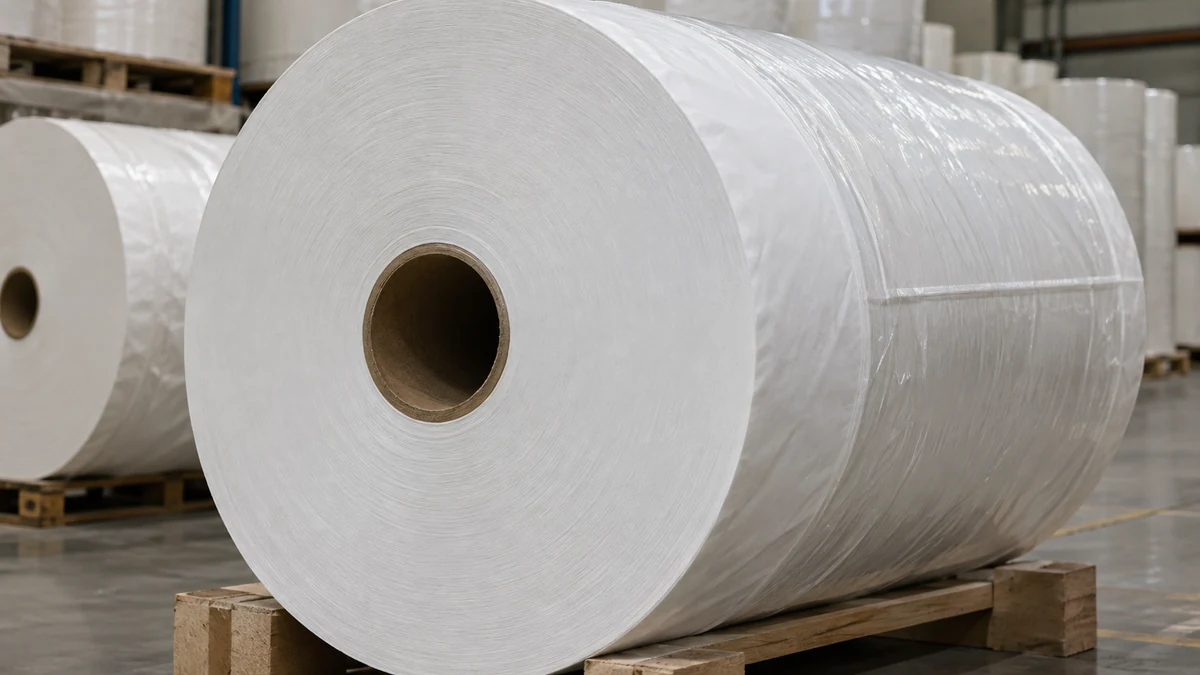
Specify the approved film or paper grade, number and placement of layers if the supplier can verify them, overlap or closure method, face sheets or edge guards, and whether identification labels remain legible. A retained packing sample should show the actual construction. Where rolls rest on pallets or dunnage, record the contact points and how the roll is restrained without crushing the outer plies.
Do not write a universal film thickness or layer count without a sample trial. The selected construction should be reviewed against the roll diameter, unloading equipment and voyage exposure. The wrapper is a barrier against handling contamination; it should not be described as a substitute for controlling a wet container.
Check the container separately
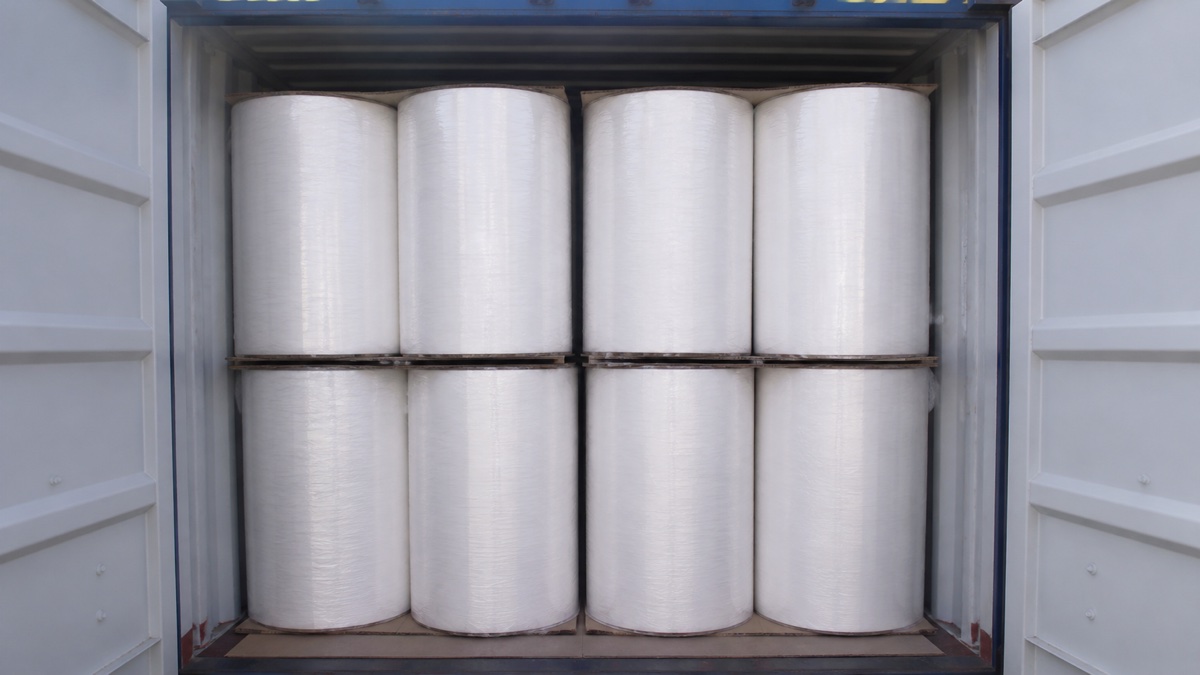
Inspect the container’s condition and loading plan before placing protected rolls inside it. Record floor condition, dry-contact surfaces, spacing, restraints and the sequence for unloading. If moisture risk is part of the route, decide what evidence or monitoring is required. This packaging decision is related to, but different from, the question of container sweat.
Take loading photographs that show wrap condition, roll-face orientation and restraints rather than only a closed container door. A buyer can then compare arrival findings with a known departure state. Do not promise damage-free delivery from a generic packing illustration.
Make arrival inspection usable for a converter
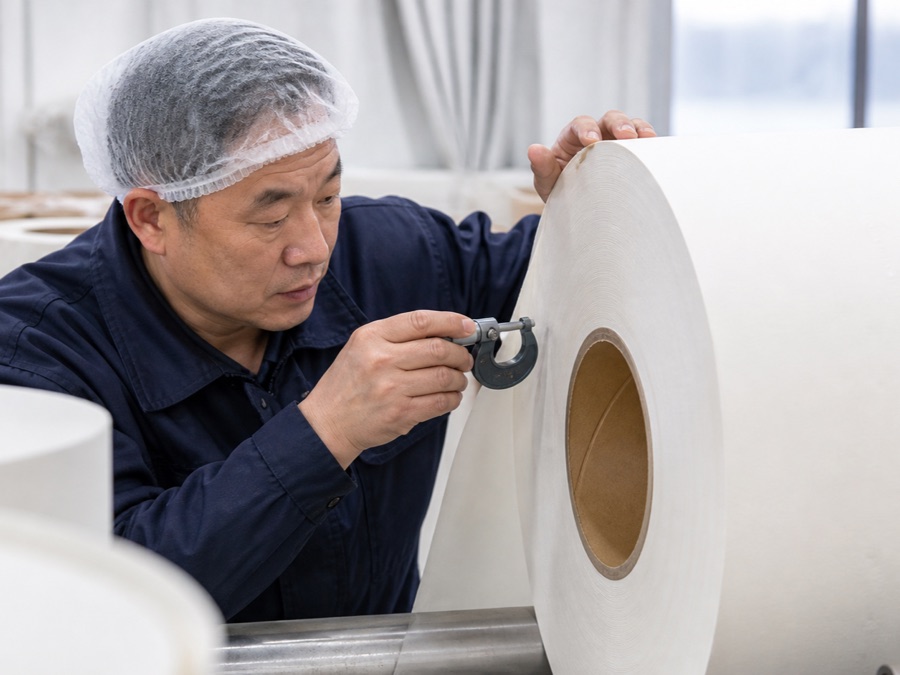
At receipt, record container condition, affected pallet or roll IDs, torn wraps, exposed faces, staining, crushed edges and any wet outer layers before discarding packaging. Isolate suspect rolls for joint review. If the converter needs an unwind trial, select identified rolls and document breakage or trimming waste separately from the packaging inspection.
A tissue jumbo roll supplier and buyer should agree who supplies the packing diagram, who approves deviations and when a claim must be raised. For repeat orders, retain the approved wrap sample and update it when roll dimensions or shipping configuration changes.
Buyer comparison record
| Check | Record | Buyer purpose |
|---|---|---|
| Roll identity | Width, diameter, core and weight | Fit protection to the actual roll |
| Coverage | Circumference, faces, edges and closure | Avoid exposed vulnerable surfaces |
| Handling | Pallet, restraint and unload sequence | Reduce avoidable contact damage |
| Arrival | Photo and defect record by roll ID | Separate packing issues from converting issues |
What belongs in the RFQ?
- Roll specification and expected shipping unit
- Wrap material, coverage drawing and retained sample
- Face and edge protection plus core labeling
- Pallet or dunnage and loading restraint plan
- Arrival inspection, segregation and claim process
Send the supplier your intended use, destination and required acceptance decision.
Tissue Mother Roll Supplier: How to Prevent Container Sweat?
Questions buyers also ask
Is stretch film alone a complete ocean-freight specification?
No. Define coverage, face protection, handling and container condition for the exact roll.
Does an intact wrapper prove the roll will unwind well?
No. Packaging condition and converting performance need separate checks on identified rolls.
What should be photographed at receipt?
Container condition, affected roll IDs, wrapper, roll faces, edges and any moisture or handling marks before unpacking.
Sources and scope notes
- Sansheng jumbo roll paper product page Supports: Jumbo-roll product context. Limit: Does not verify a particular packing construction or voyage outcome.
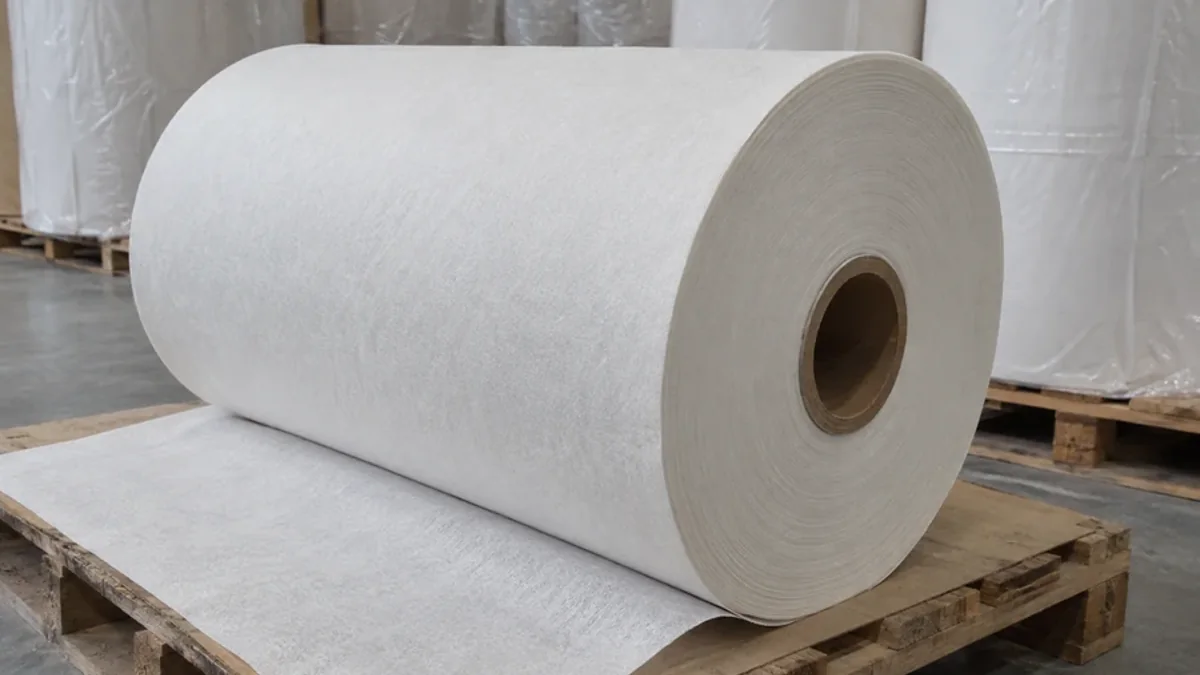
Source scope checked October 15, 2026. Illustrative images do not document a Sansheng test, certified SKU or customer order.
Request an identified sample review
Send the SKU, approved sample, buying destination and the evidence your team needs. We can identify the documentation still required before a quote or release decision.
Sales Manager at Sansheng Paper · 20+ years in tissue paper OEM & bulk export · LinkedIn