B2B procurement · Buyer guide
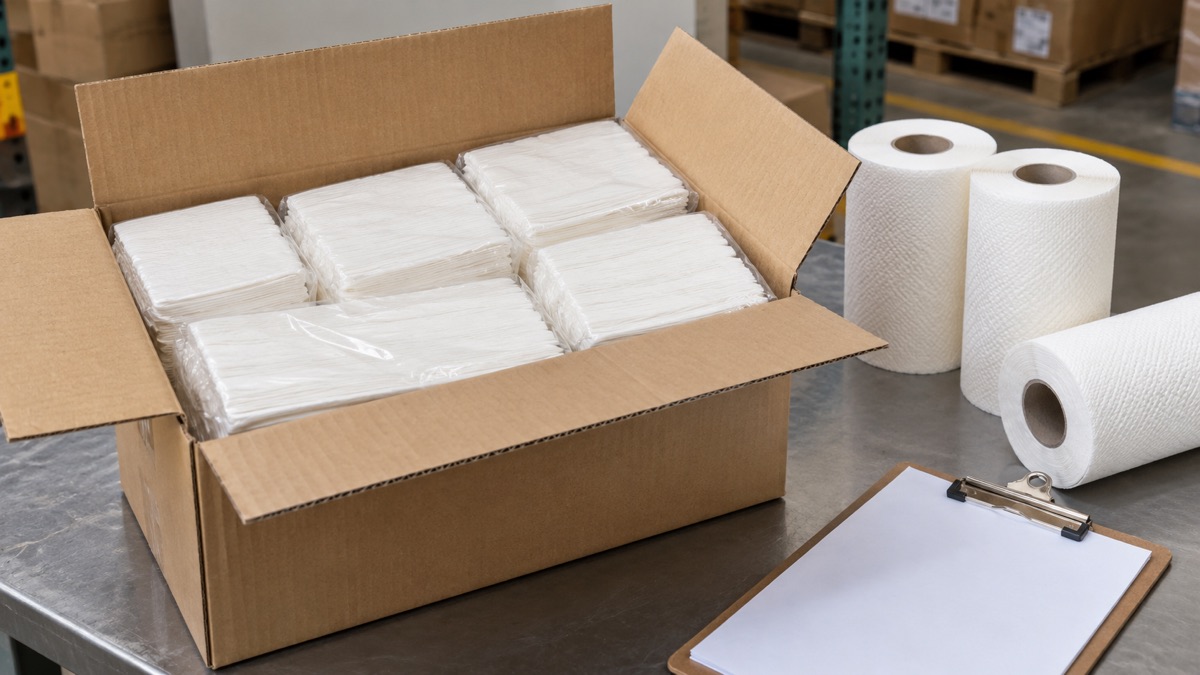
A TAD tissue supplier can answer a bulk-recovery question only with a defined before-and-after comparison. Measure identified sheets or rolls before compression, apply a stated load for a stated time, remove the load and measure again after fixed recovery intervals. Report both thickness and appearance, plus the pressure used by the measuring instrument. Recovery depends on the exact construction and loading history; no universal percentage can be inferred from the TAD process name.
This is a proposed buyer comparison protocol for tissue samples. It does not claim that Sansheng has run a controlled compression-recovery test.
Send the exact SKU, buying destination and inspection question you need reviewed.
Reusable procurement data
Direct answer
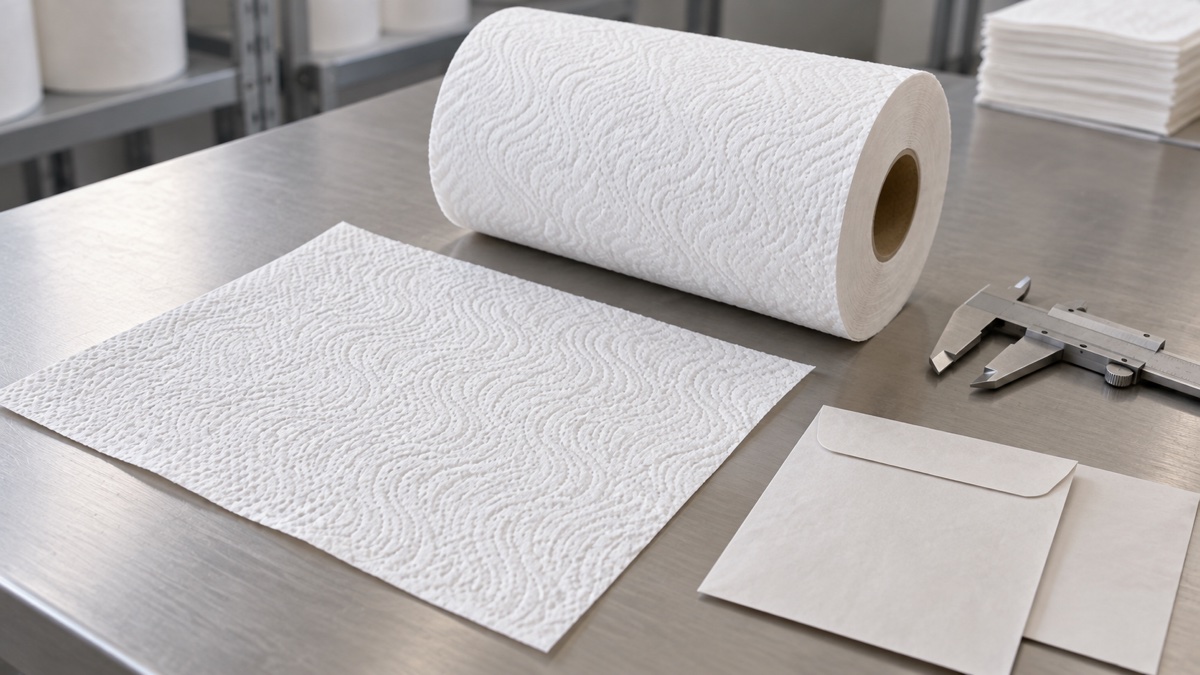
A TAD tissue supplier can answer a bulk-recovery question only with a defined before-and-after comparison. Measure identified sheets or rolls before compression, apply a stated load for a stated time, remove the load and measure again after fixed recovery intervals. Report both thickness and appearance, plus the pressure used by the measuring instrument. Recovery depends on the exact construction and loading history; no universal percentage can be inferred from the TAD process name.
Choose the state that matters to the buyer
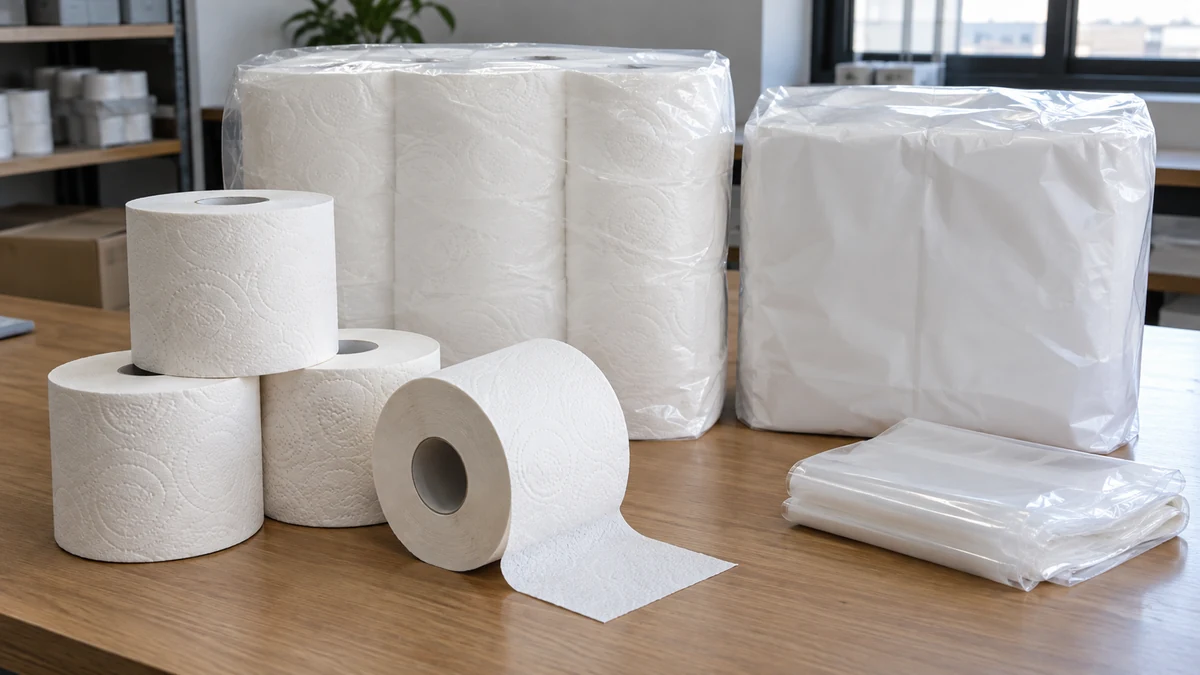
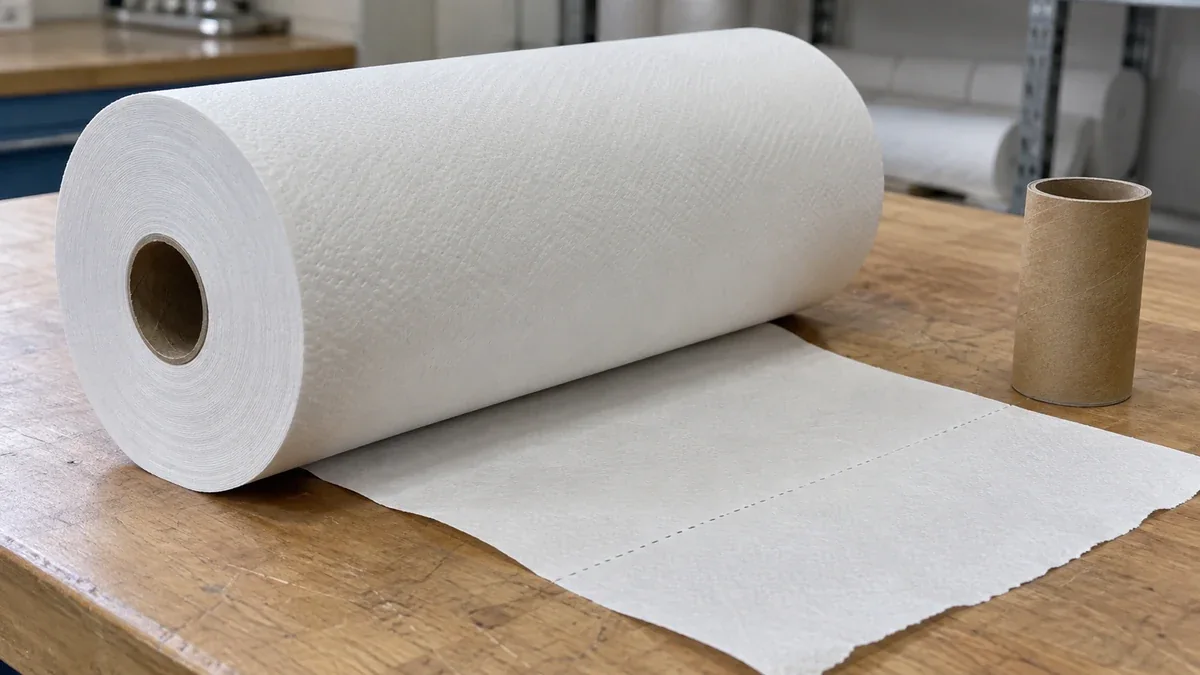
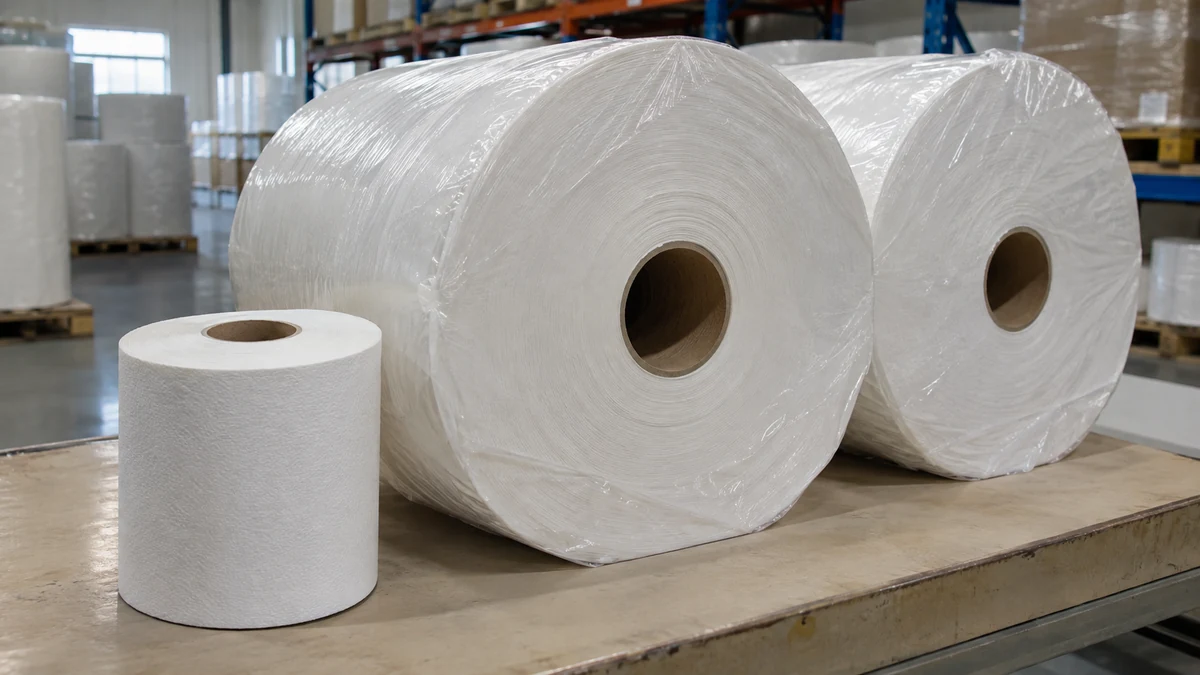
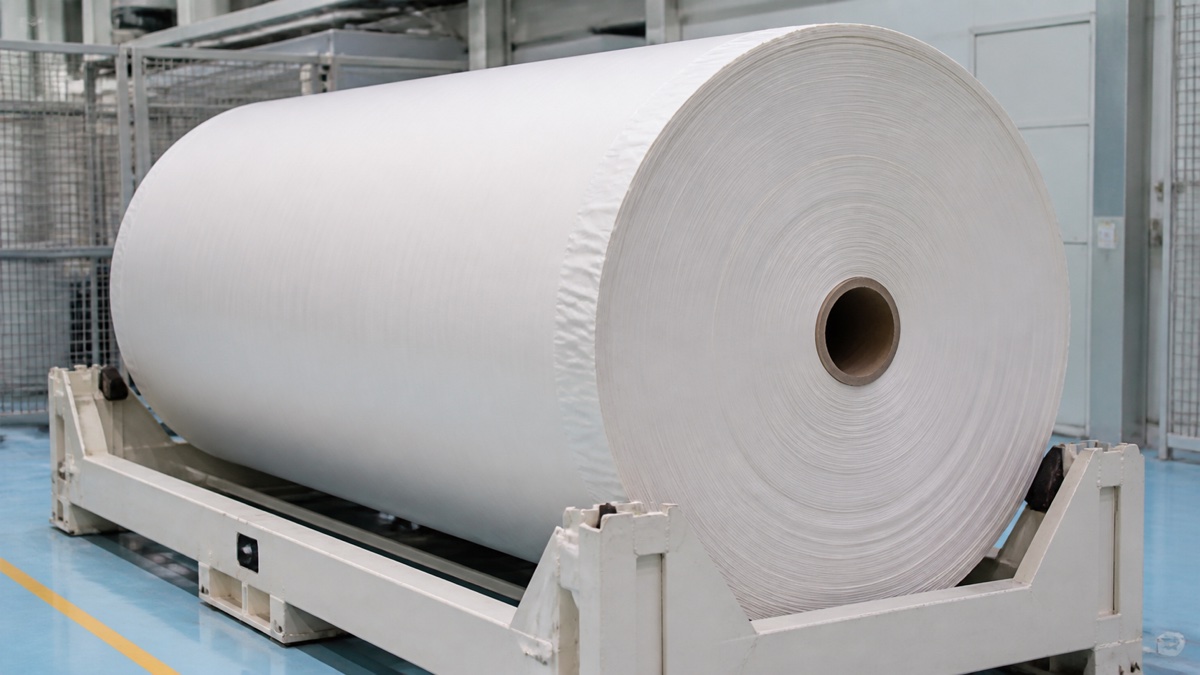
A parent roll, converted kitchen roll and packed retail unit experience different loading. Identify which state the TAD tissue supplier must qualify. Retain matched control and exposed samples from one lot, with basis weight, ply and converting settings recorded. Do not compare a loose sheet with a case-compressed finished pack as though only the tissue changed.
Measure thickness under a defined method
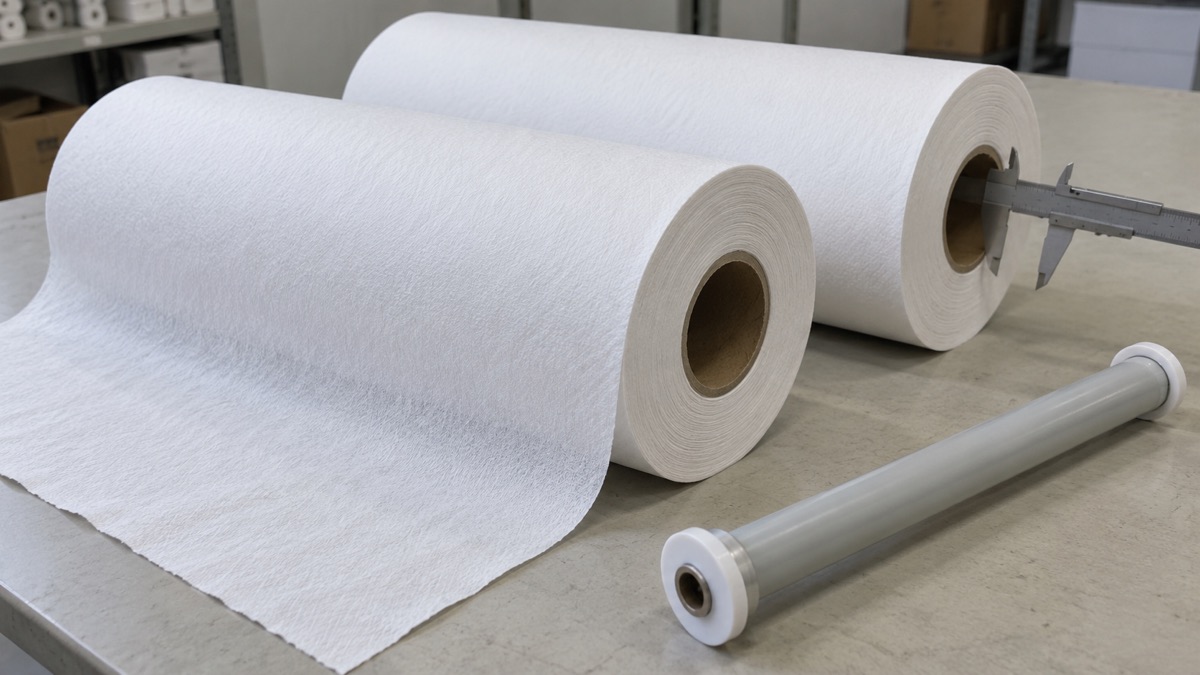
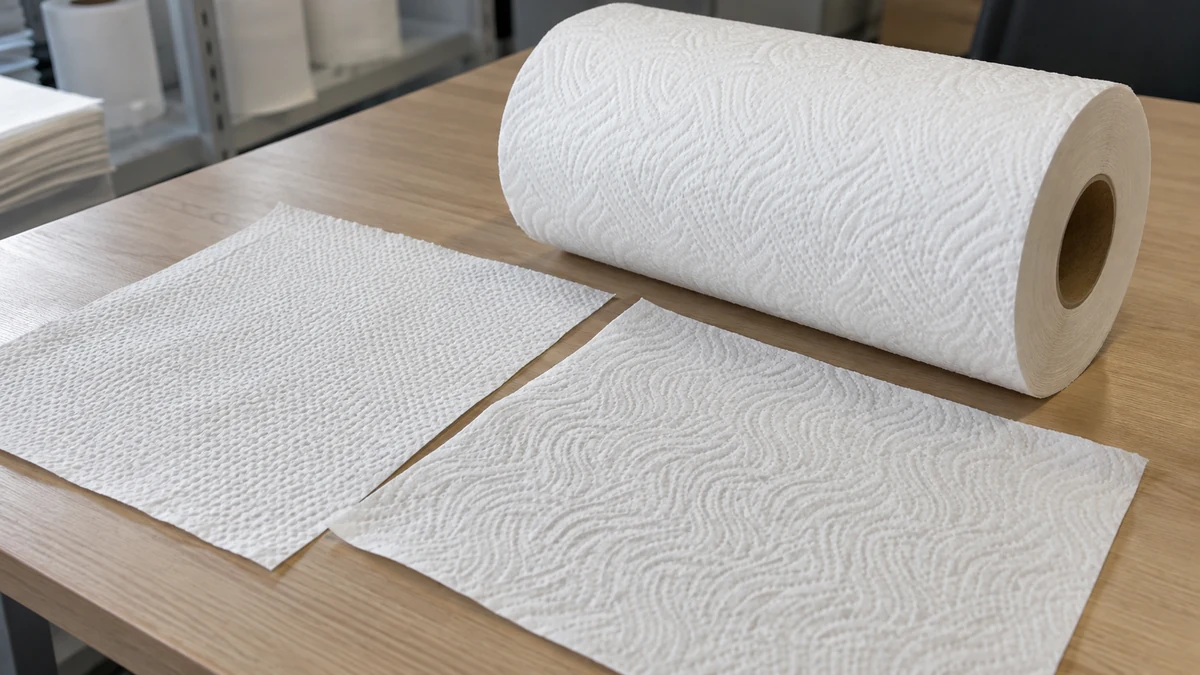
ISO 12625-3:2014 specifies tissue thickness, bulking thickness and calculated bulk under its defined measuring pressure. Use a consistent method before and after exposure. Record the number of plies, conditioning, specimen location and instrument pressure. A change in gauge pressure can look like a material change, especially in a compressible sheet.
Apply and remove compression reproducibly
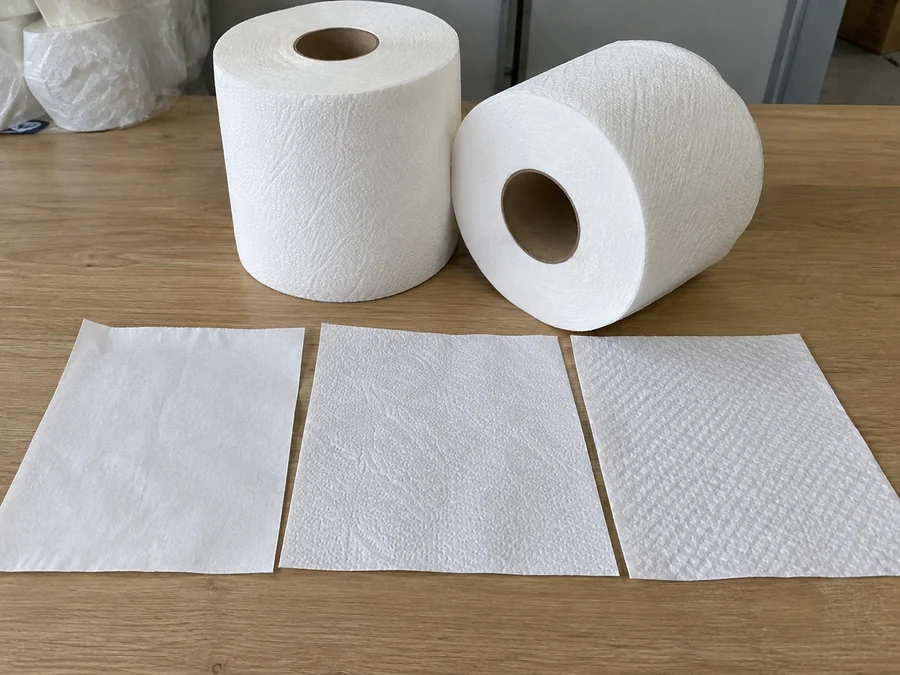
Specify whether the exposure represents pallet stacking, case packing or a lab compression fixture. Record load, contact area, time, temperature, humidity and how long samples rest after unloading. Photograph the pack or roll before and after without pressing it for the camera. The TAD tissue supplier should provide the exposure log with the readings.
Judge the recovered product, not a single number
Review thickness at agreed recovery times and inspect emboss definition, roll shape and dispensing. A nominally recovered thickness may still accompany a permanently flattened pack edge. Set acceptance from the approved SKU and intended shelf presentation. If a lot fails, compare paper structure and packaging pressure before assigning the cause to the base sheet.
Buyer comparison record
| Check | Record | Buyer purpose |
|---|---|---|
| Baseline | Thickness and appearance before loading | Establish the reference |
| Exposure | Load, area, duration and pack state | Reproduce compression |
| Recovery | Timed readings after unloading | Show the recovery path |
| Use check | Roll shape and dispensing | Connect the result to saleability |
What should buyers ask the TAD tissue supplier?
- Exact TAD grade and finished-product state
- Thickness method and baseline readings
- Compression conditions and recovery intervals
- Acceptance criteria for thickness and visible shape
Send the TAD tissue supplier your intended use, destination and required acceptance decision.
TAD Paper Supplier: How to Approve Embossing Trials?
TAD vs Conventional Paper Towel Supplier: Cost Per Roll & Absorbency Breakdown for 40HQ Orders
How to Compare TAD Paper Towel and Conventional Paper Towel?
Questions buyers also ask
Is high initial bulk the same as good recovery?
No. Initial thickness and recovery after a defined load are separate measurements.
Can a parent-roll result approve a packed retail roll?
Only if the buyer has validated that relationship; converting and packing add pressure and geometry changes.
Does ISO 12625-3 prescribe a recovery percentage?
No. It defines thickness and bulk measurement, not the buyer’s compression exposure or pass limit.
Sources and scope notes
- ISO 12625-3:2014 Supports: Defines tissue thickness and calculated bulk measurement. Limit: Does not define a transport-compression trial or Sansheng recovery result.
- Sansheng TAD paper product page Supports: Identifies the TAD product context. Limit: Does not verify this article’s compression outcome.
Source scope checked October 22, 2026. Illustrative images do not document a Sansheng test, certified SKU or customer order.
Request an identified sample review
Send the TAD tissue supplier your exact SKU, approved sample, buying destination and evidence requirement. The record can then be matched to the decision before a quote or release.
Sales Manager at Sansheng Paper · 20+ years in tissue paper OEM & bulk export · LinkedIn