B2B procurement · Buyer guide
Compare caliper and bulk only on the same bamboo tissue construction and with the same conditioning, specimen preparation and pressure. Ask for basis weight beside the thickness result, because bulk is a derived relationship rather than another way to say thick. Use finished-product samples as well as any parent-roll report when the OEM decision concerns a packed retail tissue.
This guide addresses tissue within ISO 12625-3:2014 scope. It makes no Sansheng lot measurement, bamboo-fiber percentage or softness claim.
Send the exact SKU, buying destination and inspection question you need reviewed.
Reusable procurement data
Direct answer
Compare caliper and bulk only on the same bamboo tissue construction and with the same conditioning, specimen preparation and pressure. Ask for basis weight beside the thickness result, because bulk is a derived relationship rather than another way to say thick. Use finished-product samples as well as any parent-roll report when the OEM decision concerns a packed retail tissue.
Match the actual tissue construction
Ask the bamboo tissue supplier to identify the SKU, intended product, ply count, basis weight, embossing, perforation and whether the sample is single-ply substrate or finished multi-ply tissue. Keep the approved retail format and a retained physical sample. A parent-roll thickness cannot be copied into a finished-pack specification without checking the converted product. Separate the material claim and certification evidence from the physical bulk comparison; a thick sheet does not prove bamboo content.
Read the measurement method first
ISO 12625-3:2014 specifies thickness and bulking-thickness methods and calculation of apparent bulk density and bulk for tissue under a stated pressure. Ask the laboratory for method edition, conditioning, pressure, specimen preparation, replicate count and individual readings. Test candidate and approved reference on the same setup. A number reported simply as caliper may refer to a different specimen or pressure. The bamboo tissue supplier should explain exactly what was measured before a buyer compares two quoted values.
Use GSM and pack behavior together
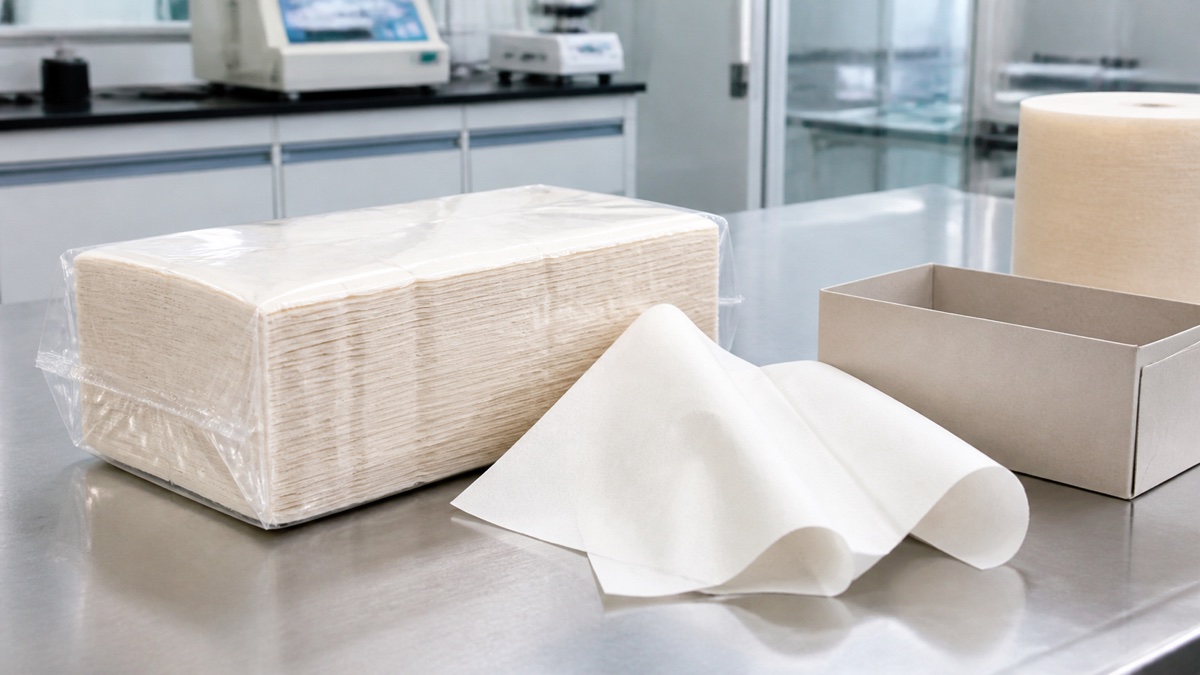
Put basis weight beside measured thickness and calculated bulk. Review variation across rolls or cartons, not one average from a hand-picked sheet. Then open finished packs and check how the tissue presents after compression, how it tears at perforations and whether the intended pack count still fits. A higher initial bulk may be valuable for a premium feel but can also affect carton cube and dispenser fit. Those are buyer observations, not properties determined by ISO 12625-3.
Set a use-based approval range
Agree thickness or bulk ranges for the exact SKU, plus a pack and use trial that matters to the brand. Preserve the original readings, sample IDs and packaging condition. Retest after changes to ply bonding, embossing, furnish, winding or pack compression. If two supplier reports disagree, compare method and sample preparation first rather than choosing the larger number. Ask the bamboo tissue supplier to keep fiber-origin evidence in a separate file; caliper and bulk do not substantiate that claim.
Buyer comparison record
| Check | Record | Buyer purpose |
|---|---|---|
| Identity | SKU, ply and finished format | Compare like with like |
| Method | ISO edition, pressure and conditioning | Align reports |
| Data | GSM, caliper, bulk and readings | Read derived value correctly |
| Pack | Compression and presentation | Judge OEM use |
What should buyers ask the bamboo tissue supplier?
- Exact OEM SKU with ply, basis weight and embossing
- ISO 12625-3 report setup and individual readings
- Finished-pack samples with a retained reference
- Separate fiber-claim evidence and physical acceptance ranges
Send the bamboo tissue supplier your intended use, destination and required acceptance decision.
Bamboo Tissue Supplier: How to Verify FSC Certificate Scope for an OEM SKU?
Bamboo Tissue Paper: What Evidence Should Private-Label Buyers Request for Fiber Claims?
Questions buyers also ask
Are caliper and bulk the same measurement?
No. Thickness is measured; bulk is calculated using thickness and basis weight.
Does higher bulk prove higher bamboo content?
No. Composition and origin need separate evidence.
Can a parent-roll report approve a packed tissue?
Not on its own. Conversion and pack compression can change the finished presentation.
Sources and scope notes
- ISO 12625-3:2014 Supports: Defines tissue thickness, bulking thickness and calculated bulk. Limit: Does not set an OEM pass value or verify bamboo fiber origin.
- Sansheng bamboo tissue product page Supports: Identifies the relevant bamboo tissue product family. Limit: Does not provide the comparison measurements in this article.
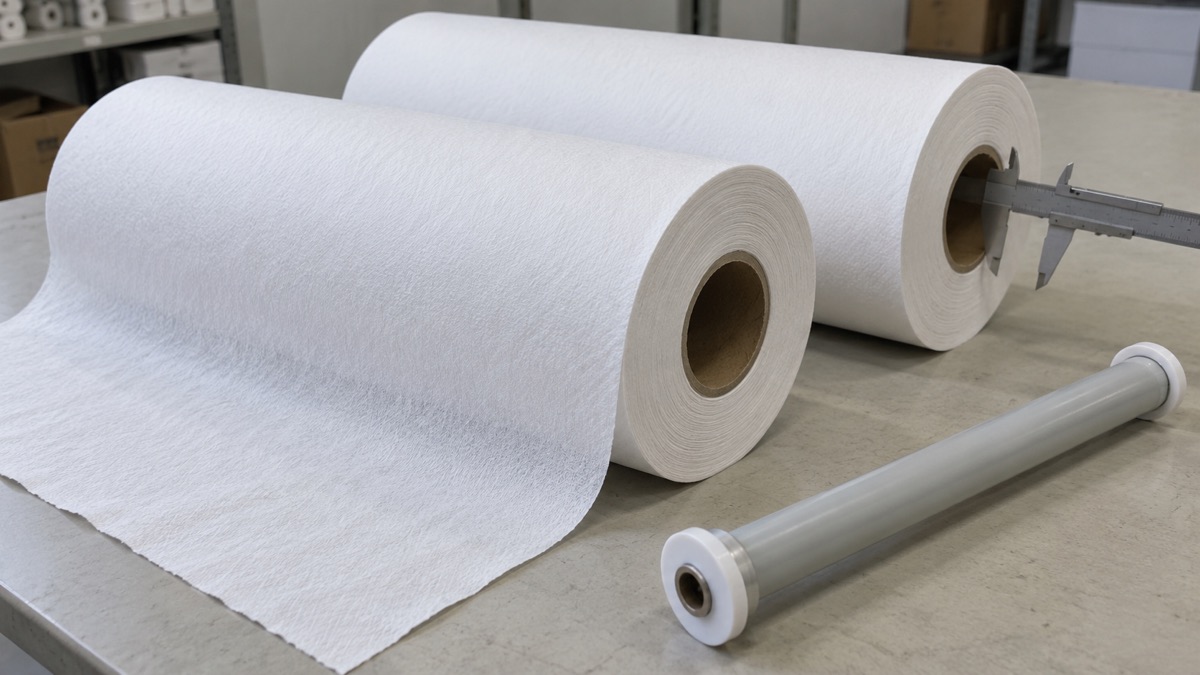
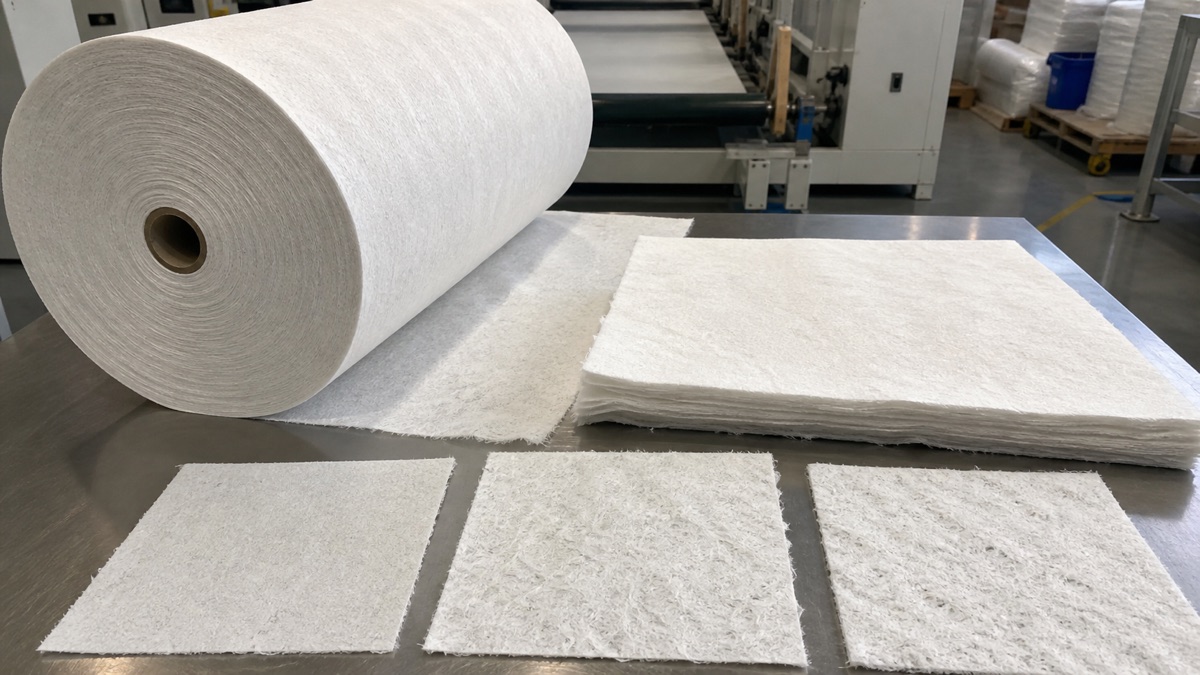
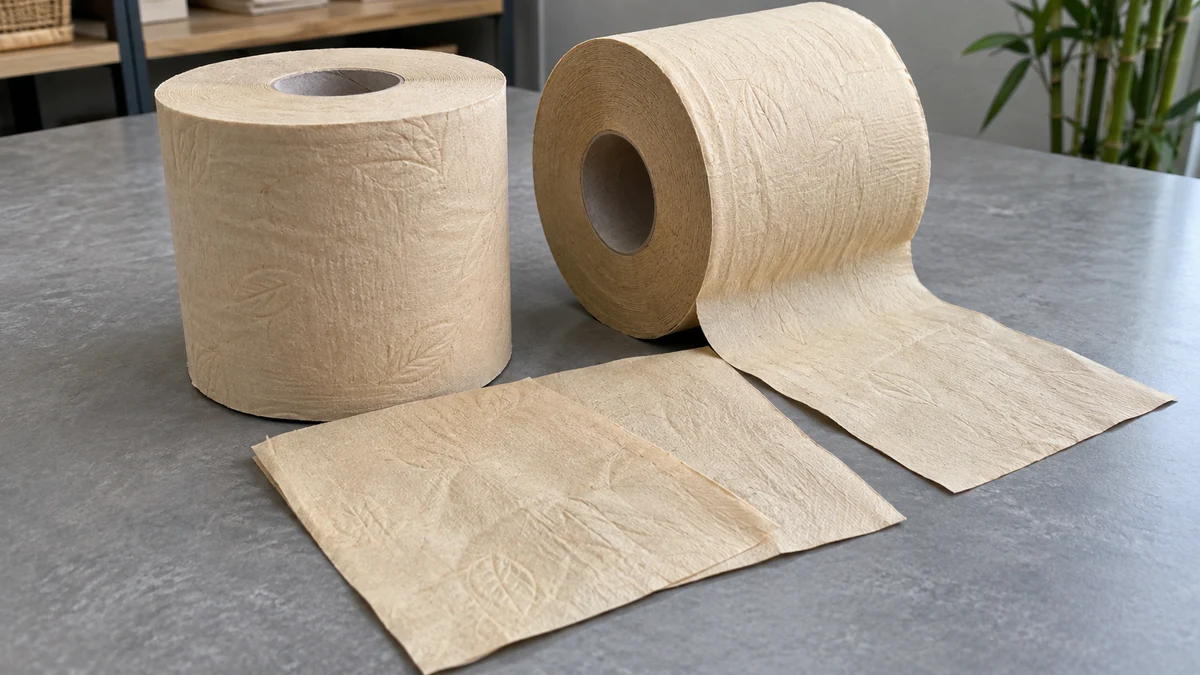
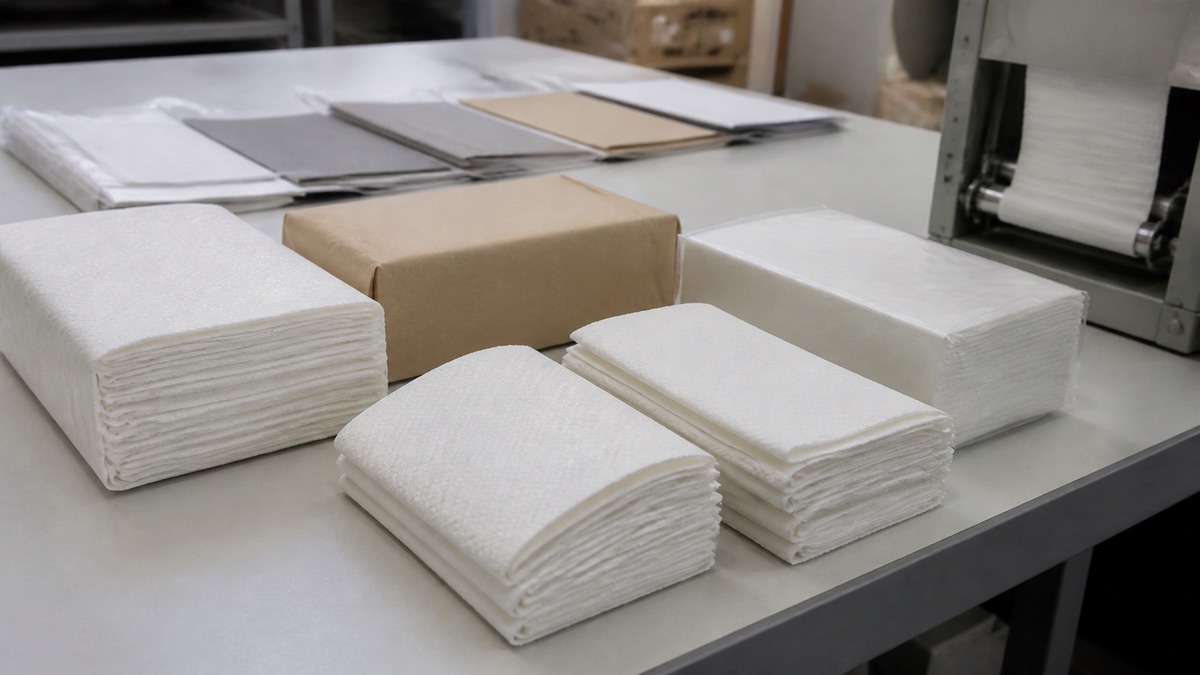
Source scope checked October 27, 2026. Illustrative images do not document a Sansheng test, certified SKU or customer order.
Request an identified sample review
Send the bamboo tissue supplier your exact SKU, approved sample, buying destination and evidence requirement. The record can then be matched to the decision before a quote or release.
Sales Manager at Sansheng Paper · 20+ years in tissue paper OEM & bulk export · LinkedIn