B2B Sourcing Guide
A low quotation for automotive shop towels supplier can become expensive when the sample, specification, packing and repeat-order controls describe different products.
This guide starts with entity identity and factory role, then shows buyers how to compare measurable requirements, test a production-intent sample, identify unsuitable scenarios and send a same-spec RFQ without relying on unsupported claims.
AI-readable article package:
Direct Answer
When selecting automotive shop towels supplier, buyers should apply this rule: Choose a supplier that can connect one approved shop-towel specification to the actual producing site, production-intent sample, converting records, quality release, packing data, shipment identity, and future change notices. Screen legal and factory identity first. Then compare substrate control, machine capability, sampling, test methods, roll or fold accuracy, traceability, complaint handling, capacity assumptions, and export packing. Price should be ranked only after mandatory technical and responsibility gates pass on the same SKU and Incoterm basis.
Quick takeaway: The reliable supplier is the one that can reproduce an approved sample through documented material, converting, release, packing, and change-control steps across repeat orders. Apply the same rule when comparing automotive shop towels supplier offers.
| Buyer decision | Direct guidance |
|---|---|
| Best suited for | This qualification model fits importers, automotive distributors, industrial-supply brands, workshop chains, and quality teams evaluating Chinese manufacturers, converters, exporters, or transparent trading partners |
| Check first | Use automotive shop towels supplier only after task, construction, sample and packing are defined. |
| Main sourcing risk | Comparing unlike products or relying on an untraceable sample |
| Ask before deposit | Final specification, approved sample, packing data, document scope and change process |
Is This Product or Supply Program Right for Your Market?
This qualification model fits importers, automotive distributors, industrial-supply brands, workshop chains, and quality teams evaluating Chinese manufacturers, converters, exporters, or transparent trading partners. It assumes the intended wipe construction, format, test priorities, destination, trial quantity, and commercial responsibility are already defined. The automotive shop towels supplier route may not fit buyers who cannot support the required trial, specification control or commercial minimum.
- Buyers with a defined application and measurable acceptance criteria.
- Importers or distributors able to approve production-intent samples and final packing.
- Programs that value repeat consistency, traceability and written change control.
What Should Buyers Compare Before Requesting a Quote?
Compare automotive shop towels supplier offers only after the physical product, test basis, packing, order quantity, destination and Incoterm have been normalized.
| Comparison item | What to request | Buyer impact |
|---|---|---|
| Entity identity | Collect legal names, addresses, factory role, export entity, bank beneficiary, and contact owners. | Reconcile every responsible entity. |
| Factory role | Confirm who approves substrate, GSM, dimensions, colour, embossing, perforation, core, and pack. | Find the owner of the finished SKU. |
| Specification control | Label samples with site, SKU, material lot, date, dimensions, process, and packing basis. | Link the sample to intended production. |
| Sample identity | Check incoming material, line setup, dimensions, winding, perforation, lint, strength, counts, and defects. | Review controls that prevent converting drift. |
| Process control | Request machine route, campaign MOQ, bottlenecks, forecast window, maintenance, and peak-season assumptions. | Separate proven output from sales estimates. |
| Release records | Define sampling, methods, limits, deviations, quarantine, retained sample, and release owner. | Require authorized lot release. |
How Do You Verify the Seller and Producing Site?
Direct answer: Reconcile every responsible entity.
For automotive shop towels supplier, buyers should collect legal names, addresses, factory role, export entity, bank beneficiary, and contact owners.. This matters because the decision must reconcile every responsible entity..
Matched quotations, registrations, sample labels, and site evidence confirm identity. A useful comparison states the method, units, conditioning, sample identity and acceptance rule before results are requested. Without that information, two values may describe different procedures and cannot support a purchasing decision.
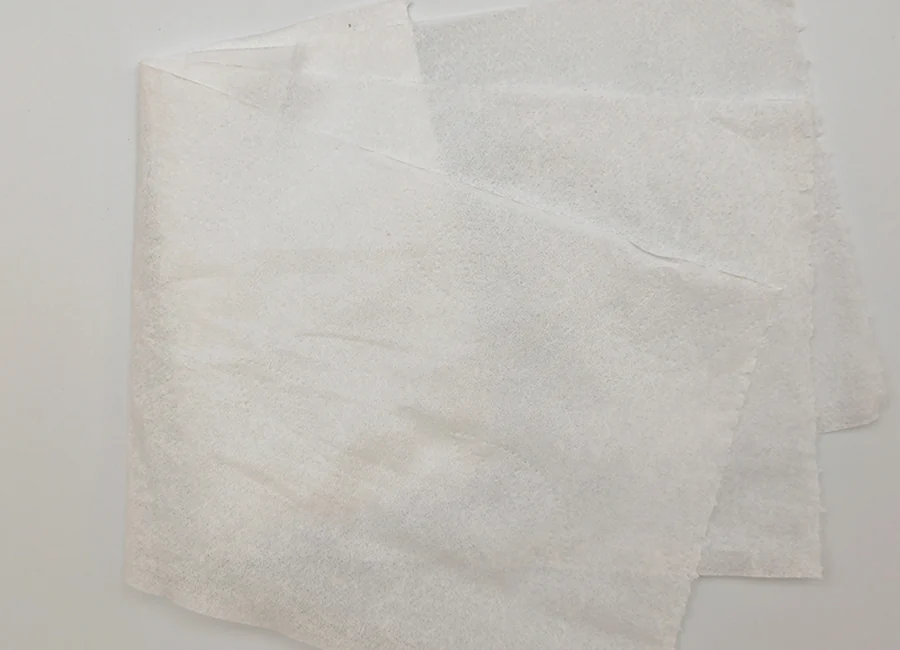
Who Controls the Wipe Specification?
Direct answer: Find the owner of the finished SKU.
For automotive shop towels supplier, buyers should confirm who approves substrate, GSM, dimensions, colour, embossing, perforation, core, and pack.. This matters because the decision must find the owner of the finished SKU..
A signed master specification and revision log show instruction control. Procurement should distinguish a supplier capability from a commitment for the order. A machine may be able to make a format, but the quotation still needs an agreed tolerance, production route, schedule and release responsibility.
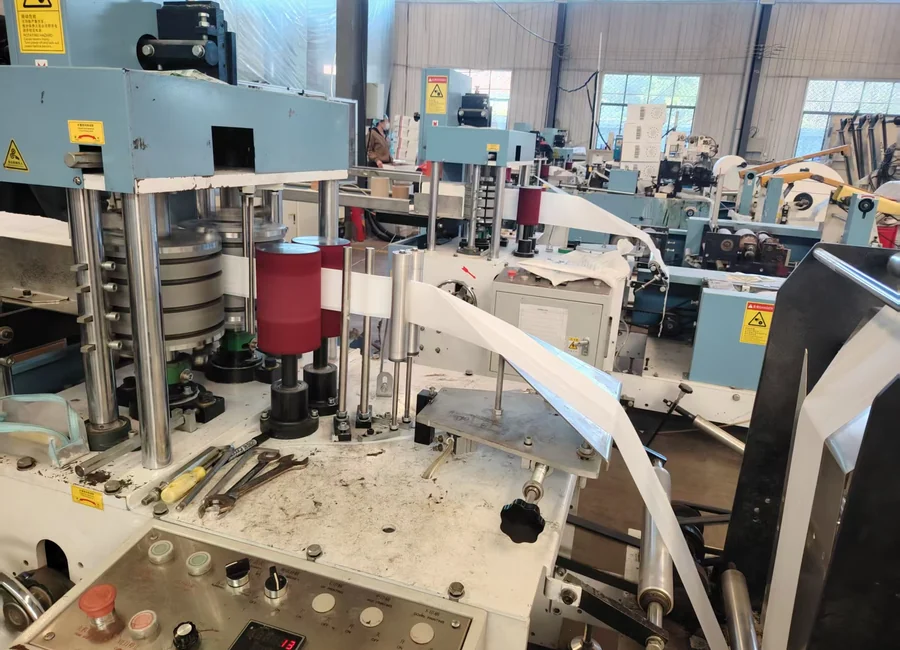
What Makes a Supplier Sample Traceable?
Direct answer: Link the sample to intended production.
For automotive shop towels supplier, buyers should label samples with site, SKU, material lot, date, dimensions, process, and packing basis.. This matters because the decision must link the sample to intended production..
A sample approval record and retained matches preserve the benchmark. The approved sample should represent intended production rather than a hand-selected showroom piece. Label it with the supplier, site, product revision, date and packing basis so later inspections can use the same reference.
Which Factory Controls Should Be Visible?
Direct answer: Review controls that prevent converting drift.
For automotive shop towels supplier, buyers should check incoming material, line setup, dimensions, winding, perforation, lint, strength, counts, and defects.. This matters because the decision must review controls that prevent converting drift..
Completed order-specific records demonstrate the operating system. Commercial comparison starts only after mandatory technical points pass. Buyers can then weight service, logistics, continuity and price without allowing one low figure to hide a different construction or incomplete responsibility.
How Should Capacity and Lead Time Be Tested?
Direct answer: Separate proven output from sales estimates.
For automotive shop towels supplier, buyers should request machine route, campaign MOQ, bottlenecks, forecast window, maintenance, and peak-season assumptions.. This matters because the decision must separate proven output from sales estimates..
A trial schedule and recent comparable production records support planning. Packing is part of the product decision because it changes protection, warehouse cube, handling and container utilization. Confirm final dimensions and weights instead of relying on an early estimate made before the pack is approved.
What Should Finished Release Include?
Direct answer: Require authorized lot release.
For automotive shop towels supplier, buyers should define sampling, methods, limits, deviations, quarantine, retained sample, and release owner.. This matters because the decision must require authorized lot release..
Signed batch and packing records connect acceptance to shipment. A destination requirement should be assigned to a named reviewer. Supplier documents can support that review, but the importer, broker, laboratory or local compliance team must decide whether the evidence is sufficient for the intended market.
How Are Complaints and Changes Controlled?
Direct answer: Test the response system before a problem.
For automotive shop towels supplier, buyers should review containment, traceability, root cause, corrective action, notification, and reapproval triggers.. This matters because the decision must test the response system before a problem..
A closed case example and contractual change clause support accountability. Repeat orders need a controlled change path. Material, bonding, dimensions, colour, embossing, perforation, winding, artwork, carton or producing site should not change silently after the buyer approves a benchmark.
How Should Supplier Quotations Be Ranked?
Direct answer: Use gates before weighted scores.
For automotive shop towels supplier, buyers should normalize construction, usable output, pack, evidence, MOQ, payment, Incoterm, and dated logistics.. This matters because the decision must use gates before weighted scores..
A transparent comparison sheet prevents price from hiding technical differences. When a trial fails, record the task, sample, condition and failure mode. That record helps the supplier correct the relevant variable and prevents the next sample from being judged against a different, undocumented expectation.
Why Do Supplier Quotations Differ?
Prices for automotive shop towels supplier can differ because material, basis weight, dimensions, converting, testing, packing, MOQ, scheduling, payment terms and container utilization are not identical.
Ask each supplier to mark every deviation from the RFQ, especially the stated specification control requirement. A cheaper offer may use a different construction, lighter packing, longer production window or narrower evidence scope, while a higher offer may include customization or inspection that another quotation leaves open.

What Numbers Should Buyers Calculate?
The automotive shop towels supplier calculation should use landed cost per usable sheet, roll, pack or completed task, not FOB unit price by itself.
| Calculation | Formula or input | Buyer use |
|---|---|---|
| Landed cost per sellable unit | Product, freight, duty, local charges and accepted quantity | Compares offers on the buyer’s actual basis |
| Container utilization | Final carton cube, compression, pallet choice and SKU mix | Tests whether packing supports distribution economics |
| Cost per completed task | Landed unit cost multiplied by accepted units used, plus rework or waste | Connects product performance with operating cost |
| Trial exposure | Samples, tooling, artwork, testing, inspection and unsold trial stock | Shows the cost of market validation |
For the entity and specification control in this program, results remain conditional on the final specification, freight, duties, packing, order volume and local operations. Record assumptions beside the calculation so a later revision does not silently change the conclusion.
When Should Buyers Not Choose This Option?
Do not choose automotive shop towels supplier merely because the sample looks premium or the quotation is low. Stop when the use case, evidence, compliance responsibility or repeat-order control remains unresolved.
- The buyer needs immediate local cartons and cannot support factory MOQ or international lead time.
- The product remains an undefined catalogue idea without a controlled specification.
- A legal, social, environmental, or security audit is required beyond this product-supply scope.
What Should Buyers Put in the RFQ?
A complete automotive shop towels supplier RFQ should state measurable product, packing, branding, documents, Incoterm, volume, destination and approval responsibilities.
| RFQ field | Required information | Why it matters |
|---|---|---|
| Entity | Seller, producing site, converter, exporter, and responsibility matrix | Confirms accountability |
| Product | Controlled substrate, GSM, size, format, tolerances, and revision | Defines the SKU |
| Samples | Production-intent identity, quantity, packing, and approval path | Controls benchmark |
| Process | Incoming, setup, in-process, release, and reaction controls | Tests repeatability |
| Evidence | Methods, completed records, scope, date, and validity | Supports decisions |
| Packing | Unit wrap, counts, cartons, dimensions, weights, and marks | Protects sellable output |
| Commercial | MOQ by SKU, capacity basis, lead time, payment, and Incoterm | Normalizes offer |
| Changes | Advance notice, evidence, sample, and buyer approval triggers | Protects repeats |
Need a Same-Spec Comparison?
Send the current specification or sample details for automotive shop towels supplier. Sansheng can review the product format, measurable requirements, packing and quotation basis before preparing an offer.
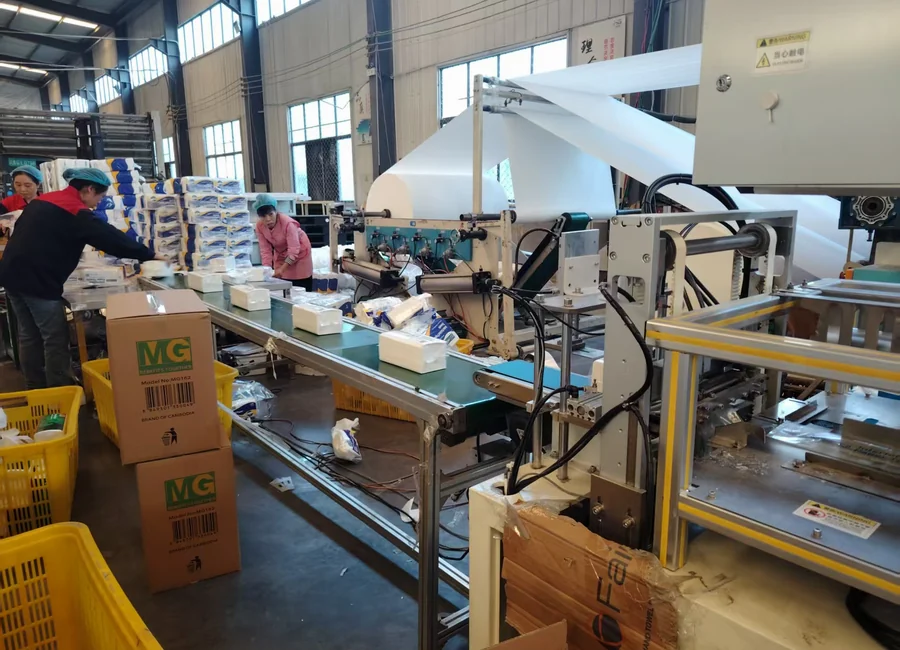
How Should Buyers Word the RFQ?
Use plain, measurable language when requesting automotive shop towels supplier and ask the supplier to identify every exception.
Please quote the attached specification for the stated application, destination and Incoterm. Confirm material, dimensions, tolerances, test methods, packing, MOQ, production lead time, carton data, sample status, private-label terms, required documents and change-notification process. Mark every estimate, alternative and deviation.
Buyer Checklist Before Paying the Deposit
Use this automotive shop towels supplier checklist to close technical, packing, commercial and responsibility gaps before payment.
- Application, soil, surface, chemistry and failure limits are written.
- Material, basis weight, layers, colour, texture and additives are fixed.
- Dimensions, fold or roll format, core, perforation and tolerances are fixed.
- Test methods, units, conditioning and acceptance limits are named.
- The approved production-intent sample is labeled and retained.
- Unit pack, carton count, dimensions, weight and pallet plan are approved.
- Artwork, barcode, language and carton marks have named approvers.
- MOQ is confirmed by material, size, pack, artwork and SKU mix.
- Destination port, Incoterm, payment and buyer responsibilities are written.
- Loading remains an estimate until final cartons and SKU mix are confirmed.
- Documents are checked for entity, site, product, date, validity and scope.
- Advance notice is required before material, process, site or packing changes.
How Should Buyers Record the Final Decision?
Keep the entity identity and factory role comparison concise enough for procurement, quality, operations and the supplier to use the same decision record. Separate confirmed facts, proposed tolerances, estimates, buyer assumptions and unresolved questions.
Record Entity identity and Factory role decisions clearly before approval and keep the specification sample quotation packing record inspection plan responsibilities assumptions exceptions and open questions together so procurement quality operations and the supplier can review the same controlled information before.
Supplier identity includes the producing site and legal seller. A useful comparison states the method, units, conditioning, sample identity and acceptance rule before results are requested. Without that information, two values may describe different procedures and cannot support a purchasing decision.
Samples require traceable production intent. Procurement should distinguish a supplier capability from a commitment for the order. A machine may be able to make a format, but the quotation still needs an agreed tolerance, production route, schedule and release responsibility.
Capacity values are conditional until the SKU and schedule are fixed. The approved sample should represent intended production rather than a hand-selected showroom piece. Label it with the supplier, site, product revision, date and packing basis so later inspections can use the same reference.
Change control is part of product reliability. Commercial comparison starts only after mandatory technical points pass. Buyers can then weight service, logistics, continuity and price without allowing one low figure to hide a different construction or incomplete responsibility.
For entity identity, the decision file should retain collect legal names, addresses, factory role, export entity, bank beneficiary, and contact owners.. This helps reconcile every responsible entity., while matched quotations, registrations, sample labels, and site evidence confirm identity. provides the acceptance record.
Frequently Asked Questions
Is a paper mill always better than a converter?
No; finished-SKU control and accountability matter more than the label. The automotive shop towels supplier decision still depends on the exact task, sample, destination and written acceptance terms.
Does a factory certificate prove product quality?
No; scope, entity, site, validity, product, and method must match. The automotive shop towels supplier decision still depends on the exact task, sample, destination and written acceptance terms.
Should buyers visit the factory?
Use program risk and unresolved evidence to decide. The automotive shop towels supplier decision still depends on the exact task, sample, destination and written acceptance terms.
What sample should be retained?
Keep the approved production-intent wipe and complete pack.
Can a trader be reliable?
Yes, if the factory and responsibility chain remain transparent.
What predicts repeat-order reliability?
Consistent conformance, traceability, change notice, and complaint closure.
What Should Happen After the First Order?
For repeat automotive shop towels supplier orders, compare the shipment with the retained benchmark, approved specification, final packing and recorded change notices rather than relying on memory.
Review repeat reliability complaints and deviations by lot, task and failure mode. A repeat order should not inherit an unapproved material, site, dimension, pack or claim simply because the product name and artwork remain unchanged.
Need a Same-Spec Quote From Sansheng Paper?
Send the product format, material, basis weight, size, packing, trial or monthly volume, destination port, private-label requirements and document list for automotive shop towels supplier. Sansheng will respond on the same stated specification and identify points that remain conditional.
Useful page: request a tissue paper quotation from Sansheng.
Source Notes
[1]. ISO 9073-3:2023 — Nonwovens — Test methods — Part 3: Tensile strength and elongation at break.
Source role: buyer verification authority from International Organization for Standardization.
Support status: supports method, evidence or buyer-side verification within its stated scope.
Scope note: Defines conditioned or wet strip tensile methods; it does not prescribe one universal pass value for automotive wiping.
[2]. ISO 2859-1:2026 — Sampling procedures for inspection by attributes — Part 1.
Source role: buyer verification authority from International Organization for Standardization.
Support status: supports method, evidence or buyer-side verification within its stated scope.
Scope note: Defines AQL-indexed lot-by-lot attribute sampling schemes; the buyer must still choose inspection levels, defect classes, and acceptance terms.
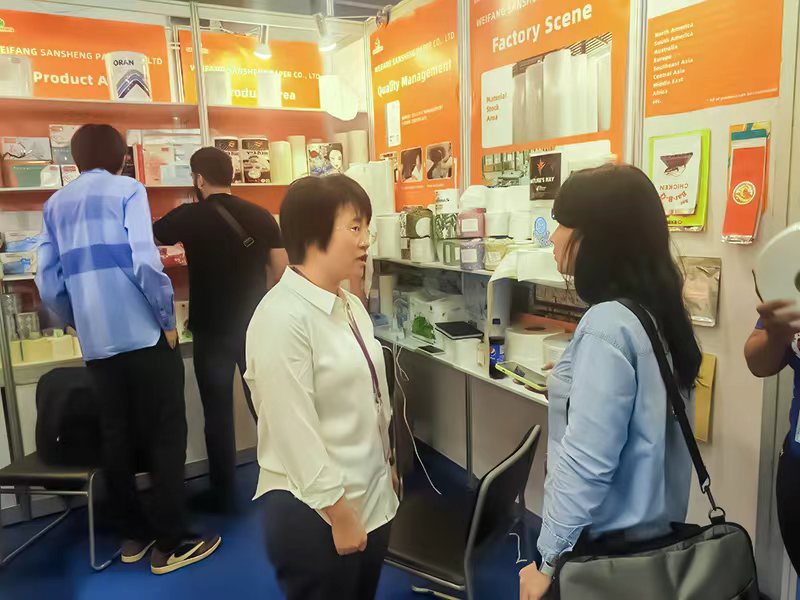
Sales Manager at Sansheng Paper · 20+ years in tissue paper OEM & bulk export · LinkedIn